

Where to build a life in the long term: 7 promising countries and destinations that are losing their appeal
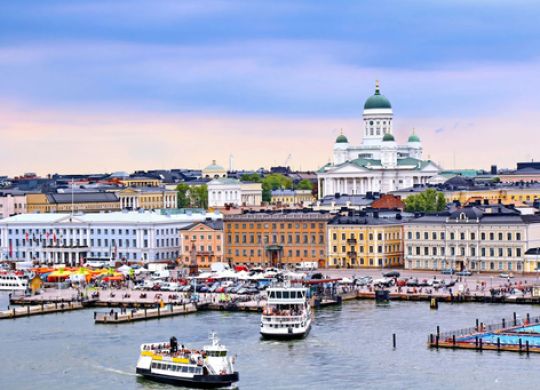
Where should you move to if you are thinking not only about the present, but also about life in 10, 30, or even 100 years? Some countries are already investing in security, quality of life, and societal development, while others are becoming less convenient for long-term living. Find out more about the countries where you should build your life in the future and the destinations that may disappoint

When planning to move or live abroad for a long time, more and more people are looking beyond the climate or salaries. The country's stability, social guarantees, level of security, attitude towards foreigners, and prospects for children are becoming important. These factors determine whether a country will be comfortable not only today but also in decades to come.
This selection contains countries that are already creating conditions for a stable future, as well as destinations where life for foreigners may be less comfortable in the long run.
Earlier, we talked about 7 neutral countries outside of conflicts that are ideal for living and relocation.
Are you planning to work abroad in 2026? Visit World's Work Guide will help you quickly understand the requirements for a work permit, the list of necessary documents, and the application procedure. The guide contains current employment rules, the main types of permits, common mistakes made by applicants, and practical advice after moving. You will receive structured information in PDF format within a few minutes after ordering. Check out the guide and prepare for working abroad without any stress.

1. Finland
Finland is consistently ranked among the most comfortable countries to live in due to its high level of security, trust between people, and well-thought-out social system. It has a well-developed infrastructure, clear rules for residents, and no sense of constant pressure from the state. For many immigrants, Finland is attractive because of its calm pace of life, environment and predictability of the future.
The Finnish model of education and family support deserves special attention. The country creates conditions in which children grow up without constant stress, and parents can combine work and family life without feeling that “everything depends on them.” In the long run, this creates a society focused not only on economic performance but also on the quality of life.
2. Norway
Norway is considered one of the most stable and socially protected countries in the world. Here, a high standard of living is combined with transparent rules of the game for citizens and residents: a social security system is in place, high-quality healthcare is available, and government institutions enjoy real public trust. For those who plan their lives for years to come, this means predictability and the absence of a constant sense of instability.
Another important advantage of Norway is its attitude to work-life balance. The country does not encourage a culture of “burnout,” and the social model supports people in difficult periods: job loss, illness, or changes in life circumstances. It is this system that creates a sense of security and allows people to plan for the future not only for a few years, but also for decades to come.
3. New Zealand
New Zealand attracts those who are looking for a stable English-speaking country with clear rules for migrants and a clear immigration system. There are programs for skilled professionals, entrepreneurs and startups, and the demand for specialists in IT, medicine, engineering and construction remains consistently high. The country is one of the top countries in terms of security, and the crime rate is relatively low compared to many popular migration destinations.
The environment and access to basic services are also important for long-term living. New Zealand has clean air, many green areas even in cities, and strict requirements for food and water quality. Healthcare is based on a mixed model: basic services are available in public clinics, and private insurance allows you to get specialized care faster.
You can learn more about the countries that are likely to participate in World War III and the TOP safest countries in the world by following the link.
4. Iceland
Iceland is suitable for those who are looking for a very safe country with clear social rules and a high level of trust in government institutions. The crime rate is one of the lowest in Europe, corruption risks are minimal, and most administrative services are available online. For foreigners, an important advantage is clear procedures for legal residence for work, study, and family reunification, without “gray schemes.”
From a practical point of view, life in Iceland is expensive, but this is offset by high salaries and real social support. Electricity is generated from renewable sources, so utilities are stable in price and do not depend on geopolitical crises. The labor market is limited due to the small population, but there is demand in tourism, IT, construction, medicine, and the service sector.
5. Switzerland
Switzerland is consistently ranked among the most reliable countries for long-term living due to its strong economy, political neutrality, and predictable regulations for businesses and residents. It has one of the highest income levels in Europe, a stable currency, and low crime rates. For foreigners, it is important that the country offers clear models of legal residence for work, business and highly skilled professionals, but the requirements for residence permits are quite strict.
From a practical point of view, Switzerland is an expensive country to live in, but the high cost is offset by the quality of services and the real level of comfort. Healthcare is compulsorily insured and works efficiently, public transportation is reliable, and the infrastructure is convenient even in small towns.
6. Canada
Canada is one of the most popular destinations for long-term immigration due to its clear relocation programs for professionals, students and entrepreneurs. The country is actively attracting migrants to fill the shortage of personnel in medicine, IT, construction, logistics, and service professions. Permanent residency status is realistic here if you have the language, profession and work experience, and then you have access to social guarantees and public healthcare.
Canada is convenient for living for years to come in terms of safety, ecology, and the level of domestic comfort. Public transportation is well-developed in major cities, there are programs to support families with children, and schools and universities are internationally recognized. At the same time, high rental prices in Toronto and Vancouver and climatic conditions in certain regions should be taken into account, but in general, the country provides stable conditions for building a life in the long term.
In the material available at the link, we have analyzed the Henley Passport Index 2026 ranking of the most influential passports and the place of the leading countries in it.
7. Australia
Australia attracts with a clear migration policy for skilled professionals and a stable labor market. The country regularly updates the lists of professions in demand, and doctors, engineers, construction workers, education and IT professionals have a real chance of obtaining a long-term visa with the prospect of permanent residence. Salaries are among the highest in the region, and unemployment is traditionally lower than in many European countries.
For long-term living, Australia is convenient due to the high quality of healthcare, safe environment and comfortable urban space. Large cities offer developed infrastructure, quality education, and stable social services. Among the disadvantages are the high cost of renting housing in Sydney and Melbourne and the distance from Europe. But for those who plan to build a long-term life, the country gives a sense of stability and a predictable future.
Countries where living in the long term becomes more difficult
The popularity of a country for tourism or short-term relocation does not always mean that it is convenient for living for years to come. In some destinations, foreigners face difficulties with legalization, high housing costs on relatively low incomes, difficult integration, or limited access to social guarantees. These factors make life less comfortable over time, even if the first impressions were positive.
1. Thailand is often chosen for its climate and affordable prices, but for long-term residence, the country has limited legalization programs for foreigners, complicated visa rules, and no stable path to permanent residence. Social guarantees for migrants are minimal, and medical services without insurance can be expensive.
2. Germany remains an economically strong country, but foreigners often face rigid bureaucracy, lengthy legalization procedures and difficult integration into the social environment without knowledge of the language. An additional factor is the shortage of housing in large cities and high competition in the rental market.
3. Spain is attractive for its lifestyle and climate, but for many foreigners, the ratio of salaries to the cost of living is a long-term disadvantage. Income levels in many areas are below the European average, while rental prices in popular cities and tourist regions are growing faster than incomes.
If you are planning to work abroad in 2026 and want to better understand the rules of employment, work permits, taxes, and basic employee rights, it is worth preparing for the move in advance. Visit World's practical working guide will help you navigate the current requirements, types of work permits, and steps to take upon arrival to avoid common mistakes and feel confident in your new life abroad.
We remind you! Which countries became the richest in the world in 2026 and how did the global ranking change over the year? New economic indicators show who was able to increase their GDP and who lost ground due to inflation and slowing growth. The ranking of the richest countries in the world in 2026 and the main changes of the year can be found at the link.
Products from Visit World for a comfortable trip:
Travel guide for 200 countries;
Legal advice from a local specialist on visa and migration issues;
Travel insurance around the world (please select the country of interest and citizenship to receive services);
Medical insurance all over the world.
We monitor the accuracy and relevance of our information, so if you notice any errors or inconsistencies, please contact our hotline.
Frequantly
asked questions
Is it possible to choose a country to live in based on salaries alone?
What are the most important factors for long-term living abroad?
Is it realistic to move to “countries with a future” without large savings?
Is it worth going to live in the country first, and only then planning to move permanently?
Which countries are easier to legalize for long-term residence?
Recommended articles
2 min
Work
Working Holiday Visa to Austria 2026: conditions, cost, requirements and how to apply for a visa
Austria has confirmed the Working Holiday visa for 2026. Find out who can apply, age restrictions, requirements, cost and rules for working and traveling in Schengen
15 Jan. 2026
More details1 min
Investment
Countries That Do Not Tax Foreign Income in 2026: Top 9 Jurisdictions with Territorial Taxation
Which countries do not tax foreign income in 2026? Learn about 9 jurisdictions with the territorial principle of taxation, residency requirements and tax nuances for businesses and freelancers
15 Jan. 2026
More details3 min
Popular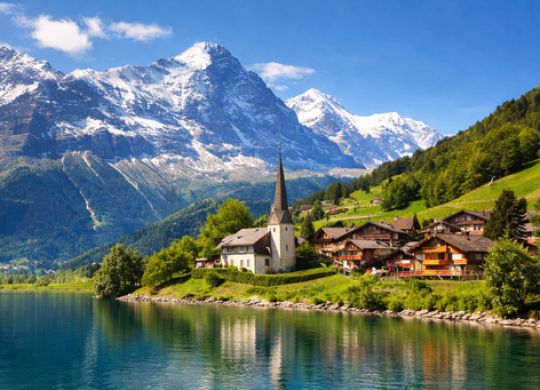
Countries out of conflict: 7 neutral destinations for living and relocation
In times of geopolitical turbulence, some people consider moving to countries that have long maintained a policy of neutrality and avoided military alliances. Such states offer relative stability and clear paths for residency or long-term residence. Learn more about countries that remain neutral and realistic options for moving to them
09 Feb. 2026
More details3 min
Popular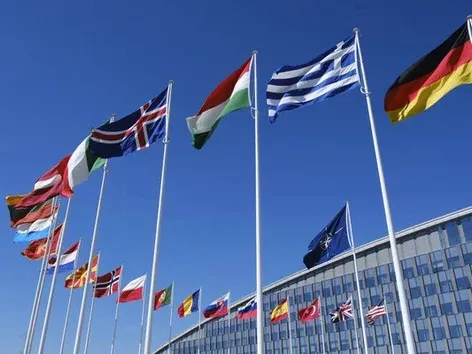
Passport Ranking 2026: Singapore maintains its lead, European countries strengthen their positions
The annual passport ranking once again shows how differently countries are integrated into the global world of mobility. In 2026, Asian countries remain in the lead, while Europe is steadily strengthening its position, occupying most of the top spots. Learn more about which passports open the most borders and how the balance of global mobility is changing around the world
10 Feb. 2026
More detailsAll materials and articles are owned by VisitWorld.Today and are protected by international intellectual property regulations. When using materials, approval from VisitWorld.Today is required.