

Flight prices to Asia surge due to the Iran war in 2026: what’s happening with international flights
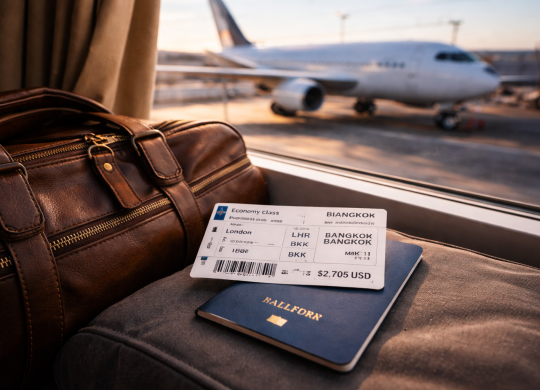
Airfares between Europe, Asia, and Australia have risen sharply following the closure of part of the Middle East's airspace due to the war between the United States and Israel against Iran. Passengers are massively rebooking flights, and some routes are already sold out for several days in advance. Read more about how the conflict is affecting global air travel and ticket prices

The war in the Middle East has already begun to have a significant impact on global aviation. Due to flight restrictions and the closure of key airports in the region, many popular routes between Europe, Asia and Australia have come under serious pressure.
As a result, airlines are forced to change routes, and the number of available flights on some routes has sharply decreased. This has already led to a rapid increase in ticket prices and a shortage of seats for the coming days.
In our previous article, we told you whether it is safe to travel to Cyprus, Egypt, and the Middle East.
Planning a trip abroad and want to protect yourself from unforeseen situations?
Travel insurance from Visit World will cover medical expenses, flight delays, and lost luggage in any country. Get a policy online in a few minutes and travel with confidence!

Why have airfares to Asia risen sharply
One of the main reasons for the sharp rise in airfares was the closure of part of the airspace and major airports in the Gulf region. This has significantly reduced capacity on popular routes between Europe, Asia, and Australia.
Flights that traditionally pass through the hubs of the Middle East have been particularly hard hit. For example, Dubai, the world's busiest international airport, typically handles more than a thousand flights a day. Temporary restrictions on the operation of such hubs have had a significant impact on global air transportation routes.
Additional pressure is created by a sharp increase in demand. According to Flight Centre Travel Group, the number of calls from customers trying to change or rebook flights has increased by about 75%. The company has even switched some of its teams to working around the clock to help passengers find alternative routes.
In our previous article, we talked about the scale of Iranian shelling and the consequences for the affected countries.
Airlines are changing routes and looking for alternative hubs
Due to the closure of airspace, airlines are forced to reorganize traditional routes between Europe and Asia.
Some carriers are now flying north, through the Caucasus and on to Afghanistan. Others choose a southern route through Egypt, Saudi Arabia, and Oman. These detours avoid dangerous areas, but significantly increase flight time and fuel consumption.
Passengers have also begun to actively seek alternative routes. For example, travelers from Australia are increasingly flying to Europe via China or Singapore. Others are choosing routes through North America, using transit airports like Houston.
To learn more about the sharp rise in oil prices due to the conflict in the Middle East, please follow the link.
How much have tickets to popular destinations risen in price?
Problems with routes and growing demand have already led to a sharp increase in airfares.
For example, on the Hong Kong - London flight, economy class is almost sold out for the coming days. A one-way ticket for March 11 costs at least HK$21,158 (about $2,705), while later this month the price drops to about HK$5,054 ($646).
A similar situation is observed on other routes. For example, Qantas does not offer economy class on flights from Perth to Singapore until March 17. The first available ticket costs approximately AU$3129 (over USD2,200) one way.
Even traditionally available routes have risen in price significantly. An economy class ticket from Beijing to London, which usually costs less than 10,000 yuan (about $1,450), is now only available in business class for more than 50,000 yuan in some cases.
In our previous article, we told you which carriers have suffered the most from the aviation crisis over Iran and how to protect yourself while traveling.
How the situation may affect airfares in the future
Experts warn that airfare increases may persist in the long term. Airlines use more fuel due to detours, and amid rising global oil prices, this further increases transportation costs.
According to Subhas Menon, the head of the Asia Pacific Airlines Association, the current situation actually makes a large part of the Middle East inaccessible for air travel. If flights between Europe and Asia become more expensive, this could seriously affect the profitability of airlines and ultimately affect the availability of transportation for passengers.
At the same time, some carriers may temporarily benefit from this situation. Airlines that operate direct flights or use hubs outside the conflict zone, such as Cathay Pacific, Singapore Airlines, and Turkish Airlines, may receive additional demand from passengers looking for alternative routes.
What tourists should consider before booking flights to Asia
Due to the closure of parts of the Middle East airspace and re-routing, many flights between Europe, Asia, and Australia are now being operated on alternative routes. This can affect not only prices but also travel time and ticket availability.
Tourists planning to travel to Asia in the near future should consider several important points:
1. Book tickets in advance, as seats on popular routes can sell out quickly;
2. Check alternative routes through other hubs, such as Singapore, China, or major airports in North America;
3. Keep a close eye on changes in flight schedules, as airlines may change routes depending on the situation in the region;
4. Take into account that detours may increase the duration of the flight and the number of transfers.
Experts also advise to check the current transit rules and possible restrictions in the countries of transit before booking, as the situation in international aviation can change rapidly.
No matter how well thought out your itinerary is, there is always room for force majeure when traveling. Unexpected medical expenses, transportation delays, or problems with luggage can ruin your plans and budget. Travel insurance helps you avoid unnecessary worries in such situations. You can apply for a travel insurance policy for a specific trip online at Visit World - quickly and without unnecessary bureaucracy!
Take out a policy online at Visit World and enjoy your trip without any unnecessary worries!
We remind you! Some countries are island states with political neutrality, which means that the likelihood of military conflict is quite low. Read more about the countries that are likely to participate in World War III and the top safest countries in the world.
Products from Visit World for a comfortable trip:
Travel guide for 200 countries;
Legal advice from a local specialist on visa and migration issues;
Travel insurance around the world (please select the country of interest and citizenship to receive services);
Medical insurance all over the world.
We monitor the accuracy and relevance of our information, so if you notice any errors or inconsistencies, please contact our hotline
Frequantly
asked questions
Why have flight prices to Asia increased so sharply?
Are flights between Europe and Asia being cancelled?
Why are tickets on some routes almost sold out?
Which airlines could benefit from the situation?
Could ticket prices decrease in the near future?
Recommended articles
3 min
Popular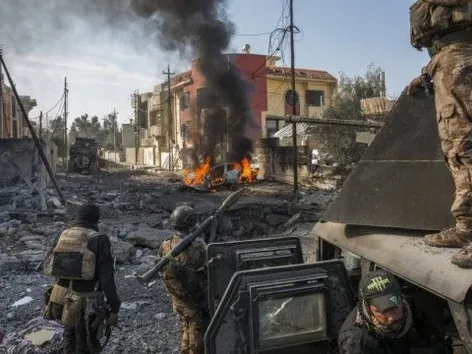
Iran's missile attack on 11 countries: over 460 missiles and 350 drones in two days
The Middle East is experiencing the most significant military escalation in recent years. Iran has launched massive strikes against countries in the region, resulting in deaths and injuries among the civilian population in several countries. Learn more about the scale of Iran's attacks and the consequences for the affected countries
02 Mar. 2026
More details3 min
Popular
Oil prices have risen sharply following the escalation of the conflict over Iran, and markets are already pricing in the risk of a large-scale confrontation in the Middle East. Will the situation be limited to a short-term shock, or is the world entering a deeper geopolitical crisis? Learn more about possible scenarios and their global implications
02 Mar. 2026
More details3 min
Popular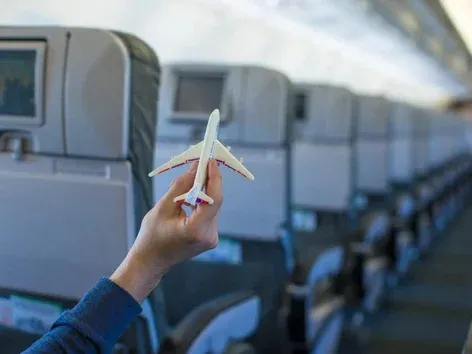
Aviation crisis over Iran: canceled flights, closed skies, and consequences for passengers worldwide
The conflict surrounding Iran has caused the most significant crisis in global aviation since the Covid-19 pandemic. Eight Middle Eastern countries have restricted their airspace, thousands of flights have been canceled, and airlines around the world are changing routes and incurring huge financial losses. Learn more about which carriers have been hit hardest, what is happening with fuel prices, and how to protect yourself while traveling
03 Mar. 2026
More details3 min
Popular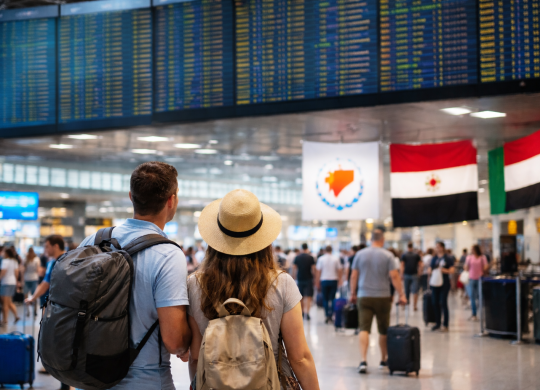
Is it safe to travel to Cyprus, Egypt and the Middle East now: what tourists know
Amid the escalating situation in the Middle East, travelers are increasingly asking whether it is safe to plan trips to popular tourist destinations in the region. In particular, we are talking about Cyprus, Egypt and a number of Middle Eastern countries where some events have already affected the operation of airports and flights. Learn more about the current travel advisory and the travel situation in the region
04 Mar. 2026
More detailsAll materials and articles are owned by VisitWorld.Today and are protected by international intellectual property regulations. When using materials, approval from VisitWorld.Today is required.