

Best Blue Flag beaches in 2026: top beach destinations for a summer vacation
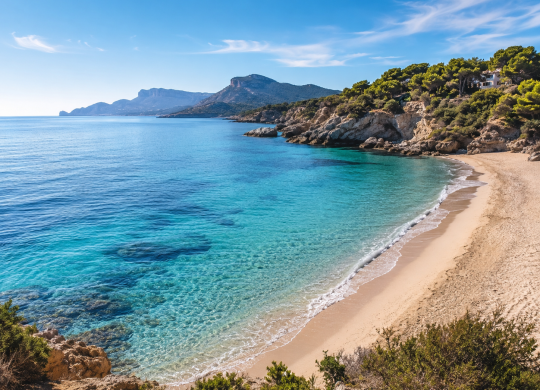
Blue Flag beaches are considered among the cleanest and safest in the world. In 2026, an international jury once again selected hundreds of locations that meet the highest standards for water quality, environmental protection, and tourism infrastructure. Learn more about the best Blue Flag beaches to add to your travel list this summer

When choosing a summer vacation destination, tourists are increasingly looking beyond just beautiful scenery or a resort’s popularity. Water quality, beach safety, environmental standards, and the quality of infrastructure have become key criteria. That is why the international Blue Flag certification has remained one of the main benchmarks for travelers for many years.
In 2026, Spain once again took the lead in the number of Blue Flags. The country received 677 awards for its beaches, as well as awards for marinas and tourist boats. In total, Spain has 794 Blue Flags—the highest number in the world. The top three also included Greece and Turkey.
In this article, we explain what the Blue Flag means, which countries topped the rankings, and which beaches are worth visiting first in 2026.
Are you planning a trip to Europe by car?
In many countries, highways are tolled and require an electronic road vignette. This is a digital permit that confirms payment for the use of toll roads and is checked automatically by the license plate number - without stickers and paper receipts. Making a vignette online before you travel will help you avoid fines, travel delays, and unpleasant situations during inspections.

What does “Blue Flag” mean, and who awards this status?
“Blue Flag” is one of the most renowned international environmental awards for beaches, marinas, and tourist vessels. The award is granted only to locations that meet strict standards for water quality, safety, environmental management, and tourist infrastructure.
The program operates in dozens of countries worldwide and is considered a kind of seal of quality for tourists. If a beach has a Blue Flag, it means that the water is regularly tested, the area is kept clean, and visitors have access to basic services and safe swimming conditions.
Key evaluation criteria include:
- High-quality seawater or freshwater;
- Beach cleanliness and proper waste management;
- Presence of lifeguards and safety equipment;
- Access to drinking water, restrooms, and infrastructure;
- Environmental education and protection of natural areas;
- Accessibility for people with disabilities.
The decision to award the status is made by an international jury of experts. It includes representatives from the United Nations Environment Programme (UNEP), UNESCO, the European Environment Agency, and other organizations involved in sustainable development and tourism.
For tourists, the Blue Flag has become one of the most reliable indicators that a beach truly meets international standards of quality and comfort.
In our previous article, we discussed the world’s most popular tourist attractions in 2026 according to TripAdvisor.
Which countries led in the number of Blue Flags in 2026?
In 2026, Spain once again became the undisputed leader of the Blue Flag program. An international jury awarded the country 677 Blue Flags for beaches, 111 for marinas, and another six for tourist boats. In total, the country received 794 awards, which is 44 more than the previous year.
It is particularly impressive that Spanish beaches account for about 15% of all Blue Flag beaches worldwide. The regions of Valencia, Andalusia, Galicia, Catalonia, and the Canary Islands received the most awards.
Other global leaders included:
- Greece — 657 Blue Flags
- Turkey — 625
- Italy
- France
- Portugal
Mediterranean countries traditionally dominate the rankings thanks to their large number of resorts, high standards of environmental control, and investments in tourism infrastructure.
At the same time, Blue Flags are not awarded only to coastal areas. In recent years, an increasing number of awards have been given to beaches near lakes, reservoirs, and nature parks. For example, El Encinareco in Spain became the first inland beach in the province of Jaén to receive a Blue Flag without access to the sea.
In our previous article, we wrote about the top 10 European beaches for a summer holiday in 2026.
Top Blue Flag beaches to visit in 2026
Hundreds of beaches appear in the Blue Flag ranking every year, but some locations stand out for their combination of clean water, beautiful scenery, and comfortable amenities. In 2026, tourist favorites include both popular Mediterranean resorts and lesser-known natural beaches.
La Malvarrosa, Valencia, Spain
La Malvarrosa Beach in Valencia is considered one of Spain’s most famous urban beaches. This area was once a marshy landscape, but today it features a wide sandy shoreline, a modern promenade, and well-developed tourist infrastructure.
The beach is popular among surfers, diving enthusiasts, and beach volleyball players. Along the coast, you’ll find seafood restaurants, cafes, and areas for active recreation. Thanks to its clean water and high safety standards, La Malvarrosa consistently ranks among Europe’s best beaches.

El Encinareco, Andalusia, Spain
El Encinareco has become one of the most interesting beaches in the Blue Flag program thanks to its unusual location. It is not on the seashore but near a reservoir in the province of Jaén in southern Spain.
It is a peaceful alternative to the crowded Mediterranean resorts. Tourists are drawn here by the clear water, tranquil atmosphere, and natural landscapes of Andalusia. The beach is particularly popular among families and travelers seeking a vacation away from large crowds.
Learn more about the best European cities for a short budget trip by following the link.
Playa de la Virgen de la Nueva, Madrid, Spain
Another unique Blue Flag beach is located near Madrid on the San Juan Reservoir. It is one of the few official beach areas in central Spain.
The beach is known for its light sand, crystal-clear water, and beautiful mountain scenery. Kayaking, wakeboarding, hiking, and cycling are popular here. Thanks to the abundance of natural shade and clean water, this spot is especially popular among Madrid residents during the summer season.

Elafonisi, Crete, Greece
Elafonisi Beach on the island of Crete regularly ranks among the most beautiful beaches in Europe. Its main feature is the pink hue of the sand and the shallow turquoise water.
The Blue Flag certifies high standards of cleanliness and environmental management on the beach. Despite its popularity among tourists, strict rules for protecting the natural ecosystem are in place here, as the area is part of a nature reserve.
In our previous article, we provided a selection of 3 European paradise islands for the perfect honeymoon.
Oludeniz, Turkey
Oludeniz on the Turkish coast has become one of the symbols of a Mediterranean vacation. The beach is known for its calm blue lagoon, mountains, and crystal-clear water.
The resort is especially popular among paragliding, yachting, and boat tour enthusiasts. Thanks to its well-developed infrastructure and regular environmental monitoring, Oludeniz has held Blue Flag status for many years.

Why are tourists increasingly choosing Blue Flag beaches?
In recent years, tourists have been paying more and more attention not only to the cost of a vacation or the resort’s popularity, but also to the quality of the environment. That is why Blue Flag beaches have become one of the main criteria for choosing a summer vacation.
For many travelers, the Blue Flag is a guarantee that the beach is regularly inspected for compliance with international standards. This applies not only to water quality but also to overall safety and comfort.
Most often, tourists choose such beaches because of:
- Clear water safe for swimming;
- A clean area free of excessive litter;
- The presence of lifeguards and first-aid stations;
- Modern infrastructure;
- Comfort for families with children;
- Compliance with environmental standards;
- Convenient access to the beach and tourist services.
Another reason for the Blue Flag’s popularity is the growing interest in eco-tourism. More and more travelers are seeking out destinations that care for nature, regulate coastal development, and invest in the protection of marine ecosystems.
For many resorts, obtaining the Blue Flag has also become an important tourism tool. Having this international environmental certification helps cities and regions attract more tourists and build trust in the local infrastructure.
Are you traveling abroad with your own car or a rented car?
Before traveling, it is important to check whether a road vignette is required for toll roads in the countries of your route. Failure to have a valid vignette can result in fines and automatic camera recordings of violations. Getting an electronic vignette from Visit World is an easy way to travel more relaxed, without unnecessary expenses and surprises on the road!
We remind you! Traveling through Europe in 2026 does not have to be expensive, even despite the general rise in prices. Analysts have compiled a rating of the most affordable destinations where you can combine relaxation, experiences, and moderate expenses. Follow the link to learn about budget locations in Europe that are worth considering for your 2026 vacation.
Products from Visit World for a comfortable trip:
Travel guide for 200 countries;
Legal advice from a local specialist on visa and migration issues;
Travel insurance around the world (please select the country of interest and citizenship to receive services);
Medical insurance all over the world.
We monitor the accuracy and relevance of our information, so if you notice any errors or inconsistencies, please contact our hotline.
Frequantly
asked questions
What does a Blue Flag on a beach mean?
Which country received the most Blue Flags in 2026?
Are there Blue Flag beaches that aren’t by the sea?
Does the Blue Flag guarantee clean water?
Which European countries have the most Blue Flag beaches?
Recommended articles
3 min
Travels
Cheap Maldives Alternatives: 10 Budget Paradise Destinations with Stunning Beaches
The Maldives remain a symbol of the perfect vacation, but accommodation and transfer costs often exceed the budget of most travelers. At the same time, there are dozens of destinations around the world with the same turquoise waters, white sands, and tropical paradise vibe—but at a much lower cost. Learn more about 10 budget-friendly alternatives to the Maldives that will surprise even seasoned travelers
03 May. 2026
More details3 min
Travels
Europe's Best Beaches in 2026: Top 10 Summer Vacation Destinations
Greek coves, Spain’s hidden beaches, Ireland’s wild coastlines, and Croatia’s famous spots—in 2026, European beaches once again made the list of the world’s best. Experts evaluated water quality, natural landscapes, crowd levels, and the overall vacation atmosphere. Find out which European beaches made the Top 10 and what makes them particularly appealing to tourists
09 May. 2026
More details3 min
Travels
Where to go in Croatia in 2026: 5 places without crowds of tourists
Most tourists in Croatia choose Dubrovnik, Split, or Hvar, but these cities are often overcrowded during peak season. At the same time, the country has dozens of less popular destinations with beautiful beaches, historic architecture, and the authentic atmosphere of the Adriatic—without the huge crowds and noise. Learn more about 5 places in Croatia where you can relax more peacefully and see the country from a different perspective
07 Jun. 2026
More details3 min
Travels
Italy is not just the crowded resorts of the Amalfi Coast or the expensive Capri. The country still has islands where you can experience a genuine Mediterranean atmosphere, tranquil coves, fishing villages and a traditional way of life, free from mass tourism. Find out more about 5 authentic Italian islands worth visiting in 2026
17 May. 2026
More detailsAll materials and articles are owned by VisitWorld.Today and are protected by international intellectual property regulations. When using materials, approval from VisitWorld.Today is required.