

The 10 Most Beautiful Places in the Balkans: Where to Go on Vacation
The Balkans have much more to offer than just a typical beach vacation. In this region, it’s easy to combine the Adriatic and Ionian coasts, Alpine lakes, national parks, ancient cities, and UNESCO sites. Find out which 10 places travel experts recommend visiting first

The Balkans remain one of Europe’s most diverse tourist regions: in a single trip, you can see the medieval cities of Croatia, the Albanian coast, the mountain landscapes of Montenegro, the lakes of Slovenia, and the Ottoman architecture of Bosnia and Herzegovina.
The British travel company eShores has compiled a list of the 10 best vacation spots in the Balkans, categorized by travel style. The list includes both popular beach destinations and locations for cultural, nature, and adventure tourism.
In our previous article, we wrote about 5 European countries that tourists are hardly visiting in 2026.
Discovering a new country for yourself without the help of travel agents or intermediaries is very simple. All you need is a checklist or a “Travel Guide” from Visit World – a step-by-step guide with all the key information for your trip.
The guide contains information on visa requirements, visa-free entry rules, permitted periods of stay and a list of required documents.
After completing the form, the guide will be sent to your email in PDF format in just a few minutes.
Choose a country and get your travel guide today.

Top 10 Best Vacation Destinations in the Balkans
The eShores selection features several different types of vacations: from the Adriatic coast and islands to mountain lakes, national parks, and historic cities. This allows travelers to choose a destination not only for a beach vacation but also for an active or cultural trip.
1. Dubrovnik, Croatia. One of the most famous cities on the Adriatic, Dubrovnik attracts visitors with its well-preserved Old Town, medieval walls, and views from Mount Srđ. A vacation here can easily be combined with beach time, boat trips, and excursions to neighboring islands.
2. The Dalmatian Islands, Croatia. Hvar, Brač, and Korčula are ideal for those who want to combine the sea, small historic towns, coves, and a leisurely island getaway. Ferry services operate between the main tourist centers along the coast, so you can include several islands in a single trip.
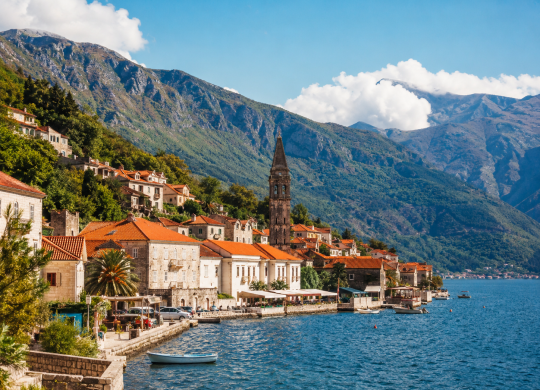
3. Bay of Kotor, Montenegro. Here, the mountains rise almost directly to the Adriatic Sea, and Kotor, Perast, and other small towns are scattered along the coast. Popular activities include strolling through Kotor’s Old Town, hiking to scenic overlooks, and taking boat tours of the bay.
4. Lake Bled and the Julian Alps, Slovenia. This destination is worth visiting for its mountain scenery, hiking trails, and one of the country’s most famous Alpine lakes. Bled is a great base for a peaceful getaway in nature and for exploring Slovenia’s mountainous regions.
5. The Albanian Riviera, Albania. The southern coast is known for the crystal-clear Ionian Sea, its bays, and the resorts around Saranda and Himara. This is one of Albania’s top beach destinations, which can be combined with trips to the country’s historic cities.
6. Split, Croatia. The city center developed around the palace of the Roman Emperor Diocletian, and the historic neighborhoods open directly onto the Riva promenade. Split is also a convenient starting point for trips to the islands or to Dalmatia’s natural attractions.
7. Berat and Gjirokaster, Albania. These two historic cities are distinguished by their traditional architecture, cobblestone streets, and well-preserved buildings. They are particularly interesting for travelers who want to see Albania beyond its seaside resorts.
8. Mostar, Bosnia and Herzegovina. The city’s main landmark is the Old Bridge over the Neretva River, around which the historic center with its distinctive Ottoman heritage has been preserved. Mostar is often included in itineraries alongside Dubrovnik and Split.
9. Plitvice Lakes, Croatia. The national park is famous for its cascade of lakes, waterfalls, and trails through forested landscapes. It’s one of the best options in Croatia for those who want to swap the coast for nature—even if just for a day.
10. Ohrid, North Macedonia. This city on the shores of Lake Ohrid combines a lakeside getaway with historic architecture and numerous churches. It can be included as a separate stop on a longer Balkan itinerary.
In our previous article, we wrote about the TOP 5 uncrowded Mediterranean resorts where you can relax without lines or noise.
The Balkans for a Beach Vacation: Where to Go to the Sea
Croatia, Montenegro, and Albania are the best choices for a classic beach vacation. They differ in atmosphere and budget, so you should choose your destination based on the nature of your trip.
- The Albanian Riviera is a good option for those looking for the Ionian Sea, picturesque coves, and resorts like Saranda and Himara.
- The Dalmatian Islands are ideal for a more relaxed vacation, with the opportunity to travel between Hvar, Brač, Korčula, and other islands.
- Split and Dubrovnik let you combine a beach vacation with strolls through historic centers and boat tours.
- The Bay of Kotor will appeal more to those who want to see not only the sea but also striking mountain landscapes.
In July and August, the region’s popular resorts are at their busiest, so for a more comfortable trip, you should also consider June and September. During this period, the sea remains suitable for swimming, and there are usually fewer tourists.
Learn more about the 10 safest islands in the world in 2026 by following the link.
Where to go for nature and mountain scenery?
For a getaway away from the major resorts, the Balkans offer several outstanding natural destinations. The most striking among them are Slovenia, the inland regions of Croatia, and the mountainous part of Montenegro.
Lake Bled and the Julian Alps are ideal for hiking, biking, and a peaceful getaway by the water. At the same time, Bled serves as a convenient base for trips to the mountains and other natural attractions in Slovenia.
Plitvice Lakes are known for their system of lakes and waterfalls, connected by wooden walkways and trails. This is one of Croatia’s most popular natural attractions and a great option for a day trip between Zagreb and the Adriatic coast.
In the Bay of Kotor, the main attraction is the combination of the sea and the mountains. Here, you can alternate between walks along the coast and hikes to lookout points, as well as short trails in the surrounding mountainous areas.
Learn more about the TOP 10 budget-friendly alternatives to the Maldives that will surprise even seasoned travelersby following the link.
The Best Places in the Balkans for History and Atmosphere
The Balkans are particularly fascinating because Roman, Byzantine, Ottoman, and medieval European heritages coexist side by side here. For a cultural journey, it’s worth paying attention to cities where historic districts have been preserved not merely as tourist backdrops but remain an integral part of modern urban life.
Dubrovnik attracts visitors with its fortified Old Town, city walls, and architecture spanning various historical periods. Mostar is known for the Old Bridge over the Neretva River and its Ottoman-era architecture, while Ohrid is renowned for its ancient churches and historic center by the lake.
In Albania, Berat and Gjirokastër stand out in particular. Both cities are listed as UNESCO World Heritage Sites and are known for their well-preserved traditional architecture. They are a great addition to a beach-hopping itinerary through the country if you want to see more than just the coast.
In our previous article, we discussed where to go in the summer without the heat: 4 cool European destinations.
When is the best time to visit the Balkans?
The best time to travel depends on the type of vacation you’re planning. For beach vacations, July and August remain the peak season, but that’s also when the popular resorts in Croatia, Montenegro, and Albania are at their busiest, and accommodation prices are typically higher.
For a more balanced trip, consider May–June and September. During this period, it’s more comfortable to stroll through historic cities, visit national parks, and head into the mountains, while the coast is already—or still—warm enough for a beach vacation.
Late spring and early fall are also better suited for Dubrovnik, Mostar, Berat, Gjirokaster, and Ohrid, where the heat at the height of summer can make long walks difficult. For the Julian Alps and Plitvice Lakes, the optimal time depends on specific itineraries, but the warmer months offer the most opportunities for active recreation.
Are you planning a trip and want to prepare without unnecessary stress? Visit World's travel guide contains key tips for travelers: rules of entry and stay, current requirements for tourists, basic safety, transportation and accommodation. Such a guide will help you quickly navigate a new country, avoid common mistakes during your trip, and plan your route taking into account practical nuances that often go unnoticed by tourists.
We remind you! Popular tourist destinations can be a trap. We have already told you which 8 places in the world Fodor’s advises to avoid in 2026 due to overtourism, environmental risks and social tension – and what alternatives to choose instead.
Products from Visit World for a comfortable trip:
Travel guide for 200 countries;
Legal advice from a local specialist on visa and migration issues;
Travel insurance around the world (please select the country of interest and citizenship to receive services);
Medical insurance all over the world.
We monitor the accuracy and relevance of our information, so if you notice any errors or inconsistencies, please contact our hotline
Frequantly
asked questions
Which Balkan countries are best suited for a beach vacation?
Where should you go in the Balkans if you’re not interested in the sea?
When is the best time to travel to the Balkans?
Is it possible to combine several Balkan countries into one trip?
Which place in the Balkans should you choose for your first trip?
Recommended articles
1 min
Travels
Vacation Affordability in Europe 2026: Who Can (and Can't) Afford a Holiday
Millions of Europeans are still putting off their dream holiday due to lack of funds, although the overall situation has improved significantly over the past decade. Find out which countries will lead in terms of holiday affordability in 2026, why the Scandinavian countries are showing an unexpected increase in “holiday poverty” and where travel is still a luxury
13 Aug. 2026
More details2 min
Travels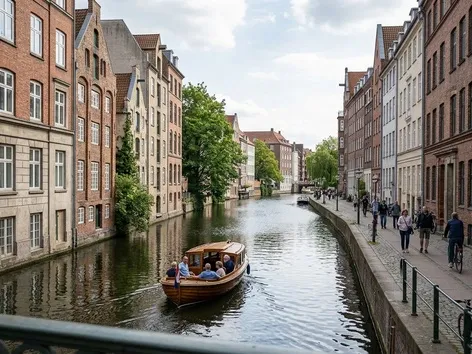
Europe's Canal Cities Without the Crowds: Four Alternatives to Venice and Amsterdam in 2026
Venice and Amsterdam are tightening restrictions on tourists again this season due to persistent crowds on the waterfront. Find out which lesser-visited European canal cities are worth your attention in 2026 - from industrial Hamburg to fairytale Copenhagen
16 Aug. 2026
More details2 min
Travels
Quietest Countries in the World 2026: Go2Africa's Silent Travel Index
Go2Africa has compiled the world's first Silent Nations Index, ranking countries by noise levels and potential for solitude. Find out which destinations topped the list of the quietest and noisiest countries in the world and why the search for silence has become one of the top travel trends of 2026
17 Aug. 2026
More details3 min
Travels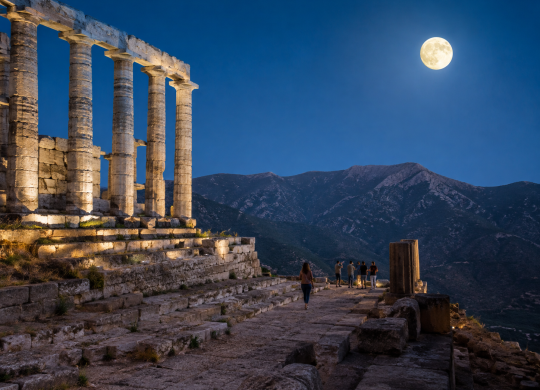
Greece Will Open 126 Tourist Attractions for Free: What to See on August 28
In late August, tourists in Greece will have a rare opportunity to see ancient temples, archaeological sites, and museums after sunset—and for free. On August 28, 2026, 126 historic sites across the country will open to the public to celebrate the August full moon, and many locations will host concerts, guided tours, and cultural events. Here’s where to go and what you need to know before your visit
18 Aug. 2026
More detailsAll materials and articles are owned by VisitWorld.Today and are protected by international intellectual property regulations. When using materials, approval from VisitWorld.Today is required.