

Where to Go This Summer to Escape the Heat: 4 Cool Destinations in Europe
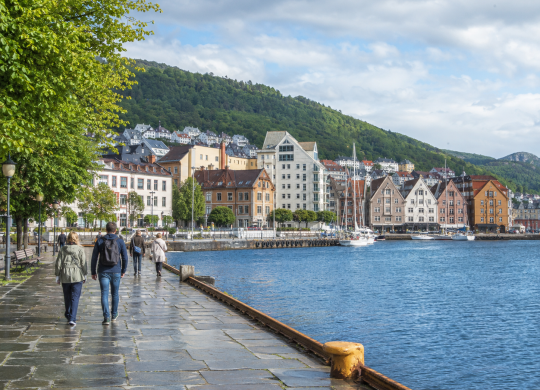
For a summer trip without the Mediterranean heat, consider Northern Europe and the Baltic coast. Here’s what to do in Helsinki, Bergen, Tallinn, and Gdańsk, which places to visit, and what kind of weather to expect

In July and August, temperatures in popular cities in Southern Europe often exceed +35°C, making long walks and sightseeing tours difficult. Milder conditions are usually found near the Baltic and North Seas, where sea breezes keep the heat at bay and evenings remain cool.
Helsinki is ideal for island getaways and experiencing Finnish sauna culture. Bergen combines historic architecture, hiking trails, and trips to the fjords. In Tallinn, a stroll along the waterfront complements the medieval city center, while Gdańsk can be combined with visits to the beaches of Sopot and Gdynia. However, even in northern cities, short heat waves are possible, so it’s worth checking the current forecast before your trip.
Are you planning a trip to Europe by car?
In many countries, highways are tolled and require an electronic road vignette. This is a digital permit that confirms payment for the use of toll roads and is checked automatically by the license plate number - without stickers and paper receipts. Making a vignette online before you travel will help you avoid fines, travel delays, and unpleasant situations during inspections.

Helsinki, Finland: coastal islands, saunas, and long, light evenings
Helsinki is located on the coast of the Gulf of Finland and is surrounded by an archipelago of hundreds of islands. The sea breeze often tempers the summer weather, but you can’t completely rule out heat: according to the Finnish Meteorological Institute, the all-time high temperature in Helsinki is +31.6°C.
You can start exploring the city at Senate Square, the Cathedral, and the waterfront near Kauppatori. The market sells fish, berries, vegetables, and ready-to-eat dishes, including pan-fried salmon with potatoes. Nearby is Esplanadi Park, and about a 15-minute walk away is the Design District, with Finnish design shops, galleries, and small cafés.
Suomenlinna and the Helsinki Islands
One of the top summer destinations is the Suomenlinna sea fortress, a UNESCO World Heritage Site. The six connected islands feature well-preserved fortifications, tunnels, bastions, and 18th-century buildings. You can explore the grounds for free, but there is a separate admission fee for the museums.
The public ferry to Suomenlinna departs from Kauppatori and operates year-round. A standard HSL ticket for zones AB is valid for the trip and can also be used on the metro, trams, and buses. Ferries can get crowded in the summer, so it’s best to go in the morning.
Pihlajasaari, located about a 10-minute boat ride from the mainland, is a great spot for a beach getaway. The island features:
- A sandy beach and rocky shores
- A marked nature trail
- Picnic areas and spots for cooking
- Showers, restrooms, and drinking water
- Seasonal cafes and a restaurant
The ferry to Pihlajasaari runs during the summer season from Merisatama and Ruoholahti. Unlike the route to Suomenlinna, it’s operated by a private company, so you’ll need a separate ticket.
Where can you experience a Finnish sauna?
The sauna remains an important part of everyday life in Finland. In Helsinki, you can visit Löyly on the shores of the Baltic Sea: the complex combines traditional saunas, modern wooden architecture, and the opportunity to take a dip in the sea.
Closer to the city center is Allas Sea Pool, which features saunas, a seawater pool, and a heated pool. Both complexes charge an admission fee and are popular with tourists, so it’s best to book your session in advance. If your main goal is a peaceful stroll and a swim, a trip to Pihlajasaari may be cheaper and less crowded.
Learn more about the best European cities for a short budget trip by following the link.
Bergen, Norway: fjords, Bryggen, and trails overlooking the city
Bergen is located on Norway’s west coast between the sea and seven mountains. Summers here are usually cooler than in continental Europe, but the weather often changes throughout the day. Sunshine can quickly give way to rain and wind, so a waterproof jacket and closed-toe shoes are necessary even when the forecast is favorable.
The city’s main historic site is Bryggen, the former trading quarter of the Hanseatic League. About 60 wooden buildings have been preserved along the old harbor, and the district itself is a UNESCO World Heritage Site. It’s worth walking not only along the waterfront but also through the narrow wooden passageways between the buildings, where you’ll find workshops, galleries, and small shops.
Nearby is the Fisketorget fish market. It’s a great place to sample local products, but prices are geared primarily toward tourists. The traditional creamy fish soup, fiskesuppe, is often cheaper to order at a café a few blocks from the harbor.
Fløyen and Free Hiking Trails Above Bergen
From the city center, you can take the Fløibanen funicular up to Mount Fløyen. The upper station is located at an altitude of approximately 320 meters, offering panoramic views of Bergen, the harbor, and the surrounding islands.
Trails of varying difficulty begin at the observation deck. For an easy walk, take the trail to Lake Skomakerdiket, where you’ll find places to rest and have a picnic. A longer route leads to Mount Rundemanen. There’s no charge to access the trails.
You can save money on the funicular by hiking up to Fløyen from the city center. Depending on your pace, the hike takes about 45–60 minutes. You can also walk down, purchasing a one-way ticket.
For more experienced hikers, Ulriken—at 643 meters, the highest of Bergen’s seven mountains—is a good choice. A cable car leads to the summit, but hiking trails are also available. The hike between Ulriken and Fløyen across the mountain plateau takes several hours and requires appropriate footwear, a supply of water, and stable weather.
How to see the fjords from Bergen?
If you’re short on time, you can opt for a short walk through Osterfjord to Mostraumen. A full-day trip to Nærøyfjord, Flåm, and Gudvangen usually takes a whole day and involves several modes of transportation.
Before purchasing a packaged tour, it’s worth checking train, bus, and ferry prices separately through Entur. Booking on your own is sometimes cheaper, although it requires advance planning during peak season.
If you’re on a tight budget, you can still enjoy views of the water, islands, and mountains without taking a cruise—from Fløyen, Ulriken, or while riding a regular public ferry in the region.
In our previous article, we provided a selection of 3 European paradise islands for the perfect honeymoon.
Tallinn, Estonia: a medieval city and the Baltic coast
Tallinn is compact, so most of the central areas can be explored on foot. Summer days here are long, and the proximity of the Baltic Sea usually moderates the temperature. However, in July and August, you can expect both warm, sunny spells and cool, rainy days.
Tallinn’s historic center is a UNESCO World Heritage Site. About 1.9 km of city walls and 20 defensive towers have survived to this day.
Among the main attractions are:
- Town Hall Square and Northern Europe’s only fully preserved Gothic town hall
- The Town Hall Pharmacy, which has been in operation since 1422
- Alexander Nevsky Cathedral
- St. Catherine’s Alley
- The Kohtuotsa and Patkuli observation decks on Toompea Hill
- The towers and underground passages of the Kiek in de Kök Museum
In the summer, cruise ships call at Tallinn, so the Old Town can be crowded with tour groups during the day. It’s best to explore the historic center in the morning or after the ships have departed, later in the evening.
Telliskivi and Kalamaja Instead of the Tourist Center
You can spend the daytime hours in the former industrial district of Telliskivi Creative City. The repurposed buildings house design shops, cafes, galleries, creative studios, and Fotografiska Tallinn. The area also features street art and regularly hosts cultural events.
Nearby is Kalamaja—a neighborhood with colorful wooden houses built mainly in the late 19th and early 20th centuries. From here, you can walk to Lennusadam, where the Maritime Museum is housed in historic hangars.
Another peaceful route leads to Kadriorg Park. Here you’ll find a Baroque palace, the Kumu Art Museum, the Japanese Garden, and tree-lined paths where it’s easier to escape the sun or the city’s hustle and bustle.
Where to relax by the sea?
The Pirita Promenade is perfect for walks along the Baltic Sea. It leads to a wide sandy beach about 6 km from the city center. Nearby are a yacht marina and the ruins of St. Brigitta’s Monastery.
Water temperature depends on the wind and currents and can remain cool even in summer. Before swimming, it’s a good idea to check the latest information on water conditions and the state of the beach. You can get to Pirita by city bus, and the route along the sea is also suitable for cycling.
If you plan to visit several paid museums and take many trips, you might want to consider the Tallinn Card. It includes public transportation and admission to over 50 attractions, but for those who mainly walk, a separate card may not be cost-effective.
Earlier, we wrote about the best beach destinations in Europe to visit as early as late spring.
Gdańsk, Poland: historic architecture, the Motława River, and the beaches of the Tri-City
Gdańsk is located on the Baltic Sea coast, so the summer weather here is usually milder than in Warsaw, Kraków, or cities in Southern Europe. The sea breeze makes walks more comfortable, although hot days are also possible in July and August. You’ll need a light jacket for evenings by the water.
The historic part of Gdańsk was heavily damaged during World War II, but after the war, the main streets and buildings were carefully restored. The main route runs through the Long Market, where the Town Hall, the Neptune Fountain, and Artus Court are located.
From the Long Market, it’s worth walking to the Motława River embankment and the historic Żuraw port crane. Another important location is Mariacka Street, known for its stone arcades, narrow cobblestone streets, and shops selling amber jewelry. For a long time, Gdańsk was one of the main centers for the processing and trade of Baltic amber.
To learn about the city’s recent history, visit the European Solidarity Center near the former Gdańsk Shipyard. The exhibition is dedicated to the “Solidarity” movement, workers’ strikes, and political changes in Central and Eastern Europe.
Brzeźno and Jelitkowo Beaches
You don’t have to leave Gdańsk to relax by the sea. The city’s most popular beach, Brzeźno, features a sandy shore and a pier approximately 140 meters long. There are cafes, changing rooms, and restrooms nearby, and the area is accessible by public transportation.
Jelitkowo Beach is located closer to Sopot. Nearby, you’ll find a tram terminal, buses, sports equipment rentals, and coastal paths. Brzeźno, Jelitkowo, and Sopot are connected by a walking and cycling route along the coast.
The water in the Baltic Sea remains cool even in summer. Before swimming, be sure to check the temperature, water quality, and information about possible cyanobacterial blooms.
In our previous article, we talked about 5 underrated European cities that can truly surprise you.
How to get to Sopot and Gdynia?
Gdańsk, together with Sopot and Gdynia, forms the Tri-City metropolitan area. SKM commuter trains run regularly between the cities. The trip from Gdańsk Główny Station to Sopot takes about 20 minutes, and to the center of Gdynia—about 30 minutes.
Sopot features a wide sandy beach, the Bohaterów Monte Cassino pedestrian street, and Europe’s longest wooden pier. It is 511.5 meters long. During peak season, there is an admission fee to access the pier, and it can get crowded at the entrance and on the main beach.
Gdynia is ideal for strolling through the port and along the waterfront, visiting museum ships, and taking a trip to Orłowski Cliff. Thanks to the SKM, you can combine all three cities into a single trip without renting a car.
Are you traveling abroad with your own car or a rented car?
Before traveling, it is important to check whether a road vignette is required for toll roads in the countries of your route. Failure to have a valid vignette can result in fines and automatic camera recordings of violations. Getting an electronic vignette from Visit World is an easy way to travel more relaxed, without unnecessary expenses and surprises on the road!
We remind you! Traveling through Europe in 2026 does not have to be expensive, even despite the general rise in prices. Analysts have compiled a rating of the most affordable destinations where you can combine relaxation, experiences, and moderate expenses. Follow the link to learn about budget locations in Europe that are worth considering for your 2026 vacation.
Products from Visit World for a comfortable trip:
Travel guide for 200 countries;
Legal advice from a local specialist on visa and migration issues;
Travel insurance around the world (please select the country of interest and citizenship to receive services);
Medical insurance all over the world.
We monitor the accuracy and relevance of our information, so if you notice any errors or inconsistencies, please contact our hotline.
Frequantly
asked questions
Which of the four cities is the coolest in the summer?
Where’s the best place to combine sightseeing with a beach vacation?
Which destination is best for traveling without a car?
Where will there be the fewest tourists?
Is cool weather guaranteed in these cities?
Recommended articles
2 min
Travels
Top 10 Safest Islands in the World for 2026: A Guide to Stress-Free Travel
Aruba, Cayman Islands and Malta lead the new ranking of the safest travel destinations. Find out which other islands made the top 10 safest in 2026 and why you should pay attention to them
23 Jul. 2026
More details3 min
Travels
Ireland's Best Tourist Attractions: The Top 20 Attractions According to Travelers
The latest ranking of Ireland’s tourist attractions has revealed some surprising results—the legendary Guinness Storehouse and Blarney Castle fell well outside the top 20. The top spots went to atmospheric museums, distilleries, and natural sites that offer a true immersion into the culture of the Emerald Isle. Learn more about Ireland’s top 20 highest-rated attractions and the criteria used to compile the ranking
25 Jul. 2026
More details3 min
Travels
Where to Go in Slovakia This Summer: Itineraries to Castles, Caves, and Hot Springs
Slovakia lets you explore medieval castles, hike along mountain waterfalls, and relax in a natural thermal pool—all in a single trip. Learn more about the country’s most interesting summer destinations, perfect for day trips and a peaceful getaway far from the busiest resorts
26 Jul. 2026
More details3 min
Travels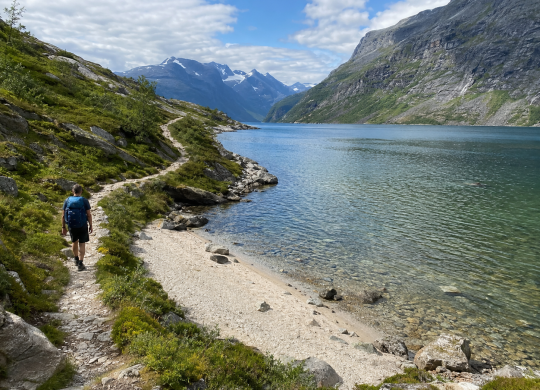
Summer Vacation in Norway on a Budget: The Best Free Spots
Norway is considered one of the most expensive tourist destinations in Europe, but many of its natural attractions are free to visit. Here’s where to go swimming, which hiking trails to explore, how to see the fjords, and how to save money on your summer trip
01 Aug. 2026
More detailsAll materials and articles are owned by VisitWorld.Today and are protected by international intellectual property regulations. When using materials, approval from VisitWorld.Today is required.