

Houthi Missile Attacks on Saudi Arabia: Jeddah, Mecca and Regions at Risk
Table of contents
- Why are the Houthis attacking Saudi Arabia now?
- What happened in Riyadh between 8 and 12 November 2026?
- Why is the Jeddah–Mecca corridor considered high risk?
- How threatened are Dammam and the Eastern Province oil hubs?
- Why are Khamis Mushait and Abha vulnerable to retaliation?
- Why do Najran and Jizan face continuous cross-border danger?
- What does the Houthi escalation mean for travellers to Saudi Arabia?
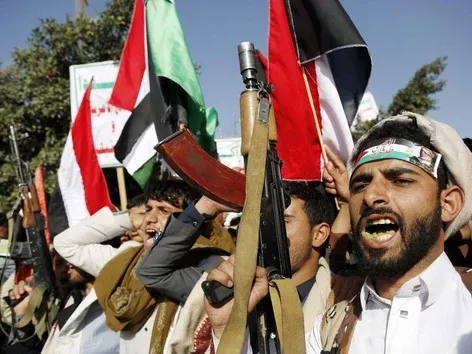
Between 8 and 12 November 2026, Yemen's Houthi militia fired missiles and drones at Riyadh, Jeddah, the Eastern Province and southern Saudi cities. Learn more about the regions at highest risk, the airports affected and where travellers can follow official alerts

Yemen's Houthi militia has launched a sustained wave of ballistic missile, cruise missile and drone attacks across Saudi Arabia, targeting the financial district of Riyadh, international airports and energy infrastructure. According to Travel And Tour World, Saudi air defences have intercepted most of the projectiles, but falling debris has already damaged buildings and landed in villages, and officials have warned residents to seek shelter.
The escalation matters to anyone travelling to or through the kingdom in November 2026: the Jeddah–Mecca corridor, the oil hubs of Dammam and Ras Tanura, Khamis Mushait and Abha, and the border provinces of Najran and Jizan are now named as the areas facing the highest risk of further strikes.
Is a trip to Saudi Arabia still on your calendar this month?
When airports close at short notice and flights are rerouted, an unplanned medical bill or a lost connection can quickly upset a trip. Travel insurance from Visit World helps with medical expenses, flight delays and lost luggage abroad — check the policy terms for your destination before you buy. Get your policy online before departure.

Why are the Houthis attacking Saudi Arabia now?
The attacks are part of a cycle of military retaliation between the Iran-backed Houthi forces and the Saudi-led coalition. Houthi officials say the coalition carried out 93 airstrikes across six provinces of northern Yemen within a single 24-hour period, after which the militia extended its aerial offensive deep into Saudi territory.
According to the source, coalition forces shot down nine missiles and drones over Makkah, Dammam and southern areas. Debris from the interceptions was found in the village of Sabuhah, showing that even a missile destroyed in the air remains a danger on the ground. Oil ports, airports and border towns are considered at risk, and Gulf states are preparing for a longer conflict.
About Iran's missile attack on 11 countries earlier in 2026 — read more at the link.
What happened in Riyadh between 8 and 12 November 2026?
Between 8 and 12 November 2026, Houthi forces fired long-range ballistic missiles, cruise missiles and armed drones at the Saudi capital. Air defence batteries destroyed the incoming threats over Riyadh, but falling shrapnel damaged an administrative tower of the state oil company Saudi Aramco in the King Abdullah Financial District.
Houthi military spokesmen also claimed new operations against King Khalid International Airport, the main air gateway of Riyadh. The claims led to emergency civil defence shelter alerts across the city.
Why is the Jeddah–Mecca corridor considered high risk?
Jeddah is the commercial gateway of Saudi Arabia on the Red Sea, and its densely populated coastline lies well within the range of Houthi launch sites in northern Yemen. The city hosts several sites the source describes as vulnerable:
- Saudi Aramco fuel distribution terminals;
- coastal desalination plants;
- King Abdulaziz International Airport.
On 11 November, coalition batteries intercepted two ballistic missiles and an armed drone near the Mecca–Jeddah corridor. Debris from these interceptions fell in nearby villages.
According to Travel And Tour World, any lasting disruption at the maritime terminals or air corridors of Jeddah would hold up essential imports and commercial travel across the western provinces of the kingdom. For pilgrims, Jeddah is also the main arrival point on the way to Mecca.
About the dates and rules of the 2026–2027 Umrah season — read more at the link.
Visit World services for tourists, migrants, and expats: Insurance | Guides | Legal advice
How threatened are Dammam and the Eastern Province oil hubs?
The Eastern Province is the centre of Saudi oil production, which puts Dammam and the Ras Tanura export complex on the Houthi target list. The militia has already claimed strikes on Aramco processing facilities in Abqaiq and on pumping stations along the East-West pipeline, signalling an intent to cut Saudi crude production and exports.
On 12 November, coalition air defences intercepted a drone over the Eastern Province, the third consecutive day of high-alert operations along the Persian Gulf coast. Ras Tanura is the largest offshore oil-loading facility in the world, so even minor shrapnel damage or a temporary closure of the terminal can move international energy prices.
Aviation authorities and maritime operators in the region remain on heightened alert around the airspace and shipping lanes of Dammam.
Anup Kumar Keshan, founder and editor-in-chief of Travel And Tour World, called the escalation across the Jeddah–Mecca corridor, Dammam and the southern border towns a dangerous turning point. In his assessment, Saudi air defences continue to show high interception rates, but falling debris remains a serious threat to cities and energy infrastructure, and authorities need to stay on maximum alert to protect civilians.
Why are Khamis Mushait and Abha vulnerable to retaliation?
Khamis Mushait and neighbouring Abha lie in the mountainous Asir region, roughly one hundred miles north of the Yemeni border. Khamis Mushait houses King Khalid Air Base, the main launch point for coalition fighter jets striking Houthi positions in Yemen.
Houthi commanders regard these southern airfields as the direct source of the bombing of their territory, so both the military installations and nearby civilian airports are under constant pressure. Shorter-range rockets and low-flying drones from northern Yemen need very little flight time to reach Asir, which leaves Saudi radar and interception crews a short window to react.
Frequent air alerts and the threat of runway closures continue to disrupt regional flights and keep local residents under strain.
Why do Najran and Jizan face continuous cross-border danger?
Najran and Jizan border the Yemeni provinces of Saada and Hajjah and face the most frequent cross-border missile and drone salvos. Their proximity allows Houthi forces to use mobile launchers hidden in mountainous terrain and fire rapid barrages before coalition reconnaissance aircraft can neutralise the sites.
On 6 November, Saudi air defences intercepted two ballistic missiles aimed at Najran. Debris fell on the residential outskirts of the city and triggered emergency civil defence warnings.
Jizan hosts a Red Sea port, power plants and a major refinery complex, all within easy reach of Houthi weapons. As Egypt sends troops to support Saudi border security and Gulf states tighten military coordination, the source describes Najran and Jizan as the most exposed points of the conflict.
What does the Houthi escalation mean for travellers to Saudi Arabia?
Air defences are intercepting most missiles and drones, but the source stresses that falling shrapnel remains a risk for people on the ground, including in the busy port city of Jeddah and around the refineries of the Eastern Province. Travellers already in the country or planning a trip should:
- follow official civil defence updates, emergency alerts and safety advisories from the Saudi General Directorate of Civil Defense;
- monitor announcements of the Ministry of Foreign Affairs of Saudi Arabia;
- seek shelter immediately when civil defence issues an alert;
- check flight status before going to King Khalid International Airport in Riyadh, King Abdulaziz International Airport in Jeddah or airports in the Asir region, where alerts and runway closures disrupt flights;
- take particular care in the areas named as high risk: the Jeddah–Mecca corridor, Dammam and Ras Tanura, Khamis Mushait and Abha, Najran and Jizan.
According to Travel And Tour World, closer coordination between Gulf forces and the troops deployed for protection gives hope that the attacks will stop, but civil defence warnings remain the main guide for anyone in the kingdom.
Flights to Riyadh, Jeddah and the south of Saudi Arabia may be delayed or cancelled while air alerts continue. Take out Travel insurance with Visit World for help with medical costs and travel disruptions abroad, and read what your policy covers in your destination. Buy your policy online today.
We remind you! In our previous article, we wrote about the GCC unified tourist visa and how one permit will open six Gulf countries.
Products from Visit World for a comfortable trip:
Travel guide for 200 countries;
Legal advice from a local specialist on visa and migration issues;
Travel insurance around the world (please select the country of interest and citizenship to receive services);
Medical insurance all over the world.
We monitor the accuracy and relevance of our information, so if you notice any errors or inconsistencies, please contact our hotline.
© 2018-2026, Visit World. Use, copying or reprinting of materials on this site is permitted only with a link (hyperlink for online publications) to Visit World. All rights reserved.
Frequantly
asked questions
Which regions of Saudi Arabia face the highest risk of Houthi attacks?
Were Saudi airports affected by the Houthi missile attacks?
Is falling debris dangerous even when missiles are intercepted over Saudi Arabia?
Where can travellers follow official safety alerts in Saudi Arabia?
Recommended articles
3 min
Popular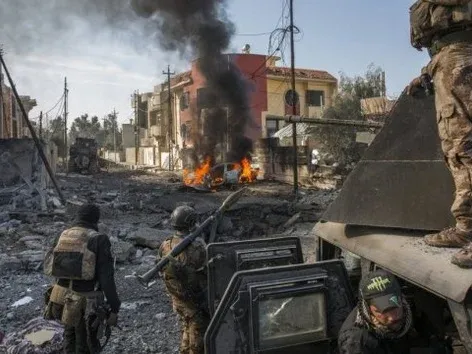
Iran's missile attack on 11 countries: over 460 missiles and 350 drones in two days
The Middle East is experiencing the most significant military escalation in recent years. Iran has launched massive strikes against countries in the region, resulting in deaths and injuries among the civilian population in several countries. Learn more about the scale of Iran's attacks and the consequences for the affected countries
02 Mar. 2026
More details3 min
Popular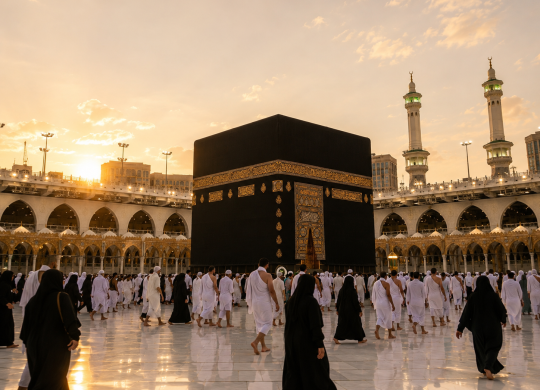
Saudi Arabia Opens the 2026–2027 Umrah Season: New Dates, Rules, and Fines
Saudi Arabia has officially announced the start of the 2026–2027 Umrah season and the resumption of visa issuance starting May 31. At the same time, the country’s authorities are tightening controls over compliance with immigration rules, digital permits, and the stay of pilgrims during Hajj and Umrah. Learn more about the new dates, the Nusuk system, entry rules, and the penalties that may apply for visa violations in 2026
21 May. 2026
More details6 min
Travels
GCC Unified Tourist Visa: How One Permit Will Open Six Gulf Countries
The GCC Unified Tourist Visa is set to let visitors travel across the UAE, Saudi Arabia, Qatar, Oman, Kuwait and Bahrain on a single permit. Learn more about the launch status, the Gulf Tourism Strategy targets, the overstay rules and what travellers should plan for
12 Nov. 2026
More details4 min
Travels
Fodor's No List 2027: 8 Popular Places to Skip and Where to Go Instead
Fodor's has published its No List 2027 with eight overcrowded destinations, from the Albanian Riviera and the Amalfi Coast to Kyoto and Sedona. Learn more about why each place made the list, how to visit them more responsibly and which destinations Fodor's recommends instead
11 Nov. 2026
More detailsAll materials and articles are owned by VisitWorld.Today and are protected by international intellectual property regulations. When using materials, approval from VisitWorld.Today is required.