

Whale Watching Rules in 2026–27: Mexico, Ecuador, Costa Rica and Panama
Table of contents
- What has Mexico announced for the 2026–27 whale-watching season?
- Why do whale-watching rules differ between Mexico, Ecuador, Costa Rica and Panama?
- What are the whale-watching rules in Mexico?
- What are the whale-watching rules in Ecuador?
- What are the whale-watching rules in Costa Rica?
- What are the whale-watching rules in Panama?
- When is the whale-watching season in each country?
- Can tourists swim with whales or dolphins?
- How do the rules affect a whale-watching tour in practice?
- What should travellers check before booking a whale-watching tour?
- Which destination suits whom?
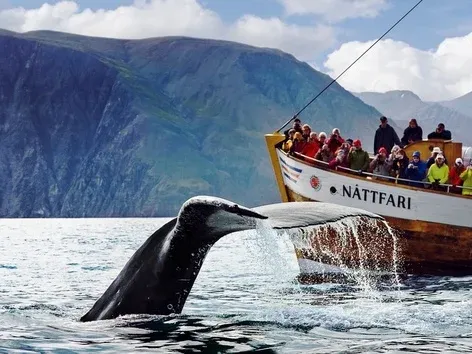
Mexico has published its 2026–27 whale-watching calendar, and its rules differ markedly from those in Ecuador, Costa Rica and Panama. Learn more about the distances, time limits, seasons, permits and penalties travellers should know before booking a boat tour

On 30 October 2026, Mexico's Ministry of Environment and Natural Resources (SEMARNAT) published the official calendar for the 2026–27 whale-watching season. The calendar sets out where authorised observation may take place, which waters are restricted and on which dates boat operators may work. The first observation periods open on 8 December 2026.
The announcement concerns Mexico alone, but it highlights how differently the eastern Pacific countries manage the same activity. According to Travel and Tour World, Mexico, Ecuador, Costa Rica and Panama all protect whales and dolphins during tourist trips, yet their approach distances, boat limits, permits and seasons differ. For travellers planning a wildlife trip, and for agencies selling multi-country itineraries, these differences affect dates, routes and what to expect on board.
Planning a boat trip to see humpback whales off the Pacific coast?
Whale-watching tours take place at sea, often far from the nearest town, and an illness or injury on the trip can be expensive to treat abroad. Travel insurance from Visit World covers medical expenses during your journey, and the policy can be issued online in a few minutes. Get your policy online before you book your whale-watching tour.

What has Mexico announced for the 2026–27 whale-watching season?
According to Mexico's Official Gazette, the 2026–27 calendar lists the locations where authorised whale observation may take place and the zones where it is restricted to protect the animals, including mothers with calves.
The calendar covers destinations in nine Mexican states:
- Baja California;
- Baja California Sur;
- Nayarit;
- Jalisco;
- Sinaloa;
- Sonora;
- Oaxaca;
- Guerrero;
- Michoacán.
The dates are not the same across the country. The first listed observation periods begin on 8 December 2026 in designated areas of Nayarit, Jalisco and Sinaloa, while other destinations open later. The season concentrates on the coming winter and spring.
The dates apply only to the specific areas named in the federal notice. They do not give boats unrestricted access to neighbouring waters.
Why do whale-watching rules differ between Mexico, Ecuador, Costa Rica and Panama?
Each of the four countries regulates whale watching under its own legal framework:
- Mexico — federal notices and environmental standards that set seasons and observation zones;
- Ecuador — dedicated whale- and dolphin-watching regulations of the Ministry of Tourism;
- Costa Rica — a cetacean protection framework tied to operator licensing;
- Panama — a separate national observation protocol of the Ministry of Environment.
The clearest difference is the approach distance. For humpback whales watched from a small boat, the standard minimum in Mexico is 60 metres, while Panama requires 250 metres — 190 metres more. The rules also change depending on the animal, the vessel and the situation during the encounter.
A shorter distance does not automatically make one destination less safe for the animals than another. Minimum distances are only one part of each system, which also covers navigation, animal behaviour, the number of boats and restricted locations.
What are the whale-watching rules in Mexico?
Mexico's whale-watching rules are set by the standard NOM-131-SEMARNAT-2010 together with the seasonal calendar. The Mexican system places particular weight on designated operating seasons and observation zones.
Distances, boat numbers and speed
- The standard minimum distance from a humpback whale for a small vessel is 60 metres.
- No more than four vessels may watch the same whale or group at the same time.
- Other boats waiting their turn must stay at least 240 metres away.
- Vessels must slow down in observation areas, with a limit of 2 knots when entering the observation zone.
- Swimming and diving are prohibited during regulated whale-watching activities.
Restricted waters
The 2026–27 calendar marks restricted waters near Islas Marietas and in parts of Cabo San Lucas. Some of these restrictions protect areas where mothers with calves gather, while others respond to heavy boat traffic.
These limits shape the routes tour boats may take, the places where they may stop to watch whales and the information operators must give passengers before departure.
Inspections
Mexico's environmental enforcement agency, PROFEPA, checks whale-watching boats at sea. During an inspection operation in Bahía de Banderas on 20 February 2026, PROFEPA reported checking 17 vessels.
What are the whale-watching rules in Ecuador?
Ecuador's rules come from Ministerial Agreement 20140004, the Ministry of Tourism's regulatory framework for whale- and dolphin-watching operations. The Ecuadorian system combines distance limits with controls on how many boats leave port.
Distances and time limits
- The minimum distance is 100 metres from whales and 50 metres from dolphins.
- For humpback whale mothers with calves, the distance rises to 200 metres.
- Ordinary observation of a group is limited to 25 minutes.
- Observation of a mother with a calf is limited to 15 minutes.
- No more than three vessels may watch the same group.
- Commercial swimming or diving with cetaceans is prohibited.
Departure limits
Ecuadorian regulations allow no more than three whale-watching boats to leave a port per hour, subject to the environmental authority's technical criteria. As a rule, each vessel may make no more than two trips a day.
Season, destinations and permits
According to Ecuador's official tourism portal, the main humpback whale season runs from June to October. Puerto López, Ayangue and Esmeraldas are among the destinations known for whale watching.
Commercial operators in Ecuador need:
- valid tourism registration;
- qualified guides;
- vessel documentation;
- the relevant operating licences;
- additional environmental authorisations when working inside protected areas.
Galápagos Islands
The Galápagos National Park Directorate runs its own system of tourism permits, authorised itineraries and protected-area controls, and its marine patrols inspect tourism operations and their documents. A permit or itinerary designed for mainland Ecuador therefore does not automatically count as approval for a marine tour in the Galápagos.
What are the whale-watching rules in Costa Rica?
Costa Rica's Executive Decree 32495 sets the requirements for commercial cetacean observation. The Costa Rican system links visitor encounters with permits and vessel requirements.
Distances and time limits
- The ordinary approach distance to a whale is 100 metres.
- When a whale is with its calf, the distance rises to 150 metres.
- During feeding or social activity, the distance rises to 200 metres.
- No more than two vessels may watch the same group at the same time.
- The normal viewing limit is 30 minutes.
- For a solitary animal or a mother with a calf, the limit falls to 15 minutes.
- Commercial swimming or diving with cetaceans is prohibited.
Who licenses the operators
Costa Rica separates licensing for protected and unprotected waters:
- in protected waters, operators need authorisation from the National System of Conservation Areas (SINAC);
- in other marine areas, authorisation comes from the Costa Rican Institute of Fisheries and Aquaculture (INCOPESCA), whose framework includes vessel registration, seaworthiness and other operational requirements.
Season and destinations
Humpback whales reach Costa Rican waters during two separate migration periods, from the north and from the south. For travellers heading to Marino Ballena National Park near Uvita, choosing a licensed operator that complies with protected-area rules is an essential part of a responsible trip.
Visit World services for tourists, migrants, and expats: Insurance | Guides | Legal advice
What are the whale-watching rules in Panama?
Panama's whale-watching framework is based on Resolution DM-0144-2022. Of the four countries compared, Panama sets the widest standard distance between boats and whales.
Distances, time limits and speed
According to the Ministry of Environment's July 2026 guidance:
- vessels must stay at least 250 metres from whales and 100 metres from dolphins;
- observation is limited to 30 minutes;
- when a mother and calf are present, the limit falls to 15 minutes;
- tour boats must not exceed 4 knots in observation areas;
- captains must not chase animals, block their path or surround a group.
Season and destinations
The rules apply in destinations such as the Pearl Islands, Coiba and the Gulf of Chiriquí. The strongest southern migration period in Panama generally runs from July to October.
Shipping speed limit in the Gulf of Panama
The Panama Maritime Authority has issued separate guidance asking vessels in designated shipping areas of the Gulf of Panama to keep to 10 knots between 1 August and 30 November each year. This shipping rule is distinct from the 4-knot limit for whale-watching boats in observation areas.
Penalties and guides
The Ministry of Environment has set penalties of 250 to 6,000 balboas for relevant breaches, with heavier consequences for repeat offenders. Its July 2026 advisory also lists possible administrative penalties such as suspension of a captain's licence and of a vessel's registration.
The Panama Tourism Authority recommends that visitors choose authorised guides.
When is the whale-watching season in each country?
The seasons do not overlap fully, which matters for anyone combining several destinations in one trip:
- Mexico — the 2026–27 calendar concentrates on winter and spring, with the first periods opening on 8 December 2026 in Nayarit, Jalisco and Sinaloa;
- Ecuador — the main coastal humpback season runs from June to October;
- Costa Rica — humpbacks arrive during separate northern and southern migration periods;
- Panama — the strongest southern migration period is generally July to October.
Because of these differences, departure dates, permitted routes and what visitors can expect to see need to be checked separately for each destination.
Can tourists swim with whales or dolphins?
Under the cited regulations of Ecuador and Costa Rica, commercial swimming or diving with cetaceans is prohibited. Mexico's whale-watching standard also prohibits swimming and diving during regulated whale observation.
Travellers who see such activities advertised should treat the offer with caution and check whether it is permitted in that particular place.
How do the rules affect a whale-watching tour in practice?
A boat working under Mexico's 60-metre rule for humpback whales would need to keep a much greater distance in Panama. Ecuador's 25-minute limit for ordinary observation also means a different schedule from the 30-minute periods allowed under normal conditions in Costa Rica and Panama.
As Travel and Tour World notes, operators selling multi-destination wildlife itineraries cannot assume that a tour format accepted in Mexico will meet Panama's conditions. The publication also points out that the comparison does not show that these rules will increase visitor numbers or industry revenue; its main conclusion is that travel companies need rules specific to each destination rather than one standard tour model.
What should travellers check before booking a whale-watching tour?
The points that tour operators are advised to follow also help travellers recognise a responsible operator:
- Permits — ask whether the operator has a tourism licence, vessel authorisation and, where needed, protected-area permission.
- Dates — make sure the trip falls within the official observation period for that specific area.
- Distances — expect the captain to keep the legal minimum distance or more, and do not ask the crew to move closer.
- Mothers and calves — stricter distances and shorter viewing times apply, so a shorter encounter is a sign of a lawful tour, not poor service.
- Number of boats — a crowd of vessels around one group of whales may indicate that limits are not being respected.
- Documents and safety — a licensed operator should be able to show its operating documents and carry safety equipment on board.
In the Galápagos, travellers should confirm that the tour holds the park's own permits and follows an authorised itinerary, as mainland Ecuadorian approvals are not enough there.
Which destination suits whom?
The choice depends mainly on when the traveller can go and what kind of trip they want.
- Mexico suits travellers planning a trip from December through the spring of 2027, with a wide choice of coastal states from Baja California to Oaxaca, provided they check the dates for their specific area.
- Ecuador suits travellers going between June and October who want to combine coastal towns such as Puerto López or Ayangue with a separate Galápagos programme.
- Costa Rica suits travellers who value protected-area tourism, such as Marino Ballena National Park near Uvita, with licensed operators and two migration periods.
- Panama suits travellers visiting between July and October who prefer the widest standard distance from whales, in places such as the Pearl Islands, Coiba and the Gulf of Chiriquí.
Whichever destination is chosen, the official season, the operator's licence and the local rules on distance and viewing time are the three things to confirm before paying for a tour.
A whale-watching trip often includes long flights, boat transfers and days on remote coasts. Take out Travel insurance on Visit World to cover medical expenses during your journey to Mexico, Ecuador, Costa Rica or Panama. Get your policy online before you set off.
We remind you! In our previous article, we wrote about Hurricane Polo, a Category 5 storm that threatened the coast of Mexico in September 2026.
Products from Visit World for a comfortable trip:
Travel guide for 200 countries;
Legal advice from a local specialist on visa and migration issues;
Travel insurance around the world (please select the country of interest and citizenship to receive services);
Medical insurance all over the world.
We monitor the accuracy and relevance of our information, so if you notice any errors or inconsistencies, please contact our hotline.
© 2018-2026, Visit World. Use, copying or reprinting of materials on this site is permitted only with a link (hyperlink for online publications) to Visit World. All rights reserved.
Frequantly
asked questions
When does Mexico's 2026–27 whale-watching season begin?
Which country requires the greatest distance from whales?
How long can a boat watch whales in Ecuador, Costa Rica and Panama?
Can tourists swim with whales or dolphins in Mexico, Ecuador or Costa Rica?
When is the best time for whale watching in Ecuador and Panama?
What are the penalties for breaking whale-watching rules in Panama?
Recommended articles
3 min
Events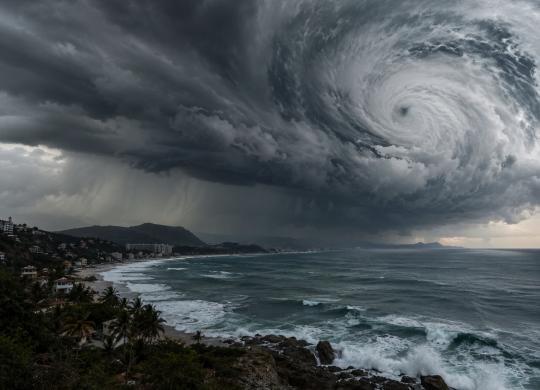
Hurricane Polo 2026: A Category 5 storm threatens the coast of Mexico
Hurricane Polo has intensified to a Category 5 storm and reached wind speeds of up to 285 km/h, becoming one of the most powerful cyclones in the eastern Pacific. The coast of Mexico is at risk of heavy rainfall, flash floods, landslides, and dangerous waves. Learn more about Hurricane Polo 2026, its strength, path, and potential impacts
23 Sep. 2026
More details6 min
Travels
Houthi Missile Attacks on Saudi Arabia: Jeddah, Mecca and Regions at Risk
Between 8 and 12 November 2026, Yemen's Houthi militia fired missiles and drones at Riyadh, Jeddah, the Eastern Province and southern Saudi cities. Learn more about the regions at highest risk, the airports affected and where travellers can follow official alerts
15 Nov. 2026
More details3 min
Travels
Santorini as a year-round destination: food, wine and Michelin stars
Santorini wants travellers in spring and autumn, not only in July and August, and is promoting its food, wine and first Michelin stars. Learn more about the new video campaign, the starred restaurants and the flights to the island
15 Nov. 2026
More details6 min
Travels
Canada Tourism October 2026: US Arrivals Jump 8.1% as Recovery Speeds Up
Canada recorded about 4.9 million international arrivals by air and car in October 2026, up 4.2% on a year earlier, driven by American and overseas visitors. Learn more about the October figures, the busiest border days and what they mean for travellers
15 Nov. 2026
More detailsAll materials and articles are owned by VisitWorld.Today and are protected by international intellectual property regulations. When using materials, approval from VisitWorld.Today is required.