

Nowe zasady uzyskiwania obywatelstwa USA w 2025 roku: czym jest „dobra moralność” i inne wymagania
Table of contents
- Co się zmieniło dla wnioskodawców o obywatelstwo USA w 2025 roku?
- Ogólne wymagania dotyczące obywatelstwa USA
- Co oznacza „dobry charakter moralny” w Stanach Zjednoczonych w 2025 roku?
- Jak zmiany w wymaganiach dotyczących uzyskania obywatelstwa USA wpłyną na kandydatów?
- Dlaczego zmiany w procedurze uzyskiwania obywatelstwa USA są ważne?
- Lista kontrolna: jakie dokumenty warto przygotować przed złożeniem wniosku o obywatelstwo USA?
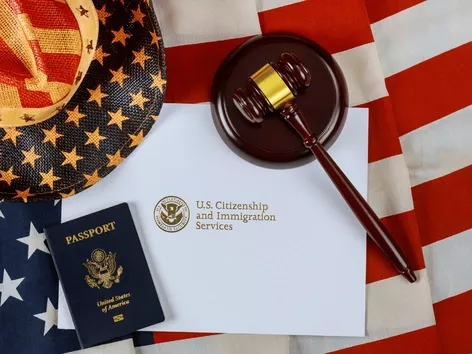
USA zaktualizowało swoje zasady naturalizacji w 2025 roku. Dowiedz się, co się zmieniło w wymaganiach dotyczących „dobrej moralności”, jakie dokumenty należy przygotować i jak nowe podejście wpłynie na kandydatów do obywatelstwa

Jeśli rozważasz zostanie obywatelem USA, powinieneś być świadomy ostatnich zmian w sposobie oceny wnioskodawców. Rząd USA podobno zaostrza wymagania dla imigrantów ubiegających się o naturalizację, przesuwając nacisk z po prostu „braku przestępstw” na „dowody dobrego charakteru moralnego”. Przeczytaj ten artykuł, aby dowiedzieć się wszystkiego, co musisz wiedzieć o zmianach w procesie uzyskiwania obywatelstwa USA.
USCIS wprowadziło nowe obowiązkowe opłaty za azyl, zezwolenie na pracę i TPS, które zaczynają obowiązywać od 22 lipca 2025 roku. Już omówiliśmy ile teraz kosztuje złożenie wniosku, kogo to dotyczy i co się stanie, jeśli nie zapłacisz na czas.
Planując podróż za granicę, upewnij się, że zadbałeś o polisę ubezpieczeniową, która ochroni cię przed nieprzewidzianymi sytuacjami podczas podróży i zrekompensuje nieplanowane wydatki - na leczenie, w przypadku zagubienia bagażu, odwołania lotu itp.

Co się zmieniło dla wnioskodawców o obywatelstwo USA w 2025 roku?
Usługi Obywatelstwa i Imigracji USA (USCIS) zaktualizowały swoje wewnętrzne wytyczne dla urzędników. Muszą teraz przeprowadzać bardziej szczegółowe kontrole w tle wnioskodawców, oceniając nie tylko historię kryminalną czy dyscyplinę finansową, ale także ich ogólny styl życia i wkład w społeczeństwo.
Wcześniej pojęcie „dobrego charakteru moralnego” było głównie postrzegane przez pryzmat braku poważnych naruszeń prawa. Teraz urzędnicy zalecają uwzględnienie codziennych działań danej osoby, jej relacji z społecznością, rozwoju zawodowego i odpowiedzialności społecznej.
Ogólne wymagania dotyczące obywatelstwa USA
Aby ubiegać się o naturalizację, wnioskodawca musi zazwyczaj spełniać następujące podstawowe kryteria:
1. Wiek i status
- Wnioskodawca musi mieć 18 lat lub więcej.
- Musi być stałym rezydentem Stanów Zjednoczonych (posiadaczem zielonej karty) przez co najmniej 5 lat (lub 3 lata, jeśli jest żonaty z obywatelem USA).
2. Stałe zamieszkanie
- Musi mieszkać w Stanach Zjednoczonych bez przerwy.
- Wnioskodawca musi być fizycznie obecny w Stanach Zjednoczonych przez określoną liczbę dni w ciągu ostatnich 5 lub 3 lat.
3. Znajomość języka angielskiego
Umiejętność czytania, pisania i mówienia po angielsku (wyjątki mogą być robione dla seniorów lub osób z niepełnosprawnościami).
4. Wiedza o historii i rządzie USA
Przeprowadzany jest egzamin z wiedzy obywatelskiej, który sprawdza znajomość Konstytucji USA, historii i struktury rządu.
5. Dobry charakter moralny
Teraz ten punkt został wzmocniony, jak opisaliśmy powyżej: urzędnicy oceniają zachowanie, przestrzeganie prawa, uczestnictwo w życiu publicznym i odpowiedzialność wobec społeczeństwa.
6. Przysięga wierności
Kandydat musi złożyć przysięgę wierności Stanom Zjednoczonym i zrzec się poprzedniego obywatelstwa (z pewnymi wyjątkami).
Co oznacza „dobry charakter moralny” w Stanach Zjednoczonych w 2025 roku?
Tradycyjnie, aby uzyskać obywatelstwo, konieczne było:
- Nie posiadanie poważnych przestępstw kryminalnych (morderstwo, handel narkotykami, poważne oszustwa);
- Unikanie naruszeń imigracyjnych;
- Nie posiadanie powtarzających się problemów prawnych.
Nowe wytyczne USCIS rozszerzają tę ocenę. Teraz urzędnicy przeprowadzają holistyczną ocenę życia kandydata, biorąc pod uwagę następujące aspekty:
- Aktywność społeczna i wolontariat
Udział w projektach charytatywnych, pomoc lokalnym organizacjom lub szkołom.
- Odpowiedzialność rodzinna
Opieka nad dziećmi, rodzicami lub innymi członkami rodziny.
- Edukacja i rozwój zawodowy
Ukończenie szkoły, uniwersytetu lub uczestnictwo w kursach doszkalających.
- Stabilna praca i legalny dochód
Długoterminowe zatrudnienie i terminowe płacenie podatków.
- Integracja społeczna
Potwierdzenie długoterminowego pobytu w Stanach Zjednoczonych i stabilnego życia w społeczności.
Nawet jeśli kandydat miał problemy w przeszłości – na przykład, wyroki karne, niezapłacone podatki lub alimenty – USCIS zaleca funkcjonariuszom zwracanie uwagi na oznaki rehabilitacji. Mogą to być:
- Pomyślne zakończenie okresu próbnego;
- Spłata długów lub grzywien;
- Rekomendacje od społeczności lub pracodawców potwierdzające zmianę zachowania.
Jak zmiany w wymaganiach dotyczących uzyskania obywatelstwa USA wpłyną na kandydatów?
Zmiany mogą skomplikować proces naturalizacji dla niektórych imigrantów. Teraz samo zdanie egzaminu z wiedzy o obywatelstwie i brak wyroku karnego nie wystarczą. Ważne jest, aby wykazać, że aktywnie budujesz życie, które spełnia amerykańskie standardy moralne i że wywierasz pozytywny wpływ na otoczenie.
To oznacza:
- dokumentowanie swojego udziału w działalności społecznej;
- podkreślenie stabilności zatrudnienia i dyscypliny finansowej;
- posiadanie referencji od pracodawców lub członków społeczności;
- jeśli w przeszłości były problemy, dostarczenie dowodów na ich naprawienie.
Dlaczego zmiany w procedurze uzyskiwania obywatelstwa USA są ważne?
Nowe zalecenia odzwierciedlają szerszy trend: rząd USA chce, aby imigranci nie tylko przestrzegali zasad, ale także byli aktywnymi i odpowiedzialnymi członkami społeczeństwa.
Dla kandydatów oznacza to: ocena stanie się bardziej spersonalizowana, a funkcjonariusze będą mieli większą swobodę w podejmowaniu decyzji. Dlatego dokładne przygotowanie, dokumentowanie własnych osiągnięć i udział w życiu społeczności stają się niezwykle ważne.
Lista kontrolna: jakie dokumenty warto przygotować przed złożeniem wniosku o obywatelstwo USA?
- Paszport lub zielona karta (dowód stałego pobytu)
- Zaświadczenie o braku odpowiedzialności karnej / wyrokach karnych (jeśli są)
- Zeznania podatkowe za ostatnie 3-5 lat
- Dowód legalnych dochodów lub zatrudnienia (oferta pracy, odcinki wypłat, list od pracodawcy)
- Dowód działalności wolontariackiej lub społecznej (listy od organizacji, certyfikaty, rekomendacje)
- Akty małżeństwa\urodzenia dzieci (jeśli dotyczy)
- Listy rekomendacyjne od pracodawców\członków społeczności (szczególnie jeśli w przeszłości były problemy)
- Dokumenty potwierdzające zakończenie okresu próbnego lub spłatę długów (jeśli były naruszenia)
- Potwierdzenie pomyślnego ukończenia kursów lub edukacji (dyplomy, certyfikaty)
- Dowód długoterminowego pobytu w USA (umowa najmu, wyciągi bankowe, rachunki za media itp.)
Wskazówka: Jeśli nie jesteś pewien, jak prawidłowo przygotować pakiet dokumentów lub masz wątpliwości, czy jakikolwiek punkt w twojej biografii może wpłynąć na decyzję USCIS - skontaktuj się z doświadczonym prawnikiem imigracyjnym.
Specjaliści pomogą ocenić twoją sytuację, przygotować niezbędne dowody „dobrego charakteru moralnego” i będą ci towarzyszyć na każdym etapie aplikacji. Często profesjonalne wsparcie znacznie zwiększa szanse na pomyślne uzyskanie obywatelstwa.

Uzyskanie obywatelstwa USA wiąże się teraz nie tylko z zdawaniem egzaminów i czystym rejestrem, ale także z rzeczywistymi dowodami moralnego i społecznego wkładu kandydata. Jeśli planujesz aplikować, przeanalizuj swoją historię, wkład w społeczność i osobiste osiągnięcia. Poziom oczekiwań wzrósł, ale jednocześnie stało się jasne, co naprawdę ma znaczenie dla USCIS.
Przypomnienie! Od sierpnia 2025 roku USA wprowadzi program pilotażowy kaucji wizowej, który będzie wymagał od podróżnych z niektórych krajów wpłacenia do 15 000 USD za wizy B-1/B-2. Już omówiliśmy, kogo to dotyczy, dlaczego tak się dzieje i jak może to wpłynąć na turystykę i imigrację.
Produkty z Visit World na komfortową podróż:
Lista kontrolna do uzyskania wizy i niezbędnych dokumentów w USA;
Porady prawne w sprawach imigracyjnych do USA;
Ubezpieczenie podróżne dla obcokrajowców w USA;
Ubezpieczenie zdrowotne na całym świecie.
Monitorujemy dokładność i aktualność naszych informacji, więc jeśli zauważysz jakiekolwiek błędy lub nieścisłości, skontaktuj się z naszą infolinią.
Frequantly
asked questions
Czy obywatelstwo może być odmówione, jeśli w przeszłości były drobne naruszenia?
Czy opieka nad dziećmi lub członkami rodziny liczy się jako pozytywny czynnik?
Czy trzeba oficjalnie potwierdzić pracę wolontariacką?
Co jeśli nie mam doświadczenia w wolontariacie?
Recommended articles
3 min
Residence permit
Zielona Karta w USA: instrukcje krok po kroku dotyczące wypełniania formularza I-485
Formularz I-485, oficjalnie znany jako "Wniosek o rejestrację stałego pobytu lub zmianę statusu". Dowiedz się więcej o tym, kto może wypełnić formularz I-485, liście wymaganych dokumentów, procedurze aplikacji o Zieloną Kartę oraz innych ważnych szczegółach
25 lip. 2025
More details2 min
Residence permit
Od 2 września 2025 roku USA przywrócą obowiązkowe rozmowy kwalifikacyjne dla większości wnioskodawców o wizę nieimigracyjną, w tym kategorie H, L, F, M i J. Dowiedz się, kto jest zwolniony, co oznacza anulowanie programu Dropbox i jak wpłynie to na podróżnych i pracodawców
29 lip. 2025
More details2 min
Popular
Gdzie uzyskać szybszą wizytę na wizę do USA w 2025 roku: Czas oczekiwania według kraju
Planujesz uzyskać wizę do USA? Dowiedz się, gdzie złożyć wniosek o wizę do USA szybciej w 2025 roku. Zaktualizowane czasy oczekiwania według kraju, porady ekspertów dotyczące skracania opóźnień oraz pomoc profesjonalnego prawnika imigracyjnego
11 sie. 2025
More details1 min
Expats
Amerykański system imigracyjny przejdzie znaczące zmiany w 2025 roku: USCIS aktualizuje zasady CSPA dla dzieci, a Ustawa o Godności oferuje przyspieszone przetwarzanie zielonej karty, opcje premium oraz reformy dla długo oczekujących wnioskodawców. Dowiedz się, jak to wpłynie na twoje szanse i kolejkę do zielonej karty
15 sie. 2025
More detailsAll materials and articles are owned by VisitWorld.Today and are protected by international intellectual property regulations. When using materials, approval from VisitWorld.Today is required.