

Wdrożenie nowego systemu kontroli granicznej UE EES zostało odłożone do jesieni 2026 roku
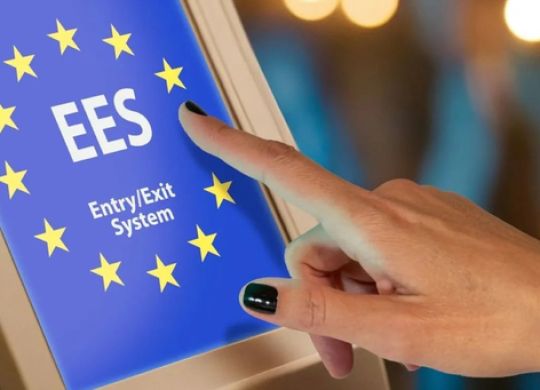
UE odłożyła pełne wdrożenie nowego systemu kontroli granicznej EES z powodu ryzyka załamania transportu na lotniskach i punktach kontrolnych w szczycie sezonu turystycznego. System jest już testowany, ale jego działanie będzie częściowo wstrzymane. Dowiedz się więcej o tym, jak zasady wjazdu do UE dla turystów zmienią się w 2026 roku

Unia Europejska po raz kolejny odroczyła pełne uruchomienie Systemu Wjazdu/Wyjazdu (EES), zautomatyzowanego systemu kontroli granicznej, który ma zastąpić stemplowanie paszportów dla obywateli krajów trzecich. Powodem są obawy przed masowymi zatorami na granicach, awariami kiosków biometrycznych oraz przeciążeniem personelu na lotniskach i w portach morskich.
Testowe uruchomienie pod koniec 2025 roku już pokazało, że nowy system znacznie wydłuża czas przechodzenia kontroli granicznych. Dlatego UE zdecydowała się pozwolić krajom na tymczasowe odroczenie pełnej implementacji EES, aby uniknąć chaosu w szczycie letniego sezonu turystycznego.
Wcześniej rozmawialiśmy o ETIAS, ETA, cyfrowych kartach przyjazdowych i innych nowych zasadach podróży w 2026 roku.
Odkrywanie nowego kraju samodzielnie, bez pomocy biur podróży czy pośredników, jest bardzo proste. Wszystko, czego potrzebujesz, to lista kontrolna lub „Przewodnik Podróżny” od Visit World – krok po kroku z wszystkimi kluczowymi informacjami na temat Twojej podróży.
Przewodnik zawiera informacje na temat wymagań wizowych, zasad wjazdu bezwizowego, dozwolonych okresów pobytu oraz listę wymaganych dokumentów.
Po wypełnieniu formularza przewodnik zostanie wysłany na Twój adres e-mail w formacie PDF w zaledwie kilka minut.
Wybierz kraj i zdobądź swój przewodnik podróżny już dziś.

Co to jest system EES i jak działa?
System Wjazdu/Wyjazdu (EES) to nowy zautomatyzowany system kontroli zewnętrznych granic Unii Europejskiej, który ma zastąpić tradycyjne stemplowanie paszportów dla obywateli krajów trzecich podróżujących do strefy Schengen na krótki okres. Obejmuje 29 krajów Schengen, w tym państwa członkowskie UE, a także Islandię, Norwegię, Szwajcarię i Liechtenstein.
Głównym celem EES jest automatyczne rejestrowanie każdego wjazdu i wyjazdu podróżnego w celu monitorowania przestrzegania zasady 90 dni pobytu w ciągu 180 dni. Zamiast stemplowania w paszporcie, informacje będą przechowywane w jednej elektronicznej bazie danych dostępnej dla służb granicznych wszystkich krajów Schengen.
Przy przekraczaniu zewnętrznej granicy UE po raz pierwszy, obywatele krajów trzecich będą musieli przejść rejestrację biometryczną, tj. zrobić zdjęcie twarzy i oddać odciski palców. W tym celu na lotniskach, w portach i na lądowych przejściach granicznych są instalowane specjalne kioski samoobsługowe, a proces kontroli jest nadzorowany przez strażników granicznych. W przyszłości system automatycznie zarejestruje każde przekroczenie granicy i obliczy dozwolony okres pobytu.
W artykule pod tym linkiem zebraliśmy 5 niedocenianych europejskich destynacji, które mogą zaskoczyć nawet doświadczonych podróżników.
Dlaczego UE odroczyła pełną implementację EES?
Decyzja o odroczeniu pełnego uruchomienia systemu EES została podjęta po pilotażowej implementacji pod koniec 2025 roku, która ujawniła szereg praktycznych problemów na granicach. Komisja Europejska pozwoliła krajom Schengen na częściowe zawieszenie korzystania z EES w okresach szczytowych, aby uniknąć załamania transportu na lotniskach i przejściach granicznych.
Główne powody odroczenia i złagodzenia zasad wdrożenia systemu to:
1. Znaczący wzrost czasu przekraczania granicy. Podczas testów przetwarzanie pasażerów w niektórych portach lotniczych wzrosło o około 70%, co spowodowało kolejki i opóźnienia lotów.
2. Problemy z danymi biometrycznymi. Zarejestrowano awarie techniczne podczas odczytu odcisków palców i zdjęć twarzy, co spowolniło proces weryfikacji.
3. Brak personelu na granicy. Nie wszystkie punkty kontrolne były gotowe na nagły wzrost obciążenia strażników granicznych.
4. Ryzyko chaosu podczas letniego sezonu turystycznego. Szczytowe przepływy podróżnych mogłyby spowodować masowe zatory na lotniskach i w portach.
5. Nierównomierna gotowość infrastruktury w różnych krajach. Niektóre kioski samoobsługowe nie zostały jeszcze w pełni uruchomione.
Aby zmniejszyć obciążenie węzłów transportowych, krajom pozwolono tymczasowo wrócić do stemplowania paszportów w niektórych punktach kontrolnych i częściowo zawiesić EES w okresach szczytowych.
Kiedy system EES będzie w pełni operacyjny?
Pomimo oficjalnego uruchomienia Systemu Wjazdu/Wyjazdu jesienią 2025 roku, zdecydowano się odroczyć jego pełną implementację na wszystkich przejściach granicznych UE. Krajom Schengen pozwolono na zakończenie przejścia na nowy system do września 2026 roku zamiast wiosny, aby uniknąć załamania transportu w szczycie sezonu turystycznego.
Zgodnie z zaktualizowanym podejściem, państwa członkowskie muszą stopniowo podłączać wszystkie punkty przekraczania granicy do EES, ale po zakończeniu fazy wdrożeniowej będą mogły tymczasowo zawiesić jego działanie tam, gdzie występują najdłuższe kolejki. Ten „elastyczny tryb” pozwala na dostosowanie systemu do rzeczywistych przepływów pasażerów w różnych krajach i nie tworzenie krytycznych zatorów na lotniskach, w portach morskich i na granicach lądowych.
W rzeczywistości w 2026 roku turyści mogą napotkać różne scenariusze przekraczania granicy: w niektórych punktach kontrola będzie już w pełni EES z rejestracją biometryczną, podczas gdy inne tymczasowo utrzymają mieszany format z użyciem stemplowania paszportów. To jest etap przejściowy, który powinien ułatwić dostosowanie się do nowych zasad wjazdu do UE.
W poprzednim artykule przyjrzeliśmy się możliwościom podróżowania we Włoszech podczas Zimowych Igrzysk Olimpijskich 2026.
Co zmieni się dla turystów i czego się spodziewać w przyszłości (ETIAS)?
Po pełnym uruchomieniu systemu EES podróże do krajów Schengen staną się bardziej „cyfrowe”. Dla obywateli krajów trzecich, w tym Ukraińców, zniknie tradycyjne stemplowanie paszportów - wszystkie przekroczenia granicy będą rejestrowane w systemie elektronicznym. Przy wjeździe do Schengen po raz pierwszy wymagana będzie rejestracja biometryczna, a system automatycznie będzie śledził przestrzeganie zasady 90 dni pobytu w ciągu 180 dni.
W krótkim okresie może to oznaczać nieco dłuższe kontrole graniczne, szczególnie na popularnych lotniskach i w miejscach turystycznych. Jednak w przyszłości UE oczekuje, że automatyzacja przyspieszy kontrole i uczyni je bardziej przejrzystymi, a także zmniejszy liczbę błędów i nadużyć okresów przekroczenia pobytu.
Następnym etapem cyfryzacji granic będzie uruchomienie systemu ETIAS, elektronicznego systemu autoryzacji dla podróży bezwizowych do UE. Powinien zostać uruchomiony w czwartym kwartale 2026 roku i będzie wymagał obowiązkowej rejestracji online przed podróżą oraz uiszczenia opłaty. Według UE, ETIAS i EES stworzą zintegrowany system wstępnej kontroli podróżnych przed ich przybyciem na granicę.
Planujesz podróż i chcesz się przygotować bez zbędnego stresu? Przewodnik podróżny Visit World zawiera kluczowe wskazówki dla podróżnych: zasady wjazdu i pobytu, aktualne wymagania dla turystów, podstawowe zasady bezpieczeństwa, transport i zakwaterowanie. Taki przewodnik pomoże Ci szybko zorientować się w nowym kraju, uniknąć powszechnych błędów podczas podróży i zaplanować trasę z uwzględnieniem praktycznych niuansów, które często umykają uwadze turystów.
Przypomnienie! Popularne miejsca turystyczne mogą być pułapką. Już mówiliśmy Ci które 8 miejsc na świecie Fodor’s radzi unikać w 2026 roku z powodu nadmiernej turystyki, ryzyk środowiskowych i napięć społecznych – i jakie alternatywy wybrać zamiast tego.
Monitorujemy dokładność i aktualność naszych informacji, więc jeśli zauważysz jakiekolwiek błędy lub nieścisłości, skontaktuj się z naszą infolinią
Frequantly
asked questions
Kto jest objęty nowym systemem EES?
Czy będę musiał podawać dane biometryczne za każdym razem, gdy wchodzę do UE?
Czy EES może wydłużyć czas przekraczania granicy?
Czy uruchomienie EES wpłynie na zasadę 90\180 dni pobytu w UE?
Czy EES oznacza, że potrzebne są dodatkowe zezwolenia na podróż do UE?
Recommended articles
3 min
Events
Zimowe Igrzyska Olimpijskie w Mediolanie 2026: nowy format podróżowania po Europie
Zimowe Igrzyska Olimpijskie w Mediolanie w 2026 roku będą pierwszymi igrzyskami tej rangi, które odbędą się w kilku włoskich miastach. Dla podróżnych oznacza to nie tylko wydarzenia sportowe, ale także nowy format podróżowania między różnymi regionami kraju. Dowiedz się więcej o tym, jak udział w Zimowych Igrzyskach Olimpijskich w Mediolanie może całkowicie zmienić sposób, w jaki podróżujesz
08 lut. 2026
More details2 min
Travels
Ukryta Portugalia: 5 Tajnych Miejsc na Cichą i Autentyczną Wakacje
Portugalia to nie tylko Lizbona i popularne kurorty Algarve, ale także dziesiątki autentycznych miejsc, gdzie miejscowi udają się na relaks, unikając turystycznego zgiełku. Poznaj pięć mało znanych miejsc w Portugalii, które uwielbiają miejscowi
07 lut. 2026
More details3 min
Travels
10 najlepszych szlaków turystycznych na świecie: gdzie iść na prawdziwe przygody
Na świecie są szlaki turystyczne, które imponują nie tylko swoją trudnością, ale także krajobrazami, atmosferą i poczuciem przygody. Niektóre z nich prowadzą przez pustynne wyżyny, inne wzdłuż klifów oceanicznych lub wśród lodowców i wulkanów. Dowiedz się więcej o najlepszych szlakach turystycznych na świecie, które inspirują cię do wyruszenia w podróż już teraz
08 lut. 2026
More details3 min
Travels
Niedoceniane miejsca w Europie: 5 miejsc, które zaskoczą nawet doświadczonych podróżników
Europa potrafi zaskoczyć nawet tych, którzy nie podróżują po raz pierwszy, szczególnie jeśli zejdą z popularnych tras. Mniej znane miasta i regiony często zachowują prawdziwą atmosferę kontynentu, bez tłumów i turystycznych klisz. Dowiedz się więcej o niedocenianych zakątkach Europy, które warto zobaczyć przynajmniej raz w życiu
06 lut. 2026
More detailsAll materials and articles are owned by VisitWorld.Today and are protected by international intellectual property regulations. When using materials, approval from VisitWorld.Today is required.