

Środa Popielcowa: historia, tradycje i zakazy Środy Popielcowej w różnych krajach
Table of contents
- Co to jest Środa Popielcowa?
- Kiedy obchodzona jest Środa Popielcowa i jak ustalana jest data?
- Historia święta: jak i kiedy pojawiła się Środa Popielcowa
- W jakich krajach obchodzi się Środę Popielcową?
- Jakie są główne tradycje i rytuały Środy Popielcowej?
- Co jest zwyczajowo robione w tym dniu?
- Zakazy i ograniczenia: czego nie robić w Środę Popielcową
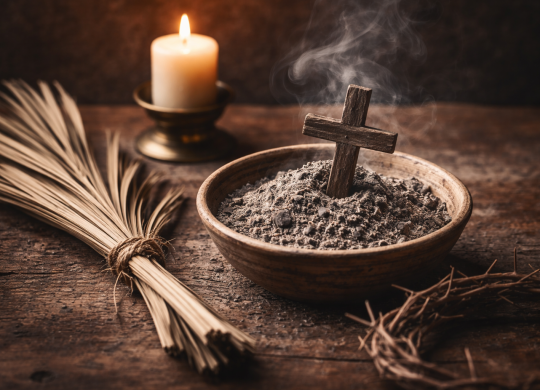
Środa Popielcowa to ważna data dla milionów chrześcijan na całym świecie, symbolizująca początek Wielkiego Postu i okres duchowego odnowienia. Tego dnia wierni przestrzegają specjalnych tradycji i ograniczeń, które mają głębokie historyczne i religijne korzenie. Dowiedz się więcej o znaczeniu Środy Popielcowej, w których krajach jest obchodzona oraz jakie zasady należy mieć na uwadze podczas podróży

Środa Popielcowa corocznie otwiera okres Wielkiego Postu w zachodniej tradycji chrześcijańskiej i jest jednym z najważniejszych dni kalendarza kościelnego dla katolików i niektórych protestantów. Dla wierzących jest to czas wewnętrznej koncentracji, pokuty i przygotowania do Wielkanocy, a dla podróżnych to okazja do zobaczenia na żywo rytuałów religijnych w różnych krajach.
W tym dniu w kościołach odbywają się specjalne nabożeństwa, a na ulicach niektórych miast można zobaczyć ludzi z krzyżem z popiołu na czołach, symbolem pokory i przypomnieniem o kruchości życia. Zrozumienie znaczenia Środy Popielcowej pomoże lepiej poruszać się po lokalnych tradycjach, unikać niezręcznych sytuacji podczas podróży i zyskać głębsze poczucie kontekstu kulturowego kraju, w którym się znajdujesz.
Wybierz wiarygodną polisę ubezpieczeniową na portalu Visit World aby chronić się przed nieprzewidzianymi wydatkami podczas przeprowadzki. Wsparcie zaufanego agenta ubezpieczeniowego z gwarantowaną wypłatą w zaledwie kilka kliknięć!

Co to jest Środa Popielcowa?
Środa Popielcowa to pierwszy dzień Wielkiego Postu w zachodniej tradycji chrześcijańskiej, obchodzony przez katolików, anglikanów i niektóre kościoły protestanckie. To od tego dnia zaczyna się okres duchowego oczyszczenia, pokuty i przygotowania do Wielkanocy, trwający 40 dni (z wyłączeniem niedziel). Dla wierzących nie jest to tylko formalna data w kalendarzu, ale symboliczny moment uświadomienia sobie własnej odpowiedzialności, wewnętrznego odnowienia i przemyślenia wartości życiowych.
Głównym symbolem Środy Popielcowej są popioły, które kapłan używa do wykonania znaku krzyża na czole lub posypania głowy wiernych podczas nabożeństwa. Ten obrzęd ma głębokie biblijne korzenie i przypomina ludziom o przemijaniu życia, pokorze i potrzebie duchowego wzrostu. W różnych krajach ten gest może być towarzyszony słowami pokuty i powrotu do duchowych fundamentów, ale znaczenie pozostaje to samo: początek okresu świadomego ograniczenia, modlitwy i wewnętrznej pracy nad sobą.
Środa Popielcowa jest również uważana za dzień zmiany dla wielu wierzących. Symbolicznie oddziela czas świętowania i zabawy (po karnawałach) od okresu wstrzemięźliwości i samokontroli. Dlatego w kontekście kulturowym Środa Popielcowa postrzegana jest jako rodzaj „punktu przejścia” od głośnych celebracji do ciszy, koncentracji i przygotowania do najważniejszego chrześcijańskiego święta roku.
W poprzednim artykule mówiliśmy o Ramadanie w 2026 roku, tradycjach i duchowym znaczeniu święta.
Kiedy obchodzona jest Środa Popielcowa i jak ustalana jest data?
Data Środy Popielcowej zmienia się co roku, ponieważ jest bezpośrednio związana z datą Wielkanocy. Środa Popielcowa przypada 46 dni przed Wielkanocą i zawsze obchodzona jest w środę. To dzień, w którym zaczyna się Wielki Post w zachodniej tradycji chrześcijańskiej, który trwa 40 dni, z wyłączeniem niedziel, dni, w których post nie jest formalnie przestrzegany.
Ponieważ Wielkanoc nie ma stałej daty i ustalana jest według kalendarza lunisolarnym (w pierwszą niedzielę po pełni księżyca następującej po wiosennej równonocy), Środa Popielcowa może przypadać na różne dni między początkiem lutego a początkiem marca. Z tego powodu zarówno okres Wielkiego Postu, jak i data rozpoczęcia przygotowań do głównego święta chrześcijańskiego zmieniają się co roku.
Na przykład w 2026 roku Środa Popielcowa przypadała na 18 lutego. To w tym dniu odbywają się specjalne nabożeństwa w wielu krajach na całym świecie, a wierni zaczynają przestrzegać ograniczeń postnych i praktyk duchowych.
Historia święta: jak i kiedy pojawiła się Środa Popielcowa
Tradycja Środy Popielcowej ma głębokie korzenie w wczesnym chrześcijaństwie. W pierwszych wiekach wierni, którzy publicznie pokutowali za poważne grzechy, posypywali popiołem swoje głowy jako znak pokory i pokuty. W tradycji biblijnej popioły symbolizowały kruchość ludzkiego życia, żal i pragnienie duchowego oczyszczenia. Z biegiem czasu ten gest przestał być wyłączny dla grzeszników i stał się ogólną praktyką kościelną.
Środa Popielcowa została oficjalnie ustanowiona jako początek Wielkiego Postu około XI wieku, kiedy Kościół rzymski zorganizował kalendarz liturgiczny. Od tego czasu dzień ten poprzedza 40-dniowy okres postu, modlitwy i wstrzemięźliwości przed Wielkanocą. Ważne jest, że tradycja ta rozprzestrzeniła się nie tylko wśród katolików, ale także w niektórych denominacjach protestanckich, w tym w wierzeniach anglikanów i luteranów.
Interesujący fakt: popioły do obrzędu zazwyczaj pozyskuje się z spalonych gałązek palmowych, które zostały poświęcone podczas obchodów Niedzieli Palmowej w poprzednim roku. W ten sposób tworzy się symboliczny cykl - od uroczystego czczenia do pokory i pokuty. To podkreśla ciągłość roku kościelnego i duchową logikę przygotowania do Wielkanocy.
W jakich krajach obchodzi się Środę Popielcową?
Środa Popielcowa jest ważną datą religijną przede wszystkim w krajach, w których katolicyzm i niektóre denominacje protestanckie historycznie były powszechne. W tych krajach Środa Popielcowa obchodzona jest na poziomie wspólnot kościelnych, a w niektórych miejscach tradycje tego dnia są również widoczne w przestrzeni publicznej.
Środa Popielcowa jest najszerzej obchodzona w krajach europejskich z silnymi tradycjami katolickimi. Należą do nich Włochy, Hiszpania, Polska, Portugalia, Niemcy, Austria i Francja. W tych krajach w tym dniu odbywają się specjalne nabożeństwa w kościołach, a wielu wiernych przychodzi do pracy lub szkoły z krzyżem z popiołu na czołach, co postrzegane jest jako normalna i szanowana praktyka.
W Ameryce Łacińskiej Środa Popielcowa ma również wyraźny wymiar kulturowy. W Meksyku, Brazylii, Kolumbii, Peru i Argentynie dzień ten często następuje bezpośrednio po kolorowych obchodach karnawałowych. Kontrast między hałaśliwymi festiwalami a stonowaną atmosferą Środy Popielcowej jest szczególnie zauważalny: karnawały się kończą, rytm życia się zmienia, a wierni przechodzą do okresu postu i duchowej koncentracji.
W Stanach Zjednoczonych i Kanadzie Środa Popielcowa nie jest dniem wolnym od pracy, ale w regionach z dużą liczbą katolików jest dobrze rozpoznawana. W dużych miastach w tym dniu można zobaczyć ludzi noszących popiół na głowach w komunikacji publicznej, biurach lub na ulicach, a kościoły często organizują nabożeństwa rano, po południu i wieczorem, aby ułatwić wiernym uczestnictwo nawet w dni robocze.
Jakie są główne tradycje i rytuały Środy Popielcowej?
Środa Popielcowa ma dobrze ugruntowane tradycje religijne, które przetrwały przez wieki i praktycznie się nie zmieniają, niezależnie od kraju. Główna idea tego dnia to pokuta, pokora i początek okresu duchowego oczyszczenia przed Wielkanocą. Chociaż rytuały mogą mieć lokalne szczególności, ich znaczenie pozostaje wspólne dla większości wspólnot chrześcijańskich.
Najczęstsze tradycje Środy Popielcowej to:
1. Nakładanie popiołów w formie krzyża na czole lub posypywanie popiołem głowy. Kapłan wykonuje znak krzyża, wypowiadając słowa pokuty lub przypomnienia o kruchości ludzkiego życia. Ten obrzęd jest centralnym symbolem dnia.
2. Uczestnictwo w specjalnych nabożeństwach. Kościoły organizują specjalne nabożeństwa poświęcone rozpoczęciu Wielkiego Postu. W wielu krajach nabożeństwa odbywają się kilka razy dziennie, aby wierni mogli przyjść w dogodnym czasie.
3. Początek postnych ograniczeń. Dla katolików Środa Popielcowa jest dniem surowszego postu, kiedy ogranicza się spożycie pokarmów i mięsa. To symboliczny początek okresu wstrzemięźliwości.
4. Modlitwa i osobiste duchowe śluby. Wielu ludzi decyduje się w tym dniu zrezygnować z pewnych nawyków lub rzeczy na czas postu, na przykład ograniczyć rozrywkę, słodycze lub media społecznościowe.
5. Skromne zachowanie i odmowa głośnego świętowania. Po okresie karnawałowym atmosfera zmienia się dramatycznie: Środa Popielcowa uważana jest za dzień ciszy, koncentracji i wewnętrznego przemyślenia.
Pomimo wspólnych cech, forma przestrzegania tych tradycji może się różnić. W niektórych krajach popioły nakłada się wyłącznie w kościołach, podczas gdy w innych wierni noszą krzyż na czołach przez cały dzień, nie próbując go zetrzeć. Dla wielu nie jest to tylko obrzęd religijny, ale także publiczny znak przynależności do tradycji.
Co jest zwyczajowo robione w tym dniu?
Środa Popielcowa uważana jest za dzień wewnętrznej koncentracji i początek duchowej drogi do Wielkanocy. Dla wielu wierzących nie jest to tylko formalny obrzęd w kościele, ale moment, w którym człowiek świadomie zmienia rytm swojego życia na nadchodzące tygodnie. Zachowanie w tym dniu jest zazwyczaj bardziej stonowane, a codzienne nawyki stają się bardziej świadome.
Przede wszystkim wierni starają się uczestniczyć w nabożeństwie lub przynajmniej w krótkiej modlitwie, nawet jeśli przypada to w dzień roboczy. Dla wielu jest to fundamentalny moment, ponieważ to Środa Popielcowa symbolicznie „otwiera” Wielki Post. W niektórych krajach kościoły są otwarte od rana do późnego wieczora, aby ludzie mogli wpaść między pracą a szkołą.
W tym dniu zwyczajowo składa się osobiste duchowe śluby. Ludzie świadomie rezygnują z pewnych nawyków lub przyjemności na czas postu, starając się zwrócić większą uwagę na samodyscyplinę, refleksję i pomoc innym. Dla niektórych jest to akt religijny, a dla innych sposób na przemyślenie swojego stylu życia i priorytetów.
Środa Popielcowa wpływa również na zachowania społeczne. W wielu kulturach nie jest zwyczajowo organizować głośnych rozrywek, imprez czy celebracji w tym dniu. Nawet w krajach, w których karnawały trwają dzień wcześniej, atmosfera zmienia się dramatycznie w środę, z radości na wstrzemięźliwość i spokój. To wyraźna granica kulturowa między sezonem świątecznym a czasem wewnętrznego skupienia.
Zakazy i ograniczenia: czego nie robić w Środę Popielcową
Środa Popielcowa jest jednym z najbardziej zdyscyplinowanych dni w kalendarzu kościelnym zachodniej tradycji chrześcijańskiej. Dla wielu wierzących wiąże się to nie tylko z symbolicznym rytuałem z popiołem, ale także z konkretnymi zasadami zachowania i żywienia. Chociaż stopień przestrzegania może się różnić w zależności od kraju i wyznania, podstawowe ograniczenia pozostają podobne.
Następujące zakazy i ograniczenia zazwyczaj obowiązują w tym dniu:
1. Brak mięsa. W tradycji katolickiej Środa Popielcowa jest dniem obowiązkowego wstrzemięźliwości od potraw mięsnych. Ryby są dozwolone.
2. Ograniczenie ilości jedzenia. Tradycyjnie dozwolony jest jeden pełny posiłek i dwa lekkie przekąski bez przejadania się. To podkreśla symboliczny początek postu.
3. Odmowa głośnych rozrywek i celebracji. Nie jest zwyczajowo organizować imprez, wesel ani dużych celebracji. Dzień jest stonowany i skoncentrowany.
4. Unikanie nadmiaru i ostentacyjnego luksusu. Idea Środy Popielcowej to pokora i prostota, dlatego wierni starają się zachowywać skromniej niż zwykle.
5. Dobrowolne osobiste ograniczenia. Wielu ludzi ustala dodatkowe śluby na własną rękę, takie jak rezygnacja z słodyczy, alkoholu, mediów społecznościowych lub innych nawyków na czas Wielkiego Postu.
Ważne jest, aby zrozumieć, że te zasady dotyczą przede wszystkim praktykujących wiernych. W środowisku świeckim nie są one obowiązkowe, ale w krajach z silnymi tradycjami religijnymi Środa Popielcowa może mieć znaczący wpływ na ogólną atmosferę dnia.
Planując podróż za granicę, ważne jest, aby z wyprzedzeniem zadbać o ochronę finansową na wypadek nieprzewidzianych sytuacji. Ubezpieczenie medyczne od Visit World pozwala uniknąć znacznych wydatków w przypadku choroby, kontuzji lub potrzeby uzyskania pomocy poza swoim krajem. Zawarcie polisy ubezpieczeniowej przed podróżą pozwala poczuć się bardziej zrelaksowanym i skupić się na podróży, a nie na możliwych ryzykach. Wygodne usługi online pozwalają wybrać i zorganizować odpowiednią opcję ubezpieczenia przed wyjazdem.
Przypominamy! W czasach turbulencji geopolitycznych niektórzy rozważają przeprowadzkę do krajów, które od dawna prowadzą politykę neutralności i unikały sojuszy wojskowych. Takie państwa oferują względną stabilność i jasne ścieżki do uzyskania rezydencji lub długoterminowego pobytu. Dowiedz się więcej o krajach, które pozostają neutralne i realistycznych opcjach przeprowadzki do nich.
Produkty z Visit World na komfortową podróż:
Przewodnik turystyczny dla 200 krajów;
Porady prawne od lokalnego specjalisty w sprawach wizowych i migracyjnych;
Ubezpieczenie podróżne na całym świecie (proszę wybrać kraj zainteresowania i obywatelstwo, aby otrzymać usługi);
Ubezpieczenie zdrowotne na całym świecie.
Monitorujemy dokładność i aktualność naszych informacji, więc jeśli zauważysz jakiekolwiek błędy lub nieścisłości, proszę skontaktuj się z naszą infolinią.
Frequantly
asked questions
Czy Środa Popielcowa jest dniem wolnym od pracy?
Czy konieczne jest nałożenie popiołu na czoło w Środę Popielcową?
Dlaczego popiół jest używany jako symbol tego dnia?
Czy wszyscy muszą pościć w Środę Popielcową bez wyjątku?
Czy Środa Popielcowa jest związana z karnawałami i obchodami dzień wcześniej?
Recommended articles
1 min
Investment
Andora zaktualizowała zasady dotyczące zezwolenia na pobyt inwestycyjny w 2026 roku. Dowiedz się, jak zmienił się próg inwestycyjny, dlaczego wpłaty stały się bezzwrotne i kto kwalifikuje się do alternatywy przez Fundusz Mieszkaniowy od 400 000 €
29 sty. 2026
More details3 min
Events
Zimowe Igrzyska Olimpijskie w Mediolanie 2026: nowy format podróżowania po Europie
Zimowe Igrzyska Olimpijskie w Mediolanie w 2026 roku będą pierwszymi igrzyskami tej rangi, które odbędą się w kilku włoskich miastach. Dla podróżnych oznacza to nie tylko wydarzenia sportowe, ale także nowy format podróżowania między różnymi regionami kraju. Dowiedz się więcej o tym, jak udział w Zimowych Igrzyskach Olimpijskich w Mediolanie może całkowicie zmienić sposób, w jaki podróżujesz
08 lut. 2026
More details4 min
Events
Zimowe Igrzyska Olimpijskie 2026 we Włoszech już dostarczyły widzom historycznych rekordów, niespodziewanych triumfów i gorących debat. Od dominacji Norwegii w liczbie medali po pierwsze zimowe złoto Ameryki Południowej, te Igrzyska będą pamiętane przez długi czas. Dowiedz się więcej o głównych postaciach, skandalach i sensacjach Igrzysk Olimpijskich Mediolan-Cortina 2026
16 lut. 2026
More details3 min
Events
Chiński Nowy Rok 2026: dokładna data obchodów, tradycje i znaczenie święta
Chiński Nowy Rok to jedno z najbardziej kolorowych i rozbudowanych świąt na świecie, które przypada na różne daty każdego roku. W 2026 roku ponownie będzie obchodzone nie według zwykłego kalendarza, ale według starożytnych cykli księżycowych. Dowiedz się więcej o dokładnej dacie obchodów, przyczynach jej zmian oraz głównych tradycjach tego święta
17 lut. 2026
More detailsAll materials and articles are owned by VisitWorld.Today and are protected by international intellectual property regulations. When using materials, approval from VisitWorld.Today is required.