

Irański atak rakietowy na 11 krajów: ponad 460 rakiet i 350 dronów w ciągu dwóch dni
Table of contents
- Operacje „Ryk Lwa” i „Epicka Furie”: dlaczego Iran rozpoczął ostrzał?
- Które kraje zaatakował Iran i ile rakiet zostało wystrzelonych?
- Ofiary irańskich ataków: martwi i ranni w krajach regionu
- Eksplozje w Dubaju, Dosze i Manamie 1 marca
- Obrona powietrzna: ile rakiet i dronów zostało przechwyconych?
- Izraelskie ataki na Teheran i eskalacja z Hezbollahem
- Ofiary cywilne w Iranie i zniszczenie infrastruktury
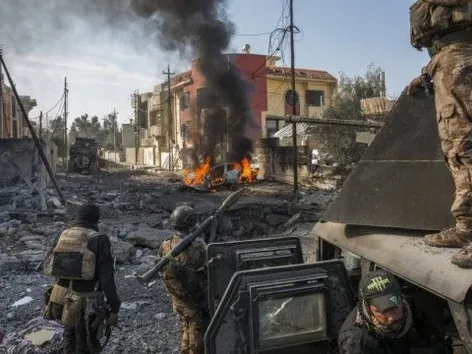
Bliski Wschód doświadcza największej eskalacji militarnej w ostatnich latach. Iran przeprowadził masowe ataki na kraje w regionie, co skutkowało śmiercią i obrażeniami wśród ludności cywilnej w kilku krajach. Dowiedz się więcej o skali ataków Iranu i konsekwencjach dla dotkniętych krajów

Od 28 lutego do 1 marca 2026 roku Bliski Wschód doświadczył bezprecedensowej fali irańskich ataków. Teheran przeprowadził masowe ataki rakietowe i dronowe na 11 krajów w regionie, od Izraela po Cypr. W ciągu dwóch dni Iran wystrzelił ponad 465 rakiet i ponad 357 dronów. Są ofiary śmiertelne i dziesiątki rannych w różnych krajach.
Opowiemy więcej o tym, jak przebiegały wydarzenia, które kraje zostały najbardziej dotknięte i co spowodowało eskalację.
Planujesz podróż za granicę i chcesz mieć pewność co do swojego bezpieczeństwa?
Na portalu Visit World możesz szybko wykupić ubezpieczenie zdrowotne, które pokryje opiekę w nagłych wypadkach, hospitalizację i ewakuację w każdym kraju na świecie.

Operacje „Ryk Lwa” i „Epicka Furie”: dlaczego Iran rozpoczął ostrzał?
28 lutego 2026 roku rano Izrael i Stany Zjednoczone jednocześnie rozpoczęły dużą operację wojskową przeciwko Iranowi. Izrael nazwał swoją część „Rykiem Lwa”, a Pentagon określił ją jako „Epicką Furię”. Dziesiątki irańskich miast zostały trafione, w tym Teheran, Isfahan, Qom, Shahriar i Tabriz. Ataki miały na celu obiekty wojskowe i nuklearne, a także rezydencje Najwyższego Przywódcy Alego Chameneiego i Prezydenta Masouda Pezeshkiana. Zdjęcia satelitarne pokazały, że pałac Chameneiego został całkowicie zniszczony.
Reuters początkowo doniósł, że Chamenei został przewieziony w bezpieczne miejsce, ale później potwierdził jego śmierć, powołując się na wysokiego rangą izraelskiego urzędnika. Prezydent USA Donald Trump oficjalnie ogłosił, że najwyższy przywódca Iranu został zabity, nazywając to „największą szansą dla irańskiego narodu na odzyskanie swojego kraju”. Oprócz Chameneiego, w atakach zginęło co najmniej czterech członków jego rodziny, irański minister obrony i szef sztabu, a także szereg innych wysokich rangą urzędników. IDF potwierdziło eliminację siedmiu wysokich irańskich urzędników.
Które kraje zaatakował Iran i ile rakiet zostało wystrzelonych?
Korpus Gwardii Rewolucyjnej (IRGC) ogłosił rozpoczęcie dużej „reakcji” — ataków rakietowych i dronowych na Izrael i amerykańskie bazy wojskowe w krajach sojuszniczych w Zatoce Perskiej. Irańska telewizja państwowa doniosła o atakach na cztery amerykańskie obiekty wojskowe w regionie. W rzeczywistości ataki dotknęły zarówno obiektów wojskowych, jak i cywilnych oraz infrastruktury w 11 krajach.
Według szacunków całkowita liczba rakiet i dronów wystrzelonych przez Iran między 28 lutego a 1 marca rozkładała się następująco: Izrael — ponad 200 rakiet i ponad 12 dronów;
ZEA — 140 rakiet i 270 dronów (według oddzielnych danych z Ministerstwa Obrony ZEA — 165 rakiet balistycznych i 541 dronów, z których większość została przechwycona); Katar — 66 rakiet; Bahrajn — 45 rakiet i 9 dronów; Jordania — 13 rakiet i około 36 dronów; Irak — 7 ataków rakietowych i dronowych nad Erbilem, kilka dziesiątek dronów; Kuwejt — kilka rakiet i ponad 2 drony; Oman — 3 drony; Cypr — 2 rakiety; Arabia Saudyjska — do 2 rakiet lub dronów; Syria — co najmniej 1 rakieta.
Ofiary irańskich ataków: martwi i ranni w krajach regionu
Najtragiczniejsze konsekwencje odnotowano w Izraelu. W mieście Beit Shemesh, położonym na zachód od Jerozolimy, irańska rakieta trafiła bezpośrednio w budynek mieszkalny. Według izraelskiej policji i służb obrony cywilnej, co najmniej dziewięć osób zginęło. Krajowa służba ratunkowa Magen David Adom poinformowała, że 23 osoby zostały uratowane z gruzów, z czego dwie są w ciężkim stanie. Budynek częściowo zawalił się w wyniku bezpośredniego trafienia. W Tel Awiwie około 20 osób zostało rannych w wyniku ataku rakietowego, jedna osoba została ciężko ranna.
W ZEA, według Ministerstwa Obrony kraju, zginęły trzy osoby — obywatele Pakistanu, Nepalu i Bangladeszu. Kolejne 58 osób zostało rannych. W Dubaju odłamki rakiety uderzyły w wieżowiec, a pojawiły się oddzielne doniesienia o kolejnej osobie zabitej przez odłamki. W Kuwejcie jedna osoba zginęła, a 32 zostały ranne w atakach, wszyscy byli cudzoziemcami. Ponadto irański dron uderzył w Międzynarodowe Lotnisko w Kuwejcie wieczorem 28 lutego, powodując drobne obrażenia u kilku pracowników. W sumie w ciągu dwóch dni ostrzału zginęło ponad dziesięć osób, a ponad sto zostało rannych w całym regionie.
Eksplozje w Dubaju, Dosze i Manamie 1 marca
1 marca rano seria nowych eksplozji wstrząsnęła ZEA, Katarem i Bahrajnem. W Dosze, stolicy Kataru, świadkowie usłyszeli kilka głośnych wybuchów i zobaczyli gęsty czarny dym na południu miasta. W Dubaju zaobserwowano kłęby białego dymu z przechwyconych rakiet, a ciemny dym był widoczny nad portem Jebel Ali. Co najmniej cztery potężne eksplozje wstrząsnęły stolicą Bahrajnu, Manamą.
Władze katarskie wysłały mobilne alerty do ludności, wzywając ich do pozostania w domach. Ministerstwo Obrony kraju potwierdziło, że systemy obrony powietrznej przechwyciły irańskie rakiety.
Lotniska w Dubaju zawiesiły wszystkie loty na czas nieokreślony, a ZEA częściowo zamknęło swoją przestrzeń powietrzną, pozostawiając wielu podróżnych uwięzionych. Przestrzeń powietrzna została również zamknięta w Izraelu i samym Iranie.
Obrona powietrzna: ile rakiet i dronów zostało przechwyconych?
Znaczna część irańskich rakiet i dronów została zneutralizowana w powietrzu dzięki systemom obrony powietrznej i przeciwrakietowej. Ministerstwo Obrony ZEA opublikowało najbardziej szczegółowy raport: z 165 rakiet balistycznych wystrzelonych w kierunku kraju, 152 zostało zniszczonych, a 13 wpadło do morza. Dwie rakiety manewrujące również zostały przechwycone. Z 541 dronów wykrytych w powietrzu, 506 zostało zestrzelonych, a 35 spadło na terytorium kraju. Niektóre odłamki zestrzelonych celów spowodowały drobne i umiarkowane uszkodzenia obiektów cywilnych.
Katar doniósł o udanym przechwyceniu irańskich rakiet przez systemy obrony powietrznej. W Izraelu armia poinformowała, że systemy obrony powietrznej działały w celu przechwycenia rakiet balistycznych, chociaż niektóre rakiety nadal dotarły do swoich celów. Amerykańskie systemy obrony powietrznej również przechwyciły irańskie rakiety i drony nad Erbilem w Iraku, gdzie znajduje się amerykańska baza lotnicza.
Izraelskie ataki na Teheran i eskalacja z Hezbollahem
1 marca Siły Powietrzne Izraela po raz pierwszy uderzyły w cele w sercu Teheranu. IDF poinformowało o ataku na siedzibę irańskiego reżimu, zauważając, że w ciągu poprzedniego dnia izraelskie samoloty ustanowiły przewagę powietrzną do dalszych operacji. Świadkowie w Teheranie donosili o gęstym dymie unoszącym się nad niektórymi obszarami stolicy. Irańskie władze zgłosiły ponad 200 ofiar śmiertelnych od początku bombardowań, a fale uderzeniowe łamały okna w całym mieście.
W tym samym czasie sytuacja zaostrzyła się na północnej granicy Izraela. W poniedziałek rano rakieta Hezbollahu przekroczyła granicę izraelską z Libanu — pierwszy taki incydent od ponad roku. Izraelska armia przechwyciła ją, zauważając, że kilka innych spadło w otwartych obszarach. W odpowiedzi Izrael przeprowadził serię ataków na Beirut. Libańscy urzędnicy wezwali Hezbollah do powstrzymania się od wchodzenia w konflikt po stronie Iranu, obawiając się kolejnej niszczycielskiej wojny dla kraju.
Ofiary cywilne w Iranie i zniszczenie infrastruktury
Ataki koalicji amerykańsko-izraelskiej spowodowały znaczne ofiary wśród irańskiej ludności cywilnej. Według doniesień irańskich mediów, co najmniej 85 osób zginęło, a wiele innych zostało rannych w wyniku ataku powietrznego na szkołę dla dziewcząt w Minab (prowincja Chorasanu). Atak na szkołę w Teheranie również kosztował życie dwóch osób. Irańska przestrzeń powietrzna została całkowicie zamknięta, a internet w kraju został niemal całkowicie wyłączony.
Władze irańskie ogłosiły 40 dni żałoby za Chameneiego i siedmiodniowy weekend. Trump z kolei powiedział, że „intensywne i ukierunkowane bombardowanie” Iranu będzie kontynuowane przez tydzień lub „tak długo, jak to konieczne, aby osiągnąć cel.” Według Politico, Wielka Brytania zezwoliła USA na korzystanie z bazy Diego Garcia na Oceanie Indyjskim i bazy lotniczej Fairford do ataków na irańskie zdolności rakietowe.
Sytuacja bezpieczeństwa na świecie zmienia się szybko, a wydarzenia na Bliskim Wschodzie po raz kolejny przypominają nam, jak ważne jest dbanie o własną ochronę podczas podróży. Ubezpieczenie zdrowotne jest warunkiem bezpiecznej podróży za granicę — pokrywa nagłą pomoc medyczną, hospitalizację i ewakuację w przypadku nieprzewidzianych okoliczności. Na portalu Visit World możesz szybko i wygodnie wykupić polisę ubezpieczeniową na podróż do dowolnego kraju na świecie.
Wykup ubezpieczenie z wyprzedzeniem — to twoje niezawodne wsparcie w każdej sytuacji!
Przypomnienie! W naszym poprzednim artykule mówiliśmy o najbezpieczniejszych krajach na świecie podczas III wojny światowej.
Produkty z Visit World na komfortową podróż:
Przewodnik turystyczny dla 200 krajów;
Porady prawne od lokalnego specjalisty w sprawach wizowych i migracyjnych;
Ubezpieczenie podróżne na całym świecie (proszę wybrać kraj zainteresowania i obywatelstwo, aby otrzymać usługi);
Ubezpieczenie zdrowotne na całym świecie.
Monitorujemy dokładność i aktualność naszych informacji, więc jeśli zauważysz jakiekolwiek błędy lub nieścisłości, proszę skontaktuj się z naszą infolinią
Frequantly
asked questions
Jakie kraje zaatakował Iran w odpowiedzi na ataki USA i Izraela?
Ile osób zginęło w wyniku irańskich ataków?
Co się stało z najwyższym przywódcą Iranu Ali Khameneim?
Recommended articles
4 min
Popular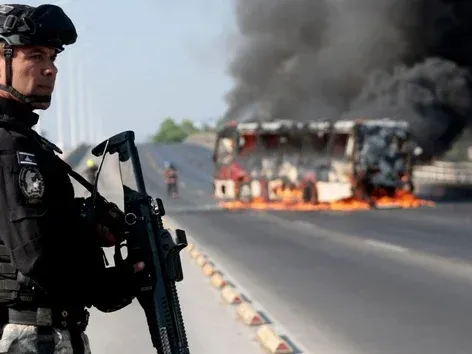
22 lutego 2026 roku meksykańska armia przeprowadziła operację specjalną, podczas której zginął El Mencho, lider jednego z najpotężniejszych karteli narkotykowych na świecie. Jego śmierć wywołała falę przemocy w całym kraju: płonące barykady, starcia z wojskiem i odwołane loty. Dowiedz się więcej o przebiegu operacji, skali niepokojów i możliwych konsekwencjach dla Meksyku i bezpieczeństwa międzynarodowego
25 lut. 2026
More details2 min
Transport
Niemcy ogłosiły 48-godzinny strajk transportu publicznego, który wpłynie na główne miasta i regiony. Niektóre trasy nie będą kursować, a mogą wystąpić zakłócenia przed i po zakończeniu strajku. Dowiedz się więcej, które środki transportu będą dostępne i jak zaplanować swoją podróż podczas strajku
26 lut. 2026
More details2 min
Transport
Nowy bezpośredni pociąg połączy skandynawskie miasta Malmö, Göteborg i Oslo tego lata
Skandynawia stanie się jeszcze bardziej dostępna dla podróżnych tego lata. Szwedzki operator uruchamia nową codzienną trasę łączącą Malmö, Göteborg i Oslo, oferując wygodną alternatywę dla podróży lotniczych oraz nowe możliwości podróżowania po północnej Europie
28 lut. 2026
More details2 min
Travels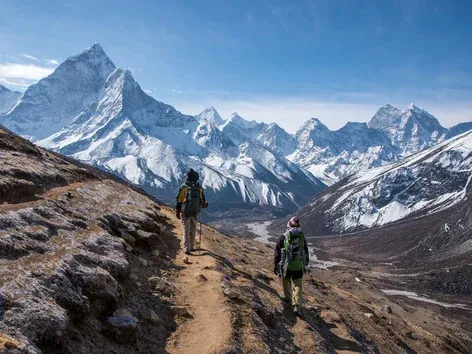
Nepal zaostrza wymagania dotyczące wspinaczki na Everest: co się zmieni dla wspinaczy
Nepal planuje znacznie ograniczyć dostęp do najwyższego szczytu świata. Nowa ustawa turystyczna wymaga obowiązkowego doświadczenia w wspinaczce górskiej, certyfikatów medycznych oraz surowszych kontroli środowiskowych na Everest. Dowiedz się więcej o nowych zasadach dla wspinaczy i co dokładnie zmieni się w procesie uzyskiwania pozwolenia na wspinaczkę
01 mar. 2026
More detailsAll materials and articles are owned by VisitWorld.Today and are protected by international intellectual property regulations. When using materials, approval from VisitWorld.Today is required.