

Ceny ropy wzrosły gwałtownie z powodu konfliktu na Bliskim Wschodzie: czy eskalacja przerodzi się w wielką wojnę?
Table of contents
- Jak konflikt osiągnął nowy poziom
- Dlaczego ceny ropy były pierwsze, które zareagowały?
- Cieśnina Ormuz: co się stanie, jeśli dostawy zostaną zakłócone
- Czy świat może zrekompensować ewentualny niedobór ropy?
- Możliwe scenariusze cen ropy w nadchodzących miesiącach
- Jak eskalacja może wpłynąć na gospodarkę globalną i codzienne życie?
- Co powinni wziąć pod uwagę podróżni i firmy w obliczu niestabilności?
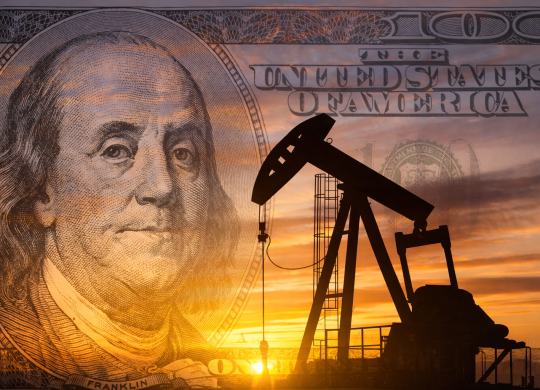
Ceny ropy wzrosły gwałtownie po eskalacji konfliktu wokół Iranu, a rynki już uwzględniają ryzyko dużej konfrontacji na Bliskim Wschodzie. Czy sytuacja ograniczy się do krótkoterminowego wstrząsu, czy świat wchodzi w głębszy kryzys geopolityczny? Dowiedz się więcej o możliwych scenariuszach i ich globalnych implikacjach

Escalacja konfliktu wokół Iranu wykracza poza lokalne starcia i natychmiast wpływa na rynki globalne. Po nowej fali ataków i ostrej retoryce ze strony stron, ceny ropy gwałtownie wzrosły, sygnalizując zwiększone ryzyko dla globalnych dostaw energii. Szczególnym zmartwieniem jest bezpieczeństwo Cieśniny Ormuz, kluczowej trasy, przez którą przechodzi znaczna część światowych eksportów ropy.
Jednak problem nie dotyczy tylko sektora energetycznego. Analitycy coraz częściej mówią o ryzyku rozszerzenia konfliktu i zaangażowania nowych graczy. Nie tylko dynamika cen paliw, ale także stabilność globalnej gospodarki, podróże lotnicze, logistyka i bezpieczeństwo w ogóle zależą od wydarzeń w regionie.
W naszym poprzednim artykule mówiliśmy o skali irańskiego ostrzału i konsekwencjach dla dotkniętych krajów.
Czy planujesz podróż za granicę i chcesz mieć pewność co do swojego bezpieczeństwa?
Na portalu Visit World możesz szybko wykupić ubezpieczenie zdrowotne, które pokryje opiekę w nagłych wypadkach, hospitalizację i ewakuację w każdym kraju na świecie.

Jak konflikt osiągnął nowy poziom
Obecna eskalacja wokół Iranu stała się jedną z najpoważniejszych w ostatnich latach. Wydarzenia rozwinęły się szybko: dyplomatyczne próby powstrzymania napięć spełzły na niczym, a następnie nastąpiła faza bezpośredniego, siłowego nacisku. W przeciwieństwie do wcześniejszych incydentów, tym razem ataki i ostra retoryka stron stworzyły poczucie przejścia do nowego, bardziej niebezpiecznego etapu.
Ataki i niepowodzenie negocjacji
Zgodnie z informacjami agencji międzynarodowych, po załamaniu procesu negocjacyjnego sytuacja gwałtownie się pogorszyła w ciągu 48 godzin. Seria ataków na cele w Iranie sygnalizowała, że zasoby dyplomatyczne zostały wyczerpane, a stawka została podniesiona. Retoryka urzędników tylko zwiększyła napięcia - strony faktycznie przeszły do formatu twardej odstraszania z użyciem siły. To właśnie ta faza stała się punktem zwrotnym: rynki odebrały to jako realne ryzyko rozszerzenia konfliktu poza bilateralne starcie.
Dlaczego ta eskalacja różni się od poprzednich?
Bliski Wschód regularnie doświadcza okresów napięcia, ale obecna sytuacja ma kilka różnic:
1. Zwiększony poziom bezpośredniego zaangażowania militarnego, a nie tylko działań zastępczych;
2. Strategiczna wrażliwość chwili z powodu globalnej niestabilności energetycznej;
3. Ryzyko zaangażowania szerszego kręgu państw.
Analitycy zwracają uwagę, że obecna konfiguracja sił jest znacznie bardziej złożona niż podczas wcześniejszych kryzysów. Każdy nowy incydent może wywołać reakcję łańcuchową.
Oprócz bezpośrednich stron konfliktu, sytuacja już wpływa na interesy głównych graczy globalnych. Stany Zjednoczone pozostają kluczowym czynnikiem bezpieczeństwa w regionie. Izrael demonstruje swoją gotowość do podjęcia twardych działań. Iran polega na szerokiej sieci regionalnych sojuszników.
Czy konflikt prawdopodobnie się zaostrzy: kto mógłby być zaangażowany?
Obecna eskalacja już wykracza poza bilateralne starcie. Konfiguracja sił w regionie jest taka, że dalsze zaostrzenie niemal automatycznie wpływa na interesy kilku potęg.
Stany Zjednoczone pozostają kluczowym czynnikiem bezpieczeństwa na Bliskim Wschodzie. Obecność wojsk amerykańskich w regionie jest znacząca, a każde zagrożenie dla sojuszników lub strategicznych szlaków dostaw energii może prowadzić do bezpośredniego zaangażowania Waszyngtonu. Jednocześnie administracja USA tradycyjnie starała się unikać dużej kampanii lądowej, co sprawia, że format interwencji jest ograniczony, ale nie niemożliwy.
Izrael postrzega ryzyko bezpieczeństwa ze strony Iranu jako strategiczne. Jeśli ataki będą kontynuowane lub odpowiedź Iranu stanie się bardziej dotkliwa, konflikt może przerodzić się w fazę systematycznych wzajemnych ataków, co zwiększa ryzyko wojny regionalnej.
Iran z kolei ma rozległą sieć sojuszników w regionie. Rozszerzenie działań wojennych przez graczy zastępczych mogłoby otworzyć kilka równoległych obszarów napięcia: od Zatoki Perskiej po Wschodnią Morze Śródziemne.
Chiny są bezpośrednio uzależnione od stabilności dostaw energii z Bliskiego Wschodu, ponieważ są jednym z największych importerów ropy z tego regionu. Pekin nie wykazuje żadnych zamiarów interwencji militarnej, ale jego interesy gospodarcze zmuszają go do aktywnego monitorowania wydarzeń.
Skala konfliktu zależy od trzech czynników: czasu trwania działań wojennych, bezpieczeństwa Cieśniny Ormuz oraz poziomu bezpośredniej interwencji mocarstw zewnętrznych. Jeśli przynajmniej jeden z tych elementów wymknie się spod kontroli, lokalna eskalacja może przerodzić się w szerszy kryzys regionalny o globalnych konsekwencjach.
Dlaczego ceny ropy były pierwsze, które zareagowały?
Rynek ropy tradycyjnie jest najbardziej wrażliwy na ryzyka geopolityczne na Bliskim Wschodzie. Po eskalacji konfliktu wokół Iranu ceny Brent wzrosły o około 10%, z około 73 USD za baryłkę do około 80 USD. Wzrost nastąpił nawet przed jakimikolwiek rzeczywistymi zakłóceniami dostaw, co wskazuje na prewencyjną reakcję inwestorów.
Powodem jest struktura globalnego rynku energii. Bliski Wschód odpowiada za znaczną część światowych eksportów ropy, a Cieśnina Ormuz pozostaje kluczową trasą transportową. Około 20% światowych dostaw ropy naftowej przechodzi przez nią. Jakiekolwiek ryzyko zablokowania lub nawet częściowego ograniczenia ruchu tankowców jest natychmiast wyceniane jako premia ryzyka.
Rynek reaguje nie tylko na rzeczywiste wolumeny produkcji, ale także na oczekiwania. Jeśli handlowcy zakładają, że dostawy mogą zostać zmniejszone o kilka milionów baryłek dziennie, wpływa to na kontrakty terminowe już dziś. Analitycy szacują, że w przypadku poważnych zakłóceń cena może zbliżyć się do 90-100 USD za baryłkę, nawet jeśli niedobór jest tymczasowy.
Dodatkowym czynnikiem jest ograniczony czas reakcji producentów. Nawet jeśli niektóre kraje zgodzą się na zwiększenie produkcji, fizyczne zwiększenie dostaw zajmie czas. Dlatego rynek reaguje na ryzyko szybciej niż na rzeczywiste zmiany w równowadze podaży i popytu.
W ten sposób wzrost cen był pierwszym wskaźnikiem, że inwestorzy postrzegają eskalację jako potencjalnie systemowy kryzys, a nie krótkoterminowy incydent.
Cieśnina Ormuz: co się stanie, jeśli dostawy zostaną zakłócone
Cieśnina Ormuz jest kluczową arterią globalnego rynku ropy. Około 20% światowych dostaw ropy oraz znaczna część eksportu skroplonego gazu ziemnego z krajów Zatoki Perskiej przechodzi przez ten wąski korytarz morski. Jakiekolwiek zakłócenia w tym obszarze automatycznie wpływają na globalną równowagę podaży i popytu.
Nawet częściowe ograniczenie żeglugi może prowadzić do utraty kilku milionów baryłek dziennie. Zgodnie z szacunkami analityków, w przypadku poważnej blokady rynek mógłby stracić do 8-10 milionów baryłek dziennie, nawet biorąc pod uwagę alternatywne trasy rurociągów. To objętość, której nie można szybko zrekompensować.
Alternatywne trasy transportowe istnieją, ale ich pojemność jest ograniczona. Niektóre eksporty mogą być przekierowane przez rurociągi do Morza Czerwonego lub innych portów, ale te pojemności nie mogą całkowicie zastąpić transportu morskiego przez Cieśninę.
W przypadku rzeczywistej blokady konsekwencje byłyby wielopoziomowe. Pierwszym efektem byłby gwałtowny wzrost cen ropy. Następnie wzrosną koszty ubezpieczenia transportu, wzrosną koszty frachtu tankowców, a niektóre firmy żeglugowe mogą tymczasowo wstrzymać działalność z powodu zwiększonego ryzyka. To dodatkowo obciąży łańcuchy dostaw.
Dlatego Cieśnina Ormuz pozostaje głównym czynnikiem strategicznym w obecnym kryzysie. Dopóki ruch tankowców odbywa się bez większych zakłóceń, rynek reaguje tylko na ryzyko. Jeśli rzeczywiście dojdzie do zakłócenia przepływu transportu, reakcja cenowa może być znacznie ostrzejsza i dłuższa.
Czy świat może zrekompensować ewentualny niedobór ropy?
Jeśli zakłócenia w Cieśninie Ormuz staną się rzeczywistością, kluczowe pytanie brzmi, czy rynek globalny będzie w stanie szybko pokryć stratę kilku milionów baryłek dziennie. Obecnie odpowiedź jest raczej ostrożna: możliwości techniczne istnieją, ale ich skala i szybkość są ograniczone.
Kraje OPEC+ mają pewien rezerw produkcyjny, ale jego objętość nie jest porównywalna z potencjalnymi stratami 8-10 milionów baryłek dziennie w przypadku poważnej blokady cieśniny. Ponadto, nawet jeśli podejmie się decyzję o zwiększeniu produkcji, fizyczne zwiększenie dostaw zajmie czas: od kilku tygodni do miesięcy.
Stany Zjednoczone i inne główne gospodarki mają strategiczne rezerwy ropy. Mogą one częściowo złagodzić krótkoterminowy wstrząs, ale te rezerwy są przeznaczone na kryzysy tymczasowe i nie mogą długoterminowo zrekompensować dużego deficytu. Wykorzystanie rezerw nie rozwiązuje również problemu logistyki, jeśli trasy transportowe pozostają niebezpieczne.
Kolejnym czynnikiem są techniczne ograniczenia infrastruktury. Nawet przy dodatkowej produkcji potrzebne są tankowce, ubezpieczenie, bezpieczne korytarze morskie i stabilne porty załadunkowe. W warunkach zwiększonego ryzyka militarnego te elementy mogą być zakłócone.
Możliwe scenariusze cen ropy w nadchodzących miesiącach
Dalsza dynamika cen zależy od trzech zmiennych: czasu trwania eskalacji, bezpieczeństwa Cieśniny Ormuz oraz stopnia zewnętrznego zaangażowania. Rynek już uwzględnił premię ryzyka, ale dalsze ruchy cenowe będą determinowane przez wydarzenia w regionie.
Scenariusz bazowy to kontrolowana eskalacja. Jeśli żegluga przez Cieśninę Ormuz nie zostanie zakłócona, a strony ograniczą swoje działania do demonstracyjnych ataków bez systematycznej kampanii, ceny mogą pozostać w wyższym przedziale 80-90 USD za baryłkę. Zmienność będzie się utrzymywać, ale bez gwałtownego niedoboru fizycznych dostaw.
Scenariusz negatywny to przedłużające się zakłócenia dostaw. Częściowe ograniczenia ruchu tankowców lub ataki na infrastrukturę mogą wyeliminować z rynku kilka milionów baryłek dziennie. W takim przypadku notowania mogą szybko zbliżyć się do 90-100 USD i utrzymać się na wysokim poziomie przez kilka miesięcy.
Scenariusz stresowy - duża wojna regionalna. Całkowita lub przedłużająca się blokada cieśniny, zaangażowanie kilku państw i ataki na infrastrukturę energetyczną mogą spowodować skok powyżej 100 USD za baryłkę. Taki poziom oznaczałby nie tylko turbulencje energetyczne, ale także ryzyko globalnego wstrząsu inflacyjnego i globalnego spowolnienia gospodarczego.
Obecnie rynek waha się między pierwszym a drugim scenariuszem. Konkretne wydarzenia w regionie pozostają decydujące: czy bezpieczeństwo szlaków morskich zostanie utrzymane i czy strony będą w stanie uniknąć bezpośredniego, dużego starcia.
Jak eskalacja może wpłynąć na gospodarkę globalną i codzienne życie?
Rosnące ceny ropy to tylko pierwszy poziom wpływu. Dalszy efekt rozciąga się na inflację, logistykę, podróże lotnicze i rynki finansowe.
Konsumenci paliw najszybciej odczuwają zmiany. Droższa ropa zwiększa koszty benzyny i oleju napędowego, co bezpośrednio wpływa na transport, dostawę towarów i koszty produkcji przedsiębiorstw. W krajach importujących energię tworzy to dodatkową presję inflacyjną.
Przemysł lotniczy również zależy od kosztów paliwa. Wzrost cen może prowadzić do wyższych taryf lotniczych, dostosowań tras lub zwiększenia kosztów ubezpieczenia lotów przez obszary wysokiego ryzyka. Firmy logistyczne stają w obliczu droższych frachtów i ubezpieczeń statków, co odbija się na kosztach importowanych towarów.
Rynki finansowe reagują zmiennością. Rośnie popyt na aktywa ochronne, a kursy walut krajów eksportujących i importujących ropę zmieniają się. Banki centralne mogą stanąć przed trudnym wyborem między ograniczeniem inflacji a wspieraniem wzrostu gospodarczego.
Jeśli ceny pozostaną wysokie przez dłuższy czas, może to spowolnić globalne ożywienie gospodarcze. Kraje o dużym uzależnieniu od importu energii i słabej stabilności walutowej będą najbardziej narażone.
Co powinni wziąć pod uwagę podróżni i firmy w obliczu niestabilności?
Eskalacja na Bliskim Wschodzie wpływa nie tylko na rynki finansowe, ale także na codzienne decyzje firm i turystów. Zwiększone napięcia geopolityczne mogą prowadzić do zmian w trasach podróży lotniczych, wyższych cen biletów i zwiększenia stawek ubezpieczeniowych za podróże przez ryzykowne obszary.
Podróżni powinni uważnie monitorować zalecenia rządowe dotyczące bezpieczeństwa, sprawdzać status lotów i zakres ubezpieczenia. W przypadku dalszej eskalacji korytarze powietrzne mogą zostać dostosowane lub mogą zostać nałożone tymczasowe ograniczenia lotów nad niektórymi obszarami.
Firmy powinny rozważyć ryzyko opóźnień w dostawach i zwiększonych kosztów transportu. Firmy, które zależą od importu surowców lub zasobów energetycznych, powinny przeanalizować umowy i trasy logistyczne. Zwiększona zmienność na rynkach walutowych i towarowych również wymaga ostrożniejszego planowania finansowego.
Szczególną uwagę należy zwrócić na ubezpieczenie, zarówno dla transportu międzynarodowego, jak i podróży. W czasach niestabilności, ubezpieczenie staje się kluczowym elementem ochrony przed nieprzewidzianymi wydatkami.
Dalszy rozwój sytuacji zależy od bezpieczeństwa strategicznych szlaków energetycznych i skali eskalacji militarnej. Dopóki sytuacja pozostaje dynamiczna, ostrożność i gotowość na szybkie zmiany są warunkiem koniecznym zarówno dla firm, jak i podróżnych.
Sytuacja bezpieczeństwa na świecie zmienia się szybko, a wydarzenia na Bliskim Wschodzie po raz kolejny przypominają nam, jak ważne jest dbanie o własną ochronę podczas podróży. Ubezpieczenie zdrowotne to warunek bezpiecznej podróży za granicę - pokrywa nagłą pomoc medyczną, hospitalizację i ewakuację w przypadku nieprzewidzianych okoliczności. Na portalu Visit World możesz szybko i wygodnie zakupić polisę ubezpieczeniową na podróż do dowolnego kraju na świecie.
Wykup ubezpieczenie z wyprzedzeniem - to twoje niezawodne wsparcie w każdej sytuacji!
Przypominamy! Niektóre kraje to państwa wyspiarskie o neutralności politycznej, co oznacza, że prawdopodobieństwo konfliktu zbrojnego jest dość niskie. Przeczytaj więcej o krajach, które mogą wziąć udział w III wojnie światowej i najbezpieczniejszych krajach na świecie.
Produkty z Visit World na komfortową podróż:
Przewodnik turystyczny dla 200 krajów;
Porady prawne od lokalnego specjalisty w sprawach wizowych i migracyjnych;
Ubezpieczenie podróżne na całym świecie (proszę wybrać kraj zainteresowania i obywatelstwo, aby otrzymać usługi);
Ubezpieczenie zdrowotne na całym świecie.
Monitorujemy dokładność i aktualność naszych informacji, więc jeśli zauważysz jakiekolwiek błędy lub nieścisłości, skontaktuj się z naszą infolinią.
Frequantly
asked questions
Dlaczego ceny ropy wzrosły teraz?
Dlaczego Cieśnina Ormuz jest tak ważna dla globalnej gospodarki?
Czy konflikt może eskalować w dużą wojnę regionalną?
Czy świat może zrekompensować możliwy niedobór ropy?
Jak eskalacja może wpłynąć na zwykłych konsumentów?
Recommended articles
3 min
Travels
Francja ustanowiła nowy rekord turystyczny: 102 miliony gości w 2025 roku
W 2025 roku Francja ponownie stała się najczęściej odwiedzanym krajem na świecie, przyjmując rekordowe 102 miliony turystów. Przyjazdy turystów wzrosły dzięki odbudowie międzynarodowych podróży i zwiększonemu zainteresowaniu europejskimi destynacjami. Dowiedz się więcej o przyczynach rekordu, kluczowych rynkach i co to oznacza dla podróżnych w 2026 roku
01 mar. 2026
More details3 min
Expats
Wiza dla cyfrowych nomadów w Hiszpanii 2026: nowe wymagania finansowe i warunki jej uzyskania
Hiszpania zaktualizowała swoje wymagania finansowe dla wnioskodawców o wizę dla cyfrowych nomadów, podnosząc minimalny próg dochodowy. Zmiany weszły w życie w lutym 2026 roku i dotyczą zarówno pojedynczych wnioskodawców, jak i tych, którzy przeprowadzają się z rodzinami. Dowiedz się więcej o nowych kwotach, warunkach programu i procedurze ubiegania się o wizę dla cyfrowych nomadów w Hiszpanii
28 lut. 2026
More details3 min
Travels
Madryt — najlepsze miejsce w Europie na 2026 rok: co zwiedzić, co robić i dlaczego warto pojechać?
Madryt został oficjalnie uznany za najlepszą destynację turystyczną w Europie w 2026 roku przez European Best Destinations. Hiszpańska stolica pokonała 19 innych miast i regionów na kontynencie, otrzymując największe wsparcie od podróżnych z całego świata. Dowiedz się więcej o tym, jak powstał ranking, co sprawia, że Madryt jest tak atrakcyjny i które inne destynacje znalazły się w pierwszej dwudziestce
01 mar. 2026
More details3 min
Popular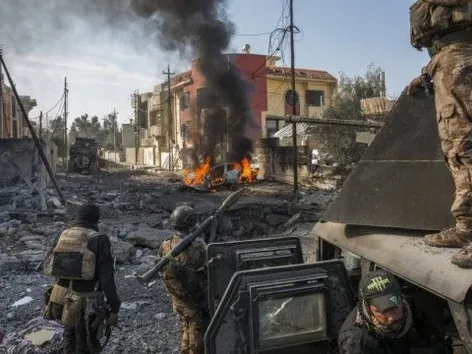
Irański atak rakietowy na 11 krajów: ponad 460 rakiet i 350 dronów w ciągu dwóch dni
Bliski Wschód doświadcza największej eskalacji militarnej w ostatnich latach. Iran przeprowadził masowe ataki na kraje w regionie, co skutkowało śmiercią i obrażeniami wśród ludności cywilnej w kilku krajach. Dowiedz się więcej o skali ataków Iranu i konsekwencjach dla dotkniętych krajów
02 mar. 2026
More detailsAll materials and articles are owned by VisitWorld.Today and are protected by international intellectual property regulations. When using materials, approval from VisitWorld.Today is required.