

Jak przeprowadzić się do Niemiec w 2026 roku: Kompletny przewodnik dla imigrantów
Table of contents
- Wizy i zezwolenia na pobyt w Niemczech
- Obywatelstwo niemieckie: wymagania dotyczące kwalifikacji
- Praca i wynagrodzenia w Niemczech
- System podatkowy w Niemczech
- Ile kosztuje życie w Niemczech?
- Wynajem i zakup nieruchomości w Niemczech
- Opieka zdrowotna w Niemczech
- Edukacja w Niemczech: od przedszkola do uniwersytetu
- Zalety i wyzwania życia w Niemczech
- Usługi bankowe i infrastruktura finansowa w Niemczech
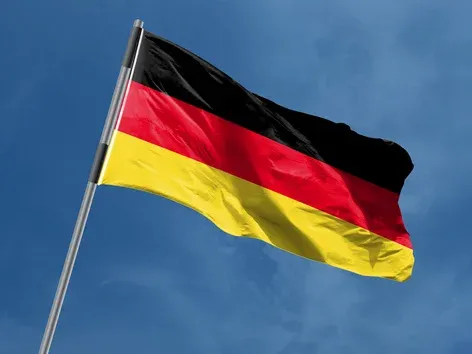
Niemcy pozostają jednym z najpopularniejszych kierunków emigracji wśród Ukraińców dzięki stabilnej gospodarce, świadczeniom socjalnym i wysokiemu standardowi życia. Proces przeprowadzki wymaga zrozumienia procedur wizowych, systemu podatkowego, rynku nieruchomości i wielu innych aspektów. Dowiedz się więcej o tym, jak zorganizować swoją przeprowadzkę do Niemiec i na co zwrócić uwagę na każdym etapie

Niemcy konsekwentnie zajmują miejsce w czołówce najpopularniejszych krajów do emigracji dzięki wysokiemu standardowi życia, dobrze rozwiniętemu systemowi społecznemu i obfitym możliwościom zatrudnienia. Jednak przeprowadzka do tego kraju wymaga starannego przygotowania – od ubiegania się o wizę po znalezienie mieszkania i dostosowanie się do lokalnych warunków.
W tym artykule omówimy procedury wizowe, koszty życia, rynek pracy, system opieki zdrowotnej, edukację i niuanse kulturowe.
Planujesz przeprowadzkę do Niemiec i nie wiesz, od czego zacząć w kwestii dokumentów?
Prawnik imigracyjny z portalu Visit World pomoże Ci wybrać najlepszą drogę do legalizacji, przygotować niezbędne dokumenty i uniknąć odmów.

Wizy i zezwolenia na pobyt w Niemczech
Istnieją dwa główne rodzaje wiz do Niemiec. Wiza Schengen kategorii C jest przeznaczona na krótkoterminowe wizyty do 3 miesięcy – turystyczne, biznesowe lub gościnne. Wiza krajowa kategorii D pozwala na długoterminowy pobyt w kraju i jest odpowiednia dla osób planujących studia, pracę lub prowadzenie działalności gospodarczej. Ta wiza pozwala na pobyt do sześciu miesięcy.
Aby ubiegać się o wizę, musisz złożyć następujące dokumenty:
– ważny paszport z kopiami wszystkich stron;
– dwa zdjęcia 3×4 cm;
– dwa formularze wniosku wizowego, wypełnione po niemiecku i wydrukowane online;
– ubezpieczenie zdrowotne;
– list od pracodawcy lub instytucji edukacyjnej;
– rezerwacje lotów;
– kopia umowy najmu mieszkania;
– wyciąg bankowy potwierdzający wystarczające środki;
– potwierdzenie zapłaty opłaty wizowej.
Dokumenty składa się w niemieckim konsulacie lub centrum wizowym w kraju zamieszkania po wcześniejszym umówieniu się na wizytę.
Jak uzyskać zezwolenie na pobyt i stały pobyt w Niemczech?
Zezwolenie na pobyt w Niemczech można uzyskać na kilku podstawach: zatrudnienie, studia, rozpoczęcie działalności gospodarczej, łączenie rodzin, małżeństwo z obywatelem Niemiec lub status uchodźcy. Tymczasowe zezwolenie na pobyt (TRP) wydawane jest na okres od 1 do 3 lat z możliwością przedłużenia.
Aby uzyskać zezwolenie na pobyt, będziesz potrzebować:
– formularza wniosku w języku niemieckim;
– dwóch zdjęć 3×4 cm;
– paszportu zagranicznego;
– paszportu z kraju urodzenia z kopiami wszystkich stron;
– wyciągów bankowych;
– umowy o pracę lub zaświadczenia z instytucji edukacyjnej;
– umowy najmu lub dowodu własności nieruchomości;
– zaświadczenia o niekaralności;
– potwierdzenia zapłaty opłaty konsularnej;
– ubezpieczenia zdrowotnego.
W poprzednim artykule szczegółowo omówiliśmy jak uzyskać tymczasowe zezwolenie na pobyt w Niemczech.
Warto również wspomnieć o Niebieskiej Karcie UE – specjalnym rodzaju zezwolenia na pobyt dla wysoko wykwalifikowanych specjalistów. Absolwenci niemieckich lub innych prestiżowych uniwersytetów na całym świecie, profesjonaliści z wykształceniem wyższym i ponad 5-letnim doświadczeniem zawodowym w danej dziedzinie, a także pracownicy z umową z niemiecką firmą o wartości co najmniej 55 000 euro rocznie (próg jest niższy dla specjalistów IT – zaczynając od 44 304 euro) są uprawnieni do tej karty.
Stałe zameldowanie (PR) przyznawane jest osobom, które legalnie mieszkały w Niemczech przez co najmniej 5 lat, pracowały i opłacały wszystkie wymagane podatki i składki. Aby ubiegać się o PR, będziesz również potrzebować certyfikatu znajomości języka oraz dowodu ukończenia kursu integracyjnego. Wszystkie dokumenty muszą być przetłumaczone na język niemiecki, skopiowane i poświadczone notarialnie.
Obywatelstwo niemieckie: wymagania dotyczące kwalifikacji
Możesz uzyskać niemiecki paszport po legalnym pobycie w kraju przez co najmniej 8 lat. Okres ten jest znacznie skrócony – do 3 lat – jeśli pomyślnie ukończysz kurs integracyjny z języka niemieckiego. Kurs ten polega na nauce języka i zapoznaniu się z prawnymi, kulturowymi i społecznymi podstawami życia w kraju.
Obywatelstwo niemieckie otwiera szerokie możliwości w Unii Europejskiej: jego posiadacz może swobodnie mieszkać, studiować i pracować w każdym kraju UE bez potrzeby ubiegania się o osobne zezwolenie na pobyt. To sprawia, że niemiecki paszport jest jednym z najbardziej atrakcyjnych na świecie pod względem swobody poruszania się.
Praca i wynagrodzenia w Niemczech
Niemiecki rynek pracy oferuje przyzwoite wynagrodzenie. Minimalna płaca wynosi 14 euro za godzinę – jedna z najwyższych stawek w Europie. Pracownicy niewykwalifikowani mogą liczyć na dochód w wysokości 2800 euro miesięcznie, podczas gdy wykształceni profesjonaliści mogą zarabiać 3500 euro lub więcej. Znaczną zaletą są płatne wakacje, które wynoszą około dwóch miesięcy rocznie, w tym dni świąteczne.
Możesz szukać pracy przez pośrednictwo pracy, specjalistyczne strony internetowe (jobcenter-ge.de, europa.jobs, stellenanzeigen.de), a także przez media społecznościowe i tematyczne grupy na Facebooku. Znajomość języka niemieckiego znacznie ułatwia poszukiwanie pracy i zwiększa szanse na zdobycie lepszych stanowisk. Jednak anglojęzyczni cudzoziemcy mogą również znaleźć zatrudnienie w Niemczech. Dla studentów i osób poszukujących pracy w niepełnym wymiarze godzin istnieją dedykowane platformy – prace dorywcze, sezonowe lub stanowiska dla świeżo upieczonych absolwentów.
Pełny przewodnik po znalezieniu pracy w Niemczech dla cudzoziemców w 2026 roku – tutaj.
System podatkowy w Niemczech
Główne obowiązkowe płatności to podatek dochodowy i ubezpieczenie społeczne, które obejmuje ubezpieczenie zdrowotne. Niemiecki rezydent jest zobowiązany do płacenia podatków od wszystkich swoich dochodów na całym świecie, a tajemnica bankowa w kraju praktycznie nie istnieje. Stawka podatku dochodowego jest progresywna i zależy od poziomu dochodu: waha się od 14% do 45%.
Na przykład: dla rocznego wynagrodzenia do 40 000 euro stawka wynosi około 20%, a dla dochodu 60 000 euro wynosi już około 28%. Dochód do 9168 euro rocznie jest wolny od podatku. Ostateczna kwota podatku zależy również od stanu cywilnego, liczby dzieci i innych czynników. Ważne jest, aby zrozumieć, że wysokie podatki są równoważone przez dobrze rozwiniętą infrastrukturę społeczną – w tym zasiłki dla bezrobotnych, zasiłki na dzieci i ubezpieczenie zdrowotne.
Usługi Visit World dla turystów, migrantów i ekspatów: Ubezpieczenie | Przewodniki | Porady prawne
Ile kosztuje życie w Niemczech?
Średni miesięczny budżet dla osoby samotnej wynosi od 1000 do 2500 euro, a dla rodziny z dwójką dzieci od 2500 do 4500 euro. Wartości te znacznie różnią się w zależności od miasta i stylu życia. Wynajem mieszkania z jedną sypialnią w centrum Berlina, Monachium lub Hamburga kosztuje 800–1500 euro miesięcznie, podczas gdy w mniejszych miastach i na przedmieściach wynosi od 400 do 800 euro. Koszty żywności wynoszą 200–400 euro miesięcznie na osobę.
Koszty transportu wynoszą 70–100 euro za bilet komunikacji miejskiej (sam bilet kosztuje 49 euro), podczas gdy utrzymanie prywatnego samochodu wynosi średnio 200 euro miesięcznie. Ubezpieczenie zdrowotne kosztuje 80–400 euro, media 230–250 euro, a internet i telewizja około 50 euro. Dodatkowe wydatki na odzież, rozrywkę i edukację mogą wynieść kolejne 100–300 euro miesięcznie.
Przydatne zasoby i usługi w Niemczech dla ekspatów – można znaleźć tutaj.
Wynajem i zakup nieruchomości w Niemczech
Rynek wynajmu w Niemczech charakteryzuje się dużym popytem i silną konkurencją. Mieszkanie z dwiema sypialniami może kosztować od 500 do 750 euro miesięcznie, w zależności od lokalizacji. Ważny szczegół: mieszkania zazwyczaj wynajmowane są bez mebli, bez kuchni, sprzętu czy nawet żarówek. Aby wynająć, będziesz potrzebować: formularza informacji osobistych, kopii raportu kredytowego Schufa, dowodu dochodu za ostatnie 3 miesiące, kopii paszportu i zezwolenia na pobyt. Możesz znaleźć mieszkania na stronach takich jak Immobilienscout24, Immowelt.de, Immonet.de i eBayKleinanzeigen.de, a także przez grupy w mediach społecznościowych.
Koszt zakupu nieruchomości zależy od miasta i dzielnicy. Na rynku wtórnym mieszkanie z dwiema sypialniami zaczyna się od 60 000 euro, a w nowych inwestycjach – od 240 000 euro. Wielu obywateli niemieckich kupuje domy dzięki dobrze rozwiniętemu systemowi kredytów hipotecznych. Mieszkanie z zwierzętami jest dozwolone w Niemczech, ale zwierzę musi być zaczipowane, mieć wszystkie szczepienia (w tym na wściekliznę), zaświadczenie zdrowotne i paszport UE. Nałożone są znaczne kary za niespełnienie przepisów dotyczących higieny.
Opieka zdrowotna w Niemczech
Standard opieki zdrowotnej w Niemczech należy do najwyższych na świecie. Kraj ten ma liczne specjalistyczne kliniki i specjalistów, a szpitale – nawet publiczne – są wyposażone w nowoczesne urządzenia. Ubezpieczenie zdrowotne jest obowiązkowe, a składki są potrącane z wynagrodzenia. Koszty ubezpieczenia wahają się od 100 do 200 euro miesięcznie i zależą od wieku oraz obecności chorób przewlekłych. Cała rodzina może być ubezpieczona w ramach jednej polisy. Bezpłatne ubezpieczenie dostępne jest dla emerytów, rodzin o niskich dochodach i uchodźców.
Jednocześnie system ma swoje wady. Uzyskanie wizyty u specjalisty może zająć do sześciu miesięcy z powodu niedoboru wysoko wykwalifikowanych lekarzy. Ponadto pacjenci nie zawsze mają możliwość wyboru własnego lekarza lub badań – decyzje często zależą od systemu skierowań. Medycyna prewencyjna i wczesna diagnoza, jak w wielu innych krajach europejskich, nie są tak dobrze rozwinięte.
Kto ma prawo do bezpłatnego ubezpieczenia zdrowotnego dla członków rodziny w Niemczech – wyjaśniamy tutaj.
Edukacja w Niemczech: od przedszkola do uniwersytetu
Przedszkola przyjmują dzieci w wieku od 3 do 6 lat, a ośrodki dzienne przyjmują dzieci od 8 tygodni do 3 lat. Miejsc w przedszkolach jest niewiele, dlatego najlepiej zarejestrować się jak najwcześniej – najlepiej zaraz po urodzeniu dziecka. W publicznych przedszkolach opłata wynosi 70–200 euro miesięcznie na dziecko, chociaż uczęszczanie jest bezpłatne w Berlinie i Hamburgu. Niektóre instytucje pobierają opłaty tylko za posiłki, podczas gdy inne ustalają opłaty na podstawie dochodów rodziny. Prywatne przedszkole kosztuje od 1000 euro miesięcznie. Edukacja szkolna w szkołach publicznych jest bezpłatna – rodzice pokrywają tylko koszty materiałów szkolnych i wycieczek. Międzynarodowe szkoły dla dzieci dyplomatów i pracowników międzynarodowych firm kosztują od 15 000 do 20 000 euro rocznie.
Wyższe wykształcenie na publicznych uniwersytetach może być bezpłatne, jeśli posiadasz certyfikat znajomości języka na poziomie C1 (DSH, TestDaF). Musisz tylko uiścić opłaty administracyjne: 100–250 euro za studia licencjackie i 200–320 euro za studia magisterskie. Przed zapisaniem się na uniwersytet, międzynarodowi kandydaci odbywają roczny kurs w Studienkolleg – programie przygotowawczym przeduniwersyteckim. Programy płatne na prywatnych i specjalistycznych uniwersytetach zaczynają się od 5000 euro za semestr. Niemcy mają dobrze rozwinięty system stypendialny: DAAD finansuje około 150 000 stypendystów rocznie, a oprócz tego istnieje 20 innych organizacji stypendialnych.
Zalety i wyzwania życia w Niemczech
Do głównych zalet należy dogodna lokalizacja geograficzna (zaledwie kilka godzin podróży do Pragi, Amsterdamu czy Wiednia), dobrze rozwinięte środowisko, niski wskaźnik przestępczości z wskaźnikiem wykrywalności przestępstw wynoszącym około 94%, najlepsze drogi w UE, dobrze rozwinięta sieć transportowa oraz solidna sieć zabezpieczeń społecznych.
Niemiecka edukacja uważana jest za jedną z najlepszych na świecie, a wynagrodzenia należą do najwyższych w Europie.
Wyzwania to wysokie podatki, wysokie koszty usług i komunikacji mobilnej, surowe przepisy z wysokimi karami za naruszenia oraz warunki pogodowe, które nie zawsze są przyjemne – zimy są deszczowe, a klimat jest generalnie umiarkowany kontynentalny z regionalnymi różnicami. Język niemiecki jest niezbędny do pełnej integracji: chociaż około 90% populacji rozumie angielski, wszystkie codzienne i oficjalne sprawy załatwia się znacznie szybciej po niemiecku.
Niemcy znane są z przestrzegania prawa, oszczędności i miłości do porządku – cech, które są wpajane od wczesnego dzieciństwa. Oszczędzanie pieniędzy i wydawanie mniej niż zarabiasz uważane jest tutaj za cnotę, na równi z uczciwością i skromnością. Tradycje rodzinne, dbałość o naturę i miłość do zwierząt są integralną częścią codziennego życia. Niemcy mają tendencję do bycia dość otwartymi w komunikacji, ale szanują granice osobiste.
Do interesujących tradycji należy niedziela jako dzień całkowitego odpoczynku, kiedy większość sklepów i restauracji jest zamknięta, jarmarki bożonarodzeniowe z rękodziełem, Schultüte (duży kartonowy stożek wypełniony słodyczami i prezentami, wręczany dzieciom w ich pierwszym dniu w szkole) oraz Polterabend – tradycja weselna polegająca na łamaniu przedmiotów, aby przynieść szczęście nowożeńcom. Dzieci w Niemczech cieszą się również szczególną ochroną: stosowanie kar cielesnych jest zabronione, a naruszenia praw dziecka mogą prowadzić do odebrania dziecka rodzinie. Rodzice są zobowiązani do wspierania swojego dziecka, aż do ukończenia przez nie pierwszej edukacji zawodowej.
Usługi bankowe i infrastruktura finansowa w Niemczech
Niemieckie banki oferują szeroki zakres usług: przelewy międzynarodowe, pożyczki, programy hipoteczne, ubezpieczenia i depozyty. Wszystkie główne banki mają bankowość internetową i aplikacje mobilne, co ułatwia zarządzanie finansami. W Niemczech działają również banki, które funkcjonują wyłącznie online, z możliwością wypłat gotówki przez sieć banków partnerskich.
Dostępność narzędzi finansowych pozwala imigrantom szybko dostosować się do lokalnego systemu: otworzyć konto, uzyskać kartę i ustawić automatyczne płatności za czynsz i media. To ważny krok w procesie integracji, jeden z pierwszych kroków, które powinieneś podjąć po przeprowadzce.
Przeprowadzka do Niemiec to proces wieloetapowy, w którym ważne jest odpowiednie przygotowanie dokumentów, wybór optymalnej drogi do legalizacji i unikanie powszechnych błędów. Portal Visit World oferuje usługi wykwalifikowanego prawnika imigracyjnego, który pomoże Ci w poruszaniu się po procedurach wizowych, przygotowaniu dokumentów do zezwolenia na pobyt lub stałego pobytu oraz poprowadzi Cię przez każdy etap.
Zarezerwuj konsultację z prawnikiem imigracyjnym na portalu Visit World – uzyskaj spersonalizowaną strategię relokacji i profesjonalne wsparcie w rozwiązywaniu wszystkich kwestii imigracyjnych!
Przypomnienie! Planujesz przeprowadzkę do Niemiec? Dowiedz się o zaletach i wadach życia w Niemczech: wysoki standard życia, możliwości kariery, edukacja, zabezpieczenia społeczne i wyzwania dla imigrantów.
Zdjęcie: Freepik
Produkty od Visit World na komfortową podróż:
Lista kontrolna do uzyskania wizy i niezbędnych dokumentów w Niemczech;
Porady prawne dotyczące spraw biznesowych w Niemczech;
Ubezpieczenie podróżne dla cudzoziemców w Niemczech;
Ubezpieczenie zdrowotne na całym świecie.
Monitorujemy dokładność i aktualność naszych informacji, więc jeśli zauważysz jakiekolwiek błędy lub nieścisłości, proszę skontaktuj się z naszą infolinią.
Frequantly
asked questions
Ile kosztuje życie w Niemczech każdego miesiąca?
Jaka jest minimalna płaca w Niemczech?
Ile podatku płaci się w Niemczech?
Recommended articles
1 min
Expats
Niemcy zniesiły „turbo-obywatelstwo”: nie ma już możliwości uzyskania niemieckiego paszportu w trzy lata. Dowiedz się, co dokładnie się zmieniło, jak to wpłynie na migrantów i jakie wymagania obowiązują teraz, aby uzyskać niemiecki paszport
10 paź. 2025
More details4 min
Work
Praca w Niemczech w 2026 r.: przewodnik krok po kroku dla obcokrajowców
Niemcy aktywnie rekrutują zagranicznych specjalistów, aby uzupełnić braki kadrowe w kluczowych sektorach gospodarki. Uproszczone procedury wizowe i duże zapotrzebowanie na wykwalifikowanych pracowników sprawiają, że kraj ten jest jednym z najbardziej obiecujących miejsc zatrudnienia w 2026 roku. Dowiedz się więcej o poszukiwanych zawodach, zasobach służących do poszukiwania pracy oraz wymaganiach stawianych zagranicznym kandydatom
20 lut. 2026
More details3 min
Education
Kursy księgowe w Niemczech w 2026 roku: jak wybrać kurs i znaleźć pracę
W 2026 roku Niemcy potrzebują księgowych, a system Weiterbildung oraz finansowanie państwowe umożliwiają zdobycie tego zawodu nawet bez specjalistycznego dyplomu. Jakie obszary studiów są dostępne, ile to kosztuje i kto może liczyć na pełne zwroty kosztów? Dowiedz się więcej o możliwościach przekwalifikowania i perspektywach kariery dla księgowych w Niemczech
02 mar. 2026
More details2 min
Insurance
Niemiecki publiczny system ubezpieczeń zdrowotnych pozwala na włączenie bliskich krewnych do polisy osoby ubezpieczonej bez dodatkowych kosztów. Program Familienversicherung obejmuje małżonków, dzieci i innych członków rodziny, pod warunkiem spełnienia określonych wymagań dotyczących wieku, dochodów i statusu zatrudnienia. Dowiedz się więcej o tym, kto kwalifikuje się do bezpłatnego ubezpieczenia rodzinnego w Niemczech i jakie ograniczenia należy wziąć pod uwagę
13 mar. 2026
More detailsAll materials and articles are owned by VisitWorld.Today and are protected by international intellectual property regulations. When using materials, approval from VisitWorld.Today is required.