

Widespread flight delays in the U.S.: Thousands of cancellations at major airports
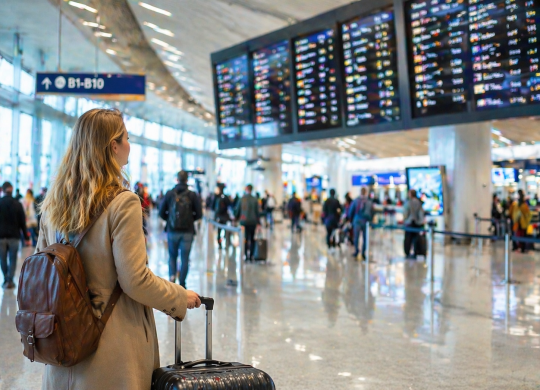
The U.S. is experiencing widespread disruptions in air travel: thousands of flights have been delayed and hundreds canceled in just one day. Key transportation hubs—from Atlanta to New York—have been hit hardest. Learn more about the causes of the air travel chaos and how it’s affecting passengers

The U.S. has experienced widespread disruptions in air travel, affecting several of the country’s largest airports at once. Due to widespread delays and flight cancellations, thousands of passengers have had to make changes to their travel plans.
Key transportation hubs, including Atlanta, Chicago, Dallas, Los Angeles, Miami, and New York, were hit the hardest. The disruptions affected both domestic and international flights and impacted major U.S. airlines.
Detailed information on the extent of the delays and the causes of the aviation chaos is provided below.
In a previous article, we discussed new tourist taxes in Europe in 2026 and which countries will require tourists to pay more.
Planning a trip abroad and want to protect yourself from unforeseen situations?
Travel insurance from Visit World will cover medical expenses, flight delays, and lost luggage in any country. Get a policy online in a few minutes and travel with confidence!

Massive flight delays and cancellations in the U.S.: the scale of the disruptions
The situation with air travel in the U.S. has reached massive proportions: in just one day, over 5,600 flight delays and about 500 cancellations were recorded. During peak periods, the number of disrupted flights exceeded 2,000 over the weekend, which significantly impacted flight schedules across the country.
According to the latest data, over 4,200 flight delays and at least 79 cancellations were recorded in a single day, and the total number of schedule disruptions continues to rise.
In the preceding days, the scale was even greater:
1. Over 5,600 delays and about 500 cancellations per day
2. Over 3,500 flights were affected simultaneously at 27 major airports
3. During peak periods – 8,000+ delays and over 1,000 cancellations
The majority of delays occurred at key U.S. transportation hubs:
- Atlanta
- Chicago
- Dallas
- Los Angeles
- Miami
- New York
These cities are the main hubs for domestic and international travel, so disruptions quickly spread to other destinations.
Certain airports experienced particularly high levels of disruptions. For example, during a wave of bad weather:
- New York recorded over 460 delays in a single day
- Atlanta – over 300 delays
- Miami – approximately 380 flight delays
The disruptions affected the largest airlines, including American Airlines, Delta Air Lines, United Airlines, Southwest Airlines, and SkyWest. In some cases, passengers faced not only delays of several hours but also complete flight cancellations or last-minute route changes.
In total, over 6,000 schedule disruptions (delays + cancellations) were recorded on certain days in the U.S., indicating a systemic nature of the problem rather than localized disruptions at individual airports.
We previously reported that European airlines are canceling flights en masse due to a fuel shortage: the situation is rapidly deteriorating.
Why did massive flight delays occur in the U.S.?
The main cause of the disruptions was adverse weather conditions. Several regions in the U.S. experienced severe thunderstorms, gusty winds, and heavy rain, forcing airlines to massively reschedule or cancel flights for safety reasons. Weather factors were responsible for the majority of delays at key airports.
An additional factor was the overload of aviation infrastructure. Major hubs, such as Atlanta or New York, are operating at the limits of their capacity, so even minor disruptions quickly lead to a chain reaction of delays across the entire route network.
Operational constraints at airlines and airports also played a role:
1. Staff shortages during peak periods
2. Delays in aircraft servicing
3. Airspace restrictions due to weather conditions
This resulted in a “domino effect”: a delay in one flight disrupts the schedules of dozens of subsequent flights, especially at major hubs. This is why disruptions quickly spread to most major routes in the U.S.
In our previous article, we reported that the launch of a new electronic border control system in the EU led to serious disruptions at airports.
What does this mean for passengers?
Massive delays and flight cancellations in the U.S. have already affected thousands of travelers. In many cases, passengers are forced to wait several hours for new flights or even change their itinerary to include additional layovers.
The most common consequences:
- Departure delays of several hours or more
- Flight cancellations on the day of departure
- Missed connections and route changes
- Overcrowded airports and long lines
The situation is particularly challenging at major transportation hubs, where even a single glitch can disrupt dozens of flights throughout the day.
Passengers are advised to check their flight status in advance, arrive at the airport with plenty of time to spare, and be prepared for schedule changes. During periods of aviation instability, even short delays can quickly turn into serious travel disruptions.
No matter how well thought-out your itinerary is, there is always room for force majeure when traveling. Unexpected medical expenses, transportation delays, or problems with luggage can ruin your plans and budget. Travel insurance helps you avoid unnecessary worries in such situations. You can apply for a travel insurance policy for a specific trip online at Visit World - quickly and without unnecessary bureaucracy!
Take out a policy online at Visit World and enjoy your trip without any unnecessary worries!
We remind you! Some countries are island states with political neutrality, which means that the likelihood of military conflict is quite low. Read more about the countries that are likely to participate in World War III and the top safest countries in the world.
Products from Visit World for a comfortable trip:
Travel guide for 200 countries;
Legal advice from a local specialist on visa and migration issues;
Travel insurance around the world (please select the country of interest and citizenship to receive services);
Medical insurance all over the world.
We monitor the accuracy and relevance of our information, so if you notice any errors or inconsistencies, please contact our hotline
Recommended articles
3 min
Podróż samolotem
Ceny biletów lotniczych wzrosły o 560%: co się dzieje w 2026 roku
Ceny biletów lotniczych na całym świecie wzrosły, a podróżni nie powinni oczekiwać, że wkrótce spadną. Z powodu ryzyk geopolitycznych, rosnących kosztów paliwa i zmian tras, loty stają się znacznie droższe. Dowiedz się więcej o tym, co się dzieje na rynku podróży lotniczych w 2026 roku
27 mar. 2026
More details2 min
Podróż samolotem
Niskokosztowy przewoźnik Ryanair odwołał loty na Azory: 400 000 pasażerów jest dotkniętych
Irlandzki niskokosztowy przewoźnik Ryanair oficjalnie zawiesił loty na Azory—jedno z najpopularniejszych miejsc przyrodniczych w Europie. Powodem jest gwałtowny wzrost opłat lotniskowych i nowych podatków. Dowiedz się, jak to wpłynie na turystów i jakie alternatywy pozostają
31 mar. 2026
More details3 min
Travels
Nowe zasady wjazdu do UE sparaliżowały lotniska: pasażerowie czekają godzinami
Nowy system kontroli granicznej UE, który obejmuje zbieranie danych biometrycznych, już spowodował szerokie opóźnienia na lotniskach. Pasażerowie zmuszeni są czekać nawet kilka godzin, a sytuacja może się pogorszyć tego lata. Dowiedz się więcej, dlaczego nowy system spowodował chaos i jak wpłynie na podróże w 2026 roku
16 kwi. 2026
More details2 min
Podróż samolotem
Europejskie linie lotnicze już zaczęły masowo ograniczać loty z powodu gwałtownego wzrostu cen paliwa i problemów z dostawami. Niektóre przewoźniki uziemiają samoloty, podczas gdy inni wprowadzają nowe opłaty, które pasażerowie odczuwają natychmiast. Dowiedz się więcej o tym, które loty są odwoływane, jak bardzo wzrosły ceny biletów i czego się spodziewać dalej
17 kwi. 2026
More detailsAll materials and articles are owned by VisitWorld.Today and are protected by international intellectual property regulations. When using materials, approval from VisitWorld.Today is required.