

Immigration to New Zealand in 2026: Visas, Employment, Costs, and the Path to Citizenship
Table of contents
- Overview of New Zealand’s Immigration System in 2026
- In-demand professions and salary levels in 2026
- Housing Costs: Renting and Buying Property
- Costs of food, transportation, and utilities
- Healthcare in New Zealand: public and private systems
- Education for children: preschool, school, and higher education
- Financial matters: bank accounts, taxes, and money transfers
- The Path to New Zealand Residency and Citizenship
- Climate, Safety, and Quality of Life
- Practical Relocation Plan: Step-by-Step Preparation

Moving to New Zealand in 2026 is a strategy that relies on choosing the right type of visa and understanding the actual costs and chances of obtaining residency. The immigration system is becoming more demanding, but at the same time, it offers clear opportunities for professionals, investors, and families. Learn more about the requirements, costs, and best ways to move

New Zealand remains one of the most attractive destinations for migration thanks to its stable economy, high quality of life, and well-designed immigration system. In 2026, the country’s government remains committed to attracting skilled professionals, offering several clear pathways to residency—from work visas to investor programs.
In this article, we discuss in-demand professions, actual costs for housing, food, and transportation, as well as healthcare, education, and the prospects for obtaining New Zealand citizenship.
Planning to move and want to legally obtain residency?
Visit World’s immigration guide provides step-by-step instructions for applying for a residence permit, a complete list of required documents, and current requirements—all information will be sent to your email address in PDF format within minutes.

Overview of New Zealand’s Immigration System in 2026
Over the past few years, Immigration New Zealand (INZ) has consistently reformed its migration policy, focusing on attracting professionals with specific skills and experience. The strategic focus for 2026 is on highly skilled workers capable of making a sustainable contribution to the country’s economic and social infrastructure. INZ has refined the points-based system, updated the lists of in-demand occupations, and strengthened oversight of employer accreditation for those sponsoring migrant workers.
Key changes include a greater emphasis on English proficiency, relevant work experience, and professional qualifications. Thresholds for investor visas have also been revised, while administrative procedures for high-quality investors have been simplified. Strengthened employer accreditation involves a more thorough review of business viability and the genuine need for foreign workers, aimed at protecting the rights of migrant workers, particularly for citizens of Ukraine, Israel, Malta, and Senegal.
The best countries for digital nomads in 2026 — compiled here.
In-demand professions and salary levels in 2026
New Zealand is experiencing an acute labor shortage in several key sectors. Construction and infrastructure are among the priority areas, with large-scale projects actively underway in Auckland and Wellington. In-demand positions include estimators, project managers, civil engineers, and electricians with potential salaries ranging from 95,000 to 160,000 New Zealand dollars per year. The healthcare sector is constantly in need of general practitioners, registered nurses, psychologists, and radiographers.
The technology sector is booming, particularly in software and digital services. There is demand for cybersecurity analysts, DevOps engineers, and full-stack developers with potential salaries ranging from NZ$120,000 to NZ$200,000+.
In the education sector, there is a need for secondary school teachers (science, mathematics) and preschool educators; however, prior registration as a teacher in New Zealand is required to work.
Visit World services for tourists, migrants, and expats: Insurance | Guides | Legal advice
Housing Costs: Renting and Buying Property
Housing is the largest expense for migrants in New Zealand. Rental costs vary significantly depending on the city and region. In Auckland, the weekly rent for a two-bedroom apartment or a small house is 650–900 New Zealand dollars; in Wellington, it is 600–850 dollars (the rental market here is very competitive); and in Christchurch, it is 500–700 dollars, making this city a more affordable option. Rent in the country is usually paid weekly, and the security deposit can be equivalent to 4 weeks’ rent.
As a rule, only residents and citizens can purchase real estate in New Zealand, so migrants typically rent housing for at least the first year. Housing prices vary significantly: in major cities like Auckland and Wellington, real estate is considerably more expensive than in smaller towns. Many newcomers choose to share a rental with others or consider options in the suburbs and small towns. It is important to note that some homes in New Zealand may not have central heating or double-glazed windows, which affects comfort during the winter months.
Which countries topped the 2026 happiness ranking — find out by following the link.
Costs of food, transportation, and utilities
Weekly food expenses for a couple average 250–350 New Zealand dollars. Fresh local produce is known for its high quality, but prices fluctuate depending on the season. Imported goods are generally more expensive due to the country’s remoteness, while products from New Zealand or neighboring Australia remain more affordable. Most areas have a supermarket nearby, and basic groceries can also be purchased at local convenience stores (dairies). Dining out offers a wide range of options—from takeaways to full-service restaurants. Tipping is not customary here, and menu prices already include GST (tax).
Public transportation is popular in most regions, and special transit cards are usually cheaper than paying cash and offer discounts for students, seniors, and people with disabilities. In some cities, monthly passes with unlimited use are available. For car owners, there are additional costs for fuel, a roadworthiness certificate (mandatory safety inspection), vehicle registration, and a driver’s license. Car insurance is not mandatory, but third-party liability insurance is recommended.
Electricity bills depend on consumption and the type of energy source—during the winter months, heating can cost $200–$300 per month. Fiber-optic internet is standard and costs about $90 per month. Water is usually provided by the local council, and the cost varies by region.
Which countries are considered the easiest to move to in 2026 — read here.
Healthcare in New Zealand: public and private systems
New Zealand has a public healthcare system called Te Whatu Ora, which receives significant subsidies. Holders of work visas valid for two years or more are eligible for free or subsidized public healthcare, which covers hospital visits, emergency care, and maternity care. For most people with resident visas, healthcare and services for people with disabilities are funded by the government. Holders of temporary visas may also be eligible for subsidized services in certain situations—eligibility can be checked on the Health New Zealand Te Whatu Ora website.
Visits to a general practitioner (GP) are not free—the copayment is approximately $40–70 per visit. Prescription medications are mostly free or cost around $5. Despite the existence of the public system, a significant portion of migrants and about 35% of local residents purchase private health insurance. The reason is long wait times for non-urgent surgeries at public facilities. Comprehensive private insurance for a family of four costs $250–400 per month. Among the main local insurers are Southern Cross and NIB. Individuals who do not have access to public healthcare services are advised to obtain health insurance before leaving their home country.
Read more about Europe’s Golden Visas in 2026 at the link.
Education for children: preschool, school, and higher education
New Zealand has a highly regarded education system that ranks highly in international rankings. Early childhood education (ECE) is subsidized by the government for 20 hours per week for children aged 3–5, though full-time care at the best centers can cost $300–500 per week. Children aged 6 to 16 are required to attend school, and public elementary and secondary schools are free for local students—children of residents and work visa holders. Parents typically pay only for school uniforms, school supplies, and exam fees.
Public schools are assigned by residential district, meaning a child must live in the corresponding district to enroll. Schools are rated using a decile system (equity index) that takes into account the district’s socioeconomic status and influences funding levels. Tuition costs for foreign children without a valid student visa can range from $15,000 to $25,000 per year. New Zealand’s universities and polytechnics offer internationally recognized qualifications, making local higher education attractive to international students.
Financial matters: bank accounts, taxes, and money transfers
New Zealand’s banking system is modern and almost entirely cashless—the EFTPOS payment system is widely used. Major banks—ANZ, BNZ, ASB, and Westpac—allow you to open an account before arrival, up to 90 days in advance. Upon arrival, you must visit a branch in person with your passport to activate the account and receive payment cards. One of the first steps after arrival is obtaining an IRD number (tax ID), without which you cannot receive a salary. The IRD registration process takes about 5–10 days.
To transfer savings to New Zealand, it is recommended to use specialized services—Wise, OFX, or Xe—which offer mid-market exchange rates. Regular banks charge a significant markup on the exchange rate (3–5%), so using currency brokers when transferring large sums can save you over $1,500. New Zealand has a low level of corruption, and laws protect consumers from hidden or undisclosed fees for goods and services.
The Path to New Zealand Residency and Citizenship
Obtaining a residence permit (resident visa) is the main stage of legalization in New Zealand. Depending on the chosen pathway, this process can take anywhere from a few months (for Level 1 “Green List” professions) to two or more years (for the Work to Residence pathway). After obtaining a residence visa, the migrant is entitled to most public services, including subsidized healthcare and free schooling for children. Residents who have lived in the country for 12 months or more also gain the right to vote in national elections.
For investors, the path to indefinite permanent residency opens after 4 years of maintaining their investment and meeting residency requirements. After obtaining a 5-year residence visa, the investor may apply for indefinite status. Overall, New Zealand’s immigration policy in 2026 focuses on recognizing the tangible contributions of migrants and their clear intent to settle permanently, creating a predictable system for those seriously planning to relocate.
Where in Europe is it hardest to obtain citizenship in 2026?— we covered this in a previous article.
Climate, Safety, and Quality of Life
New Zealand has a temperate climate with four distinct seasons. In summer (December–February), the average high temperature is 20–30 °C; in winter (June–August), it is 10–15 °C. The weather varies significantly by region: it is warmer in the north, cooler in the south, and snow falls in the mountains and on the South Island. The country’s small size makes it easy to travel between beaches, natural forests, volcanoes, and fjords.
Over 30% of the territory is covered by national parks and nature reserves.
The country consistently ranks highly on the Global Peace Index and the OECD Better Life Index. Residents enjoy fundamental human rights and freedoms that protect against discrimination. The police are trained to assist and protect all residents and typically do not carry weapons. New Zealanders value a balance between work and personal life: every employee receives at least 20 days of paid annual leave and 11 additional days for public holidays. New parents are entitled to paid leave to care for a newborn child.
Practical Relocation Plan: Step-by-Step Preparation
You should start preparing for your move 12 months before your planned departure date. At this stage, you need to check your eligibility on the New Zealand Immigration Service website, calculate your points, and, if necessary, begin the process of having your qualifications recognized or registering with the relevant professional body (for nurses, engineers, and teachers, this process can take 3–6 months). Six months before departure, update your resume in the New Zealand style (2–3 pages, with an emphasis on achievements), start looking for a job, and secure an offer from an accredited employer.
Three months before departure, apply for a visa, and one month before—book temporary housing for the first 3–4 weeks, without signing a long-term lease without first viewing the property. It is important to gather all necessary documents: passport, medical examination and police clearance certificates, proof of qualifications, and a job offer. New Zealand has strict biosecurity rules—hiking gear, footwear, and other items must be spotless. Within the first week of arrival, you must apply for an IRD number, open a bank account, and get a local SIM card (Spark, One NZ, or 2degrees).
Are you planning to move to New Zealand and want to avoid mistakes when preparing your documents?
The Visit World portal offers specialized immigration guides to help you navigate visa requirements, gather the necessary documents, and complete all legalization steps without unnecessary delays. Order a personalized immigration guide from Visit World and get a clear action plan for your move.
Reminder! The New Zealand government has announced an update to employment rules for holders of open work visas, which will take effect in April 2026. The new conditions involve dividing visas into two categories with different levels of permitted employment, which will affect freelancers, entrepreneurs, and participants in the Working Holiday program.
Photo: Freepik
Products from Visit World for a comfortable trip:
Checklist for obtaining a visa and necessary documents in New Zealand;
Legal advice on immigration to New Zealand;
Travel insurance for foreigners in New Zealand;
Medical insurance all over the world.
We monitor the accuracy and relevance of our information, so if you notice any errors or inconsistencies, please contact our hotline.
Frequantly
asked questions
Which occupations are included on New Zealand’s “Green List”?
What is the average salary in New Zealand in 2026?
Recommended articles
3 min
Expats
Where to live in Italy in 2026: top cities for relocation and work
Not all of Italy’s popular cities are ideal for a comfortable life—high prices and competition for housing often pose a problem. Instead, mid-sized cities are increasingly becoming the best choice for relocation. Learn more about the Italian cities where it will be advantageous to live and work in 2026
30 Mar. 2026
More details3 min
Expats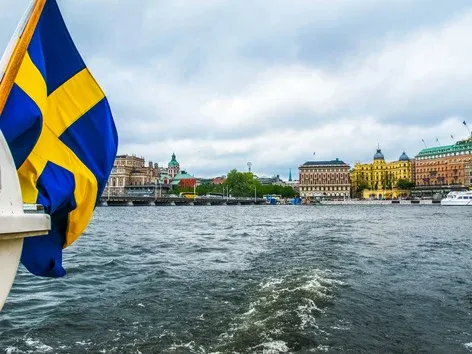
Sweden continues to reform its immigration policy, creating more favorable conditions for foreign workers. Starting in the summer of 2026, the country will significantly extend the validity periods of key work permits. Learn more about the new validity periods for the EU Blue Card and seasonal work permits in Sweden
30 Mar. 2026
More details3 min
Expats
Malta or Cyprus Golden Visa in 2026: A Comparison of Investor Programs
Malta and Cyprus offer investors “golden visas” granting permanent residency in the EU, but the terms of the programs differ significantly—from cost and processing times to access to the Schengen Area and the path to citizenship. The choice depends on your priorities: mobility within Europe, investment flexibility, or tax optimization. Learn more about the comparison of Malta and Cyprus “golden visas” in 2026
01 Apr. 2026
More details1 min
Expats
Living on €500: Best Countries for Digital Nomads in 2026
Affordable living abroad is becoming a reality for remote workers. Find out which countries you can live comfortably on 500 euros and how to prepare for a move
02 Apr. 2026
More detailsAll materials and articles are owned by VisitWorld.Today and are protected by international intellectual property regulations. When using materials, approval from VisitWorld.Today is required.