

How much does public transportation cost in European capitals: a price comparison
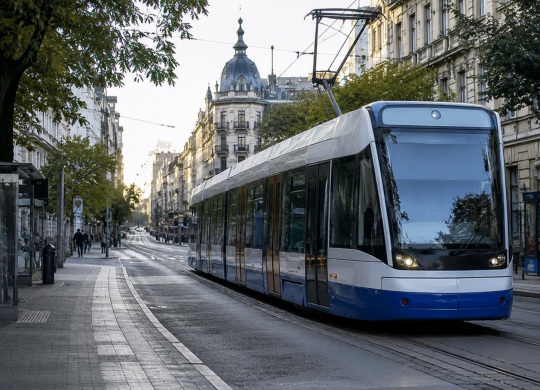
The cost of public transportation in Europe continues to rise, but the difference between capital cities remains significant. While a monthly pass in Bucharest or Budapest costs less than 20–25 euros, transportation expenses in London can exceed 250 euros per month. Prices depend not only on income levels but also on the transportation system, subsidies, and the city’s popularity among tourists. Learn more about how much public transportation costs in various European capitals and where it remains the most affordable

Public transportation remains one of the main modes of travel in Europe’s major cities. In many capitals, subways, buses, and trams carry millions of passengers every day, and authorities are actively investing in the development of eco-friendly and high-speed transportation. At the same time, fare prices vary significantly from country to country.
London is traditionally considered the most expensive city for public transport in Europe, where a monthly travel card for several zones can cost over 200–250 euros. By comparison, in the capitals of Central and Eastern Europe, passes are often 5–10 times cheaper. However, a low price does not always mean a worse transit system—many cities are actively modernizing their subways, electric buses, and tram networks.
Planning a trip abroad and want to protect yourself from unforeseen situations?
Travel insurance from Visit World will cover medical expenses, flight delays, and lost luggage in any country. Get a policy online in a few minutes and travel with confidence!

How much will a pass cost in European capitals in 2026?
Transportation prices in Europe depend on the number of zones, the type of ticket, and even the time of day. In most capitals, tourists can purchase single-ride tickets, day passes, or unlimited monthly passes. The biggest difference is in the cost of long-term passes.
- London, United Kingdom – approximately 230–300 euros for a monthly pass, depending on the zones. A single subway ride in the city center costs about 3–4 euros.
- Paris, France – about 88 euros for a monthly Navigo Pass covering all zones.
- Berlin, Germany – about 58 euros for a Deutschlandticket for regional transport throughout Germany.
- Amsterdam, Netherlands – approximately 100–110 euros for a monthly GVB pass.
- Madrid, Spain – on average 55–60 euros depending on the transport zone.
- Rome, Italy – about 35 euros for an unlimited monthly pass.
- Warsaw, Poland – approximately 26–35 euros depending on zones and ticket type.
- Prague, Czech Republic – about 22 euros for a monthly pass.
- Budapest, Hungary — approximately 24–25 euros for a monthly pass.
- Bucharest, Romania – about 16–18 euros for a combined monthly ticket.
- Kyiv, Ukraine – approximately 96 euros for an unlimited monthly pass following the planned fare increase.
In many cities, authorities are trying to encourage the use of public transportation instead of cars, so they offer discounts for students, families, seniors, and workers. In Germany, following the launch of the Deutschlandticket, the single-ticket system became one of the largest transportation experiments in Europe.
In a previous article, we reported that Europe is launching a new international high-speed ICE train that will connect six popular cities in Germany and Belgium.
Where is public transportation in Europe the most expensive?
Even within Europe itself, the difference in transportation costs can be enormous. The most expensive destinations for passengers remain major financial and tourist hubs, where transportation systems cover dozens of zones, suburbs, and airports.
London remains the absolute leader in terms of prices. Here, the cost of travel depends on zones, travel time, and payment method. For suburban residents, monthly expenses for the subway and commuter trains can exceed 300 euros. At the same time, the British capital’s transit system is considered one of the most advanced in the world: the subway operates across 272 stations, and the bus network covers virtually the entire city.
Prices are also high in Amsterdam and Paris. In these cities, a significant portion of funds goes toward transport modernization, environmental programs, and the development of electric transport. In Paris, for example, the Grand Paris Express network—one of Europe’s largest transport projects—is being actively expanded.
At the same time, in Central and Eastern Europe, public transportation remains significantly cheaper. In Prague, Budapest, or Bucharest, monthly passes cost several times less, even though the transportation infrastructure is also being actively upgraded. Many cities are purchasing modern trams and electric buses and modernizing their metro systems with support from EU funds.
For tourists, the difference between local and short-term fares often poses an additional problem. In some capitals, a single-ride ticket can be disproportionately expensive compared to a monthly pass. That is why it is usually more cost-effective for travelers in Europe to buy daily or weekly transport passes instead of paying for individual trips.
We previously reported that the EU is introducing a single ticket for trains operated by different companies.
In which capitals is public transportation the most cost-effective for tourists?
For travelers, it’s not just the price of a single trip that matters, but also how easy it is to get around the city without a taxi or rental car. In many European capitals, public transportation remains the most convenient way to reach the airport, tourist districts, and popular attractions.
Prague is considered one of the most affordable cities for tourists. It has a well-functioning integrated system of subways, trams, and buses, and short-term tickets remain among the cheapest in Western and Central Europe. Tourists can buy a 24- or 72-hour ticket and use all city transportation without restrictions.
Budapest also remains an affordable destination for travel. The city has one of the oldest metro lines in Europe, and daily and weekly passes cost significantly less than in Paris or London. Additionally, most tourist attractions can be easily reached by public transportation without transfers.
In Warsaw, tourists often opt for short-term city cards, which include not only transportation but also discounts at museums and popular tourist attractions. Similar systems are in place in Vienna and Berlin.
London traditionally remains the most expensive for tourists. The high cost of the subway, especially for trips from airports, often forces travelers to look for alternatives—buses, regional trains, or combined tourist passes. However, the Oyster system and contactless payment allow you to automatically cap your maximum daily transportation expenses.
In many European capitals, authorities also encourage tourists to use public transportation instead of cars. For example, in Paris and Amsterdam, car traffic in the city center is actively restricted, while pedestrian zones and bicycle infrastructure are being expanded.
In our previous article, we wrote about the most beautiful train routes for summer travel in Europe.
How can tourists save on transportation in Europe?
In most European capitals, tourists can significantly reduce transportation costs by purchasing short-term passes or city cards instead of single-use tickets. This is especially relevant in large cities, where a single subway ride can cost 3–5 euros.
In London, travelers usually save money by using an Oyster Card or a contactless bank card. The system automatically sets a daily spending limit, so passengers don’t overpay even if they take many trips throughout the day.
In Paris, tourists often choose the Navigo Easy or Paris Visite Pass, which offer unlimited use of the metro, buses, and commuter trains. This is especially cost-effective for trips between the city center and the airports.
In Prague and Budapest, public transportation remains among the most affordable in Europe. Here, it’s more cost-effective to buy tickets valid for 24 or 72 hours, as they offer unlimited travel on the metro, trams, and buses.
In Berlin and Vienna, tourist city cards are popular, combining transportation with discounts on museums, tours, and popular attractions. This allows you to save not only on transportation but also on visiting tourist attractions.
Tourists should pay special attention to fines for riding without a ticket. In many European cities, fare inspection is conducted without turnstiles, but fines can exceed 60–100 euros even for a single trip without a valid ticket.
No matter how well thought-out your itinerary is, there is always room for force majeure when traveling. Unexpected medical expenses, transportation delays, or problems with luggage can ruin your plans and budget. Travel insurance helps you avoid unnecessary worries in such situations. You can apply for a travel insurance policy for a specific trip online at Visit World - quickly and without unnecessary bureaucracy!
Take out a policy online at Visit World and enjoy your trip without any unnecessary worries!
We remind you! Popular European tourist destinations are becoming increasingly crowded, so travelers are looking for alternatives without the crowds. In 2026, attention is turning to countries that remain off the beaten path but offer unique experiences, affordable prices, and an authentic atmosphere. Read more about 5 European countries that are rarely visited by tourists.
Products from Visit World for a comfortable trip:
Travel guide for 200 countries;
Legal advice from a local specialist on visa and migration issues;
Travel insurance around the world (please select the country of interest and citizenship to receive services);
Medical insurance all over the world.
We monitor the accuracy and relevance of our information, so if you notice any errors or inconsistencies, please contact our hotline
Frequantly
asked questions
Where is public transportation the most expensive in Europe?
Which European capitals have the cheapest public transit?
Where is it most cost-effective for tourists to buy a city card?
Is it possible to travel around Europe without a car?
What are the fines for riding without a ticket in Europe?
Recommended articles
2 min
Transport
Best train trips in Europe 2026: 4 most beautiful railway routes for summer travel
Train travel across Europe is once again the main trend of the summer: new international routes allow you to reach the continent’s most beautiful cities quickly and comfortably, without the stress of airports. From the night express between Paris and Berlin to a scenic journey from Vienna to the Adriatic – this season, travellers have more opportunities for unforgettable train journeys. Find out more about the 4 most interesting train routes in Europe for your summer holiday in 2026
16 May. 2026
More details3 min
Transport
The European Union is preparing a major reform of rail travel: passengers will be able to purchase a single ticket even for routes involving multiple carriers. The new rules are also intended to strengthen the protection of travelers’ rights in the event of delays, cancellations, or missed connections. Find out how the single-ticket system will work in the EU and when the changes may take effect
14 May. 2026
More details3 min
Transport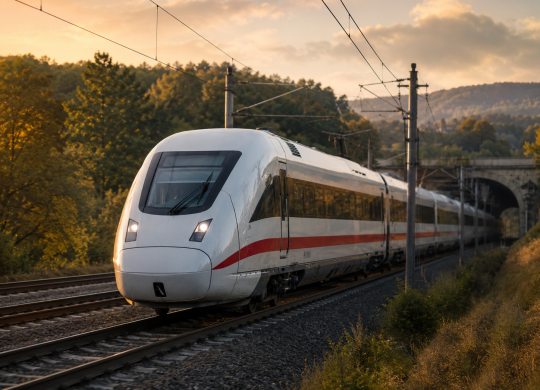
Europe is launching a new ICE high-speed international train that will connect six popular cities in Germany and Belgium. The route will begin service in the fall of 2026 and will allow tourists to travel quickly between Cologne, Aachen, Liège, Leuven, Brussels, and Antwerp without transfers. We’ll tell you how much tickets will cost, how long the trip will take, and why this route could become one of the most interesting options for traveling through Europe in 2026
18 May. 2026
More details3 min
Air travel
11 Mistakes on a Plane That Can Ruin a Long Flight: Tips from a Former Flight Attendant
Long-haul flights often put a serious strain on the body due to dry air, fatigue, and jet lag. At the same time, many passengers make their situation worse by committing common mistakes during the flight. Learn more about 11 habits that can ruin a long-haul flight, as well as tips from former flight attendant Tiffany Hawk for a more comfortable journey
24 May. 2026
More detailsAll materials and articles are owned by VisitWorld.Today and are protected by international intellectual property regulations. When using materials, approval from VisitWorld.Today is required.