

The Cheapest and Most Expensive European Cities for Vacationing in 2026: A New Ranking
Table of contents
-
Top 10 Cheapest European Cities for a Vacation in 2026
- 1. Sarajevo, Bosnia and Herzegovina – about $320 for two
- 2. Bucharest, Romania – about $330
- 3. Tirana, Albania – about $340
- 4. Belgrade, Serbia – about $350
- 5. Trenčín, Slovakia – about $360
- 6. Riga, Latvia – about $370
- 7. Lille, France – about $380
- 8. Vilnius, Lithuania – about $390
- 9. Strasbourg, France – about $395
- 10. Podgorica, Montenegro – about $400
- Why exactly have the Balkans become the most affordable destination for tourists?
-
Top 10 Most Expensive European Cities for Vacation in 2026
- 1. Oslo, Norway – over $1,050 for two
- 2. Copenhagen, Denmark – about $1,020
- 3. Edinburgh, United Kingdom – about $980
- 4. Venice, Italy – about $960
- 5. Amsterdam, Netherlands – about $940
- 6. Geneva, Switzerland – about $930
- 7. Dublin, Ireland – about $910
- 8. Barcelona, Spain – about $890
- 9. Florence, Italy – about $870
- 10. Nice, France – about $850
- How to save money on a vacation in Europe in 2026?
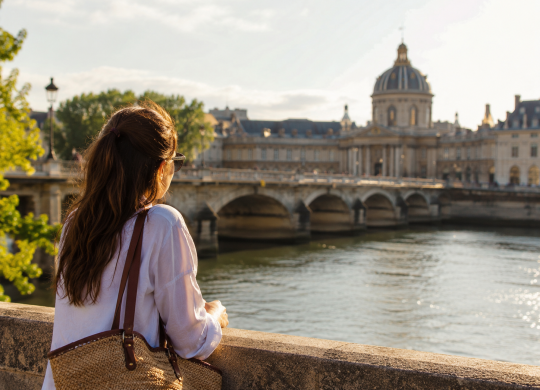
Balkan capitals and cities in Eastern Europe have become the top budget destinations for tourists in 2026. At the same time, vacations in Scandinavia, Switzerland, and popular tourist destinations in Western Europe continue to become rapidly more expensive. Learn more about the most affordable and most expensive cities in Europe for travel in 2026

Analysts at Post Office Travel Money have published a new ranking of the cheapest and most expensive European cities for short trips in 2026. The study covered 50 popular tourist destinations and took into account the cost of a two-night stay at a three-star hotel, meals, transportation, coffee, drinks, sightseeing tours, and museum visits.
The Balkans and Eastern Europe turned out to be the most budget-friendly for tourists, where even at the height of the tourist season, you can organize a city break for less than $350 for two. In contrast, in Scandinavia, Switzerland, and parts of Western Europe, the cost of a similar trip already exceeds $900–1,000.
In our previous article, we wrote about 5 European countries that tourists are hardly visiting in 2026.
Discovering a new country for yourself without the help of travel agents or intermediaries is very simple. All you need is a checklist or a “Travel Guide” from Visit World – a step-by-step guide with all the key information for your trip.
The guide contains information on visa requirements, visa-free entry rules, permitted periods of stay and a list of required documents.
After completing the form, the guide will be sent to your email in PDF format in just a few minutes.
Choose a country and get your travel guide today.

Top 10 Cheapest European Cities for a Vacation in 2026
The Balkans and Eastern Europe continue to displace classic budget destinations like Prague or Budapest. In many cities on the list, tourists can spend a weekend for two for less than a single night in a hotel in Amsterdam or Copenhagen.
1. Sarajevo, Bosnia and Herzegovina – about $320 for two
Sarajevo topped the ranking thanks to very cheap accommodation and food. Coffee in the old town of Baščaršija costs about $1.50, and traditional ćevapi cost $5–7. The city is often called the “European Jerusalem” because mosques, Catholic cathedrals, Orthodox churches, and synagogues are located side by side here. Additionally, Sarajevo remains one of the few European cities where you can find a hotel in the center for less than $50 a night.
2. Bucharest, Romania – about $330
The Romanian capital has become popular among digital nomads and young travelers thanks to cheap internet, low prices, and a vibrant nightlife. The city has one of the longest metro systems in Eastern Europe, and a metro ticket costs less than $1. Bucharest is also known for its massive Palace of Parliament—one of the largest administrative buildings in the world after the Pentagon.
3. Tirana, Albania – about $340
Just 10 years ago, Tirana was barely on any tourist itinerary, but now it has become one of the most dynamic destinations in the Balkans. The city’s central districts are filled with colorful buildings, modern cafes, and bars. Tourists are particularly drawn to the low prices: a seafood dinner can cost $10–15, and a taxi ride across the city is about $5.
4. Belgrade, Serbia – about $350
Belgrade is considered one of Europe’s top nightlife capitals. The most famous clubs and bars are located on floating platforms (splavovi) on the Danube and Sava rivers. Prices, however, remain significantly lower than in Berlin or Barcelona: cocktails in the city center cost an average of $6–8.
Belgrade also attracts tourists with its many free observation decks and the Kalemegdan Fortress.
5. Trenčín, Slovakia – about $360
Trenčín was a surprise entry in the ranking. The city is known for its massive medieval castle perched on a cliff, visible from almost anywhere in the city center. There are significantly fewer tourists here than in Prague or Krakow, so accommodation prices remain low even during festival season.
6. Riga, Latvia – about $370
Riga combines medieval architecture with one of Europe’s largest Art Nouveau districts. The city is particularly popular among tourists from Northern Europe due to its more affordable restaurants and hotels. In 2026, Riga also remains one of the most affordable destinations for food tourism in the Baltics.
7. Lille, France – about $380
Lille is called “the most underrated city in France.” Thanks to high-speed trains, you can get here from Paris in less than an hour and a half. The city features plenty of Flemish architecture, street markets, and student bars, and prices are noticeably lower than in the French capital.
8. Vilnius, Lithuania – about $390
Vilnius’s Old Town is one of the largest in Central and Eastern Europe. The city is actively developing culinary tourism: in 2025–2026, a large number of modern restaurants and specialty coffee shops opened here, but prices are still lower than in Western Europe.
9. Strasbourg, France – about $395
Strasbourg is known for its canals, half-timbered houses, and the atmosphere of the Alsace region. The city is also one of the EU’s political hubs—it is home to the European Parliament. Tourists often combine a trip to Strasbourg with a visit to neighboring Germany, as the border is literally just a few minutes’ drive away.
10. Podgorica, Montenegro – about $400
Podgorica rarely makes it onto “must-visit” lists in Europe, but that’s exactly what helps it stay affordable. Many tourists use the city as a starting point for trips to Kotor, Budva, and the Adriatic coast. Car rentals here are on average 20–30% cheaper than in neighboring Croatia.
Learn more about the TOP 10 budget-friendly alternatives to the Maldives that will surprise even seasoned travelersby following the link.
Why exactly have the Balkans become the most affordable destination for tourists?
The Balkan countries have held the title of Europe’s most budget-friendly region for several years in a row, but their popularity surged sharply in 2026. The reason isn’t just low prices. Tourists are increasingly looking for an alternative to overcrowded Barcelona, Venice, or Amsterdam, where prices for accommodation and restaurants have risen at record rates in recent years.
According to Eurostat, average prices in restaurants and hotels in the Balkan region remain 30–50% lower than in Western Europe. For example:
- Dinner for two in Sarajevo or Tirana costs about $25–35;
- In Copenhagen or Geneva, a similar bill often exceeds $120;
- A night in a 3-star hotel in the Balkans can be found for $45–70, while in popular cities in Italy or France, prices start at $150–200.
Another factor is transportation. In Serbia, Albania, or Bosnia, intercity buses remain one of the cheapest ways to travel in Europe. For example, a trip between Belgrade and Sarajevo often costs less than $30, whereas high-speed trains between major cities in Western Europe can cost $100–150 even with early booking.
Another reason for the Balkans’ popularity is the lower level of overtourism. While local authorities in Venice, Barcelona, or Dubrovnik are already limiting tourist flows and imposing additional fees, many cities in the Balkans are only now actively developing their tourism infrastructure.
As a result:
- Shorter lines at attractions;
- Lower prices at restaurants;
- More affordable accommodations in city centers;
- More local establishments instead of tourist chains.
Albania’s popularity is growing particularly rapidly in 2025–2026. According to the local Ministry of Tourism, the country welcomed a record number of foreign tourists, and the Albanian Riviera is increasingly being called the “new Croatia,” but with prices nearly half as low.
Travel platforms also note a growing demand for combined itineraries through the Balkans. Travelers are increasingly combining Serbia, Bosnia, Montenegro, and Albania into a single trip, as the distances between the countries are relatively short, and costs remain lower than on classic Western European routes.
In our previous article, we wrote about the TOP 5 uncrowded Mediterranean resorts where you can relax without lines or noise.
Top 10 Most Expensive European Cities for Vacation in 2026
The most expensive cities in Europe in 2026 are primarily in Scandinavia, Switzerland, and popular tourist destinations in Western Europe. The main reasons for the high costs are expensive accommodation, restaurants, transportation, and tourist fees, which continue to rise due to overtourism.
1. Oslo, Norway – over $1,050 for two
The Norwegian capital has become Europe’s most expensive destination for short trips. Tourists spend the most on food: dinner at a regular restaurant often costs $120–150 for two. Even a cup of coffee in the city center can cost $6–7. At the same time, Oslo attracts tourists with its modern architecture, fjords, and high level of safety.
2. Copenhagen, Denmark – about $1,020
Copenhagen has been on the list of Europe’s most expensive cities for several years in a row. The biggest hit to your budget is hotels: during peak season, a room in the city center often costs $250–300 per night. The city is known for its world-class gastronomy and a large number of Michelin-starred restaurants.
3. Edinburgh, United Kingdom – about $980
Prices in the Scottish capital rise particularly sharply during the Edinburgh Festival Fringe—the world’s largest arts festival. In August, accommodation costs can increase by 2–3 times, and some hotels are more expensive than in London.
4. Venice, Italy – about $960
Venice continues to grapple with overtourism. In 2025–2026, the city expanded its tourist tax system for day-trippers. Due to the limited number of hotels in the city center, accommodation prices here remain among the highest in Italy.
5. Amsterdam, Netherlands – about $940
Amsterdam is actively limiting mass tourism: the city is reducing the number of cruise ships, combating “party tourism,” and raising tourist taxes. As a result, travel is becoming increasingly expensive, especially in the central areas near the canals.
6. Geneva, Switzerland – about $930
Geneva traditionally remains one of the most expensive cities in the world. Even a quick bite at a café can cost $25–30. At the same time, the city attracts tourists with its lake, the Alps, and a large number of international organizations, including the UN headquarters in Europe.
7. Dublin, Ireland – about $910
Due to the housing crisis in Ireland, Dublin is experiencing record-high hotel prices. At certain times, it’s difficult for tourists to find a room for less than $250 a night. The city also remains one of the most expensive in the EU in terms of beer and restaurant prices.
8. Barcelona, Spain – about $890
Barcelona has been suffering from overtourism for several years in a row. Local authorities are gradually restricting short-term housing rentals due to a shortage of apartments for residents. As a result, prices for apartments and hotels continue to rise.
9. Florence, Italy – about $870
Florence remains one of Italy’s most popular cities among tourists from the U.S. and Asia. The most expensive items here are accommodations in the historic center and museum tickets, especially for the Uffizi Gallery.
10. Nice, France – about $850
During the summer season, prices on the French Riviera skyrocket due to high demand. During the Cannes Film Festival and yachting season, hotel rates in Nice can increase severalfold.
Learn more about the 3 cheapest European resorts for a seaside vacation in 2026 by following the link.
How to save money on a vacation in Europe in 2026?
In 2026, the difference in travel costs between European cities reached a record high. With the same budget, a tourist can spend several days in the Balkans or just one night in a Scandinavian hotel. That is why more and more travelers are changing their usual routes and looking for less popular destinations.
One of the main ways to save money is to choose cities with lower levels of overtourism. For example, instead of Venice, tourists are increasingly heading to Trieste or Ljubljana, and instead of Barcelona, to Valencia or cities along the Balkan coast. In these destinations, hotels are cheaper, there are fewer lines, and restaurant prices are lower.
Booking early helps save significantly. In popular European tourist cities, accommodation prices can rise by 1.5–2 times a few weeks before the trip, especially in the summer and during festivals. This is most noticeable in Amsterdam, Edinburgh, Florence, and on the French Riviera.
Many tourists are also opting for multi-country itineraries. For example, traveling through the Balkans allows you to visit several countries at once on a relatively small budget. Distances between cities are shorter here, and buses and trains are often cheaper than domestic flights in Western Europe.
City cards and tourist passes help save even more. In many cities, they include public transportation, museums, and discounts on tours. In expensive destinations, this can reduce costs by tens of dollars over a few days.
Travel experts also advise avoiding peak dates. Even shifting your trip by a few weeks—for example, from July to June or September—can significantly lower the cost of airfare and accommodation. This is especially true for Italy, France, and Spain, where the summer season in 2026 is expected to be one of the busiest in recent years.
Learn more about the best Mediterranean islands for a vacation without crowds of tourists by following the link.
Are you planning a trip and want to prepare without unnecessary stress? Visit World's travel guide contains key tips for travelers: rules of entry and stay, current requirements for tourists, basic safety, transportation and accommodation. Such a guide will help you quickly navigate a new country, avoid common mistakes during your trip, and plan your route taking into account practical nuances that often go unnoticed by tourists.
We remind you! Popular tourist destinations can be a trap. We have already told you which 8 places in the world Fodor’s advises to avoid in 2026 due to overtourism, environmental risks and social tension – and what alternatives to choose instead.
Products from Visit World for a comfortable trip:
Travel guide for 200 countries;
Legal advice from a local specialist on visa and migration issues;
Travel insurance around the world (please select the country of interest and citizenship to receive services);
Medical insurance all over the world.
We monitor the accuracy and relevance of our information, so if you notice any errors or inconsistencies, please contact our hotline
Frequantly
asked questions
Where is the cheapest place to vacation in Europe in 2026?
Which European cities have become the most expensive for tourists?
How much money do you need for a short trip through Europe in 2026?
Why have the Balkans become so popular among tourists?
When is the best time to travel in Europe?
Recommended articles
3 min
Travels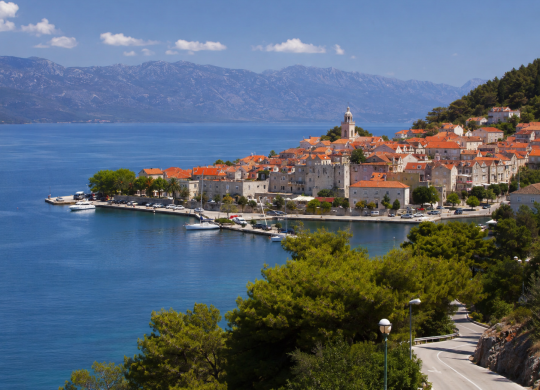
Where to go in Croatia in 2026: 5 places without crowds of tourists
Most tourists in Croatia choose Dubrovnik, Split, or Hvar, but these cities are often overcrowded during peak season. At the same time, the country has dozens of less popular destinations with beautiful beaches, historic architecture, and the authentic atmosphere of the Adriatic—without the huge crowds and noise. Learn more about 5 places in Croatia where you can relax more peacefully and see the country from a different perspective
07 Jun. 2026
More details3 min
Travels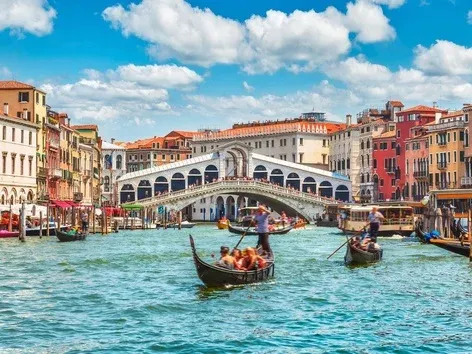
Tourist destinations set to disappear due to rising sea levels: 17 destinations at risk by 2100
Rising sea levels are already changing the world map, and dozens of popular tourist destinations are at risk. Scientists predict that by 2100, some island nations and coastal cities may become uninhabitable or disappear entirely. Learn more about the 17 destinations that are under threat and why experts are warning against “last-chance” tourism
10 May. 2026
More details3 min
Travels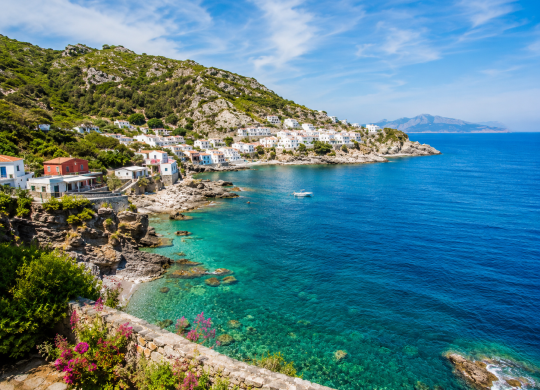
Italy is not just the crowded resorts of the Amalfi Coast or the expensive Capri. The country still has islands where you can experience a genuine Mediterranean atmosphere, tranquil coves, fishing villages and a traditional way of life, free from mass tourism. Find out more about 5 authentic Italian islands worth visiting in 2026
17 May. 2026
More details3 min
Travels
The Safest Countries in South America for Tourists in 2026
South America is often associated with the Amazon rainforest, the ocean, mountains, and vibrant cities, yet many tourists are still deterred by the region’s reputation as a dangerous place to travel. In reality, the continent is home to countries with stable political situations, well-developed tourism infrastructure, and relatively low crime rates. Learn more about the safest countries in South America for travel in 2026
24 May. 2026
More detailsAll materials and articles are owned by VisitWorld.Today and are protected by international intellectual property regulations. When using materials, approval from VisitWorld.Today is required.