

Venice Plans to Raise Tourist Entry Fee to €50: What Will Change in 2026?
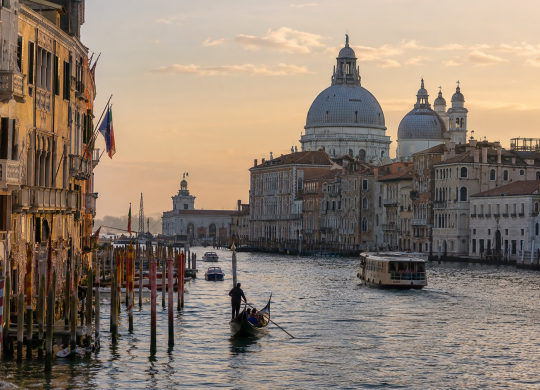
Venice authorities are considering a significant increase in entry fees for day-trippers. If the initiative is approved, visiting one of Europe’s most popular cities could cost up to €50 on certain days. Learn more about who will be affected by the new rules, why the city is taking this step, and what to keep in mind when planning your trip

For several years now, Venice has been looking for ways to curb the influx of tourists, which places a serious strain on the city’s historic center every year. In 2024, it became the first major tourist destination in the world to introduce an entry fee for day-trippers.
Now, the authorities are considering an even more radical step. Venice’s new mayor, Simone Venturini, has proposed raising the tourist tax to €30–50 on the busiest days. In his view, this will help better control the number of visitors and reduce the strain on the city.
If the changes take effect, Venice could become one of the most expensive European cities for short, one-day trips. Let’s take a look at why the authorities are proposing these new rules and how they might affect tourists.
In a previous article, we discussed new tourist taxes in Europe in 2026 and which countries will require tourists to pay more.
Planning a trip abroad and want to protect yourself from unforeseen situations?
Travel insurance from Visit World will cover medical expenses, flight delays, and lost luggage in any country. Get a policy online in a few minutes and travel with confidence!

Why does Venice want to sharply increase the entry fee?
For many years, Venice has remained one of Europe’s most overcrowded cities. According to local authorities, tens of millions of visitors come here every year, while the permanent population of the historic center continues to decline.
Day-trippers pose the biggest problem. They use the city’s infrastructure, public transportation, and public spaces, but do not stay overnight in hotels and, consequently, do not pay the tourist tax included in the cost of accommodation.
The situation becomes particularly challenging on weekends, holidays, and during major events. During these periods, Venice’s narrow streets and bridges are literally overflowing with people, creating inconveniences for both local residents and the tourists themselves.
That is why city officials believe that a higher fee could serve several purposes at once:
- Curb the excessive flow of day-trippers on peak days
- Provide additional funds for the maintenance of the historic city
- Finance cleaning, transportation, and other municipal services
- Help preserve Venice’s cultural heritage
At the same time, the authorities emphasize that the main purpose of the fee is not to generate profit but to manage tourist flows. That is why the new proposal calls for a significant increase in the fee only on days with the highest visitor numbers.
Find out more about the new rules, dates and cost of visiting Venice by following the link.
What might the new tourist fee look like?
Currently, Venice’s entry fee system operates on a tiered basis. Tourists planning a one-day visit pay €5 if they register in advance or €10 if they obtain a permit shortly before their trip.
However, city officials believe that the current fees do not sufficiently influence tourist traffic. That is why the city government has proposed increasing the fee to €30–50 on the busiest days of the year.
If the initiative is approved at the national level, the new rates could apply primarily during:
- Long weekends
- Italian public holidays
- The summer tourist season
- Major cultural and sporting events
- Periods of record visitor numbers
At the same time, this does not mean a permanent increase for all dates. The authorities are considering a flexible pricing mechanism, where the cost will depend on the expected demand on the city.
In fact, the system could operate on a principle similar to dynamic pricing in the airline or hotel industries: the higher the demand on a specific date, the more expensive entry will be. For tourists, this means that planning trips early and choosing less popular dates can help save significantly.
In our previous article, we wrote about 5 little-known Italian towns worth visiting in 2026.
Who is exempt from paying the fee?
Despite a possible increase in rates, the new rules will not apply to all visitors. As is currently the case, certain categories of tourists and residents will be able to enter Venice without paying the entry fee.
The most important exception applies to travelers who stay overnight in the city. Guests staying at hotels, apartments, hostels, and other official accommodations do not pay a separate entry fee, as they already pay a tourist tax included in the cost of their stay.
The following are also exempt from payment:
- Children under 14 years of age
- Residents of Venice and the Veneto region
- Students studying in Venice
- Workers who regularly commute to the city for work
- Property owners in Venice and their family members
- Certain categories of individuals visiting the city for official purposes
It is important to note that an exemption from payment does not always mean an exemption from registration. In many cases, tourists or visitors are still required to register in advance on the official portal and obtain a QR code confirming their right to enter without payment.
We previously reported that Italy is introducing new rules for tourists in 2026.
How does the entry system for Venice work now?
The system for managing tourist flows in Venice is based on advance online registration. On designated days, day-trippers must obtain a permit in advance through the city’s official portal and receive a digital QR code.
During registration, tourists provide basic information about their trip, after which the system determines whether a fee is required or if the person falls into a category exempt from payment. Once the procedure is complete, the user receives a QR code, which must be saved on a smartphone or printed out.
Checks may be conducted at transportation hubs, along major tourist routes, and at the entrances to the historic center. City officials have the right to request proof of registration or payment of the fee.
Fines are imposed for failure to present a QR code or for non-payment of the required fee. The fines can significantly exceed the cost of entry itself, so it’s not worth ignoring these requirements.
Currently, the system is in effect only on specific days of high tourist traffic. In 2026, there will be 60 such dates, with most of them falling in the spring, summer, and early fall. It is during these periods that tourists should pay particular attention to the rules before traveling to Venice.
We previously reported that Italy will reimburse drivers for traffic jams on toll roads in 2026.
What should tourists planning a trip to Venice in 2026 keep in mind?
For now, the proposed increase to €30–50 is just a proposal, so tourists don’t need to rush to change their plans. However, the situation could change quite quickly if the Italian government supports the initiative.
Those planning to visit Venice in the near future should check the current rules in advance on the city’s official tourism portal. Pay special attention to your travel dates, as the fee isn’t charged every day but only during periods of peak tourist traffic.
To avoid unnecessary expenses and unpleasant surprises, experts recommend:
- Book your trip and complete registration well in advance
- Check whether your chosen date is on the list of days subject to the fee
- Keep your QR code until the end of your visit
- Consider staying overnight in Venice if you plan to spend an extended time exploring the city
- If possible, choose less popular days to visit
For most tourists, the new rules are unlikely to be a reason to cancel their trip. However, Venice is increasingly demonstrating that the era of unrestricted mass tourism is coming to an end, and popular European destinations will increasingly implement mechanisms to control visitor numbers.
No matter how well thought-out your itinerary is, there is always room for force majeure when traveling. Unexpected medical expenses, transportation delays, or problems with luggage can ruin your plans and budget. Travel insurance helps you avoid unnecessary worries in such situations. You can apply for a travel insurance policy for a specific trip online at Visit World - quickly and without unnecessary bureaucracy!
Take out a policy online at Visit World and enjoy your trip without any unnecessary worries!
We remind you! Some countries are island states with political neutrality, which means that the likelihood of military conflict is quite low. Read more about the countries that are likely to participate in World War III and the top safest countries in the world.
Products from Visit World for a comfortable trip:
Travel guide for 200 countries;
Legal advice from a local specialist on visa and migration issues;
Travel insurance around the world (please select the country of interest and citizenship to receive services);
Medical insurance all over the world.
We monitor the accuracy and relevance of our information, so if you notice any errors or inconsistencies, please contact our hotline
Frequantly
asked questions
Has the entry fee to Venice already been raised to €50?
Who is required to pay the entry fee to Venice?
Do tourists who book a hotel in Venice have to pay the fee?
What happens if you arrive without a QR code?
Could other European cities introduce similar fees?
Recommended articles
2 min
Travels
Starting in April 2026, Venice will once again impose a fee on tourists visiting for a single day. This year, the restrictions will remain in effect for a longer period, and the number of days subject to the fee will increase. Learn more about the new rules, dates, and the cost of visiting the city
31 Mar. 2026
More details3 min
Travels
Italy is introducing new rules for tourists: key changes in 2026
Italy is gradually introducing new restrictions for tourists due to overcrowding at popular destinations. In 2026, these changes will affect Rome, Venice, Florence, Capri, and other regions. Learn more about the new rules and how they will affect travel
04 Apr. 2026
More details3 min
Investment
Houses in Italy for 1 euro: how the program works and what pitfalls await buyers
Italy has relaunched a program to sell abandoned homes for a symbolic price—just 1 euro. Mountain villages in Liguria have joined the initiative, as local authorities strive to revitalize these abandoned areas. Learn more about how the program works, what requirements must be met, and how much such housing actually costs
07 Apr. 2026
More details2 min
Travels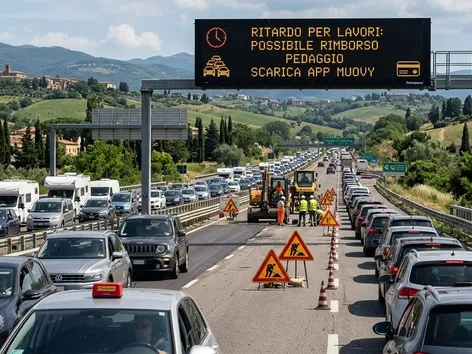
Italy Introduces Toll Refunds for Traffic Jams in 2026: Who Can Claim Compensation
Italy has introduced a new compensation system for drivers who have lost time in traffic jams on toll motorways due to roadworks. Find out who is entitled to a refund, what amounts can be received and how to apply for a refund correctly
08 Jun. 2026
More detailsAll materials and articles are owned by VisitWorld.Today and are protected by international intellectual property regulations. When using materials, approval from VisitWorld.Today is required.