

Schengen Visa 2026: Which Countries Most Often Deny Visas and How to Avoid a Denial
Table of contents
- Overall Schengen Visa Denial Statistics for 2025
- Ranking of Schengen Countries with the Highest Visa Rejection Rates
- Malta, Belgium, and Estonia: Why Do These Countries Lead in Rejections?
- Scandinavian Countries: Sweden, Denmark, and Norway
- Portugal and Croatia: How the Tourist Season Affects Consular Decisions
- Slovenia and the Netherlands: What to Look Out For?
- How can you increase your chances of getting a Schengen visa?
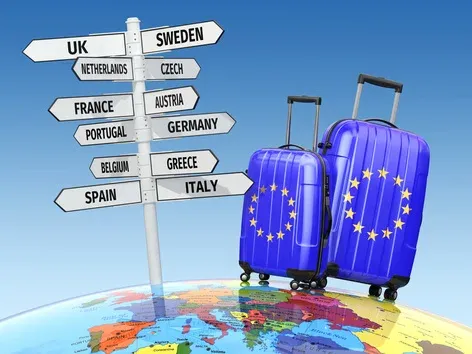
The Schengen visa rejection rate varies significantly depending on the country where the application is submitted—in some countries, it exceeds 38%. Statistics from the European Commission for 2025 provide insight into which countries are the most difficult to obtain a visa from and which mistakes most often lead to a negative decision. Learn more about the ranking of Schengen countries with the highest visa rejection rates and recommendations for successfully applying for a visa

Not every applicant is able to obtain a Schengen visa—and the chances of approval depend significantly on which country you’re applying to. According to Travelobiz, European Commission statistics for 2025 show a significant difference in rejection rates among Schengen Zone countries. In total, nearly 12 million applications were reviewed, and the average rejection rate was 14.8%.
Which countries reject applications most often, why this happens, and what to look out for when applying for a visa—we’ll cover all of this in the article below.
Want to avoid a Schengen visa denial and prepare the perfect set of documents?
The Visit World portal offers a guide with step-by-step instructions on visa requirements for every country in the Schengen Area.

Overall Schengen Visa Denial Statistics for 2025
Despite a 1.8% increase in the number of applications submitted compared to the previous year, the rejection rate remained virtually unchanged. Citizens of India, China, Turkey, Russia, and Morocco remain among the most active groups of applicants. Statistics show that smaller countries and popular seasonal destinations tend to apply stricter screening criteria, while large visa centers focus more on the quality of documentation.
The best countries and cities for expats in 2026— see the link for details.
Ranking of Schengen Countries with the Highest Visa Rejection Rates
Below is a list of the ten countries where applicants face the greatest difficulties in obtaining a Schengen visa:
- Malta — 38.4% rejections;
- Belgium — 26.1%;
- Estonia — 24.6%;
- Sweden — 23.3%;
- Portugal — 23.3%;
- Denmark — 21.7%;
- Slovenia — 21.4%;
- Croatia — 18.5%;
- the Netherlands — 17.7%;
- Norway — 15.7%.
Malta, Belgium, and Estonia: Why Do These Countries Lead in Rejections?
With a rejection rate of 38.4%, Malta significantly outpaces the rest of the list. The consulates of this Mediterranean country are particularly strict when reviewing applications during peak tourist months. A poorly planned itinerary, a vaguely stated purpose of visit, or incomplete hotel and ticket reservations—all of these can lead to a refusal. Financial documentation must be convincing and detailed.
Belgium (26.1%) is known for thoroughly verifying that all documents are consistent with one another. Even a minor discrepancy in dates between a bank statement, an employment certificate, and an itinerary can be grounds for rejecting an application. Estonia (24.6%) places a strong emphasis on security checks, especially for business and professional visits. Any gaps in the documentation here lead to additional scrutiny.
Visit World services for tourists, migrants, and expats: Insurance | Guides | Legal advice
Scandinavian Countries: Sweden, Denmark, and Norway
The Scandinavian countries share a common focus on the applicant’s financial capacity and ties to their home country. Sweden (23.3%) and Denmark (21.7%) expect applicants to provide proof of a stable income, permanent employment, and clear evidence of their intention to return home after the trip. First-time travelers in Denmark often receive additional requests for details about their trip. Norway (15.7%) has the lowest rate on this list, but still expects a complete and well-structured application that includes mandatory
travel insurance and proof of accommodation.
Where in Europe are household incomes growing the fastest in 2026?— Find out here.
Portugal and Croatia: How the Tourist Season Affects Consular Decisions
Both countries welcome millions of tourists every year, and high demand for visas directly affects the strictness of the screening process. Portugal (23.3%) requires a detailed itinerary for the entire duration of the stay, and hotel reservations must exactly match the dates on the application. Croatia (18.5%), which relatively recently joined the Schengen Area, also tightens controls during the summer months. A well-planned itinerary and a complete set of financial documents significantly increase the chances of a positive decision.
Slovenia and the Netherlands: What to Look Out For?
Slovenia (21.4%) receives fewer applications than larger countries but adheres to strict standards of accuracy. Discrepancies in names, dates, or travel details across documents can lead to a denial. The Netherlands (17.7%) processes a large volume of applications each year, and the vast majority of denials here are due specifically to an incomplete or poorly prepared set of documents, rather than doubts about the applicant’s identity.
Read about Europe’s top 10 universities in 2026 in this article.
How can you increase your chances of getting a Schengen visa?
Regardless of the country you choose, there are universal rules that will help minimize the risk of a denial:
- Check that all dates, names, and details are consistent across every document in your application.
- Prepare a detailed travel itinerary covering the entire duration of your stay.
- Ensure you have convincing financial documents—bank statements, proof of income.
- Include confirmation of accommodations and tickets that match the dates listed in your application.
- Demonstrate ties to your home country: stable employment, real estate, and family obligations.
- Submit your application well in advance, especially during peak travel months.
- Clearly state the purpose of your visit and support it with documentation.
More than half of all Schengen visas are currently issued as multiple-entry visas, so Europe remains an accessible travel destination.
However, careful preparation of documents and the choice of country for submitting your application can significantly affect the outcome.
Planning a trip to Europe? Prepare in advance with Visit World!
The Visit World portal offers a travel guide for those planning a trip to Schengen Zone countries. The guide contains up-to-date information on visa requirements, a list of necessary documents, and practical tips for submitting your application.
Order the travel guide from Visit World and prepare for your trip as efficiently as possible!
Reminder! In our previous article, we discussed countries you can visit with a U.S., UK, or Schengen visa in 2026.
Photo: Magnific
Products from Visit World for a comfortable trip:
Travel guide for 200 countries;
Legal advice from a local specialist on visa and migration issues;
Travel insurance around the world (please select the country of interest and citizenship to receive services);
Medical insurance all over the world.
We monitor the accuracy and relevance of our information, so if you notice any errors or inconsistencies, please contact our hotline.
Frequantly
asked questions
Which Schengen Zone country most frequently denies visas?
What was the average Schengen visa refusal rate in 2025?
Recommended articles
3 min
Travels
Where to Go on Vacation in August 2026: The Best European Destinations for a Summer Holiday
August remains one of the most popular months for traveling in Europe, but not all tourists are eager to vacation at the crowded resorts of Spain, Italy, or France. Experts at Lonely Planet have highlighted some less obvious destinations where you can enjoy good weather, interesting sights, beach vacations, and reasonable prices. Learn more about the best places to vacation in Europe in August 2026
28 Jun. 2026
More details2 min
Travels
Venice Plans to Raise Tourist Entry Fee to €50: What Will Change in 2026?
Venice authorities are considering a significant increase in entry fees for day-trippers. If the initiative is approved, visiting one of Europe’s most popular cities could cost up to €50 on certain days. Learn more about who will be affected by the new rules, why the city is taking this step, and what to keep in mind when planning your trip
24 Jun. 2026
More details3 min
Travels
Cool France in the Summer: 4 Places to Relax Without the Crowds or the Heat
France offers far more beach destinations than just the crowded Côte d'Azur. Less-known spots in Brittany and Normandy offer a pleasant climate, uncrowded beaches, and an authentic atmosphere free of summer crowds. Learn more about four alternative summer vacation spots in France
25 Jun. 2026
More details1 min
Travels
Safest European Cities for Tourists in Summer 2026 where to go without unnecessary stress
Most European megacities remain safe travel destinations even in peak season. Find out which five European cities received the highest safety ratings from travelers in 2026 and what to consider before traveling
27 Jun. 2026
More detailsAll materials and articles are owned by VisitWorld.Today and are protected by international intellectual property regulations. When using materials, approval from VisitWorld.Today is required.