

The EU may postpone the launch of ETIAS due to chaos at the borders
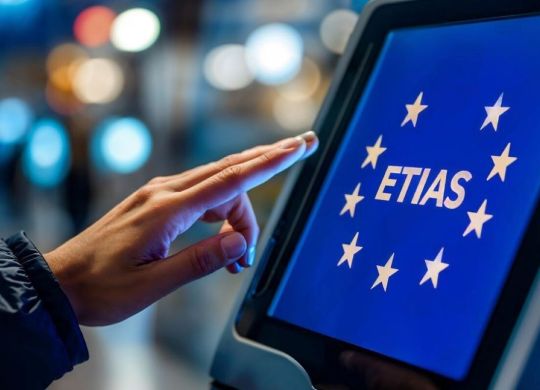
The EU may postpone the launch of ETIAS—a new pre-authorization system for travelers from visa-waiver countries. This is due to issues with the EES biometric system, which has already caused lines and delays at some European borders. Learn more about why the EU is revising the launch schedule for the new entry rules and what this means for travelers

The European Union may postpone the launch of ETIAS—an online system for advance travel authorization for citizens of countries that do not require a visa for short-term travel to the EU. According to the Financial Times, the new system may be postponed until 2027 due to issues with another border control system—the EES—which has already caused delays at airports and border crossings.
ETIAS was supposed to be the next step in the digitization of European border control. Before traveling, travelers will be required to submit an online application, undergo an automated check, and pay a 20-euro fee. The official EU website currently states that the system is scheduled to go live in the fourth quarter of 2026, and no action is required from travelers at this time.
However, the launch of ETIAS has been called into question due to difficulties with the EES—the Entry/Exit System, which collects biometric data from third-country nationals as they cross the Schengen Area’s borders. Airlines and airports are already warning of long lines, delays, and risks for the peak tourist season. Therefore, the EU will likely first try to stabilize the EES before introducing another layer of checks for travelers.
In the previous article, we talked about the TOP-10 tourist destinations according to Time Out, which are definitely worth visiting in 2026.
Discovering a new country for yourself without the help of travel agents or intermediaries is very simple. All you need is a checklist or a “Travel Guide” from Visit World – a step-by-step guide with all the key information for your trip.
The guide contains information on visa requirements, visa-free entry rules, permitted periods of stay and a list of required documents.
After completing the form, the guide will be sent to your email in PDF format in just a few minutes.
Choose a country and get your travel guide today.

Why Might the EU Postpone the Launch of ETIAS?
The EU may postpone the launch of ETIAS—the pre-authorization system for visa-free travelers—due to problems with the EES’s biometric controls. Officially, ETIAS is still scheduled for the fourth quarter of 2026, though the EU has not yet announced a specific date. The system’s website also states that travelers do not need to take any action at this time.
ETIAS is set to become mandatory for citizens of countries that can travel to 30 European nations without a visa. Before traveling, they will need to fill out an online application, pay a 20-euro fee, and obtain a short-stay authorization—valid for up to 90 days.
The problem is that ETIAS is supposed to launch after the EES—the Entry/Exit System, which replaces passport stamps with digital border-crossing records. The EES became fully operational in Schengen countries on April 10, 2026, but its implementation has been plagued by delays, technical difficulties, and longer lines at border control.
That is precisely why the EU may be in no hurry to launch yet another screening system. If the EES is already putting a strain on airports and border crossings, the simultaneous launch of ETIAS could only exacerbate the chaos ahead of the upcoming tourist seasons.
In a previous article, we reported that the EU has raised the ETIAS application fee to 20 euros.
What went wrong with the EES system?
The problems didn’t start with ETIAS, but with EES—the Entry/Exit System, which replaces passport stamps with digital border crossing records. It records the date and place of entry and exit for non-EU citizens and collects biometric data: facial photos, fingerprints, and travel document information.
The EES was intended to speed up border controls and help identify those who exceed the permitted length of stay in the Schengen Area. But in practice, the system has placed an additional burden on border checkpoints. Since some travelers are registering for the first time, the procedure takes longer than a standard passport check.
The greatest difficulties arose where passenger traffic is already high: at airports, seaports, rail terminals, and land border crossings. According to media reports, wait times for border checks reached several hours at some locations, and airlines warned of the risk of flight delays during the peak tourist season.
That is precisely why launching ETIAS now seems risky. Adding yet another mandatory pre-travel verification system to the EES’s unstable performance could increase confusion for travelers and put new pressure on the EU’s transportation infrastructure.
Learn more about the new UK border crossing rules and the introduction of the ETA by following the link.
Are airports and carriers warning of the risk of delays?
The biggest risk for travelers right now is not ETIAS itself, but the lines caused by the EES. Biometric registration takes longer than a standard passport check, especially for passengers going through it for the first time.
According to The Guardian, the EU acknowledges problems at approximately 20 “hotspots” where the new system has already caused long lines. At the same time, Brussels does not support a complete suspension of the EES, as the system is already being used to monitor entries, exits, and verify violations of stay limits.
Airlines and airports warn that the situation could worsen this summer. During peak season, even a slight slowdown at passport control quickly leads to flight delays, longer layovers, and crowds of passengers in terminals.
That is precisely why they want to postpone the launch of ETIAS. According to the Financial Times, the EU does not want to add another mandatory check for travelers while the EES is operating erratically and is already straining border infrastructure.
In our previous article, we discussed new travel rules for 2026: ETIAS, ETA, visa-free travel, and digital arrival cards.
What does this mean for travelers?
Until ETIAS is officially launched, travelers do not need to apply or pay a fee before traveling to Europe. The official EU website still states that the system is scheduled to launch in the fourth quarter of 2026, but the exact date will be announced a few months before the launch.
For those planning to travel to the EU in the near future, the main practical risk is longer wait times at passport control due to the EES. The system is already recording the entries and exits of non-EU citizens, collecting facial photos, fingerprints, and passport data.
Before traveling, there are a few things to keep in mind:
- Arrive at the airport or port early, especially during peak season
- Check the entry requirements for the specific Schengen country you’re visiting
- Avoid using unofficial websites that are already “selling” ETIAS
- Stay updated via the official EU portal
- Remember that ETIAS is not a visa, but merely a pre-authorization for visa-exempt travelers
If the launch of ETIAS is indeed postponed, short-term trips to Europe will not change immediately. However, the EES is already affecting the border crossing process itself, so the main advice for tourists is to allow more time for border checks and to verify the current requirements before each trip.
Are you planning a trip and want to prepare without unnecessary stress? Visit World's travel guide contains key tips for travelers: rules of entry and stay, current requirements for tourists, basic safety, transportation and accommodation. Such a guide will help you quickly navigate a new country, avoid common mistakes during your trip, and plan your route taking into account practical nuances that often go unnoticed by tourists.
Products from Visit World for a comfortable trip:
Travel guide for 200 countries;
Legal advice from a local specialist on visa and migration issues;
Travel insurance around the world (please select the country of interest and citizenship to receive services);
Medical insurance all over the world.
We monitor the accuracy and relevance of our information, so if you notice any errors or inconsistencies, please contact our hotline
Frequantly
asked questions
What is ETIAS?
Is ETIAS a visa?
Why might the launch of ETIAS be postponed?
What is the EES?
How should travelers prepare for a trip to the EU?
Recommended articles
2 min
Travels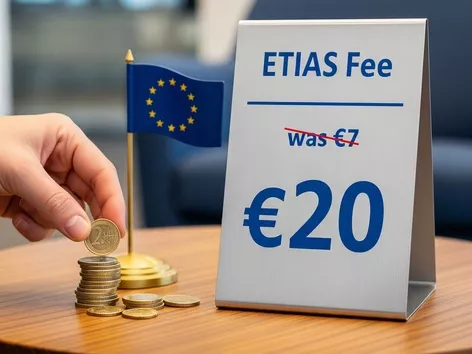
ETIAS fee rises to €20: EU prepares to launch travel information and authorization system in 2026
The EU has increased the ETIAS fee to €20. Find out who has to pay the fee, who is exempt, when the system will be operational and how to correctly apply for a Schengen travel permit
16 Sep. 2025
More details1 min
Blog
ETIAS Postponed Until 2027: New Entry Rules for Europe and What Travelers Need to Know
ETIAS will become mandatory from April 2027. Find out who the new rules for entering Europe apply to, how the system will work and what you need to prepare before traveling
16 Jan. 2026
More details1 min
Travels
New travel rules in 2026: ETIAS, ETA, visa-free travel and digital arrival cards
Many countries will introduce new requirements for tourists in 2026: ETIAS in the EU, ETA in the UK, updated ESTA for the US and digital arrival cards. Find out what will change and how to prepare for your travels in advance
25 Jan. 2026
More details3 min
Popular
New UK border crossing rules: how ETA works from 25 February 2026
Starting today, new requirements for traveling to the United Kingdom are in place with the electronic travel authorization ETA. Without this permit, some passengers may not be allowed to board flights or other transportation. Learn more about who is affected by the new rules and what you need to check before traveling
25 Feb. 2026
More detailsAll materials and articles are owned by VisitWorld.Today and are protected by international intellectual property regulations. When using materials, approval from VisitWorld.Today is required.