

Where in the World Are the Most Expensive and Cheapest Taxis: A Ranking of Countries with the Highest and Lowest Fares
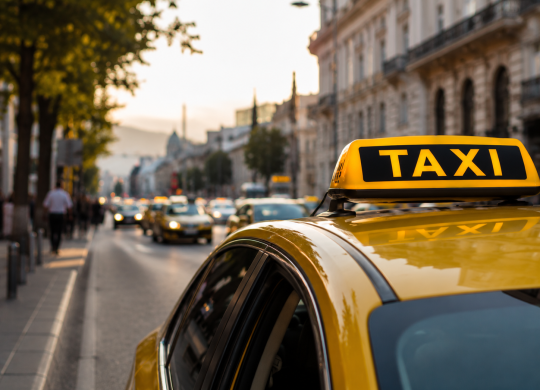
The average cost per kilometer for a taxi ride varies by more than a factor of 20 around the world: from $4.70 in Switzerland to $0.23 in the Philippines. Learn more about the countries with the highest and lowest fares, the reasons for this difference, and additional costs that travelers should take into account

The same taxi ride can cost $47 in one country and just $2.30 in another. Analysts compared the average cost per kilometer at the standard city rate based on data from Numbeo and Deutsche Bank Research. The difference between the most expensive and cheapest markets was more than 20-fold.
The highest average fare was recorded in Switzerland—$4.70 per kilometer. Next are Luxembourg at $4.06 and Albania, where one kilometer costs an average of $3.67. At the opposite end of the ranking are the Philippines with a fare of $0.23, India at $0.26, as well as Egypt and Iran, where the average price is $0.30 per kilometer.
High fares aren’t always limited to the wealthiest countries. The cost is influenced by fuel prices, taxes, driver salaries, tourist demand, competition among services, and the availability of Uber, Bolt, and other platforms. At the same time, a low price in dollars does not mean that taxis are affordable for local residents: in lower-income countries, even a fare that is cheap by international standards can account for a significant portion of the daily budget.
In our previous article, we discussed how to choose safe accommodation, avoid mistakes, and book a hotel without unnecessary expenses.
Planning a trip abroad and want to protect yourself from unforeseen situations?
Travel insurance from Visit World will cover medical expenses, flight delays, and lost luggage in any country. Get a policy online in a few minutes and travel with confidence!

In which countries are taxis the most expensive?
The highest average taxi fares are found primarily in countries with expensive vehicle maintenance, high wages, and significant licensing costs. At the same time, the top ten also includes countries where prices are driven not only by income levels but also by tourist demand and limited competition.
Top 10 countries with the most expensive taxis based on average cost per kilometer:
1. Switzerland – $4.70
2. Luxembourg – $4.06
3. Albania – $3.67
4. Bahrain – $3.45
5. Mauritius – $3.19
6. Japan – over $3
7. Netherlands – over $3
8. Germany – $2.86
9. Belgium – $2.75
10. Mexico – $2.72
Switzerland tops the ranking by a wide margin: a 10-kilometer ride at the average fare will cost about $47, excluding pickup fees, waiting time, nighttime surcharges, and airport surcharges. In Luxembourg, the same distance will cost approximately $40.60, and in Albania, $36.70.
Albania’s third-place ranking is particularly notable. The high fare is attributed to a surge in tourist demand, higher fuel prices, and less competition from international ride-hailing platforms. In popular resort areas, prices may rise further during peak season.
Bahrain and Mauritius also made the top ten, where import costs, vehicle maintenance, and the market’s focus on tourism play a significant role. In Japan, the Netherlands, Germany, and Belgium, prices are driven by high labor costs, insurance, licensing fees, and taxes.
Mexico rounds out the top ten with a rate of $2.72 per kilometer. In some cities, fares are influenced by local taxi associations, market regulations, and the difference between official taxi services and ride-hailing apps.
In our previous article, we discussed how much public transportation costs in European capitals.
In which countries are taxis the cheapest?
The lowest average fare is in the Philippines—$0.23 per kilometer. Next are India at $0.26, as well as Egypt and Iran, where one kilometer costs an average of $0.30.
The top ten countries with the cheapest taxis also include:
- Sri Lanka – $0.33 per km
- Uzbekistan – $0.33
- Tunisia – $0.34
- Moldova – $0.34
- China – $0.35
- Indonesia – $0.39
In these countries, labor costs, vehicle maintenance, and related services are lower, and the market often features many local taxi operators. High competition keeps fares in check, especially in major cities and tourist destinations.
Based on the average fare, a 10-kilometer ride—excluding pickup fees and other surcharges—will cost approximately:
- In the Philippines – $2.30
- In India – $2.60
- In Egypt or Iran – $3
- In China – $3.50
- In Indonesia – $3.90
By comparison, the same distance in Switzerland would cost about $47. Thus, the difference between the most expensive and cheapest fares is more than 20-fold.
At the same time, a low price in dollars does not mean that taxis are equally affordable for everyone. In countries with low average incomes, even a $2–3 ride can account for a significant portion of local residents’ daily expenses. Therefore, the ranking provides an international comparison of fares but does not take into account the population’s purchasing power.
In our previous article, we reported that Germany will ban alcohol consumption at all train stations.
Why do taxi prices vary so much?
The average fare is not determined solely by the cost of fuel. It is influenced by driver costs, local regulations, taxes, competition, and demand in a specific city.
Key factors:
1. Labor costs—in countries with high wages, hiring a driver is more expensive;
2. Fuel and electricity prices—these directly affect the cost of a ride;
3. Insurance and maintenance—in some countries, these costs are significantly higher;
4. Licenses and taxes—strict regulations increase carriers’ costs;
5. Tourist demand—in resort cities, fares often rise during peak season;
6. Level of competition—the presence of Uber, Bolt, and local apps usually keeps prices in check;
7. Exchange rate—prices in dollars fluctuate along with the local currency exchange rate.
Albania’s high ranking shows that a country’s income level does not always directly determine taxi fares. The market may be dominated by tourist fares, limited competition, and higher fuel costs.
In Switzerland, Luxembourg, Germany, and the Netherlands, high prices are largely explained by wages, insurance, taxes, and vehicle maintenance costs. In countries in South and Southeast Asia, lower operating costs and a large number of drivers help keep fares below $0.40 per kilometer.
At the same time, the national average does not reflect differences between cities. A ride in a capital city, at an airport, or in a popular resort can cost significantly more than in a small town in the same country.
Earlier, we reported that free public transportation has been introduced in Porto: who can use it.
Why might the actual cost of a ride be higher?
The average fare per kilometer shows only the base portion of the price. The final amount depends on the rules of the specific city, the ride-hailing company, and the time of the trip.
The following may be added to the cost:
- Initial boarding fee
- Fees for time spent in traffic or waiting
- Night, holiday, or weekend rates
- Surcharge for trips from the airport or train station
- Toll roads, tunnels, and bridges
- Surcharges for luggage, oversized items, or additional passengers
- Dynamic surcharge during peak demand hours
- Fee for booking a car in advance
The difference is especially noticeable at airports. There may be fixed fares to the city center, separate fees for entering the terminal area, or higher prices at night. Because of this, a short trip sometimes costs more than a longer route within the city.
In mobile apps, the price also varies depending on demand. During rain, large events, public transportation strikes, or the simultaneous arrival of multiple flights, the fare can increase several times over.
Another factor is the route. If the driver takes a longer route, gets stuck in traffic, or the passenger changes their destination, the final amount will be higher than the initial estimate.
Therefore, before getting in, it’s best to check not only the price per kilometer but also the total fare: the base fare, the cost per minute of waiting, possible surcharges, and fixed airport fees.
In our previous article, we reported that Europe is suspending biometric checks due to issues with the EES system.
How can you avoid overpaying for a taxi abroad?
Before your trip, it’s worth checking not only the average price per kilometer but also the fare rules in that specific city. The most overcharges occur at airports, in tourist areas, and during trips without a meter.
To keep costs under control:
- Compare prices across several mobile apps
- Check the official city taxi fare
- Use licensed taxi stands near airports and train stations
- Make sure the driver turns on the meter
- Don’t agree to a verbal price without checking it first
- Clarify whether tolls and airport fees are included in the total
- Keep your receipt and save the route in the app
- Avoid traveling during peak hours if time isn’t of the essence
For an airport transfer, it’s worth comparing three options in advance: a regular taxi, a ride booked through an app, and an official bus or train to the city. In countries with high taxi fares, public transportation can cut costs by several times.
If the city has a flat rate between the airport and the city center, be sure to confirm it before boarding. In some cases, drivers may offer to charge by the meter, even though the official flat rate is more cost-effective for passengers.
It’s also a good idea to check the currency in the app or on the terminal. Paying in local currency often helps you avoid unfavorable exchange rates that your bank or payment service might automatically apply.
No matter how well thought-out your itinerary is, there is always room for force majeure when traveling. Unexpected medical expenses, transportation delays, or problems with luggage can ruin your plans and budget. Travel insurance helps you avoid unnecessary worries in such situations. You can apply for a travel insurance policy for a specific trip online at Visit World - quickly and without unnecessary bureaucracy!
Take out a policy online at Visit World and enjoy your trip without any unnecessary worries!
We remind you! Popular European tourist destinations are becoming increasingly crowded, so travelers are looking for alternatives without the crowds. In 2026, attention is turning to countries that remain off the beaten path but offer unique experiences, affordable prices, and an authentic atmosphere. Read more about 5 European countries that are rarely visited by tourists.
Products from Visit World for a comfortable trip:
Travel guide for 200 countries;
Legal advice from a local specialist on visa and migration issues;
Travel insurance around the world (please select the country of interest and citizenship to receive services);
Medical insurance all over the world.
We monitor the accuracy and relevance of our information, so if you notice any errors or inconsistencies, please contact our hotline
Frequantly
asked questions
Which country has the most expensive taxis?
Where in the world are taxis the cheapest?
Is the pickup fee included in the price per kilometer?
Why are taxis in Albania more expensive than in many wealthier countries?
Are fares the same in all cities across the country?
How can I check the taxi fare before starting the trip?
Recommended articles
2 min
Transport
How much does public transportation cost in European capitals: a price comparison
The cost of public transportation in Europe continues to rise, but the difference between capital cities remains significant. While a monthly pass in Bucharest or Budapest costs less than 20–25 euros, transportation expenses in London can exceed 250 euros per month. Prices depend not only on income levels but also on the transportation system, subsidies, and the city’s popularity among tourists. Learn more about how much public transportation costs in various European capitals and where it remains the most affordable
21 May. 2026
More details2 min
Transport
Electronic Toll in Belgium 2027: How Much Will Drivers Pay to Use the Roads?
Belgium is preparing to launch a toll system for highways and regional roads. The new rates will apply to owners of passenger vehicles weighing up to 3.5 metric tons, and the toll amount will depend on the vehicle’s environmental class. Learn more about the terms of the new electronic vignette, categories of exemptions, fine amounts, and the system’s launch date
15 Jul. 2026
More details2 min
Transport
Free public transportation has been introduced in Porto: who is eligible to use it
Starting July 10, 2026, residents of Porto can use the metro, buses, commuter trains, and other forms of public transportation free of charge throughout the entire metropolitan area. To do so, you must have a Cartão Porto municipal card and activate the appropriate pass. Learn more about the program’s terms and conditions, available routes, and the rules for obtaining free travel
17 Jul. 2026
More details3 min
Transport
How Train Tickets Work in Europe: Prices, Types, and Surcharges
Interrail and Eurail passes allow you to travel by train in 33 European countries, but not all trips can be taken without additional fees. Find out how the Global Pass and the One Country Pass differ, how much they cost, and when you need to reserve a seat separately
26 Jul. 2026
More detailsAll materials and articles are owned by VisitWorld.Today and are protected by international intellectual property regulations. When using materials, approval from VisitWorld.Today is required.