

The Cost of Living in Italy in 2026: Rent, Groceries, and Monthly Budget
Table of contents
- How much does it take to live comfortably in Italy in 2026?
- Renting in Italy: How Much Does an Apartment Cost in Different Cities
- Utilities, Transportation, and Daily Expenses
- How much do groceries and eating out cost?
- Approximate monthly budget for one person in Italy
- How does the city of residence affect the cost of living?

The cost of living in Italy varies significantly depending on the city, rent, and personal habits. Housing is usually the biggest expense, but you’ll also need to factor in food, utilities, transportation, and everyday purchases. Learn more about current expenses and the amount one person needs to live comfortably in Italy

The cost of living in Italy varies significantly depending on the city and region. For a single person in a small or regional city, you’ll need approximately €900–1,300 per month, and when all daily expenses are factored in, the budget can reach €1,500. In Rome and Milan, this amount will be higher, as rent alone often exceeds €900–1,000.
The main categories of expenses remain housing, utilities, groceries, and transportation. At the same time, even a small city doesn’t always guarantee low prices: in popular tourist areas, dining out and rent can be more expensive than the average. Next, we’ll examine each expense category and put together an approximate monthly budget for living in Italy.
In a previous article, we discussed new tourist taxes in Europe in 2026 and which countries will require tourists to pay more.
Planning a trip abroad and want to protect yourself from unforeseen situations?
Travel insurance from Visit World will cover medical expenses, flight delays, and lost luggage in any country. Get a policy online in a few minutes and travel with confidence!

How much does it take to live comfortably in Italy in 2026?
In regional cities, a single person needs an average of €900–1,300 per month. This amount may be enough to cover rent for a small apartment, utilities, groceries, transportation, and basic everyday purchases. If you add dining out, leisure activities, clothing, and unexpected expenses, the budget rises to €1,000–1,500.
Approximate spending levels are as follows:
- €900–1,000 per month – a frugal budget assuming inexpensive rent and mostly home-cooked meals;
- €1,100–1,300 – a moderate budget with modest spending on leisure;
- €1,400–1,500 – a more comfortable level with a financial cushion and regular dining out.
In Milan, Rome, and other expensive cities, these amounts may not be sufficient due to high rent. Also, the monthly budget does not include one-time expenses such as moving costs, a security deposit for housing, real estate agency fees, and furnishing the apartment.
Learn more about the best cities to live and work in Italy in 2026 by following the link.
Renting in Italy: How Much Does an Apartment Cost in Different Cities
The €450–700 per month range is realistic mainly for small towns and more affordable regions. In major tourist and business hubs, rent for a one-bedroom apartment often exceeds €900–1,000, excluding utilities.
According to Immobiliare.it, in July 2026, the average listed rent for a 50 m² apartment was approximately:
- Milan – €1,111 per month at an average rate of €22.21 per 1 m²
- Florence – €1,069 at a rate of €21.37 per 1 m²
- Rome – €934 at a rate of €18.68 per 1 m²
- Palermo – €487 at a rate of €9.74 per 1 m²
Even within a single city, the difference can be as much as double. In Milan, rates range from €15.77 per 1 m² in more affordable neighborhoods to €31.31 in the city center. Thus, a 50 m² apartment can cost anywhere from €789 to €1,566. In Rome, the range is €10.90–27.83 per 1 m², or approximately €545–1,392 for a similar apartment.
When moving in, you’ll need to pay more than just the first month’s rent. Under Italian regulations, the security deposit cannot exceed three months’ rent. If the landlord requires the maximum deposit, the initial costs may amount to:
- Up to €2,000 for a €500 monthly rent
- Up to €3,600 for a €900 monthly rent
- Up to €4,400 for a €1,100 monthly rent
These amounts include the first month’s rent and a three-month security deposit, but do not include any potential agency fees. Building maintenance fees, water, heating, and other condominium (condominio) charges may be billed separately, so it’s important to clarify their amounts before signing the lease.
In our previous article, we wrote about the Italian Riviera—the top cities for a seaside vacation in Italy.
Utilities, Transportation, and Daily Expenses
After paying rent, a single person should budget an additional €190–350 per month for regular expenses, excluding groceries. The amount depends on the season, city, apartment size, and frequency of public transportation use.
The main expenses are:
- Utilities – €80–150 per month. In winter, the amount may be higher due to heating, especially in northern regions of Italy
- Public transportation – €30–50
- Clothing, household goods, and other daily purchases – €80–150
Monthly transit passes in major cities cost roughly the same. In Rome, a Metrebus Roma pass costs €35 per month; in Turin, a Formula U pass costs €38; and in Milan, a city pass costs €39.
When purchasing an annual pass, the average monthly cost decreases:
- In Rome, an annual pass for €250 effectively costs about €20.83 per month
- In Turin, a pass for €310 costs about €25.83
- In Milan, a pass for €330 costs €27.50
If you work from home and rarely use public transportation, single-ride tickets are sufficient. However, for daily commutes, a monthly or annual pass is usually more cost-effective and makes transportation expenses predictable.
We previously covered housing in Italy for 1 euro—how the program works and what pitfalls await buyers.
How much do groceries and eating out cost?
One person needs approximately €250–350 per month for groceries, or €58–81 per week. The lower end assumes regular home cooking, shopping at discount stores, and minimal use of ready-made foods. In northern and tourist cities, expenses tend to be closer to the upper end.
Based on average prices in Italy in August 2026, basic groceries cost approximately:
- 1 liter of milk – €1.43
- A loaf of white bread weighing about 450 g – €1.91
- About 450 g of rice – €1.20
- 12 eggs – €3.71
Eating out quickly adds to your budget. In the small tourist town of Tarvisio, a standard pizza costs about €10. If you order one once a week, that’s an extra €40 a month; twice a week, it’s already €80, not including drinks. The average bill at an inexpensive restaurant across the country is about €16, so even four such visits a month add about €64 to your expenses.
Find out more about the new rules, dates and cost of visiting Venice by following the link.
Approximate monthly budget for one person in Italy
A realistic budget depends primarily on rent. With the same level of spending, the difference between a small town and Milan can exceed €800–900 per month.
Estimated scenarios:
1. Budget-friendly living in a small town – about €965: rent €500, utilities €100, groceries €250, transportation €35, household items and clothing €80.
2. Comfortable budget in a regional city – about €1,330: rent €650, utilities €120, groceries €300, transportation €40, daily expenses €120, leisure and dining out €100.
3. Living in Rome – about €1,700–1,750: rent for a 50 m² apartment is about €934, utilities €150, groceries €350, transportation €35, daily expenses €150, and leisure €100.
4. Living in Milan – about €1,900: rent for a similar apartment is about €1,111, utilities €150, groceries €350, transportation €39, daily expenses €150, and leisure €100.
These calculations do not include private healthcare, major purchases, travel, car maintenance, or expenses for children. Public schools in Italy are free, but families pay separately for meals, school supplies, transportation, extracurricular activities, and leisure. Therefore, a family budget must be calculated separately, taking into account the children’s ages and the city of residence.
We previously reported that Italy is introducing new rules for tourists in 2026.
How does the city of residence affect the cost of living?
Rent makes the biggest difference. Based on average rates in July 2026, a 50 m² apartment in Milan costs approximately €1,111, while in Palermo it costs €487. The difference is €624 per month, or about €7,488 per year.
Other notable comparisons:
- Florence and Palermo – a difference of about €582 per month, or €6,984 per year
- Rome and Palermo – about €447 per month, or €5,364 per year
- Milan and Rome – approximately €177 per month, or €2,124 per year
The most expensive cities are typically Milan, Florence, Rome, and cities with high tourist traffic. More affordable housing can be found in the south of the country and in smaller towns, though tourist cities are an exception. For example, in Tarvisio, prices in cafes and restaurants are higher than one might expect from a small town, as these establishments cater to tourists.
Low rent should also be compared to local wages and transportation accessibility. Living outside a major city can save you a few hundred euros, but you’ll have to spend part of that savings on regional trains or a car.
No matter how well thought-out your itinerary is, there is always room for force majeure when traveling. Unexpected medical expenses, transportation delays, or problems with luggage can ruin your plans and budget. Travel insurance helps you avoid unnecessary worries in such situations. You can apply for a travel insurance policy for a specific trip online at Visit World - quickly and without unnecessary bureaucracy!
Take out a policy online at Visit World and enjoy your trip without any unnecessary worries!
We remind you! Some countries are island states with political neutrality, which means that the likelihood of military conflict is quite low. Read more about the countries that are likely to participate in World War III and the top safest countries in the world.
Products from Visit World for a comfortable trip:
Travel guide for 200 countries;
Legal advice from a local specialist on visa and migration issues;
Travel insurance around the world (please select the country of interest and citizenship to receive services);
Medical insurance all over the world.
We monitor the accuracy and relevance of our information, so if you notice any errors or inconsistencies, please contact our hotline
Frequantly
asked questions
How much money does one person need per month in Italy?
How much does it cost to rent an apartment in Italy?
How much should you budget for groceries in Italy?
How much do utilities and transportation cost?
How much money should you have before moving to Italy?
Recommended articles
3 min
Expats
Where to live in Italy in 2026: top cities for relocation and work
Not all of Italy’s popular cities are ideal for a comfortable life—high prices and competition for housing often pose a problem. Instead, mid-sized cities are increasingly becoming the best choice for relocation. Learn more about the Italian cities where it will be advantageous to live and work in 2026
30 Mar. 2026
More details2 min
Travels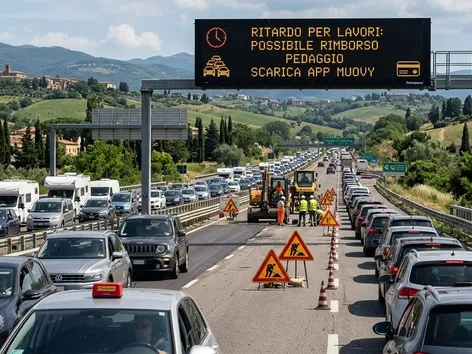
Italy Introduces Toll Refunds for Traffic Jams in 2026: Who Can Claim Compensation
Italy has introduced a new compensation system for drivers who have lost time in traffic jams on toll motorways due to roadworks. Find out who is entitled to a refund, what amounts can be received and how to apply for a refund correctly
08 Jun. 2026
More details2 min
Treatment
Long Wait Times for Doctors in Italy: How to Get an Appointment Faster Through the SSN
Due to long wait times in Italy’s National Health Service (SSN), patients are sometimes asked to wait several months for an appointment or test. However, if the deadline set for your referral is not met, you can contact your local health authority and request an alternative way to receive care. Find out what urgency categories are in place in Italy and how to protect your right to timely care
31 Jul. 2026
More details2 min
Education
Italy's Education System in 2026: What Families Moving Abroad Need to Know
Italy's education system combines a ten-year compulsory education with flexible conditions for children of foreigners. Find out at what age children start school, how the levels of education are structured and the cost of higher education, and what families moving abroad need to know about enrolment, language adaptation and university entrance
06 Aug. 2026
More detailsAll materials and articles are owned by VisitWorld.Today and are protected by international intellectual property regulations. When using materials, approval from VisitWorld.Today is required.