

Europe's Most Dangerous Roads: Which Countries Have the Highest Driver Fatality Rates?
Table of contents
- Vignette Switzerland Study: How Were European Roads Ranked?
- Top 3 Most Dangerous Countries in Europe for Drivers
- Popular European Tourist Destinations That Are Dangerous for Drivers
- The Safest Countries in Europe for Road Trips
- Which countries have made the greatest improvements in road safety?
- Stagnation in safety metrics: where has progress effectively stalled?
- How should drivers prepare for a road trip through Europe?
- Green Card for Car Travel in Europe from the Visit World portal
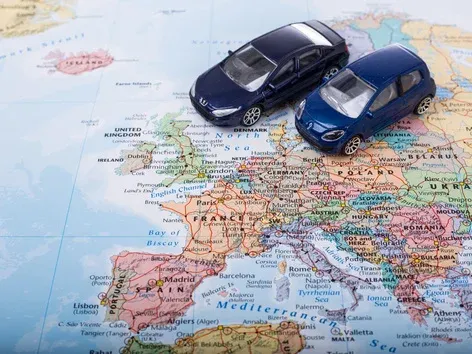
Road safety levels in European countries vary significantly—from the Scandinavian leaders to the Eastern European countries with the worst records. A recent study assessed road fatalities, trends in improvements over the past decade, and the risks associated with popular tourist destinations. Learn more about the most dangerous and safest countries in Europe for drivers

The summer season traditionally sees an increase in road travel across Europe—tourists embark on cross-border trips, choosing scenic routes and combined city tours. Road safety indicators vary significantly across the continent’s countries, and in some cases, the difference is several times greater. Euronews reports on a recent study by Vignette Switzerland.
Which countries topped the list of the worst road fatality rates, which destinations have made the most notable progress, and where the situation has remained virtually unchanged for years—we’ll cover all of this in the article below.
Planning a road trip through Europe this season?
Get a Green Card for your car online on the Visit World portal—the policy is valid in all countries of the European Green Card system and provides financial protection for drivers in the event of a traffic accident abroad.

Vignette Switzerland Study: How Were European Roads Ranked?
The data for assessing road safety in Europe was compiled by Vignette Switzerland, a company specializing in the online sale of the Swiss electronic vignette—a digital permit for paying road tolls. The primary metric for the ranking was the number of road fatalities per million residents in each country.
This approach allows for comparing countries of different sizes using a single standard, regardless of population or area. Based on the analysis, researchers compiled a list of the continent’s safest and most dangerous countries and assessed trends over the past decade.
5 Underrated European Cities for Budget Travel Without Crowds of Tourists — available via the link.
Top 3 Most Dangerous Countries in Europe for Drivers
Three Eastern European countries topped the “anti-ranking” for road fatality rates. These figures significantly exceed the European Union average, making these destinations the riskiest for road travel.
The breakdown of the top three countries in the “worst” ranking is as follows:
- Serbia—74 deaths per million people. This figure is 72% higher than the EU average. The country has topped the “worst” ranking for the second year in a row, although the latest data is slightly lower than last year’s.
- Bulgaria —71 deaths per million people. It ranks second among Europe’s most dangerous countries for drivers.
- Romania —68 deaths per million people. It rounds out the top three in the continent’s road safety “anti-ranking.”
Visit World services for tourists, migrants, and expats: Insurance | Guides | Legal advice
Popular European Tourist Destinations That Are Dangerous for Drivers
The list of the ten most dangerous European countries for drivers also includes nations that welcome millions of tourists every year. Among them are Portugal, Greece, Italy, and France—destinations where Ukrainians often go on road trips.
These statistics should be taken into account when planning routes through southern and southwestern Europe. This is especially true for trips along winding roads, mountain routes, and sections with heavy tourist traffic during peak season.
We discuss the most dangerous cities for tourists in this article.
The Safest Countries in Europe for Road Trips
The Scandinavian countries continue to demonstrate the best road safety records on the continent. Norway tied for first place with Sweden—both countries recorded only 19 deaths per million residents.
The difference from the bottom of the ranking is significant: the Northern European countries turned out to be nearly four times safer than Serbia. This gap in statistics underscores just how different road conditions can be within a single continent.
Which countries have made the greatest improvements in road safety?
The study also assessed countries’ long-term progress in reducing road fatalities over the past decade. Lithuania achieved the largest decrease in the number of fatalities.
The trend in improvements among the top-ranked countries is as follows:
- Lithuania—a 43% reduction in road fatalities.
- Latvia—a 37% reduction.
- Bulgaria—a 36% reduction.
- Greece—a 35% reduction.
- Hungary—a 30% reduction.
Among the leaders in terms of improvement rates are both countries with high accident rates (such as Bulgaria and Greece) and countries that are systematically working to improve road safety.
Stagnation in safety metrics: where has progress effectively stalled?
Not all popular tourist destinations are showing positive trends. In Portugal, the number of road deaths has fallen by only 1% since 2015—which is virtually no change.
France is also making slow progress: over the same period, road fatalities fell by 6%. Such rates mean that the risks for drivers in these countries remain at a level close to that of the past decade.
About the world’s most beautiful beaches—read more at the link.
How should drivers prepare for a road trip through Europe?
Experts recommend thoroughly familiarizing yourself with the specific traffic conditions in a given country before traveling abroad. This is especially important for destinations with high accident rates.
Key recommendations for safe road travel in Europe:
- Familiarize yourself with local traffic rules and the system of fines.
- Plan your route in advance, taking into account road conditions and toll sections.
- Exercise extra caution on unfamiliar roads, especially at night.
- Take seasonal factors into account: heavy tourist traffic, mountainous conditions, and road surface conditions.
Following these simple tips significantly reduces the risk of encountering an unpleasant situation on the continent’s roads, even in countries with high accident rates.
Green Card for Car Travel in Europe from the Visit World portal
To legally cross borders and drive on European roads in your own car, you need mandatory insurance—the Green Card. The policy covers the driver’s liability to third parties within the territories of participating countries, including those with high accident rates—such as Serbia, Bulgaria, Romania, and popular tourist destinations.
On the Visit World portal, you can apply for a Green Card online—quickly, without waiting in line, and without having to visit an insurance company. The policy is valid in all countries of the European Green Card system and provides financial protection in the event of a traffic accident abroad.
Get a Green Card for your car on the Visit World portal and set off on your journey through Europe with the confidence that your insurance coverage is with you in every country along the way!
Reminder! In our previous article, we discussed the best routes through Europe for trip-maxxing in 2026.
Photo: Magnific
Products from Visit World for a comfortable trip:
Travel guide for 200 countries;
Legal advice from a local specialist on visa and migration issues;
Travel insurance around the world (please select the country of interest and citizenship to receive services);
Medical insurance all over the world.
We monitor the accuracy and relevance of our information, so if you notice any errors or inconsistencies, please contact our hotline.
Frequantly
asked questions
Which European countries are among the top 10 most dangerous for road travel?
Which European country is the safest for drivers?
Recommended articles
2 min
Travels
Nepal is transitioning to a digital system for issuing tourist entry permits. Foreign travelers will be able to submit their applications remotely and receive a decision the very next day after completing the application form. Learn more about the e-Visa launch date, fees, the application process, and options for obtaining a visa upon arrival
12 Aug. 2026
More details1 min
Travels
Vacation Affordability in Europe 2026: Who Can (and Can't) Afford a Holiday
Millions of Europeans are still putting off their dream holiday due to lack of funds, although the overall situation has improved significantly over the past decade. Find out which countries will lead in terms of holiday affordability in 2026, why the Scandinavian countries are showing an unexpected increase in “holiday poverty” and where travel is still a luxury
13 Aug. 2026
More details2 min
Travels
Europe's Canal Cities Without the Crowds: Four Alternatives to Venice and Amsterdam in 2026
Venice and Amsterdam are tightening restrictions on tourists again this season due to persistent crowds on the waterfront. Find out which lesser-visited European canal cities are worth your attention in 2026 - from industrial Hamburg to fairytale Copenhagen
16 Aug. 2026
More details3 min
Travels
Europe's Most Amazing Natural Sites: 15 Places to Visit in the Future
In Europe, you can see rocks that seem “alive,” a lake that appears to hover over the Atlantic, basalt columns with perfect geometric shapes, and turquoise waterfalls nestled among the forests. Learn more about 15 natural wonders of Europe that are worth adding to your future travel plans
15 Aug. 2026
More detailsAll materials and articles are owned by VisitWorld.Today and are protected by international intellectual property regulations. When using materials, approval from VisitWorld.Today is required.