

Home Cooking as a Source of Income in Europe: Regulations in Spain, Poland, and the Czech Republic
Table of contents
- European Food Law: Private Kitchens and Commercial Operations Have Different Statuses
- Registration of Home Food Production: Three Models in the EU
- What products are permitted to be prepared at home for sale?
- Production Volumes and Sales Channels for Homemade Food
- Sanitary and Health Requirements for Home Kitchens in Europe
- Legal Support for Food Microbusinesses Abroad
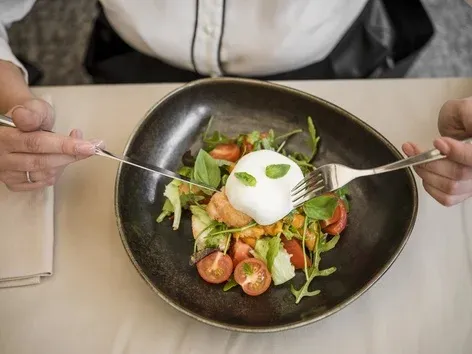
Selling homemade food is a popular way to start a microbusiness in Europe with minimal investment. The rules for this type of activity vary significantly in Spain, Poland, and the Czech Republic: one country has set a clear production limit, another requires the kitchen to be registered with health authorities, and the third evaluates the organization of the business based on social media posts. Learn more about the legal frameworks for home-based food production in these three European countries

Custom-made homemade cakes, varenyky, and stuffed cabbage rolls for fellow immigrants, jams at local fairs, and cookies advertised on Instagram—culinary ventures have become one of the most accessible ways for those who want to try their hand at starting their own business abroad. This approach doesn’t require renting a large space, buying expensive equipment, or investing tens of thousands of euros up front. At the same time, there are still many myths surrounding home-based food production, and the legal requirements vary significantly from country to country.
Relocate.to recently wrote about the rules for home food production in three popular European jurisdictions.
Which products are allowed to be prepared at home for sale, when registration with health authorities is required, why an Instagram page could trigger an inspection, and how to separate your home kitchen from commercial production—we cover all this in the article below.
Are you planning to launch a food microbusiness in Spain, Poland, the Czech Republic, or another European country, but don’t know where to start from a legal standpoint?
The lawyers at Visit World can advise you on business registration, health and safety requirements, and tax obligations in a specific jurisdiction.

European Food Law: Private Kitchens and Commercial Operations Have Different Statuses
European food hygiene legislation does not apply to the preparation, processing, and storage of food for private household consumption. You can prepare meals for your own family without registering the kitchen, implementing HACCP, or reporting to food inspectors.
The situation changes as soon as the products go beyond private consumption. The producer is responsible for the safety of such food, is required to comply with hygiene rules, and, depending on the nature of the activity, must notify the competent authorities of the place of production. European law explicitly prohibits placing unsafe or unfit-for-consumption products on the market.
The statement “I only cook at home” does not exempt one from food safety laws. However, some countries have simplified the rules for small-scale home production—such models are in place in Spain, Poland, and the Czech Republic.
The Best Countries for Digital Nomads in 2026—in this article.
Registration of Home Food Production: Three Models in the EU
Spain has the most detailed procedure. Royal Decree Real Decreto 1021/2022 regulates food production in premises primarily used as private residences. During commercial operations, the relevant part of an apartment or house is legally treated as a retail food establishment.
In Poland, the position of the Główny Inspektorat Sanitarny permits food production in premises that primarily serve as dwellings. Before operations begin, the production site must be entered into the registry of establishments maintained by the regional office of the Państwowa Inspekcja Sanitarna—Sanepid. Registration is free of charge.
Separately, there is a “nierejestrowana” (unregistered) business regime for small-scale entrepreneurial activities: the lack of business registration does not exempt the producer from sanitary inspections.
The Czech Republic has adopted a more flexible approach. The State Agricultural and Food Inspection Authority (SZPI) operates under separate guidelines for food produced at home and sold “from home”; the document was last updated in April 2025. Instead of automatically equating any sale with a food business, the SZPI evaluates two criteria: the regularity of the activity and its level of organization.
Visit World services for tourists, migrants, and expats: Insurance | Guides | Legal advice
What products are permitted to be prepared at home for sale?
The Spanish model has a fixed list of categories that may be produced in private homes. A mandatory requirement is sufficient heat treatment and product stability at room temperature. Permitted categories include:
- bakery and confectionery products that are stable at room temperature;
- jams, preserves, and jellies after appropriate heat treatment;
- fruit, vegetable, and other plant-based preserves with a pH below 4.5.
Autonomous communities may expand this list through individual decisions. Each product unit must be labeled with “Elaborado en vivienda particular” and the date of manufacture.
Poland evaluates the feasibility of home production based on the type of product, volume, conditions of the specific kitchen, and target consumer group. High-risk products, even in small quantities, cannot always be produced in a home setting. For cheeses, sausages, and other products of animal origin, a separate regime under the supervision of veterinary authorities may apply. The Czech SZPI guidelines explicitly list, among other criteria, the complexity of the product, the need for specialized equipment, and the requirement to maintain the cold chain.
About the world’s richest countries in 2026 — read more at the link.
Production Volumes and Sales Channels for Homemade Food
Spain has established a clear quantitative limit: the total volume of home-based production may not exceed 100 kilograms of finished products per week, and this figure must be documented. Food may be supplied directly to the end consumer at periodic or one-time markets, as well as via delivery within a designated local sanitary territory.
Selling from one’s doorstep, serving customers on-site, and supplying stores, restaurants, and food service establishments are permitted only with special authorization from the autonomous community. As a general rule, supplying meals to groups or for events is not permitted. A model involving an Instagram page and pickup of products from home is not automatically permitted and requires verification against regional regulations.
In the Czech model, the SZPI considers food preparation or other food-related work performed one or more times a month on average over the course of a year to constitute a certain degree of regularity. In addition to frequency, production volume, customer category, and method of sale are taken into account. Occasional baking for school, church, sports, or charity events is subject to a different legal assessment than systematic production to order, participation in markets, or supply to stores, restaurants, coffee shops, and bistros.
The best countries for foreigners to buy real estate in 2026— listed here.
Sanitary and Health Requirements for Home Kitchens in Europe
The Polish model establishes basic hygiene standards for kitchens: safe surfaces, access to drinking water, proper conditions for storing raw materials and temperature control, and the ability to maintain clean hands and equipment. For small-scale home production, regulatory authorities may apply more flexible procedures, but risk assessment remains a mandatory step.
A person who works directly with food in Poland must have a valid medical certificate for sanitary and epidemiological purposes. This refers to a valid medical document of the sanitary and epidemiological type; the colloquial term “sanitary book” has no legal significance here.
Spain further regulates the shared use of kitchen facilities. The preparation of commercial and home-cooked meals is separated in terms of time, and—if there is a risk of contamination—in terms of space as well. Ingredients intended for sale are stored separately from household supplies. Unauthorized persons and pets are not permitted in the area where commercial products are prepared.
About the 2026 ranking of the safest countries for investors—read more at the link.
Legal Support for Food Microbusinesses Abroad
Launching a home-based food production business in Europe requires an understanding of local sanitation standards, registration rules, restrictions on sales channels, and tax obligations. Mistakes at the startup stage—ranging from choosing the wrong legal structure to selling unregulated products—can result in fines and the suspension of operations.
The lawyers at Visit World advise foreigners on doing business abroad: from choosing a legal structure to preparing documents for health and veterinary authorities in a specific country.
Schedule a personalized consultation to verify the legal status of your business idea before your first sale and structure your operations in compliance with applicable requirements!
Reminder! In a previous article, we explained which countries make it easiest for foreigners to start a business.
Photo: Magnific
Products from Visit World for a comfortable trip:
Travel guide for 200 countries;
Legal advice from a local specialist on visa and migration issues;
Travel insurance around the world (please select the country of interest and citizenship to receive services);
Medical insurance all over the world.
We monitor the accuracy and relevance of our information, so if you notice any errors or inconsistencies, please contact our hotline.
Frequantly
asked questions
Is it legal to sell home-cooked food in EU countries?
What products are permitted to be prepared at home for sale in Spain?
Recommended articles
3 min
Travels
Greece Will Open 126 Tourist Attractions for Free: What to See on August 28
In late August, tourists in Greece will have a rare opportunity to see ancient temples, archaeological sites, and museums after sunset—and for free. On August 28, 2026, 126 historic sites across the country will open to the public to celebrate the August full moon, and many locations will host concerts, guided tours, and cultural events. Here’s where to go and what you need to know before your visit
18 Aug. 2026
More details1 min
Residence permit
Business Residence Permits in Poland, Slovakia, Spain
Registering a business does not guarantee residency in Europe. Find out how it works in Poland, Slovakia and Spain in 2026
20 Aug. 2026
More details3 min
Popular
Renting an apartment in Belgium can cost anywhere from a few hundred to over €1,500 per month, but the rent itself is only part of the expenses. You’ll need to factor in a security deposit, utility bills, insurance, and other expenses—and the rules vary between Brussels, Flanders, and Wallonia. Learn more about housing prices in Belgium in 2026, the documents required to rent, and the expenses you should consider before signing a lease
19 Aug. 2026
More details2 min
Air travel
The World's Busiest Airports in 2026: Incheon Takes the Top Spot for the First Time
South Korea's Incheon Airport has become the world leader in international passenger traffic for the first time, surpassing Heathrow and Changi. Learn more about the new ranking of the world's largest aviation hubs, the reasons behind Incheon's rapid growth, and how global routes are changing in 2026
20 Aug. 2026
More detailsAll materials and articles are owned by VisitWorld.Today and are protected by international intellectual property regulations. When using materials, approval from VisitWorld.Today is required.