

Na sprzedaż jest opuszczona wioska w Hiszpanii w niskiej cenie: co tak naprawdę kryje się za tą ofertą
Table of contents
- Co dokładnie jest na sprzedaż: gdzie znajduje się wioska i co wchodzi w skład działki
- Rzeczywista cena a rzeczywiste koszty: co jeszcze będziesz musiał zapłacić
- Kto może kupić: wymagania dla cudzoziemców i niezbędne dokumenty
- Rekonstrukcja i użytkowanie: pozwolenia, ograniczenia, ryzyka
- Czy to naprawdę opłacalne: dla kogo zakup opuszczonej wioski ma sens?
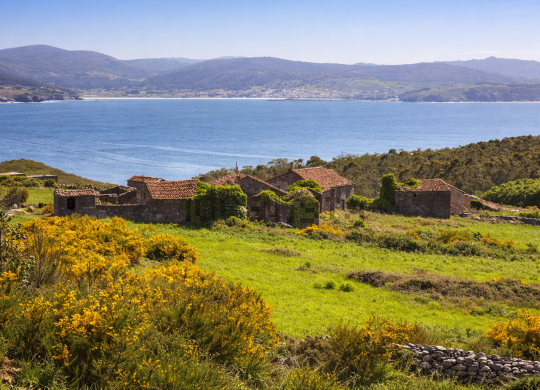
W Hiszpanii na sprzedaż wystawiono całą opuszczoną wioskę za cenę mieszkania w dużym mieście. Wiadomość ta już wywołała poruszenie wśród inwestorów i podróżników. Jednak atrakcyjna kwota często kryje podatki, niuanse prawne i ograniczenia dotyczące przebudowy. Dowiedz się więcej o rzeczywistych warunkach zakupu nieruchomości w Hiszpanii i co powinieneś sprawdzić przed dokonaniem transakcji

Wieść o całej opuszczonej wiosce w Hiszpanii sprzedawanej za "ridiculous" cenę brzmi jak marzenie: własne kamienne domy, widoki na Atlantyk i potencjał na projekt turystyczny lub prywatną rezydencję. Jednak takie oferty to nie tylko ładny obrazek, ale także konkretne procedury prawne, podatki, kontrole tytułów i wymagania lokalnych władz dotyczące odbudowy. W Hiszpanii cudzoziemcy mogą kupować nieruchomości, ale proces ma jasne zasady: od uzyskania numeru identyfikacyjnego po rejestrację własności.
Wcześniej szczegółowo rozmawialiśmy o zmianach w hiszpańskich przepisach wizowych i migracyjnych, które są spodziewane w 2026 roku.
Planujesz przeprowadzkę do Europy lub ubieganie się o pozwolenie na pobyt? Przepisy migracyjne zmieniają się szybko, a nawet drobny błąd w dokumentach może kosztować miesiące oczekiwania lub odmowę.
Konsultacja z prawnikiem migracyjnym pomoże ocenić twoje szanse, wybrać optymalny typ wizy i przygotować się do złożenia wniosku bez ryzyka.
Zarejestruj się na konsultację i uzyskaj teraz jasny plan działania.

Co dokładnie jest na sprzedaż: gdzie znajduje się wioska i co wchodzi w skład działki
Opuszczona wioska Candelago w autonomicznej wspólnocie Galicji, na Costa da Morte, regionie znanym z skalistych wybrzeży, latarni morskich i widoków na Ocean Atlantycki, jest na sprzedaż. Lokalizacja nie jest "odległą prowincją": kilka kilometrów dalej znajduje się wioska rybacka Corme z infrastrukturą turystyczną, portem i obiektami kulturalnymi, co czyni to miejsce potencjalnie atrakcyjnym dla rozwoju prywatnej rezydencji lub małego projektu turystycznego.
Działka obejmuje około dziesięciu tradycyjnych kamiennych domów, galicyjskich spichlerzy (horreos) oraz przyległych terenów z opuszczonymi ścieżkami. Wioska była stopniowo opuszczana od lat 70. XX wieku z powodu odpływu ludzi z obszarów wiejskich, więc większość budynków wymaga całkowitej odbudowy lub dużych napraw. Jednocześnie to format "pakietowy" sprzedaży (cała wioska, a nie pojedyncze domy) budzi zainteresowanie inwestorów: nieruchomość można przekształcić w kompleks prywatny, butikowy hotel lub projekt agroturystyczny (po uzyskaniu wszystkich lokalnych zezwoleń).
Wcześniej informowaliśmy, że Hiszpania zezwoliła na krótkoterminowe pozwolenia na pracę dla cudzoziemców.
Rzeczywista cena a rzeczywiste koszty: co jeszcze będziesz musiał zapłacić
Cena nieruchomości może wyglądać atrakcyjnie, ale przy zakupie nieruchomości w Hiszpanii nabywca ponosi dodatkowe obowiązkowe koszty, które znacznie zwiększają ostateczny budżet transakcji. Rynek wtórny podlega podatkowi od przeniesienia własności (Impuesto sobre Transmisiones Patrimoniales, ITP), którego stawka ustalana jest na poziomie wspólnoty autonomicznej i zazwyczaj waha się w granicach kilku procent wartości nieruchomości. Usługi notarialne i rejestracja własności w Registro de la Propiedad są płatne osobno - bez tego nabywca nie jest prawnie uznawany za właściciela nieruchomości.
Należy również uwzględnić koszty wsparcia prawnego i due diligence przed transakcją: prawnik sprawdza, czy istnieją jakiekolwiek długi, obciążenia, problemy z tytułem własności i zgodność z danymi katastralnymi. Jest to szczególnie ważne w przypadku nieruchomości takich jak opuszczone wioski, ponieważ nieruchomość mogła nie być utrzymywana przez lata, mieć nierozwiązane granice lub problemy spadkowe. Dodatkowo warto rozważyć koszty podłączenia lub przywrócenia mediów (woda, prąd, drogi dojazdowe), które w obszarach wiejskich mogą być nie tylko kosztowne, ale także wymagać osobnych zezwoleń od gminy.
Aby dowiedzieć się więcej o procedurze uzyskania wizy dla cyfrowych nomadów w Hiszpanii, proszę kliknąć w link.
Kto może kupić: wymagania dla cudzoziemców i niezbędne dokumenty
Cudzoziemcy mają prawo kupować nieruchomości w Hiszpanii bez jakichkolwiek ograniczeń dotyczących obywatelstwa lub pozwolenia na pobyt. Jednak aby zawrzeć transakcję i zarejestrować własność, należy wcześniej przygotować podstawowy pakiet dokumentów i przejść przez kilka formalnych kroków:
1. Numer identyfikacyjny cudzoziemca (NIE) jest wymagany do wszelkich prawnie istotnych działań w Hiszpanii, w tym zakupu nieruchomości i płacenia podatków.
2. Konto bankowe w hiszpańskim banku - potrzebne do dokonywania płatności, płacenia podatków i rachunków za media; często wymagane do rozliczeń w ramach umowy.
3. Ważny paszport - do celów identyfikacyjnych w biurze notarialnym i podczas rejestracji transakcji.
4. Potwierdzenie źródła funduszy - banki i notariusze mogą żądać dokumentów w celu spełnienia wymogów AML, szczególnie dla dużych kwot lub przelewów z zagranicy.
5. Numer podatkowy w kraju zamieszkania - czasami wymagany do prawidłowej rejestracji podatkowej transakcji.
Ważne jest, aby pamiętać, że zakup nieruchomości w Hiszpanii nie daje automatycznie prawa do pobytu ani obywatelstwa. Jeśli zakup jest traktowany jako część planu relokacji lub długoterminowego pobytu, podstawy migracyjne (wizy, pozwolenia na pobyt, inne programy) powinny być sprawdzone osobno.
Przy okazji, w naszym poprzednim artykule wspomnieliśmy, że Sagrada Familia w Barcelonie będzie otwarta dla publiczności bezpłatnie.
Rekonstrukcja i użytkowanie: pozwolenia, ograniczenia, ryzyka
Opuszczone wioski w Hiszpanii prawie zawsze wymagają całkowitej rekonstrukcji, a wszelkie prace budowlane są regulowane przez lokalne przepisy planowania przestrzennego. Przed rozpoczęciem rekonstrukcji właściciel musi sprawdzić status planowania przestrzennego działek w gminie: czy dozwolone jest użytkowanie mieszkalne lub turystyczne, czy teren należy do obszarów chronionych (wybrzeże, parki przyrodnicze, dziedzictwo historyczne). W regionach nadmorskich istnieją dodatkowe ograniczenia dotyczące rozwoju i rekonstrukcji, w tym wymagania dotyczące ochrony środowiska i stref ochrony wybrzeża.
Duże prace wymagają projektu od licencjonowanego architekta i pozwolenia od lokalnej rady. Nawet przywrócenie starych budynków "w obrębie istniejących ścian" może wymagać osobnej zgody. Jeśli właściciel planuje przekształcić nieruchomość w zakwaterowanie turystyczne lub mały hotel, będzie musiał dodatkowo uzyskać licencję turystyczną i spełnić regionalne wymagania dotyczące bezpieczeństwa, dostępności i infrastruktury. Oznacza to dodatkowe koszty i terminy, które należy uwzględnić w budżecie przed zakupem.
Główne ryzyka dla nabywcy związane są z technicznym stanem budynków, złożonością podłączenia mediów oraz możliwymi ograniczeniami w zmianie przeznaczenia nieruchomości. W niektórych przypadkach rekonstrukcja może być droższa niż sam zakup, dlatego warto zaangażować nie tylko prawnika, ale także inżyniera lub architekta w transakcję, aby wstępnie ocenić stan budynków.
Jak uzyskać pozwolenie na pobyt w Hiszpanii: 9 najpopularniejszych sposobów dla cudzoziemców jest wymienionych tutaj.
Czy to naprawdę opłacalne: dla kogo zakup opuszczonej wioski ma sens?
Zakup całej opuszczonej wioski za stosunkowo niewielką kwotę pieniędzy może wyglądać jak unikalna okazja inwestycyjna, ale w praktyce nie jest odpowiedni dla każdego. Taki format ma sens dla tych, którzy są gotowi inwestować nie tylko finansowo, ale także organizacyjnie: koordynować rekonstrukcję, przejść przez procedury uzyskiwania zezwoleń i czekać na zwrot z inwestycji. Najczęściej inwestorzy rozważają takie obiekty dla małych kompleksów turystycznych, eko-hoteli lub prywatnych rezydencji dla życia rodzinnego z perspektywą wynajmu części domów.
Jednak dla nabywców szukających opcji "gotowej do zamieszkania" lub szybkiego dochodu z wynajmu, takie nieruchomości mogą stać się pułapką finansową. Koszty remontu, podłączenia mediów, uzyskania licencji i dostosowania budynków do nowoczesnych standardów bezpieczeństwa mogą znacznie przekroczyć początkową cenę zakupu. Dlatego przed transakcją ważne jest, aby jasno odpowiedzieć na następujące pytania: czy nabywca ma realistyczny budżet, czas na realizację projektu i zespół specjalistów na miejscu, którzy mogą zrealizować pomysł.
Jeśli planujesz legalizację, ubieganie się o pozwolenie na pobyt lub składanie dokumentów migracyjnych za granicą, pomoc specjalistycznych prawników migracyjnych może znacznie uprościć proces. Specjaliści pomogą ocenić twoje szanse na uzyskanie statusu prawnego, przygotować pakiet dokumentów, uniknąć powszechnych błędów i towarzyszyć ci na wszystkich etapach procedury migracyjnej: od wstępnej konsultacji po uzyskanie decyzji od organów migracyjnych.
Przypominamy! Wiza w celu poszukiwania pracy w Hiszpanii daje cudzoziemcom do 12 miesięcy na legalny pobyt, poszukiwanie ofert pracy lub rozpoczęcie własnej działalności. Już rozmawialiśmy o głównych zaletach wizy, popularnych sektorach i miastach do zatrudnienia, praktycznych wskazówkach dotyczących poszukiwania pracy oraz procedurze przekształcania wizy po otrzymaniu oferty.
Produkty z Visit World na komfortową podróż:
Lista kontrolna do uzyskania wizy i niezbędnych dokumentów w Hiszpanii;
Porady prawne dotyczące imigracji do Hiszpanii;
Ubezpieczenie podróżne dla cudzoziemców w Hiszpanii;
Ubezpieczenie zdrowotne na całym świecie.
Monitorujemy dokładność i aktualność naszych informacji, więc jeśli zauważysz jakiekolwiek błędy lub nieścisłości, proszę skontaktuj się z naszą infolinią.
Frequantly
asked questions
Czy cudzoziemiec może kupić opuszczoną wieś w Hiszpanii bez zezwolenia na pobyt?
Ile właściwie kosztuje zakup, oprócz ceny nieruchomości?
Jak długo trwa proces zakupu?
Czy możliwe jest przekształcenie opuszczonej wsi w atrakcję turystyczną?
Jakie są główne ryzyka takiego zakupu?
Recommended articles
3 min
Travels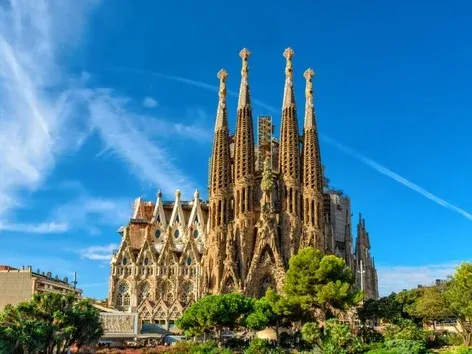
Barcelona przygotowuje specjalne wydarzenie dla turystów i miłośników architektury—jedno z najsłynniejszych sanktuariów Europy będzie tymczasowo otwarte dla publiczności bezpłatnie. To rzadka okazja, aby zobaczyć legendarną świątynię, która jest w budowie od ponad wieku, gdy zbliża się do ukończenia. Dowiedz się więcej o bezpłatnych wizytach w Sagrada Familia i warunkach dostępu dla odwiedzających miasto
07 lut. 2026
More details3 min
Travels
Turystyka w Hiszpanii pobiła historyczny rekord w 2025 roku: kluczowe dane i fakty
W 2025 roku Hiszpania przyjęła rekordową liczbę zagranicznych turystów i stała się jednym z trzech najlepszych krajów na świecie pod względem przychodów z turystyki. Turystyka stała się jednym z kluczowych motorów gospodarki kraju, stawiając jednocześnie nowe wyzwania przed miastami i lokalnymi mieszkańcami. Dowiedz się więcej o najważniejszych atrakcjach turystycznych 2025 roku w Hiszpanii i na świecie
07 lut. 2026
More details2 min
Expats
Wynajem zakwaterowania w Hiszpanii: aktualne zasady, ceny i niuanse dla najemców
Znalezienie zakwaterowania na wynajem w Hiszpanii jest często trudniejsze, niż się wydaje na pierwszy rzut oka, szczególnie dla obcokrajowców. Wysoki popyt, wymagania finansowe i dodatkowe koszty mogą znacząco wpłynąć na Twój budżet i harmonogram przeprowadzki. Dowiedz się więcej o wynajmie zakwaterowania w Hiszpanii, zasadach i ważnych szczegółach dla najemców
11 lut. 2026
More details3 min
Travels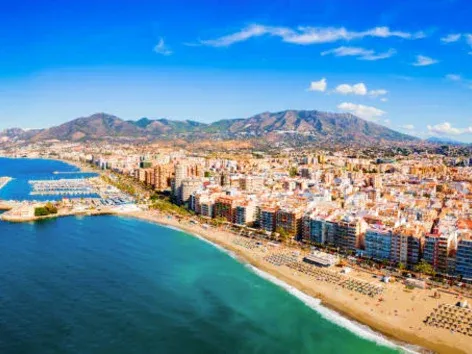
Costa del Sol wiosną: 5 miejsc w Hiszpanii na idealną podróż w 2026 roku
Wiosna to idealny czas na podróż do południowej Hiszpanii, gdy kurorty są jeszcze wolne od letnich tłumów. Wybrzeże Costa del Sol przyciąga turystów swoim łagodnym klimatem, andaluzyjską architekturą i autentyczną kuchnią. Dowiedz się więcej o pięciu lokalizacjach, które warto uwzględnić w swoim wiosennym planie podróży
22 lut. 2026
More detailsAll materials and articles are owned by VisitWorld.Today and are protected by international intellectual property regulations. When using materials, approval from VisitWorld.Today is required.