

Life by the ocean on a budget: why the Philippines is becoming a new hub for expats
Table of contents
- Why have the Philippines unexpectedly become popular among foreigners?
- What is the cost of living in the Philippines in 2026?
- What are the most commonly cited benefits of living in the Philippines among expats?
- What downsides of life in the Philippines might become a problem?
- Is it easy for a foreigner to move to the Philippines?
- Which cities and islands do foreigners most often choose to live in?
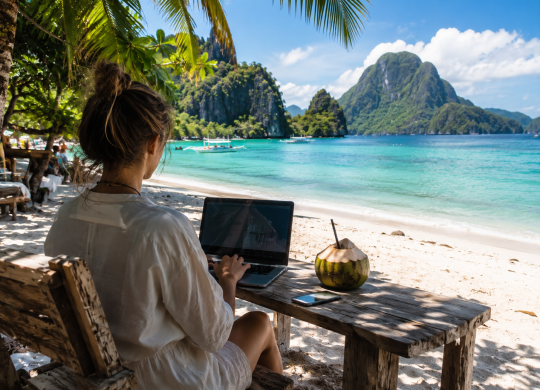
More and more foreigners are looking for alternatives to expensive countries in Europe and North America. The Philippines attract attention with their affordable prices, English-speaking environment, warm climate, and the opportunity to live by the ocean even on a moderate budget. Learn more about the benefits, costs, and unique aspects of living in the Philippines in 2026

The Philippines is increasingly appearing on lists of countries that foreigners consider not only for vacation but also for living. The reason is simple—living by the ocean here is significantly cheaper than in many countries in Europe or North America. Add to that a warm climate year-round, a large number of islands, English as a common language, and a more relaxed pace of life.
In recent years, the country has become particularly popular among people who work remotely or have the freedom to choose where they live. In the Philippines, rent, food, and daily expenses are often cheaper than in popular European cities or tourist hubs in Southeast Asia.
At the same time, life on the islands has its own unique challenges. High humidity, typhoon season, limited inter-island transportation, and uneven infrastructure can pose serious challenges for foreigners. That is why, before moving, it is important to evaluate not only the beautiful photos of beaches but also the actual living conditions in the country.
Planning a trip abroad? Choose a reliable health insurance policy on the Visit World portal.

Why have the Philippines unexpectedly become popular among foreigners?
Just a few years ago, the Philippines lagged far behind Thailand, Indonesia, or Vietnam in popularity among foreigners looking for a country for long-term residence. However, the situation is now gradually changing. More and more people are turning their attention to the Philippine islands because of the lower cost of living, the English-speaking environment, and the opportunity to live by the ocean without exorbitant expenses.
One of the country’s main advantages is the English language. The Philippines is considered one of the largest English-speaking countries in Asia—English is used here in education, government institutions, transportation, and business. For foreigners, this makes adaptation much easier compared to many other countries in the region.
Another factor is the climate and lifestyle. Unlike megacities with constant stress and high costs, many islands in the Philippines offer a more relaxed pace of life, access to beaches, and warm weather almost year-round. The average temperature here often stays between 26°C and 32°C even in winter.
The cost of living also plays an important role. In many parts of the country, renting a home by the ocean can cost less than a small apartment in major European cities. At the same time, cafes, coworking spaces, tourism infrastructure, and domestic flights between islands are actively developing in the Philippines.
Foreigners often single out the country’s natural beauty. The Philippines consists of over 7,600 islands with white-sand beaches, tropical lagoons, waterfalls, and some of the world’s best diving. That is why many people first come here as tourists and later begin to consider the country for long-term residency.
Learn more about the possibility of obtaining a residence permit in the Philippines through the FIV program by following the link.
What is the cost of living in the Philippines in 2026?
It is precisely the affordable cost of living that has become one of the main reasons why the Philippines began to attract the attention of foreigners. In most regions of the country, monthly expenses remain significantly lower than in many European countries, the U.S., or even popular tourist destinations in Southeast Asia.
The country’s most expensive city remains the capital, Manila, especially modern districts like Makati or Bonifacio Global City. At the same time, living on the islands or in smaller cities is often significantly cheaper. Many foreigners choose Cebu, Palawan, or Bohol specifically because of lower prices and a more relaxed pace of life.
On average, in 2026, monthly expenses per person (excluding rent) can range from about $500 to $900, depending on lifestyle and region. For a more comfortable life by the ocean with a rental, many foreigners budget between $1,200 and $2,000 per month.
Estimated prices in the Philippines in 2026:
1. Rent for a one-bedroom apartment – $250–800 per month;
2. Lunch at a local café – $3–7;
3. Dinner at a mid-range restaurant – $10–25;
4. Mobile phone service and internet – $20–50;
5. A taxi ride in the city – $2–6;
6. Domestic flights between islands – $30–120;
7. Utilities – about $50–150 depending on air conditioning usage.
Electricity costs are worth considering separately. Due to the heat, air conditioners in the Philippines often run almost constantly, so electricity bills may be higher than foreigners expect after moving there.
At the same time, many expats note that even with an average budget in the Philippines, you can afford a lifestyle that would cost significantly more in major cities in Europe or North America.
We previously reported that the Philippines introduced a new visa for digital nomads.
What are the most commonly cited benefits of living in the Philippines among expats?
Most foreigners who move to the Philippines for a few months or years cite several reasons why the country seems more attractive than many popular destinations in Europe or Asia. And it’s not just about low prices or beaches.
English and Easier Adaptation
The Philippines is considered one of the largest English-speaking countries in Asia. English is widely used in schools, government offices, stores, public transportation, and the service sector. For foreigners, this is a huge advantage, as adapting is much easier than in countries where it’s difficult to handle even everyday matters without knowing the local language.
This is precisely why the Philippines is often chosen by people who work remotely or run international businesses. Here, it’s easier to rent a place, sign up for services, or communicate with locals without a language barrier.
Affordable living by the ocean
On many of the country’s islands, housing by the sea is significantly cheaper than in popular tourist regions of Europe. In some cities, you can rent an apartment or a small house near the beach for an amount that in Europe often wouldn’t even cover the rent for a room.
In addition, cafes, local transportation, fruits, seafood, and domestic flights between islands remain relatively inexpensive in the Philippines. That is why the country has become popular among people who want to live by the ocean without exorbitant costs.
A warm climate all year round
The Philippines is located in the tropical climate zone, so temperatures here rarely drop below 25°C even in winter. For many foreigners, this is an opportunity to escape the cold climate and live in a “perpetual summer.”
The islands are becoming especially popular among those who are tired of long winters, lack of sunshine, and high heating costs in cold countries.
Nature, beaches, and a more relaxed pace of life
The Philippines regularly make it onto lists of the world’s best beach destinations. Boracay, Palawan, and Cebu are known for their white sand, crystal-clear water, and some of the best diving spots in Asia.
In addition to nature, foreigners often note the more relaxed pace of life. On many islands, people live at a much slower pace than in the major metropolises of Europe or the U.S., which becomes an important advantage for many after they move there.
Friendliness of the locals
Many foreigners describe Filipinos as some of the most open and friendly people in Southeast Asia. Locals are generally welcoming toward tourists and foreigners, and in popular areas, international communities have long since formed for those who have moved to the islands for the long term.
What downsides of life in the Philippines might become a problem?
Despite the beautiful beaches and relatively affordable cost of living, the Philippines isn’t for everyone. Many expats face challenges after moving there that travel blogs rarely mention.
One of the country’s main challenges is the climate. The Philippines has very high humidity, and temperatures often exceed 30°C throughout the year. For people unaccustomed to a tropical climate, the constant heat can be exhausting.
Another important factor is typhoon season. Severe storms and heavy rains are most common from around June to November. During this period, flights and inter-island ferries may be canceled, and power outages can occur.
Logistics can also be challenging. The Philippines consists of over 7,600 islands, so traveling around the country often takes much longer than foreigners expect. Even a short trip may require several transfers, domestic flights, or ferry rides.
In major cities, especially Manila, traffic jams remain a serious problem. The capital regularly ranks among the cities with the worst traffic in the world, and a trip of just a few kilometers can sometimes take over an hour.
Not all foreigners are satisfied with the level of infrastructure either. In popular areas, internet and mobile service usually work fine, but on remote islands, internet speeds can be unstable. Additionally, small towns often experience water or power outages.
Medical care is another important consideration. In Manila and major cities, there are modern private clinics, but in less touristy regions, the quality of medical services can be significantly lower. That is why many foreigners purchase international health insurance before moving.
There are also certain regions in the country where tourists and foreigners are advised not to travel due to heightened security risks. Before moving or staying for an extended period, it is important to regularly check the latest travel advisories.
In our previous article, we discussed the options for obtaining and the benefits of a Philippine Investment Visa (FIV).
Is it easy for a foreigner to move to the Philippines?
The Philippines is considered one of the relatively affordable countries in Southeast Asia for long-term residence. That is why more and more people are moving here—whether they work remotely, run an online business, or simply want to live in a warm climate by the ocean.
For short-term trips, many foreigners do not need to go through a complicated visa application process. In most cases, a foreign passport, a return ticket, and proof of accommodation booking are sufficient. However, entry rules may vary depending on citizenship and length of stay, so it is important to check the current requirements before traveling.
Many foreigners initially arrive for a few months and only later decide to stay longer. The Philippines offers options for extending stays, as well as various types of long-term visas for retirees, investors, or people with a steady income outside the country.
One of the main reasons for the Philippines’ popularity is the ability to work remotely. In major cities and tourist areas, coworking spaces, cafes with Wi-Fi, and housing for foreigners who work online are actively developing. The most popular cities among remote workers are Cebu and certain islands with well-developed tourist infrastructure.
At the same time, finding a job locally can be difficult for foreigners. Salary levels in the country are significantly lower than in Europe or the U.S., so most expats rely on remote work, business, or income from abroad.
Another important consideration is housing. In tourist areas, there is a wide selection of apartments and houses near the ocean, but prices can rise significantly during the peak season.
Many foreigners recommend first renting short-term housing and then looking for long-term options locally after moving.
It’s also worth considering banking issues, international money transfers, and health insurance before moving. Not all local banks are equally convenient for foreigners, and quality private healthcare in the country is often expensive without insurance.
Learn more about employment opportunities in the Philippines, labor market specifics, and popular job openings by following the link.
Which cities and islands do foreigners most often choose to live in?
There is no single universal place to move to in the Philippines—it all depends on your budget, lifestyle, and what exactly you’re looking for. Some choose large cities with developed infrastructure, while others prefer small islands with beaches and a relaxed pace of life.
Manila
The capital of the Philippines remains the country’s main business and economic hub. It is home to large shopping malls, modern residential complexes, international companies, and the best private clinics.
The most popular areas among foreigners are Makati and Bonifacio Global City. Here you’ll find many modern cafes, restaurants, coworking spaces, and European-standard housing. At the same time, Manila is the most expensive city in the country and one of the most congested due to traffic jams.
Cebu
Cebu is often called one of the most comfortable cities for foreigners in the Philippines. It combines urban infrastructure, an international airport, beaches, and a vibrant tourist scene.
The city is popular among remote workers, as it’s easier to find reliable internet and modern housing here. At the same time, living in Cebu is usually cheaper than in Manila, and the ocean and resort islands are much closer.
Boracay
Boracay is one of the most famous islands in the Philippines, regularly ranking among the world’s best beaches. The island attracts visitors with its white sand, crystal-clear water, and a large number of cafes, bars, and hotels.
Boracay is suitable for permanent residence for those who want the most “resort-like” lifestyle by the ocean. However, during the peak tourist season, the island becomes very crowded, and prices for housing and services rise significantly.
Palawan
Palawan is often called one of the most beautiful islands not only in the Philippines but in all of Asia. It is home to the famous El Nido lagoons and the Puerto Princesa Underground River, a UNESCO World Heritage Site.
The island is ideal for people seeking a quieter life closer to nature. At the same time, Palawan is less developed in terms of infrastructure, so for a long-term stay here, it is important to consider issues such as internet access, healthcare, and transportation in advance.
Get advice from a migration lawyer to explore your options for obtaining a residence permit in the Philippines.

We remind you! In 2025, more and more countries are offering tax-free digital nomad visas, allowing remote workers to work in exotic countries without paying taxes. We’ve already told you which countries offer the best options for those who want to combine work and travel while keeping their income.
Products from Visit World for a comfortable trip:
Travel guide for 200 countries;
Legal advice from a local specialist on visa and migration issues;
Travel insurance around the world (please select the country of interest and citizenship to receive services);
Medical insurance all over the world.
We monitor the accuracy and relevance of our information, so if you notice any errors or inconsistencies, please contact our hotline.
Recommended articles
3 min
Travels
Gdzie odpocząć na Filipinach i jakie są zasady wjazdu do kraju
The Philippines is an archipelago comprising over 7,000 islands, attracting tourists with its beaches, nature parks, and diving opportunities. Ukrainians need a tourist visa to enter the country, which can be extended once there. Learn more about visa requirements, the best time to visit, and what makes a vacation in the Philippines special
12 cze. 2026
More details2 min
Residence permit
Filipiński Program Stałego Pobytu przez Inwestycje (FIV) jest uznawany za jeden z najpopularniejszych na świecie, z ponad 200 osobami dołączającymi do niego w zaledwie jeden miesiąc. Dowiedz się o korzyściach płynących z przeprowadzki na Filipiny i jak zostać członkiem programu
04 lis. 2024
More details1 min
Expats
Program wizowy dla cyfrowych nomadów na Filipinach: co wiadomo?
Filipiny uruchomiły nową wizę dla cyfrowych nomadów, zapraszając pracowników zdalnych do życia i pracy w tropikalnym raju. Dowiedz się, jakie są wymagania dla wnioskodawców i dlaczego cyfrowi nomadzi powinni wybrać Filipiny jako swoje miejsce docelowe
02 maj. 2025
More details3 min
Residence permit
Zezwolenie na pobyt na Filipinach: jak działa wiza inwestorska FIV w 2026 roku?
Filipiny coraz bardziej przyciągają zagranicznych inwestorów, oferując szybkie i proste mechanizmy legalizacji pobytu. Wiza inwestorska FIV już przyciągnęła uwagę przedsiębiorców i rodzin z dziesiątek krajów dzięki połączeniu szybkiego rozpatrywania wniosków i elastycznych warunków uczestnictwa. Dowiedz się więcej o możliwościach uzyskania zezwolenia na pobyt na Filipinach poprzez program FIV
13 lut. 2026
More detailsAll materials and articles are owned by VisitWorld.Today and are protected by international intellectual property regulations. When using materials, approval from VisitWorld.Today is required.