

Indonesia has launched the Global Citizenship program: a new format of quasi-citizenship for foreigners
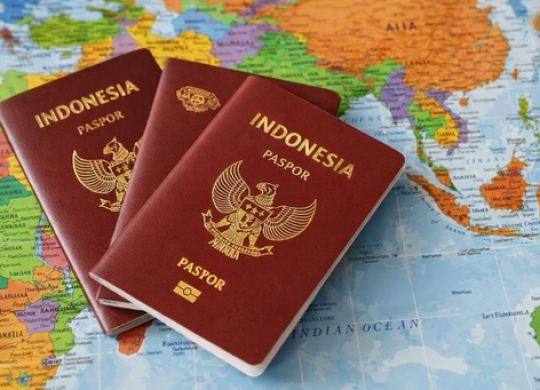
Indonesia has officially launched the Global Citizenship program, a new migration status often referred to as “quasi-citizenship.” Despite the loud name, it is not a passport, but a lifetime right to reside for certain categories of foreigners. Learn more about the conditions, requirements and real opportunities of Global Citizenship status in Indonesia

Indonesia has announced the launch of the Global Citizenship of Indonesia program, a new immigration status format that has already been dubbed “quasi-citizenship” in the media. Despite its name, this program does not provide for a passport or political rights, but is a special lifetime residence status for certain categories of foreigners. The launch of the initiative was an attempt to offer an alternative to dual citizenship, which is officially prohibited in Indonesia.
In fact, it is a new tool for legalizing long-term residence for people with a proven connection to the country. Holders of this status can live indefinitely in Indonesia, freely enter and leave the country without having to apply for new visas or residence permits each time. At the same time, they do not receive political rights and remain citizens of their home countries.
The interest in the program is fueled not only by the novelty of the format, but also by a general trend: more and more countries are looking for compromise solutions between strict citizenship rules and the need to attract diaspora, professionals, and people with cultural or family ties to the country. In this article, we will explore what Global Citizenship in Indonesia actually means, who can apply for this status, what requirements are imposed on applicants, and whether it can become an alternative to a classic residence permit or citizenship.
Are you planning to travel, move or work abroad?
A migration lawyer will help you choose the right type of visa or permit, prepare an error-free package of documents and reduce the risk of rejection. Get professional advice now and save time, money and nerves at every stage of the migration process.

What is Global Citizenship of Indonesia?
The Global Citizenship of Indonesia (GCI) program is a special immigration status that allows foreigners with a proven connection to Indonesia to live in the country indefinitely without the need to regularly renew their visa or residence permit. In fact, it is a lifetime right of residence with free entry and exit from the country, which makes it possible to plan life, work or business in Indonesia for years to come.
Global Citizenship does not require an Indonesian passport, does not give voting rights, the right to hold public office or automatically work without additional permits. It is neither citizenship nor dual citizenship - Indonesia continues to prohibit multiple citizenship, and GCI was created as a compromise mechanism for those who have cultural, family or historical ties to the country.
At its core, Global Citizenship is an intermediate place between a classic residence permit and citizenship. Unlike most visas and residence permits, the status has no expiration date and does not require regular renewal. However, unlike citizenship, it does not change the legal status of a person in the state and does not grant political rights. A GCI holder remains a foreigner with expanded migration opportunities.
Who can obtain Global Citizenship status?
The Global Citizenship of Indonesia program is not a mass migration initiative for everyone. It is aimed at clearly defined categories of foreigners who can prove a real connection to Indonesia. It is not about investments or buying status, but rather about a proven family, cultural or legal connection to the country.
First of all, former Indonesian citizens who have lost their citizenship due to the ban on dual citizenship or a change of residence status in other countries can apply for Global Citizenship. The program also includes their children and grandchildren (up to the second generation) who were born abroad but have documented Indonesian ancestry.
Some categories of the program provide for the possibility of applying for family members of such persons, as well as for some cases of mixed marriages. It is important to note that the program is not available to ordinary foreigners without family or historical ties to Indonesia. Global Citizenship is not an alternative to tourist, work or investment visas and does not open a simplified legalization path for anyone wishing to move to the country.
In our previous article, we told you that Indonesia has launched a new digital portal, All Indonesia, which combines visa applications, customs declarations and medical forms into a single system.
What requirements and documents are needed?
The Global Citizenship of Indonesia program has clear requirements for applicants, as the status is granted only to individuals with a proven connection to Indonesia. The main emphasis is not on financial criteria, but on the applicant's origin, family ties and legal status. Preparation of documents should be started in advance, as some of the certificates may require archival requests or translations.
The basic package of documents and requirements usually includes:
1. Proof of connection with Indonesia (birth certificates, old passports, documents on the citizenship of parents or grandparents, official archival certificates);
2. Documents confirming kinship (for children, grandchildren, family members, cases of mixed marriages);
3. The applicant's valid foreign passport;
4. Proof of legal residence abroad at the time of application;
5. Passing basic security checks (no serious offenses, problems with migration legislation);
6. Translation of documents into Indonesian and notarization.
The actual list of documents may vary depending on the applicant's category and the specific circumstances of his/her case. Therefore, before submitting the application, it is worth clarifying the current requirements and the format of the confirmations to avoid delays or refusals due to formal inaccuracies.
What does the procedure for obtaining the status look like?
The procedure for obtaining the Global Citizenship of Indonesia status is structured as a formal migration process through the Indonesian immigration authorities. Despite the novelty of the program, the general logic of applying is similar to that of other long-term migration statuses: from the preparation of documents to the final approval and registration of status in the country.
The general procedure for obtaining the status is as follows:
1. Preparation of a package of documents confirming the connection with Indonesia and the applicant's personal data;
2. Submitting an application through the official channels of the immigration service or designated government platforms;
3. Passing checks by the migration authorities (verification of documents, origin, migration history);
4. Waiting for the decision on the application (the terms of consideration may vary depending on the complexity of the case and the completeness of the package of documents);
5. In case of approval, obtaining a document confirming the status and completing formalities after entering or staying in Indonesia (registration of residence, obtaining identification documents for foreigners).
It should be borne in mind that at the start of the program, the procedures may be clarified or changed as the practice of its application is formed. Therefore, before submitting an application, it is advisable to check the current instructions and requirements to avoid mistakes that may delay the status application process.
Why did Indonesia launch this program and who benefits from it?
The launch of the Global Citizenship of Indonesia program is an attempt by the state to find a compromise between strict constitutional restrictions on dual citizenship and the real need to maintain contact with millions of people of Indonesian descent abroad. Historically, the majority of the Indonesian diaspora was formed in the mid-twentieth century after the country's independence, when many families emigrated to Europe, Australia, the United States, and other regions. Due to the ban on multiple citizenship, a significant number of these people have formally lost their legal ties to Indonesia, despite maintaining cultural and family contacts.
For Indonesia itself, the program makes practical sense. It allows the diaspora to return to the legal field of the state without revising the basic norms of citizenship, as well as encouraging the return of people with international experience, business contacts and professional skills. This approach has the potential to promote investment, entrepreneurship, knowledge transfer, and strengthening of the country's international relations without the need for a formal passport.
For the applicants themselves, Global Citizenship is beneficial primarily as a tool for long-term legalization of stay in Indonesia without losing their current citizenship. The program can be useful for those who plan to move to Indonesia for permanent or semi-permanent residence, want to maintain close ties with their family's country of origin, or consider Indonesia as a base for living and doing business in Southeast Asia. At the same time, for foreigners without historical or family ties to the country, this initiative does not create new migration opportunities and does not replace classic visa programs.
If you are planning to apply for a work visa, temporary employment abroad, or have questions about migration procedures, contacting a professional migration lawyer will help you avoid mistakes and unnecessary delays. Visit World specialists advise on the requirements of different countries, help prepare a package of documents, assess the chances of obtaining a visa, and accompany the application process at every stage: from choosing the grounds for entry to obtaining a permit for legal stay abroad.
We remind you! Bali plans to tighten its entry rules starting in 2026: financial verification of tourists, a mandatory return ticket, and possible quotas during peak seasons. Read more about what will change for travelers.
Products from Visit World for a comfortable trip:
Travel guide for 200 countries;
Legal advice from a local specialist on visa and migration issues;
Travel insurance around the world (please select the country of interest and citizenship to receive services);
Medical insurance all over the world.
We monitor the accuracy and relevance of our information, so if you notice any errors or inconsistencies, please contact our hotline.
Frequantly
asked questions
Does Global Citizenship of Indonesia entitle me to an Indonesian passport?
Can ordinary foreigners without Indonesian origin obtain Global Citizenship?
Is it possible to work in Indonesia with Global Citizenship status?
Do I have to renounce my citizenship to obtain Global Citizenship?
Can Global Citizenship status be revoked in the future?
Recommended articles
3 min
Expats
Sri Lanka updates visa rules: new opportunities for tourists and digital nomads
Sri Lanka is updating its migration rules and opening up new opportunities for travelers and remote workers looking for a comfortable country for a long stay. The country's visa formats simplify legal residence, online work, and planning longer trips without violating local rules. Learn more about Sri Lanka's visa options for tourists and digital nomads
06 Feb. 2026
More details2 min
Residence permit
Qatar launches new long-term residency format for business leaders and entrepreneurs
Qatar has announced new measures to attract international business and management talent by offering foreigners more stable living and working conditions. Long-term decisions on residency and investment reflect the country's changing economic priorities and increased competition for global talent. Learn more about the new 10-year residency program and opportunities for entrepreneurs and top managers
08 Feb. 2026
More details3 min
Popular
Countries out of conflict: 7 neutral destinations for living and relocation
In times of geopolitical turbulence, some people consider moving to countries that have long maintained a policy of neutrality and avoided military alliances. Such states offer relative stability and clear paths for residency or long-term residence. Learn more about countries that remain neutral and realistic options for moving to them
09 Feb. 2026
More details3 min
Expats
Where should you move to if you are thinking not only about the present, but also about life in 10, 30, or even 100 years? Some countries are already investing in security, quality of life, and societal development, while others are becoming less convenient for long-term living. Find out more about the countries where you should build your life in the future and the destinations that may disappoint
11 Feb. 2026
More detailsAll materials and articles are owned by VisitWorld.Today and are protected by international intellectual property regulations. When using materials, approval from VisitWorld.Today is required.