

The hantavirus on the cruise ship MV Hondius: what is known about the virus and should we be concerned?
Table of contents
- What happened on the cruise ship MV Hondius?
- What is hantavirus and why is it not the ‘new COVID’?
- How is hantavirus transmitted?
- Symptoms of hantavirus: when to see a doctor
- How dangerous is hantavirus and what is the mortality rate?
- Is there a risk for tourists in 2026?
- How can you protect yourself from hantavirus whilst travelling?
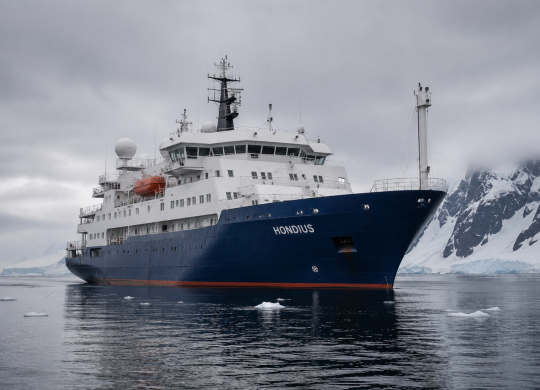
In 2026, the hantavirus once again became one of the most talked-about topics following fatal cases on a cruise ship in the Atlantic Ocean. Doctors and the WHO explain that this virus is significantly different from COVID-19 and spreads through different mechanisms. Find out more about how the hantavirus is transmitted, what symptoms the infection causes, and whether there are any risks for tourists

Following the hantavirus outbreak on the cruise ship MV Hondius, the disease has once again become a topic of global discussion. Several cases of infection and deaths were recorded on board, and passengers from various countries began to be tested upon their return home.
Experts emphasise that hantavirus does not spread as quickly as COVID-19 or the flu, but certain strains can cause serious complications, including lung and kidney damage. This is why many tourists are wondering how dangerous this virus is in 2026 and whether there are any risks when travelling.
Traveling abroad is not only about buying tickets and packing your suitcase, but also about taking care of your health. Health insurance will help you get quality care in the event of a sudden illness, hospitalization or unforeseen expenses abroad. The policy covers treatment, doctor consultations and emergency assistance, allowing you to travel calmly and without unnecessary risks.

What happened on the cruise ship MV Hondius?
The hantavirus came under media scrutiny following an outbreak on the expedition cruise ship MV Hondius, which was carrying passengers from various countries around the world. The ship set sail from Argentina and visited remote natural regions where people could come into contact with rodents – the main carriers of the virus.
According to the World Health Organisation, several cases of the Andean strain of hantavirus were detected on board. This particular variant is considered one of the few strains that can potentially be transmitted from person to person during very close contact. The outbreak resulted in fatalities, and some passengers were evacuated for treatment and isolation.
Upon the ship’s arrival, health authorities in the United Kingdom, the United States, South Africa and other countries began contact tracing among passengers. Some people were advised to self-isolate and remain under medical supervision for 45 days after the cruise ended. At the same time, the WHO and epidemiologists emphasised that the risk to the general public remains low, and the situation shows no signs of a new global pandemic.
Experts also point out that cruise ships create conditions for the spread of infections through shared cabins, restaurants and enclosed spaces. However, in the case of hantavirus, there is no question of rapid mass infection, as was the case with coronavirus. The main source of infection remains rodents and contaminated environments.
What is hantavirus and why is it not the ‘new COVID’?
Hantavirus is a group of viruses carried by rodents, particularly mice and rats. The infection has been known for decades and is found in various regions of the world, including Europe, Asia and the Americas. In most cases, people become infected after coming into contact with contaminated dust, urine or faeces from rodents.
Despite the sensational headlines in the media, experts emphasise that hantavirus is significantly different from COVID-19. It does not spread so easily via airborne droplets in public places, on public transport or in shops.
According to the WHO, even the Andean strain, which can be transmitted between people during very close contact, does not pose a high risk to the global population.
Another important difference is the low number of cases. Hantavirus infections are considered rare, and large-scale outbreaks occur much less frequently than flu or coronavirus epidemics. At the same time, certain strains can cause very serious complications, including hantavirus pulmonary syndrome or haemorrhagic fever with renal involvement.
Those most at risk are usually people who work in areas with high rodent populations or who travel to wild natural areas. This is why, following the outbreak on the MV Hondius, medical professionals paid particular attention to tourists embarking on cruises, expeditions, camping trips or hikes.
How is hantavirus transmitted?
Rodents remain the primary source of hantavirus. The virus is most commonly carried by mice, rats and other small animals, which can contaminate the environment through urine, saliva or faeces. Humans usually become infected after inhaling dust or airborne particles containing the virus.
The risk of infection is higher:
- In old or poorly ventilated buildings
- When cleaning out storerooms, cellars or sheds
- At campsites and on hikes
- In areas with large numbers of rodents
- When working in field or forest conditions
The virus can also enter the body via food, water or dirty hands after contact with contaminated surfaces. Medical professionals advise against touching rodents or cleaning their habitats without a mask and gloves.
Particular attention is currently being paid to the Andean strain of hantavirus, which was detected in passengers on the MV Hondius. Unlike most other strains, it can, in rare cases, be transmitted between people during very close and prolonged contact – for example, between family members or people living in the same household. This is why, following the cruise, some passengers were asked to self-isolate and undergo medical monitoring.
At the same time, experts emphasise that hantavirus does not spread as easily as flu or COVID-19. It is virtually impossible to become infected through brief contact in a shop, at an airport or on public transport.
Symptoms of hantavirus: when to see a doctor
The incubation period for hantavirus usually lasts between one and four weeks after exposure to the virus. The initial symptoms often resemble ordinary flu or a severe cold, which is why people may not immediately recognise the danger.
The most common symptoms:
- High temperature
- Severe fatigue
- Muscle and back pain
- Headache
- Nausea or vomiting
- Dizziness
- Abdominal pain
In some cases, the condition deteriorates rapidly after a few days. Patients may develop a cough, shortness of breath and difficulty breathing. This may indicate the development of hantavirus pulmonary syndrome – one of the most dangerous complications, in which fluid accumulates in the lungs. Without prompt medical attention, this condition can be fatal.
Another form of the disease is haemorrhagic fever with renal syndrome. It can cause bleeding, a drop in blood pressure and even kidney failure. According to medical experts, the severity of the illness depends largely on the strain of the virus and the patient’s general health.
Doctors advise against self-medication following contact with rodents or visiting potentially hazardous areas. If, after travelling, camping or a cruise, you develop a high temperature, breathing difficulties or severe muscle pain, you should seek medical attention as soon as possible and report any possible exposure to the virus.
How dangerous is hantavirus and what is the mortality rate?
The mortality rate from hantavirus depends on the specific strain and form of the disease. In milder cases, the infection may be almost asymptomatic; however, some variants of the virus can cause severe lung or kidney damage with a high risk of fatal outcomes.
According to the WHO and international medical organisations, the mortality rate for certain forms of hantavirus infection can range from 1–15% to 40–50% in the most severe cases. Hantavirus pulmonary syndrome is considered particularly dangerous, as it can rapidly lead to respiratory failure.
At the same time, experts emphasise that hantavirus is not a widespread infection. The disease remains rare, and most people never come into contact with the virus during their lifetime. The highest mortality rates are usually recorded in North and South America, whereas in Europe and Asia the course of the disease is often less severe.
Another problem is that there is currently no specific treatment or universal vaccine against hantavirus. Doctors mainly treat the symptoms and support the body’s functions — for example, by using oxygen therapy, mechanical ventilation or haemodialysis in cases of kidney damage.
Some studies also suggest that even after recovery, patients may suffer long-term health consequences. Scientists are investigating a possible link between past infection and an increased risk of cardiovascular disease and other complications in the future.
Is there a risk for tourists in 2026?
Following the outbreak on the MV Hondius, many tourists began to worry whether the hantavirus could become a new global threat to travel. However, the WHO, the CDC and European health authorities emphasise that the risk for most travellers remains very low at present.
Unlike COVID-19, hantavirus does not spread widely in public places, airports or on public transport. Infection usually requires direct contact with a contaminated environment or very close contact with an infected person in the case of certain strains, such as the Andes virus. This is why medical experts do not foresee a large-scale pandemic or border closures due to this infection.
The greatest caution should be exercised when travelling to wilderness areas, campsites, on expeditions, and in places with high rodent populations.
Risks may be higher:
- In forested and mountainous regions
- When spending the night in tents or old buildings
- On remote islands or in natural areas
- In poorly cleaned premises with dust and signs of rodents
Experts also reassure us that cases of human-to-human transmission remain rare, even for the Andean strain. This is why most tourist destinations continue to operate as normal, and international organisations have not introduced new global restrictions for travellers.
At the same time, doctors advise paying closer attention to symptoms following travel to natural or remote regions. If, after a hike, cruise or camping trip, you develop a high temperature, severe muscle pain or breathing difficulties, it is important not to delay seeking medical attention.
How can you protect yourself from hantavirus whilst travelling?
It is impossible to completely eliminate the risk of hantavirus infection, but doctors emphasise that simple safety measures significantly reduce the likelihood of infection. First and foremost, tourists are advised to avoid contact with rodents and places where their traces may remain.
When travelling, hiking or camping, you should:
- Do not leave food exposed
- Store food in airtight containers
- Do not spend the night in dirty or abandoned premises
- Avoid contact with dead rodents
- Wash your hands regularly and use hand sanitisers
Particular caution is required in old buildings, sheds, warehouses or houses that have been unoccupied for a long time. Medical professionals advise against sweeping or vacuuming areas with rodent traces vigorously, as this may stir up contaminated dust into the air. Before cleaning, it is best to ventilate the area and use gloves and a mask.
Tourists heading on cruises, expeditions or to natural regions of South America are also advised to keep a close eye on official announcements from local health authorities. It is in this region that the Andean strain of hantavirus is most frequently recorded, which can have a more severe course.
Experts stress that the main thing is not to panic. Hantavirus remains a rare infection, and most cases of infection are not linked to tourism in general, but to specific circumstances involving contact with contaminated environments or rodents.
With outbreaks of dangerous viruses occurring in different countries around the world, health insurance is becoming especially important. A policy covering infectious diseases and quarantine costs protects travelers in the event of hospitalization, isolation, or cancellation of a trip due to medical emergencies. Take care of your protection before you travel – especially when traveling to regions with increased risks.
We remind you! AirlineRatings has published a ranking of the world's safest airlines for 2026. We have already told you who entered the top full-service and budget carriers, changes in positions and safety assessment criteria.
Products from Visit World for a comfortable trip:
Travel guide for 200 countries;
Legal advice from a local specialist on visa and migration issues;
Travel insurance around the world (please select the country of interest and citizenship to receive services);
Medical insurance all over the world.
We monitor the accuracy and relevance of our information, so if you notice any errors or inconsistencies, please contact our hotline.
Frequantly
asked questions
Can the hantavirus be transmitted from person to person?
What are the initial symptoms of hantavirus in humans?
How high is the mortality rate from hantavirus?
Is it safe to travel following a hantavirus outbreak on a cruise ship?
How can tourists protect themselves from hantavirus whilst travelling?
Recommended articles
3 min
Air travel
Dubai Resumes Air Travel Following the Crisis in the Middle East: What's Happening with Flights
After several months of restrictions and a drop in passenger traffic of more than 65%, Dubai is beginning to resume air service. Airports are gradually resuming flights, but the situation in the region remains unstable. Learn more about how operations are changing at one of the world’s largest aviation hubs
05 May. 2026
More details3 min
Popular
Happiest Cities in the World in 2026: Where People Live With Less Stress
In 2026, the key factors for a comfortable life were no longer salaries or popularity with tourists, but low stress levels, safety and a good work-life balance. We reveal which cities topped the Happy City Index, why major cities are losing ground, and where people feel happiest today
08 May. 2026
More details3 min
Popular
Europe’s wealthiest cities and regions in 2026: where incomes and living standards are highest
The economic divide between different parts of Europe continues to widen. Whilst some regions are enjoying record revenues, high wages and a strong influx of investment, others still lag significantly behind in terms of living standards and economic development. We look at which European cities and regions have become the wealthiest in 2026, what lies behind their success, and where the continent’s main financial centres are concentrated today
11 May. 2026
More details3 min
Events
Every year on 9 May, the countries of the European Union celebrate Europe Day — a holiday that symbolises peace, cooperation and unity on the continent following the devastating wars of the 20th century. Find out how Europe Day came about, why it is celebrated on 9 May, and what traditions exist in different European countries
09 May. 2026
More detailsAll materials and articles are owned by VisitWorld.Today and are protected by international intellectual property regulations. When using materials, approval from VisitWorld.Today is required.