

Italy Pays Volunteers to Live in the Alps in 2026: Who Can Apply for the Mountain Research Program
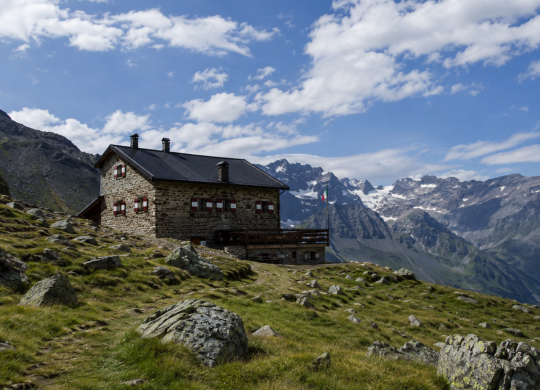
Italian scientists are looking for volunteers willing to spend a month at a mountain lodge in the Alps at an altitude of over 2,300 meters. Participants will receive free room and board, as well as a monetary stipend for taking part in a study on the effects of altitude on the human body. Learn more about the eligibility requirements, terms of participation, and how to apply for the program

The chance to live in the Alps is usually associated with expensive resorts, ski seasons, and hiking trails. However, in 2026, an unusual opportunity to spend a month in the mountains emerged in Italy: participating in a scientific experiment. Researchers from Eurac Research are seeking healthy adults to live at an altitude of about 2,300 meters in the Stelvio National Park. Participants will stay in a mountain hut for four weeks, while scientists analyze how the body adapts to prolonged exposure to moderate altitude.
The project has attracted international media attention due to its unusual format and the practical value of the research. Most previous experiments on the effects of altitude have been conducted under extreme conditions, but this time, scientists are specifically interested in the altitude at which millions of people regularly live, train, or travel.
In a previous article, we discussed new tourist taxes in Europe in 2026 and which countries will require tourists to pay more.
Planning a trip abroad and want to protect yourself from unforeseen situations?
Travel insurance from Visit World will cover medical expenses, flight delays, and lost luggage in any country. Get a policy online in a few minutes and travel with confidence!

Why is Italy looking for volunteers to live in the Alps?
The study was organized by Italian scientists who specialize in researching the effects of altitude on the human body. The project will take place at a mountain lodge within Stelvio National Park—one of the largest national parks in Italy. There, participants will live for four weeks at an altitude of approximately 2,300 meters above sea level.
The main goal of the study is to understand how moderate altitude affects the human body in the long term. Scientists explain that most previous experiments focused on extreme altitudes above 4,000–5,000 meters, where the body is subjected to severe oxygen deprivation.
However, far more people around the world regularly live, work, exercise, or travel at altitudes up to 2,500 meters. That is why the researchers want to investigate how such conditions affect the heart, lungs, sleep, and overall well-being during prolonged exposure.
During the experiment, researchers will monitor:
- Cardiovascular system function;
- Lung function;
- Sleep quality;
- Changes in appetite and metabolism;
- Physical endurance;
- The body’s adaptation to reduced oxygen levels.
A unique feature of the project is that participants will not undergo extreme tests or difficult climbs. Volunteers will live in the relatively comfortable conditions of a mountain shelter, and the main focus is on a person’s daily life at high altitude over an extended period.
The results obtained may be useful not only for medicine but also for sports science, tourism, rehabilitation, and preparing people for work in mountainous regions.
In a previous article, we reported that Italy has relaunched a program to sell abandoned homes for a symbolic price—just 1 euro.
What conditions are offered to participants?
Study participants will live in a mountain refuge in the Italian Alps for four weeks. The organizers fully cover accommodation and meals, and also pay volunteers a stipend of 400 euros.
For many interested individuals, this is an opportunity not only to participate in a scientific project but also to spend a month in a remote natural area with minimal tourist traffic.
The study will take place in a high-altitude environment, so participants’ schedules will be partially controlled. Volunteers must adhere to the sleep, diet, and physical activity regimen established by the researchers. This is necessary to ensure the experiment's results are as accurate as possible.
During their participation, volunteers will undergo regular medical examinations and physiological measurements. Some tests will be conducted several times a week to track changes in the body’s condition throughout the entire period of stay at altitude.
The terms of participation also include certain restrictions. For example, participants may be advised to:
1. Avoid intense physical activity outside the program;
2. Refrain from consuming alcohol;
3. Adhere to the prescribed diet;
4. Limit descents to lower altitudes during the study;
5. Notify the medical team of any changes in their well-being.
The organizers note that the study is specifically designed for a long-term stay at high altitudes, so participants must be prepared to live far from major cities, stores, and familiar infrastructure for the entire duration of the program.
We previously reported on a relocation program to Sardinia, a €15,000 grant, and additional payments for families seeking to settle in the island’s small towns.
Who can apply: what are the main requirements for candidates?
The organizers are looking for healthy adults willing to spend four weeks in a high-altitude environment without serious health issues. The primary focus is on the candidates’ physical condition, as staying at an altitude of over 2,300 meters places additional strain on the heart, lungs, and blood vessels.
Candidates who meet the following criteria may be considered for participation:
1. Do not have cardiovascular or chronic lung diseases;
2. Do not suffer from severe sleep disorders;
3. Have a normal level of physical endurance;
4. Have no contraindications to staying at high altitudes;
5. Are willing to adhere to the experiment’s conditions throughout the entire period.
Experience in mountaineering or professional athletic training is not required. However, participants must be able to tolerate mountain conditions comfortably and be prepared for limited infrastructure at the high-altitude shelter.
Before being admitted to the program, candidates will likely undergo a medical screening and basic examination. Researchers must ensure that participation in the project does not pose a health risk to volunteers.
We previously reported that Italy is introducing new rules for tourists in 2026.
How to apply to participate in the study?
You can apply to participate in the project via the official Eurac Research website—this research organization is conducting the study in the Italian Alps. Recruitment for such programs typically opens several months before the experiment begins.
To register, candidates must complete a questionnaire and provide basic information about their health, physical activity, and previous mountain experience. Afterward, the organizers may invite the participant for an additional online interview or medical examination.
During the selection process, researchers will evaluate:
- Overall health;
- Readiness to live at high altitude for a month;
- Absence of medical contraindications;
- Ability to comply with the experiment’s conditions;
- Candidate’s availability in August–September 2026.
Since the number of spots is limited, organizers may give preference to candidates who best meet the study criteria. That is why it is recommended to apply as soon as possible after registration opens.
Find out more about the new rules, dates and cost of visiting Venice by following the link.
What should you know before participating in high-altitude research?
Even moderate altitude can affect the human body in various ways, especially during the first few days of staying in the mountains. Most often, people experience fatigue, headaches, shortness of breath during physical activity, or sleep disturbances. In most cases, these symptoms subside once the body has acclimatized.
Before participating in such programs, doctors recommend assessing your health and, if possible, undergoing a basic medical examination. This is especially true for people with cardiovascular diseases, lung problems, or unstable blood pressure.
Participants should also be prepared for:
- Cool weather, even in summer;
- Limited access to stores and urban infrastructure;
- Consistent physical exertion while traveling through mountainous terrain;
- Possible changes in sleep patterns and appetite;
- The need to follow the study protocols.
Experts emphasize that proper acclimatization to altitude usually takes several days. That is why participants are advised to get plenty of rest, drink enough water, and avoid excessive physical exertion during the initial period of their stay in the mountains.
No matter how well thought-out your itinerary is, there is always room for force majeure when traveling. Unexpected medical expenses, transportation delays, or problems with luggage can ruin your plans and budget. Travel insurance helps you avoid unnecessary worries in such situations. You can apply for a travel insurance policy for a specific trip online at Visit World - quickly and without unnecessary bureaucracy!
Take out a policy online at Visit World and enjoy your trip without any unnecessary worries!
We remind you! Some countries are island states with political neutrality, which means that the likelihood of military conflict is quite low. Read more about the countries that are likely to participate in World War III and the top safest countries in the world.
Products from Visit World for a comfortable trip:
Travel guide for 200 countries;
Legal advice from a local specialist on visa and migration issues;
Travel insurance around the world (please select the country of interest and citizenship to receive services);
Medical insurance all over the world.
We monitor the accuracy and relevance of our information, so if you notice any errors or inconsistencies, please contact our hotline
Frequantly
asked questions
How can I participate in the Alpine residency program in Italy?
How much do volunteers get paid for staying in the Alps?
What are the requirements for study participants in the Italian Alps?
Where will the scientific experiment take place in the Alps?
Why are scientists studying the impact of living in the Alps on the human body?
Recommended articles
2 min
Residence permit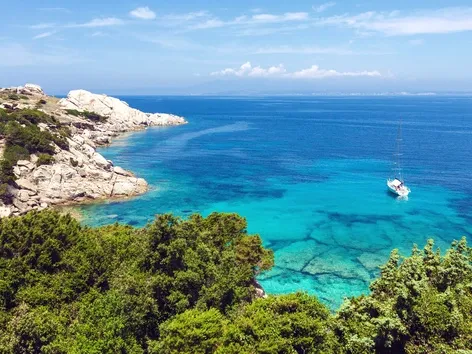
Italy Offers €15,000 Grant for Moving to Sardinia: New Residents Incentive
Dreaming of living on a sunny island with clean beaches and a relaxed atmosphere? Find out about the Sardinia relocation program, a €15,000 grant and additional payments for families looking to settle in the island's small towns
01 Apr. 2026
More details3 min
Investment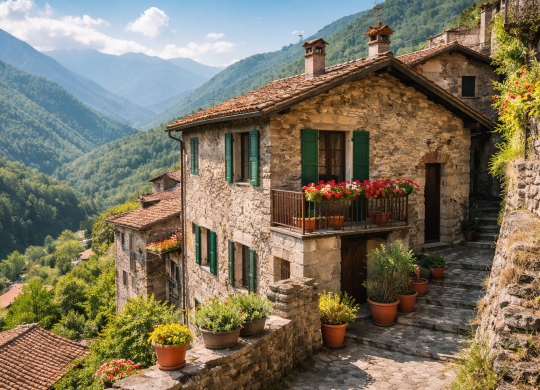
Houses in Italy for 1 euro: how the program works and what pitfalls await buyers
Italy has relaunched a program to sell abandoned homes for a symbolic price—just 1 euro. Mountain villages in Liguria have joined the initiative, as local authorities strive to revitalize these abandoned areas. Learn more about how the program works, what requirements must be met, and how much such housing actually costs
07 Apr. 2026
More details2 min
Travels
5 Underrated Italian Towns to Visit in 2026: Hidden Gems Beyond the Tourist Crowds
Italy has much more to offer than the tourist-crammed cities of Rome, Venice and Florence. Find out which five lesser-known cities will be the best alternatives to popular destinations in 2026 and why they are worth your attention
11 Apr. 2026
More details3 min
Travels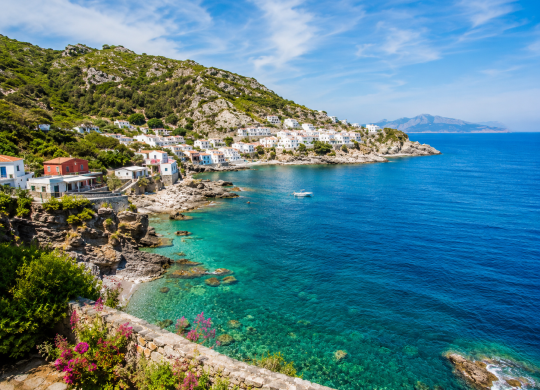
Italy is not just the crowded resorts of the Amalfi Coast or the expensive Capri. The country still has islands where you can experience a genuine Mediterranean atmosphere, tranquil coves, fishing villages and a traditional way of life, free from mass tourism. Find out more about 5 authentic Italian islands worth visiting in 2026
17 May. 2026
More detailsAll materials and articles are owned by VisitWorld.Today and are protected by international intellectual property regulations. When using materials, approval from VisitWorld.Today is required.