

Greece Introduces New Tourist Restrictions in 2026: What Will Change for Travelers Amid Overtourism Crisis
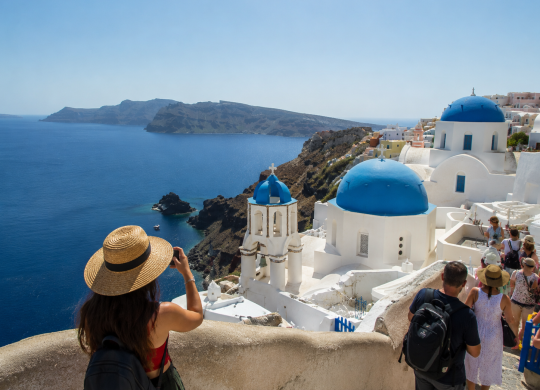
Greece, which welcomes tens of millions of tourists every year, is beginning to implement new restrictions to combat overtourism. The country’s authorities plan to regulate coastal development, the number of tourist facilities, and even beach use to reduce the strain on the islands and historical sites. Learn more about the new rules being introduced in Greece and how they will affect tourists in 2026

Greece has remained one of Europe’s most popular tourist destinations for many years. Its warm climate, thousands of islands, Mediterranean beaches, and historical sites attract millions of travelers from around the world every year. According to the Bank of Greece, in 2024 alone, the country was visited by over 36 million tourists—nearly three times the population of Greece itself.
However, this popularity has begun to create serious problems for local communities, the environment, and infrastructure. This is especially true for popular islands, where the number of tourists in the summer exceeds the number of local residents by several times. Because of this, the country’s authorities have decided to tighten control over tourism development and introduce new rules to protect the coastline, historical sites, and natural areas.
Planning a trip abroad is often accompanied by questions about visas, documents and entry rules. To avoid mistakes and save time, use the “Tourist Guide” from Visit World - a convenient step-by-step guide for travelers. It contains all the necessary information to prepare for your trip.
Choose a destination and get ready-made instructions today!

Why is Greece imposing restrictions on tourists?
The problem of overtourism in Greece has been escalating for several years in a row. The heaviest burden falls on the summer season, when popular islands and resorts face overcrowded beaches, water shortages, overloaded transportation, and a sharp rise in housing prices for local residents.
According to the National Bank of Greece, tourism accounts for about 30% of the country’s GDP, either directly or indirectly. At the same time, authorities acknowledge that without control over tourist flows, popular regions could lose their natural and cultural value.
The situation has become particularly challenging on the islands of Santorini and Mykonos, which welcome hundreds of thousands of tourists and dozens of cruise ships every summer. For example, Santorini, with a population of about 15,000 people, can receive up to 17,000–20,000 tourists in a single day during peak season.
The Greek government states that the new rules are not intended to reduce tourism, but to make it more balanced and of higher quality. That is why the country is launching a new “Special Spatial Program,” which provides for building controls, the protection of natural areas, and limits on excessive pressure on specific regions.
The plan also takes into account:
1. The ecological condition of the islands and beaches;
2. Pressure on water resources;
3. Protection of archaeological sites;
4. The problem of uncontrolled coastal development;
5. Overcrowding of popular tourist destinations.
In a previous article, we wrote about little-known Greek islands where you can find an authentic getaway without the crowds.
What new rules and restrictions will be introduced in Greece?
Greek authorities plan to change their approach to tourism development and construction in resort regions. The main goal is to reduce the burden on popular islands while protecting natural and historical sites from overtourism.
Under the new program, all of the country’s tourist regions will be divided into five separate categories:
- Areas with excessive tourist traffic;
- Areas with development potential;
- Special nature conservation zones;
- Island destinations;
- Mainland regions.
Different rules and restrictions will apply to each category. For example, some islands may set limits on the number of tourist accommodations and new hotels.
One of the most significant changes is the tightening of building regulations near the coast. According to Euronews, some regions may ban construction within 25 meters of the shoreline. This is intended to help preserve the natural appearance of beaches and reduce haphazard coastal development.
Restrictions on popular historical sites also remain in place in Greece. For example, to visit the Acropolis in Athens, tourists must continue to book a specific time slot in advance. This rule was introduced back in 2023 following record-breaking lines and overcrowding at the site.
Another important change concerns beaches. In 2026, authorities plan to limit the installation of beach chairs and beach infrastructure on more than 250 beaches across the country. Part of the beach areas must remain completely free for visitors.
In addition, the new rules provide for:
- Enhanced protection of archaeological sites;
- Control over the use of natural areas;
- Restrictions on unregulated tourist development;
- Better management of cruise tourism;
- Development of less popular regions instead of overcrowded islands.
The Greek government emphasizes that the country does not plan to abandon tourism. On the contrary—the authorities want to make the tourism model more sustainable to avoid environmental problems and preserve popular resorts for future generations.
Learn more about the summer quiet period in Greece in 2026 by following the link.
What will change for tourists in 2026?
For most travelers, Greece will remain an open and accessible destination for vacations, though travel may become less spontaneous. Due to the new restrictions, tourists will increasingly need to book accommodations, tickets, and visits to popular locations in advance.
Tourists planning trips to Santorini, Mykonos, and other popular islands during the peak summer season may feel the biggest changes. It is these destinations that the authorities consider to be areas with excessive tourist pressure.
Travel industry experts predict several key consequences of the new rules:
1. A decrease in the number of new hotels and apartments in popular regions;
2. Higher prices during peak months due to limited supply;
3. The need for early booking;
4. Stricter oversight of beach infrastructure;
5. Fewer overcrowded beaches in some regions.
The government is paying special attention to cruise tourism. Greece has repeatedly stated that large cruise ships place an excessive burden on the islands, especially when thousands of tourists arrive simultaneously in small towns and ports.
Tourists should also keep in mind that in 2026, the government may actively promote less popular destinations. This means they will attempt to redirect some tourist traffic from overcrowded islands to mainland regions or lesser-known resorts.
Analysts note that such measures are gradually becoming the new norm in Europe. In recent years, several popular tourist destinations have already begun restricting short-term rentals, introducing tourist taxes, and imposing fines for violations of conduct rules in tourist areas.
We previously reported that the Greek real estate market is shifting toward compact housing, which is seeing faster growth in prices and demand.
Which other European countries are also grappling with overtourism?
Greece is not the only European country trying to curb overtourism. Due to record numbers of travelers, many popular destinations are already introducing new rules, taxes, and bans to protect local communities and tourism infrastructure.
Spain
Spain remains one of the main hubs in the fight against overtourism in Europe. The most significant problems are reported in Barcelona, Mallorca, and Ibiza, where locals regularly protest against the excessive number of tourists and rising housing costs.
In Barcelona, authorities have already announced a gradual reduction in short-term apartment rentals for tourists. Additionally, many regions of the country have implemented tourist taxes for visitors.
Italy
Italy is also tightening controls on tourism in its most popular cities. In Venice, a paid entry system for day-trippers on peak days went into effect in 2025.
In addition, the country’s authorities are increasingly imposing restrictions on large cruise ships, which place a burden on historic cities and ecosystems.
Netherlands
Amsterdam has been trying for several years to reduce the number of tourists in the city center. Authorities are limiting the construction of new hotels, tightening rules for short-term rentals, and running campaigns against “budget tourism.”
The city has also raised its tourist tax—it is now considered one of the highest in Europe.
Croatia
Croatia is facing overcrowding at popular resorts along the Adriatic coast, particularly in Dubrovnik and Split. As a result, authorities have begun limiting the number of cruise ships and tour groups in city centers.
Experts note that the trend toward controlling tourist flows in Europe will only intensify. Countries are increasingly trying to strike a balance between tourism revenue and maintaining a comfortable quality of life for local residents.
A trip to the Greek islands is not only about choosing a location, but also about properly preparing documents, knowing the rules of entry and the nuances of your stay. The “Travel Guide” from Visit World will help you avoid unnecessary stress: in it you will find step-by-step instructions for applying for a visa, a list of required documents, rules for filling out questionnaires and even useful life hacks for traveling. All information is up-to-date and comes in a convenient PDF format immediately after registration. This is especially important if you are planning an independent trip without travel agents and want to be sure of every step.
Prepare for your trip correctly - download your travel guide now!
We remind you! Time Out, together with Intrepid Travel, has published an annual ranking of the cities in the world with the best access to parks, gardens and natural landscapes in 2026. Read here which cities received the highest ratings from residents for green areas and why these locations are recognized as the benchmark for ecological urbanism.
Products from Visit World for a comfortable trip:
Checklist for obtaining a visa and the necessary documents in Greece;
Legal advice on immigration to Greece;
Travel insurance for foreigners in Greece;
Medical insurance around the world.
We monitor the accuracy and relevance of our information, so if you notice any errors or inconsistencies, please contact our hotline.
Frequantly
asked questions
Why is Greece imposing restrictions on tourists in 2026?
What new rules will Greece introduce for tourists?
Will vacations in Greece become more expensive due to the new restrictions?
Which European countries are already tackling overtourism?
What should tourists keep in mind before traveling to Greece in 2026?
Recommended articles
2 min
Travels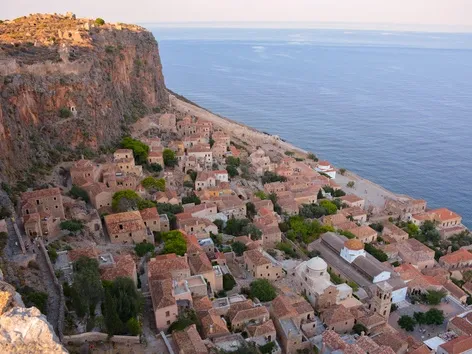
5 Unique Places in Greece You Should Visit at Least Once in Your Life
Greece is famous not only for its popular resorts, but also for its little-known places with a unique atmosphere. Find out about 5 locations in Greece that are worth visiting at least once in your life: Monemvasia, Hydra, Ioannina, Kastellorizo and Mount Athos
14 Mar. 2026
More details3 min
Travels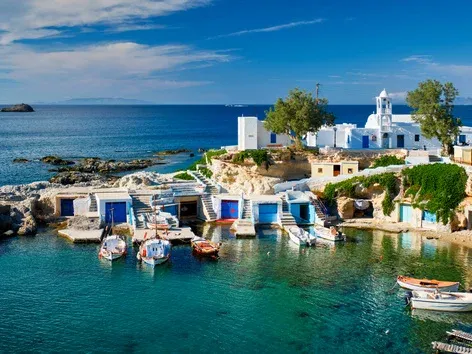
In 2026, Greece cemented its status as one of the world’s top wellness destinations thanks to a unique combination of thermal springs, Mediterranean cuisine, and eco-friendly initiatives. Wellness tourism brings billions of euros to the country and is reshaping the tourism landscape across regions from Crete to the Peloponnese. Learn more about Greece’s ranking in the 2026 Global Wellness Tourism Index and the most popular destinations for wellness travel
02 Apr. 2026
More details2 min
Investment
Compact Apartments in Greece Are Rising Faster: A New Real Estate Trend
The Greek real estate market is shifting towards compact housing, which is seeing faster price and demand growth. Find out why small apartments are becoming more attractive to investors and buyers
16 Apr. 2026
More details2 min
Travels
Hidden Greek Islands 2026: Where to Experience Authentic Greece Without Crowds
Greece is a whole different place beyond the popular resorts. Find out which islands to choose for a peaceful and authentic holiday without the crowds of tourists
20 Apr. 2026
More detailsAll materials and articles are owned by VisitWorld.Today and are protected by international intellectual property regulations. When using materials, approval from VisitWorld.Today is required.