

Traveling in the Heat: Practical Tips for Tourists on Safety, Health, and Itinerary Planning
Table of contents
- Geography of the heat wave: where are travelers facing extreme temperatures?
- Health Effects of Heat: What You Need to Know About Heatstroke and Heat Exhaustion?
- Rules of Conduct in Hot Regions: Practical Tips for Every Day
- Transportation Disruptions During Extreme Temperatures
- Air Conditioning in Europe: Why Do Hotels and Homes Often Lack Cooling?
- Trip Cancellation and Refunds: What Do Insurance Companies Cover?
- Travel Insurance: A Fundamental Part of Planning a Trip in Hot Weather
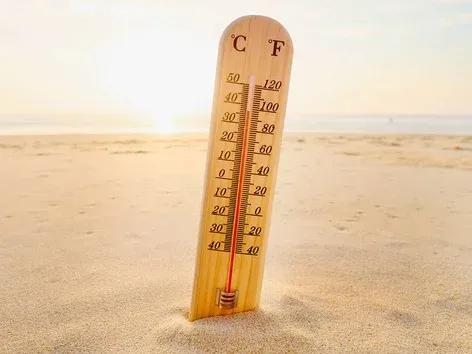
Extreme temperatures in popular tourist destinations in Europe and the United States are significantly affecting plans for summer travel in 2026. Travelers must take into account health risks, transportation disruptions, the limited availability of air conditioning in European accommodations, and the specifics of insurance coverage. Learn more about safety guidelines for traveling during a heat wave, health risks, and refund options for canceled trips

The 2026 summer travel season in popular destinations across Europe and the United States is increasingly marked by extreme temperatures, forcing travelers to rethink their plans, adjust their itineraries, and take health concerns more seriously. CNN.Travel journalists recently covered the topic of safe travel during heat waves in detail in their article.
We’ll discuss high-risk regions, the medical consequences of overheating, transportation disruptions, the realities of staying in European accommodations without air conditioning, and the possibility of getting a refund for your trip in the article below.
Are you planning a vacation in a region where a heat wave is forecast and don’t know how to protect yourself from unexpected medical expenses?
Get a reliable medical insurance policy on the Visit World portal!

Geography of the heat wave: where are travelers facing extreme temperatures?
Scorching temperatures are currently breaking records in several key tourist regions.
In the United States, the National Weather Service forecasts that temperatures in the low-elevation Phantom Ranch area of Grand Canyon National Park will reach or exceed 110 degrees Fahrenheit (43 degrees Celsius). The National Park Service has already urged visitors to avoid daytime hikes following a recent spate of incidents, including the deaths of two hikers on the North Kaibab Trail.
In Europe, health warnings due to extreme weather have been issued by France, Spain, and the United Kingdom. France experienced its hottest night since weather records began in 1947—according to preliminary data, the temperature reached 37.8 degrees Celsius (100 F). The AEMET meteorological service recorded a temperature of over 113 degrees Fahrenheit in the Spanish municipality of Andújar. The British Met Office issued a rare health warning, citing a risk to life, and some schools temporarily closed due to record-breaking temperatures.
In total, heat warnings are currently in effect in 23 European countries. The highest danger levels have been recorded in Germany, France, Spain, Switzerland, and Luxembourg.
Health Effects of Heat: What You Need to Know About Heatstroke and Heat Exhaustion?
According to the medical journal *The Lancet*, between 2000 and 2019, approximately 489,000 heat-related deaths were recorded worldwide each year. The greatest danger comes from two conditions: heatstroke and heat exhaustion.
Heatstroke is characterized by a body temperature exceeding 103 degrees Fahrenheit (39.4 degrees Celsius), hot and flushed skin without sweating, headache, dizziness, stomach upset, and loss of consciousness. The Centers for Disease Control and Prevention (CDC) emphasizes that the victim should be cooled by fanning and applying cool water to the skin, rather than being given fluids to drink.
Heat exhaustion is characterized by profuse sweating, muscle cramps, fatigue, and pale skin, and may also be accompanied by headache, dizziness, and loss of consciousness. If any of these symptoms appear, the CDC recommends seeking medical attention immediately.
Older adults, young children, infants, and travelers with chronic health conditions should pay particular attention to how they are feeling. Asthma and other respiratory problems often worsen due to high humidity—a common occurrence in many European countries, particularly Italy. Smoke from wildfires has a similar effect on the respiratory system.
The Best European Islands for a Vacation in 2026 — see the link for more information.
Rules of Conduct in Hot Regions: Practical Tips for Every Day
Travelers in affected regions will need to adjust their usual pace of sightseeing and adapt their itineraries to the heat. Here are the basic rules to follow:
- Plan your sightseeing for the morning hours—temperatures start to rise rapidly around 11 a.m., and the heat peaks in the afternoon and early evening.
- Regularly splash cool water on your hands, wrists, face, and neck—in European cities, street fountains are a convenient way to do this.
- Spend at least three hours a day in an air-conditioned space—this is the recommendation in Italy. For tourists, a cool museum, gallery, movie theater, or restaurant is a good option.
- Drink more water than usual—the CDC advises not to wait until you feel thirsty.
- Choose loose, lightweight clothing made of light-colored natural fabrics, and reapply sunscreen regularly.
- Carry a handheld fan with you—even a small one can make you feel much better.
- Include foods with high water content in your diet: fresh vegetables, salads, watermelon, and grapes.
- If you have asthma or chronic conditions that are exacerbated by heat and humidity, consult your doctor in advance about planning your trip.
- Check whether your hotel or rental accommodation has air conditioning—this is critically important for people in high-risk groups.
Transportation Disruptions During Extreme Temperatures
Heat waves affect all modes of transportation, often in unexpected ways. Extreme temperatures can make an airplane too heavy to take off—in such cases, some passengers are removed from the flight. Rail tracks and road surfaces warp under the influence of heat: in 2022 in London, preventive measures included painting the tracks white and wrapping a bridge in foil.
Highways are often closed in regions prone to flash floods or wildfires. Due to landslides during dry weather, the number of pipe breaks increases, leading to unplanned detours. Public transportation—buses and trains—on many European routes is not always equipped with air conditioning, so the trip may be uncomfortable. Travelers should carry a supply of water and light snacks, and allow extra time for possible delays.
Where to go on vacation in August 2026 — read about it in this article.
Air Conditioning in Europe: Why Do Hotels and Homes Often Lack Cooling?
One of the key features of a European vacation is the limited prevalence of air conditioning. According to a 2018 study by the International Energy Agency, less than 10% of European households have air conditioning—in the U.S., this figure reaches 90%.
European buildings are often older than American ones and were historically constructed to retain heat inside, which makes residents feel uncomfortable in the heat. Brian Matherway, head of the International Energy Agency’s Office of Energy Efficiency and Inclusive Transition, mentioned this in a CNN article: according to him, there is simply no culture of widespread air conditioner use in Europe, since until recently there was no urgent need for it.
For travelers, this leads to several practical takeaways:
- When renting through Airbnb, air conditioning should be considered an optional feature—be sure to check the listing description to see if it’s available.
- Large city hotels are more likely to have cooling systems, while smaller coastal establishments are less likely to have them.
- Subway stations in European cities become some of the hottest places during heat waves, although some of them do have air conditioning.
- The Citymapper mobile app allows you to choose public transportation routes based on the availability of air conditioning.
- Movie theaters—especially large multiplexes—are usually equipped with cooling systems, and the summer 2026 lineup includes, among others, the films *Toy Story 5* and *Supergirl*.
About the safest cities in Europe for a summer vacation in 2026—read more here.
Trip Cancellation and Refunds: What Do Insurance Companies Cover?
Heat waves, like most weather phenomena, are generally not included in the list of insured events. Under standard terms, compensation is not provided for a trip canceled due to high temperatures.
The situation would change if an official travel warning were issued, but such decisions are made extremely rarely, and natural disasters are often excluded from policy coverage. Certain exceptions may apply to tourists with chronic illnesses whose condition worsens due to the heat.
At the same time, if flights are canceled or delayed due to the heat, airlines may offer a refund, a ticket reissue, or a route change. Hotel refund policies depend on the specific reservation and payments made—it’s important to carefully review the cancellation policies before your trip.
Travel Insurance: A Fundamental Part of Planning a Trip in Hot Weather
The risk of heatstroke, heat exhaustion, exacerbation of chronic conditions, and the resulting need to seek medical care abroad makes travel insurance one of the most important aspects of trip preparation. Having a policy allows you to cover the costs of treating heat-related conditions and, in some cases, to receive compensation for trip cancellations due to medical reasons.
You can purchase a reliable policy covering medical expenses abroad on the Visit World portal. The service allows you to quickly find insurance tailored to a specific country, trip duration, and type of travel.
Get medical insurance on Visit World to protect yourself from unexpected medical expenses during your summer vacation in regions experiencing a heat wave!
Reminder! In our previous article, we explained how to find cheap last-minute flights.
Photo: Getty Images
Products from Visit World for a comfortable trip:
Travel guide for 200 countries;
Legal advice from a local specialist on visa and migration issues;
Travel insurance around the world (please select the country of interest and citizenship to receive services);
Medical insurance all over the world.
We monitor the accuracy and relevance of our information, so if you notice any errors or inconsistencies, please contact our hotline
Frequantly
asked questions
Where should you avoid traveling in the summer of 2026 due to the heat?
How can you protect yourself from heatstroke while traveling?
Recommended articles
1 min
Travels
Girls Trip Europe 2026: Best Destinations: Barcelona, Mykonos and Hvar
Traveling with your girlfriends is the best way to recharge and recharge. Find out which three European destinations in 2026 are perfect for a girls' getaway: beaches, gastronomy, atmosphere and practical tips for each
04 Jul. 2026
More details3 min
Travels
Europe's Most Beautiful Train Routes: Travel and Leisure's Top 5 Train Trips
Europe’s rail routes have long gone beyond being mere transportation links and have become tourist destinations in their own right. Travel and Leisure magazine has compiled a list of the five most spectacular train journeys across the continent—from Provence in France to the Balkan Mountains and the Italian coast. Learn more about Europe’s picturesque train routes, their unique features, and key scenic highlights
04 Jul. 2026
More details2 min
Travels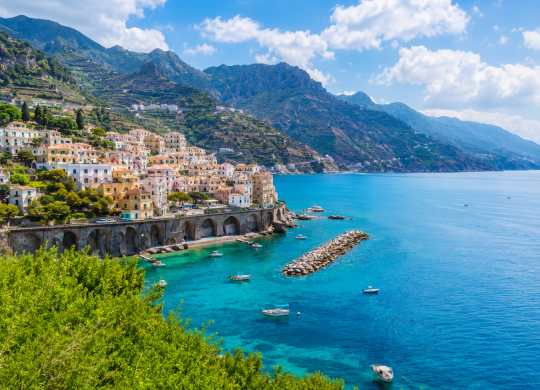
The Best European Islands for a Vacation in 2026: Ranked by Weather, Cuisine, and Nature
European islands remain one of the most popular summer vacation destinations, but choosing the perfect spot from among dozens of options can be difficult. A new ranking compared 80 islands based on weather, cuisine, and the amount of green space. Learn more about the best European islands to visit in 2026 and the destinations best suited for beach, active, and culinary vacations
11 Jul. 2026
More details2 min
Travels
The EU may postpone the launch of ETIAS due to chaos at the borders
The EU may postpone the launch of ETIAS—a new pre-authorization system for travelers from visa-waiver countries. This is due to issues with the EES biometric system, which has already caused lines and delays at some European borders. Learn more about why the EU is revising the launch schedule for the new entry rules and what this means for travelers
08 Jul. 2026
More detailsAll materials and articles are owned by VisitWorld.Today and are protected by international intellectual property regulations. When using materials, approval from VisitWorld.Today is required.