

The Best Places in Europe for a Fall Trip: Top Spots and Destinations
Table of contents
- Córdoba, Spain: a historic city without the summer heat
- Limassol, Cyprus: the sea and ancient ruins
- Lagos, Portugal: the Algarve coast without the heat
- La Palma, Spain: Volcanoes and Black Beaches of the Canary Islands
- Trapani, Italy: Sicily, the sea, and medieval Erice
- Pompeii, Italy: an ancient city without the summer heat
- Český Krumlov, Czech Republic: a medieval town on the Vltava River
- Annecy, France: a lake, the Alps, and ancient canals
- Plitvice Lakes, Croatia: Waterfalls Amid an Autumn Forest
- Montepulciano, Italy: Vineyards and Autumn in Tuscany
- Munich, Germany: Oktoberfest and the Bavarian Fall
- Bratislava, Slovakia: A Short Trip on the Danube
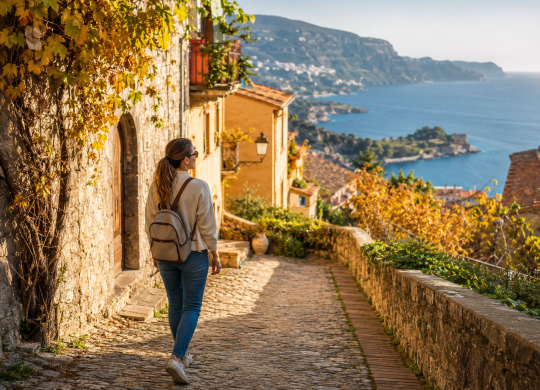
This fall in Europe, you can extend the beach season in Cyprus and the Canary Islands, explore the vineyards of Tuscany, or visit lakes and medieval towns. This selection includes 15 destinations with varying weather conditions, budgets, and vacation styles. Learn more about the best places to travel in Europe this fall

An autumn trip through Europe can take many different forms. In October, daytime temperatures in Limassol and Córdoba reach +26…+27°C. On La Palma, they hover around +26°C; in Trapani, around +24°C; and in Lagusa, around +22°C.
For those not looking for a beach vacation, fall opens up other possibilities. During this time of year, it’s more comfortable to explore Pompeii, tour the wine-growing regions of Tuscany, and visit popular nature parks. This selection features 15 destinations for a variety of scenarios: from a warm beach vacation to a short trip to a historic city.
In our previous article, we wrote about 5 European countries that tourists are hardly visiting in 2026.
Discovering a new country for yourself without the help of travel agents or intermediaries is very simple. All you need is a checklist or a “Travel Guide” from Visit World – a step-by-step guide with all the key information for your trip.
The guide contains information on visa requirements, visa-free entry rules, permitted periods of stay and a list of required documents.
After completing the form, the guide will be sent to your email in PDF format in just a few minutes.
Choose a country and get your travel guide today.

Córdoba, Spain: a historic city without the summer heat
Córdoba is located in Andalusia, one of Spain’s hottest regions. In August, temperatures here often approach +40°C, so fall is much better suited for long walks. In October, daytime temperatures average +26°C, while nighttime temperatures drop to around +14°C.
The city’s main attraction is the Mezquita, a former 8th-century mosque that later became a Catholic cathedral. A general admission ticket in 2026 costs €15, and the climb up the bell tower is paid for separately. It’s also worth taking a stroll across the Roman Bridge, visiting the Jewish quarter of La Judería, and exploring the courtyards of the historic center.
According to estimates by Travel Off Path, a budget guesthouse in Córdoba can be found for about $50 per night, and a room in a three-star hotel starts at $85. A three-course lunch at a local tavern costs about $30 per person, and a quick snack starts at $5.
Two days are enough to get to know the city. Córdoba doesn’t have a major international airport, but it’s easy to get here by high-speed train from Madrid, Seville, or Málaga. The main attractions are concentrated in a small area, so the historic center is easy to explore on foot.
Learn more about the 10 most beautiful places in the Balkans for a budget vacation by following the link.
Limassol, Cyprus: the sea and ancient ruins
Limassol is ideal for travelers who want to extend their summer into October. The average daytime temperature is around +27°C, and the nighttime temperature is +18°C. The sea, having warmed up over the summer, remains comfortable, although brief showers and windy days are possible in the fall.
In the city center, be sure to visit Limassol Castle, the old port, and the Molos Promenade. About 19 km to the west lies the Kourion archaeological complex, featuring a Greco-Roman theater, mosaics, and views of the coast. According to Cyprus’s official tourism portal, admission costs €4.50. The kilometer-long Kourion Beach stretches nearby.
Estimated costs and trip duration:
- Budget guesthouse – starting at $100 per night
- Three-star hotel – starting at $135
- Three-course lunch at a tavern – about $35 per person
- Souvlaki in pita bread – about $11
- Set including a beach umbrella and two lounge chairs – approximately $9 per day
- Recommended trip duration – 3–4 days
Limassol does not have its own passenger airport. The most convenient option is to fly into Larnaca or Paphos and then travel from there by bus, shuttle, or rental car. There are no railroads in Cyprus, so a car offers much more freedom for visiting Kourion, mountain villages, and remote beaches.
In our previous article, we discussed, which destinations topped the ranking of the quietest and noisiest countries in the world.
Lagos, Portugal: the Algarve coast without the heat
Lagos is located in southern Portugal, in the Algarve region. In October, daytime temperatures hover around +22°C, and nighttime temperatures around +16°C. This weather is ideal for walks and boat tours, but beach time depends on the wind. The water in the Atlantic Ocean is noticeably cooler than in the Mediterranean Sea.
The town’s main natural attraction is Ponta da Piedade. A trail about 3.2 km long winds along golden cliffs, grottoes, and small coves. Along the way, you can see the beaches of Pinha and Estudantes, known for its stone arch spanning a narrow inlet. In calm weather, boat tours and kayaking excursions are offered along the coast.
The historic center of Lagos is surrounded by the remains of fortress walls. Here you’ll find preserved Baroque churches, traditional facades adorned with azulejo tiles, and the Ponta da Bandeira Fort. Three days are enough to explore the town and the surrounding beaches. If you include trips to Sagres or other Algarve resorts, you should plan for 4–5 days.
A guesthouse costs from $100 per night, while a room in a three-star hotel can cost around $205. A three-course lunch at a local restaurant costs about $25, and a quick snack starts at $5. In the fall, some beach establishments reduce their hours of operation, so it’s best to check availability for accommodations and tours before booking.
The nearest major airport is in Faro. From there, you can reach Lagos by train, bus, or car. A car isn’t necessary for getting around the city itself, but you’ll need one to travel to remote beaches and the western part of the Algarve.
In our previous article, we wrote about the TOP 5 uncrowded Mediterranean resorts where you can relax without lines or noise.
La Palma, Spain: Volcanoes and Black Beaches of the Canary Islands
La Palma is located in the west of the Canary Islands and covers an area of about 708 km². In October, the average daytime temperature is +26°C, and at night it’s around +20°C.
Thanks to its location off the northwestern coast of Africa, the island remains warm even when the cooler season is already beginning in continental Europe.
The main reason to choose La Palma is its volcanic landscape. The Ruta de los Volcanes trail winds through craters, pine forests, and lava fields. In the south of the island, you can see areas transformed by the 2021 eruption of the Tahogayte volcano. Puerto Naos, Tasacorte, and Los Cancaños—known for their dark volcanic sand—are ideal for beach vacations.
It’s worth dedicating a separate day to Santa Cruz de La Palma, Spain. The island’s capital features well-preserved colonial houses with carved wooden balconies, cobblestone streets, and churches from the 16th–17th centuries.
Practical travel details:
- Budget accommodations start at around $80 per night
- A room in a three-star hotel starts at $125
- A three-course lunch costs about $30 per person
- Recommended length of stay: 4–6 days
- The most convenient way to get around the island is to rent a car
- Before setting out, check road conditions due to possible temporary restrictions
La Palma has an airport, but the selection of direct international flights is limited. It’s often more convenient to fly with a layover in Tenerife, Gran Canaria, or Madrid. Due to the mountainous terrain, even short distances by car can take longer than they appear on a map.

Trapani, Italy: Sicily, the sea, and medieval Erice
Trapani is located on the western coast of Sicily. In October, the average daytime temperature is around +24°C, and the nighttime temperature is approximately +17°C. The sea remains warm after summer, but swimming depends on the weather, wind, and the specific dates of your trip.
The historic city center occupies a narrow peninsula. The main routes run along Corso Vittorio Emanuele, past old palaces, churches, and the city walls. Nearby is the small Mura di Tramontana beach, where you can watch the sunset without leaving Trapani.
From the city, it’s worth taking a trip up to Erice, Italy, a medieval settlement on a mountain about 750 meters high. The cable car operates depending on the season and weather conditions, so in the fall, you should check its schedule in advance. Another option for a day trip is the Egadi Islands. Ferry service to Favignana and Levanzo continues, but the number of departures decreases after the summer season ends.
The approximate cost of a budget guesthouse starts at $85 per night, and a three-star hotel starts at $100. A three-course dinner at a local trattoria costs about $40 per person, and a quick snack starts at $4. Three days are enough for Trapani and Erice.
If you include the Egadi Islands, you should plan for at least 4–5 days.
Trapani-Birgi Airport is located near the city, but its flight schedule varies by season. Palermo Airport offers a wider selection of flights. You can get from Palermo to Trapani by bus or car. You don’t need a car for the city itself, but it will come in handy for trips to the salt flats, wineries, and remote beaches of western Sicily.
Learn more about the best cities for a fall getaway under €100 a day by following the link.
Pompeii, Italy: an ancient city without the summer heat
The open-air archaeological park of Pompeii covers a large area, so the summer heat makes exploring difficult. In the fall, temperatures in Campania drop, and the flow of tourists gradually slows down after the peak season ends. At the same time, rain becomes more frequent in October and November, so it’s a good idea to pack waterproof shoes and a light jacket.
The city was buried under volcanic ash following the eruption of Vesuvius in 79 AD. Among the main attractions of the archaeological park are the Forum, the amphitheater, the thermal baths, the Villa of the Mysteries, and houses with well-preserved frescoes and mosaics. A full tour takes at least 4–6 hours.
As of January 12, 2026, the following official admission fees apply:
- Admission to the ancient city only – €20
- Ticket including the suburban villas and Bosco Reale – €25
- Three-day ticket to the extended complex of sites – €30
- Discounted ticket for EU citizens aged 18–24 – €2
- First Sunday of every month – free admission
Until October 14, the park is open from 9:00 AM to 7:00 PM; last admission is at 5:30 PM. Starting October 15, it closes at 5:00 PM, and visitors must enter no later than 3:30 PM. Tickets are personalized, and daily visitor capacity is limited to 20,000 people.
Pompeii is a convenient place to visit while staying in Naples or Sorrento, Italy. Trains on the Circumvesuviana line stop near the Porta Marina entrance at the Pompei Scavi–Villa dei Misteri station. You should set aside a full day for the site itself, and plan at least 3–4 days if you want to combine your visit with Naples, Herculaneum, or Mount Vesuvius.
In our previous article, we wrote about the TOP 5 uncrowded Mediterranean resorts where you can relax without lines or noise.
Český Krumlov, Czech Republic: a medieval town on the Vltava River
Český Krumlov is located in the South Bohemian Region, about 170 km from Prague. The historic center, with its narrow streets, stone houses, and the bend in the Vltava River, is a UNESCO World Heritage Site. In the fall, the town becomes quieter, and the surrounding hills and castle gardens change color.
The main attraction is the Český Krumlov Castle complex. The first tour route covers the Renaissance and Baroque interiors, St. George’s Chapel, and the Masquerade Hall. In 2026, a full-price ticket costs 300 Czech korunas. A separate ticket to the museum and the castle tower costs 280 crowns, and a visit to the Baroque theater costs 400 crowns.
In September and October, the main tour route is open Tuesday through Sunday from 9:00 a.m. to 4:00 p.m. The museum and tower are open daily until 4:30 p.m. in October, and from Tuesday through Sunday until 3:30 p.m. in November. The castle garden is free to visit until the end of October, but it closes at 5:00 p.m. this month.
One or two days are enough to explore the city. A day trip from Prague is possible, but the journey takes up a significant portion of your time. A direct bus usually takes about three hours, while the train route often requires a transfer. Staying overnight will allow you to see the historic center in the evening and in the morning, when there are fewer organized tour groups.
In October, the weather is already changeable, and morning frosts are possible in November. Be sure to pack warm, waterproof clothing and check the castle’s schedule before your trip, as some routes close after the end of October.
Learn more about the 10 safest islands in the world in 2026 by following the link.
Annecy, France: a lake, the Alps, and ancient canals
Annecy is located in the French Alps, near the lake of the same name and about 40 km from Geneva, Switzerland. In early fall, you can still plan bike rides and boat tours here. In October, it gets cooler and rains more often, and in November, snow is already possible on the surrounding peaks.
The historic center is crisscrossed by the canals of the Tiu River, which is why Annecy is often called the “Venice of the Alps.” The most famous landmark is the Palace of the Island, a former prison and administrative building situated in the middle of a canal. Towering over the old town is Annecy Castle, which houses a museum of regional history and art.
From September through December 2026, admission to the castle-museum costs €6.50, with a reduced-rate ticket at €3.50. On the first Sunday of each month from October through May, the castle and the Palace on the Island can be visited for free.
In the fall in Annecy, be sure to:
- Stroll through the old town and along the waterfront
- Climb up to the castle for a panoramic view of the rooftops and the lake
- Ride part of the bike route around the lake
- Visit the villages of Tallouard-Montment and Menton-Saint-Bernard
- Try Savoyard dishes with local cheeses
A 2–3-day trip is sufficient. The nearest international airport is in Geneva, Switzerland. Buses run from there to Annecy, and the trip usually takes about an hour.
The city also has direct train connections to Lyon and Paris. In the fall, be sure to check the schedules for cruises, bike rentals, and seasonal establishments near the lake, as the selection of trips and services decreases after September.
Learn more about Europe’s most amazing natural sites by following the link.
Plitvice Lakes, Croatia: Waterfalls Amid an Autumn Forest
Plitvice Lakes National Park encompasses a system of 16 lakes connected by waterfalls and cascades. In the fall, the turquoise water contrasts with the yellow and red leaves, and after rain, the waterfalls become more abundant. However, the wooden walkways can be slippery, so shoes with non-slip soles are required.
The trails are divided between the Upper and Lower Lakes. The shortest tour takes 2–3 hours and covers about 3.5 km. To explore both parts of the park, including an electric boat ride across Lake Koziak and stops at the waterfalls, it’s best to set aside 6–8 hours.
Ticket prices vary significantly by month. According to the official rates for 2026:
- In September, an adult ticket costs up to €40
- In October – €23
- In November – €10
- Admission is free for children under seven
- Rides on the electric boat and panoramic shuttle are included in the ticket
The park is open year-round, but daylight hours shorten in the fall. The schedules for boats, panoramic buses, and entrance hours gradually change. In cold or inclement weather, some routes and services may be unavailable. It’s best to buy tickets online for a specific entrance and time slot.
You’ll need a full day to visit. Plitvice Lakes is located roughly halfway between Zagreb and Zadar, Croatia. Intercity buses run to the park, but it’s a good idea to check their fall schedule in advance. There is no direct train service to the park’s visitor entrances. Staying overnight nearby will allow you to start your tour in the morning and avoid the main influx of tour groups.

Montepulciano, Italy: Vineyards and Autumn in Tuscany
Montepulciano is situated on a hill between the Val d’Orcia and Val di Chiana valleys in Tuscany. Fall coincides with the grape harvest, which usually takes place in September and October. The vineyards change color, and the summer heat gives way to more comfortable weather for walking.
The town is famous for its Vino Nobile di Montepulciano, which received DOCG status in 1980. It must contain at least 70% Sangiovese grapes, a local variety known as Prugnolo Gentile. Riserva wines are aged for at least three years, including at least six months in the bottle.
The main route runs from the lower part of the town to Piazza Grande. Along the way, you can see Renaissance palaces, the Cathedral of Santa Maria Assunta, and historic wine cellars located directly beneath the old buildings. Just outside the city walls stands the 16th-century Church of San Biagio.
Things to keep in mind while traveling:
- Two days are enough to explore the town and enjoy one wine tasting
- It’s best to book visits to wineries in advance
- The historic center has steep inclines and cobblestone streets
- In November, some establishments switch to reduced hours
- A car makes trips to Pienza, Montalcino, and other Tuscan towns much easier
Montalcino does not have a central train station. The most convenient way to get there is by car or by taking a train to the Chiusi-Chianciano Terme station and then continuing by bus. A car is practical for traveling through the wine region, but after tastings, it’s best to use a shuttle or book a tour with a driver.
Learn more about the TOP 10 budget-friendly alternatives to the Maldives that will surprise even seasoned travelersby following the link.
Munich, Germany: Oktoberfest and the Bavarian Fall
Munich is most popular in the second half of September and early October, when Oktoberfest takes place on Theresienwiese. In 2026, the festival will run from September 19 to October 4. Admission to the grounds is free, but food, drinks, and attractions are paid for separately.
Highlights include a parade of beer tent owners and breweries on September 19 and a costume parade on September 20. A separate ticket is usually not required to enter the tents, but finding open seats can be difficult in the evenings and on weekends. Large groups can reserve a table in advance through the official websites of specific tents.
During Oktoberfest, hotels in Munich fill up quickly, and prices rise significantly. It’s best to book accommodations several months in advance or look for options in the suburbs with access to the S-Bahn. Theresienwiese is located near the Theresienwiese subway station, so a car isn’t necessary to get there.
After the festival ends, there are fewer tourists. You can include Marienplatz, the English Garden, the German Museum, the Viktualienmarkt, and Nymphenburg Palace in your itinerary. Three to four days are enough for a first visit to the city.
In our previous article, we discussed where to go in the summer without the heat: 4 cool European destinations.
Bratislava, Slovakia: A Short Trip on the Danube
Bratislava is ideal for a short fall trip without complicated logistics. The historic center is compact, and the main attractions are within walking distance. In September, the weather is often still warm, whereas in October and November, you should be prepared for cooler temperatures, wind, and rain.
You can start your tour of the city at St. Michael’s Gate, walk through the main square and past the Old Town Hall, and then head up to Bratislava Castle. From there, you’ll enjoy a panoramic view of the Danube and the neighborhoods on the opposite bank.
Another important site is the ruins of Devín Castle, located about 10 km from the city center, near the confluence of the Danube and Morava rivers.Two days are enough to explore Bratislava itself. If you plan for 3–4 days, you can combine your trip with a visit to Vienna, Austria, or Budapest, Hungary. The distance to Vienna is about 60 km, and a direct train usually covers the route in about an hour.
Bratislava Airport is located near the city but has a limited route network. Vienna Airport offers significantly more flights, and direct buses run from there to the Slovak capital. You don’t need a car in the city center, as Bratislava has a well-developed public transportation system and convenient walking routes.
Are you planning a trip and want to prepare without unnecessary stress? Visit World's travel guide contains key tips for travelers: rules of entry and stay, current requirements for tourists, basic safety, transportation and accommodation. Such a guide will help you quickly navigate a new country, avoid common mistakes during your trip, and plan your route taking into account practical nuances that often go unnoticed by tourists.
We remind you! Popular tourist destinations can be a trap. We have already told you which 8 places in the world Fodor’s advises to avoid in 2026 due to overtourism, environmental risks and social tension – and what alternatives to choose instead.
Products from Visit World for a comfortable trip:
Travel guide for 200 countries;
Legal advice from a local specialist on visa and migration issues;
Travel insurance around the world (please select the country of interest and citizenship to receive services);
Medical insurance all over the world.
We monitor the accuracy and relevance of our information, so if you notice any errors or inconsistencies, please contact our hotline
Frequantly
asked questions
Where in Europe is it warmest in the fall?
Where should you go to the beach in the fall?
Which fall destination should you choose for a short trip?
Where should you go in the fall to see natural landscapes?
Which month is best for an autumn trip to Europe?
Recommended articles
3 min
Travels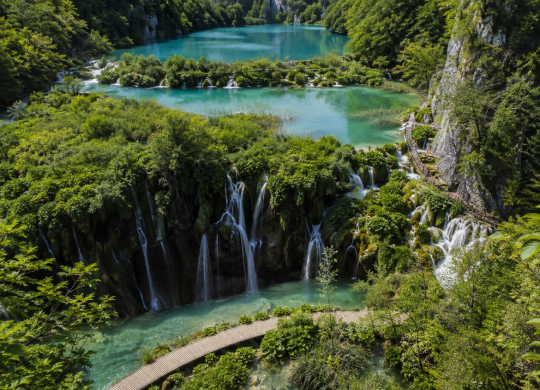
Europe's Most Amazing Natural Sites: 15 Places to Visit in the Future
In Europe, you can see rocks that seem “alive,” a lake that appears to hover over the Atlantic, basalt columns with perfect geometric shapes, and turquoise waterfalls nestled among the forests. Learn more about 15 natural wonders of Europe that are worth adding to your future travel plans
15 Aug. 2026
More details2 min
Travels
Quietest Countries in the World 2026: Go2Africa's Silent Travel Index
Go2Africa has compiled the world's first Silent Nations Index, ranking countries by noise levels and potential for solitude. Find out which destinations topped the list of the quietest and noisiest countries in the world and why the search for silence has become one of the top travel trends of 2026
17 Aug. 2026
More details3 min
Travels
Affordable Places to Visit in Europe This Fall: 13 Cities for a Vacation Under €100 a Day
In 13 European cities, accommodation, meals, transportation, and entertainment cost no more than €100 per person per day. Learn more about the most affordable destinations for a fall trip and the expenses included in the daily budget
29 Aug. 2026
More details3 min
Travels
The Best Cities for Nightlife in 2026
Time Out, in partnership with Intrepid Travel, has compiled a ranking of the nightlife capitals for 2026. Learn more about the 10 cities with the most vibrant nightlife
31 Aug. 2026
More detailsAll materials and articles are owned by VisitWorld.Today and are protected by international intellectual property regulations. When using materials, approval from VisitWorld.Today is required.