

The Best Cities in Portugal for Expats to Live in 2026
Table of contents
- Lisbon: the most opportunities and the most expensive housing
- Porto: A Technology Hub with a More Relaxed Pace
- Braga: More Affordable Housing and Family-Friendly Conditions
- Faro: Life in the Algarve with Direct Access to the Airport
- Funchal: A Mild Climate and an Island Lifestyle
- Which city in Portugal should you choose to move to?

Portugal attracts people with its mild climate and high quality of life, but the differences between its cities are much greater than they seem. Lisbon has more job opportunities, Braga has cheaper housing, and Faro and Funchal each have their own advantages and limitations. Learn more about rent, salaries, transportation, and daily expenses in Portugal’s top five cities for expats

Portugal ranks among the top ten countries in the world for expat quality of life. The mild climate, safe environment, ocean coastline, and widespread use of English make settling in easier. At the same time, the country offers a variety of lifestyles: from a career in Lisbon to remote work in Madeira.
Your choice of city directly affects your budget and career opportunities. The capital is home to more international companies, but housing is more expensive there. Braga attracts families with more affordable rent, Faro provides access to the Algarve, and Porto combines a large job market with a more compact urban environment.
We compare Portugal’s five best cities for expats based on cost of living, salaries, job opportunities, transportation, English proficiency, and family-friendly conditions.
Planning to move to Portugal? Our experienced migration specialists will help you prepare all the necessary documents, check compliance with the new visa requirements and ensure legal entry. Get personalized advice and reduce the risk of rejection.
Contact us now and start preparing for your move without stress!

Lisbon: the most opportunities and the most expensive housing
Lisbon has the most developed job market in Portugal. International tech companies, banks, consulting firms, and service centers operate here. The sectors offering the most job openings for foreigners are IT, finance, tourism, sales, marketing, and multilingual customer support.
The average after-tax salary is estimated at approximately €1,350–1,400 per month. In customer support, foreigners can be offered €1,200–1,800 gross, and in the tech sector, €2,500–4,500 gross, depending on the position and experience. For a comfortable independent life, a gross income of €2,500 or a stable remote salary is desirable.
Housing remains the main expense. The average advertised rent in Lisbon is €21.8 per m². A small one-bedroom apartment typically costs €1,000–1,700 per month. More affordable options can be found in Benfica, Oliva, Lumiar, and neighboring municipalities. A realistic budget for a single person living alone is about €2,000–2,500 per month.
Key cost-of-living figures in Lisbon:
- Rent for a one-bedroom apartment – approximately €1,000–1,700
- Living expenses excluding rent – about €700–800 per person
- Average take-home pay – approximately €1,350–1,400
- Monthly Navegante transit pass – €30 within the city or €40 for the entire metropolitan area
- Tuition at an international school – typically €8,000–20,000 per year
- Metro ride to the international airport – about 20–30 minutes from central districts
The metro, buses, trams, commuter trains, and ferries make it possible to live without a car. English is usually sufficient at international companies, institutions, and in central districts. Portuguese is necessary for working with local clients, government agencies, and the education system.
For families, Lisbon offers the country’s largest selection of international schools, private clinics, and after-school activities. However, many of these institutions are located not in the city center, but in Cascais, Sintra, and Oeiras. When choosing a place to live, it’s worth considering the commute to school or work right from the start.
In our previous article, we discussed how much real estate costs in Lisbon, Porto, and the Algarve in 2026.
Porto: A Technology Hub with a More Relaxed Pace
Porto has the second-largest labor market in the country. The city is developing as a hub for IT, e-commerce, engineering, and financial services. The region also has strong sectors in logistics, manufacturing, the textile industry, the wine business, and tourism.
For foreigners without Portuguese language skills, the easiest way to find a job is in tech companies, service centers, and the tourism industry. The average net income in the city is estimated at €1,300–1,450 per month. Qualified IT specialists and engineers can expect to earn €2,000–3,500 gross, and international employers sometimes offer more.
Rent is lower than in Lisbon, but the gap is gradually narrowing. The average listed rate is €16.4 per m². A one-bedroom apartment costs approximately €800–1,400 in the city center and €600–1,000 in outlying areas. For a single person living alone, you should budget €1,600–2,000 per month.
Things to consider before moving to Porto:
- Rent for a one-bedroom apartment – approximately €600–1,400;
- Daily living expenses excluding housing – about €550–700
- Average after-tax salary – approximately €1,300–1,450
- Monthly transit pass – about €40, depending on the number of transit zones
- There are about eight international schools in the city and its suburbs
- A metro ride from downtown to the airport takes about 30–40 minutes
The metro connects downtown to Gaia, Matosinhos, Maia, and the airport. The network is supplemented by buses and commuter trains. A car isn’t necessary in the central districts, but it can be useful for living on the outskirts.
English is widely spoken among young people, in the tourism sector, and in international offices. For local companies, the medical field, and government agencies, Portuguese significantly expands your opportunities.
Porto is family-friendly thanks to its compact size, access to the ocean, and quieter neighborhoods outside the city center. It’s best to look for two- or three-bedroom apartments in Vila Nova de Gaia, Matosinhos, or Maia. The main drawback of the climate is the damp and rainy winter, which is noticeably different from the weather in southern Portugal.
We previously reported that Portugal pays for relocation to sparsely populated regions: how the Emprego Interior MAIS program works in 2026.
Braga: More Affordable Housing and Family-Friendly Conditions
Braga is a good fit for those who don’t need the capital’s job market. The city is located about 55 km from Porto and has its own technology cluster. Notable employers include Bosch, Fujitsu, Aptiv, and local startups affiliated with the University of Minho.
Most job openings are concentrated in IT, electronics, the automotive industry, engineering, and business services. At Bosch, a software engineer’s salary is approximately €17,000–30,000 gross per year, while an experienced specialist earns €34,000–41,000. In retail, tourism, and the service sector, salaries are significantly lower. Without knowledge of Portuguese, the selection of local job openings is limited.
A one-bedroom apartment can be rented for approximately €600–900 per month. New or furnished housing in the city center is often more expensive. The total monthly budget for a single person living in a private apartment is about €1,200–1,600. Sharing a rental can reduce costs to €900–1,100.
Key figures for Braga:
- Rent for a one-bedroom apartment – about €600–900
- Daily living expenses excluding housing – approximately €450–600
- Monthly transit pass – approximately €20
- Software engineer salary – typically €17,000–30,000 gross per year
- International schools – about €5,500–8,000 per year at schools with open tuition rates
- Travel time to Porto Airport by car or direct bus – approximately 40–50 minutes
Public transportation consists of TUB buses. This is sufficient for the central districts, but the network is less convenient than the metro systems in Lisbon or Porto. A car makes life easier in the suburbs and for traveling around the region. Porto can be reached by train in about an hour.
English is widely spoken in academic circles, tech companies, and among young people. Portuguese is more commonly required in hospitals, schools, stores, and government offices.
For families, Braga offers quiet residential neighborhoods, several international schools, and lower costs for larger apartments. The city is safe and compact, but winters here are rainy. The selection of English-speaking clubs and specialized medical care is also more limited than in Lisbon or Porto.
Learn more about the benefits of moving to Portugal permanently by following the link.
Faro: Life in the Algarve with Direct Access to the Airport
Faro is the administrative and transportation hub of the Algarve. It is home to an international airport, the University of the Algarve, a regional hospital, and a train station. This makes the city a more practical choice for permanent residence than the small coastal resorts.
The local job market depends on tourism. Most often, foreigners are offered jobs in hotels, restaurants, real estate rentals, aviation, and customer service. There are also job openings in education, healthcare, and municipal services, but these typically require proficiency in Portuguese. Job opportunities are more limited in the winter.
The average after-tax salary in Faro is approximately €1,150–1,250 per month. Many positions in tourism and the service sector pay close to the minimum wage, which in 2026 is €920 gross and is paid 14 times a year. Therefore, Faro is more advantageous for remote workers, retirees, and people with outside income.
Main expenses and conditions:
- One-bedroom apartment – approximately €700–1,200 per month
- Total budget for one person – about €1,350–1,700
- Average net salary – approximately €1,150–1,250
- Monthly transit pass – about €40
- International school – typically €7,000 to €18,000 per year
- Trip from the city center to the airport – about 10–15 minutes by car
The main challenge is finding an apartment for a full year. Some properties are only available for rent from fall through May, and in the summer, they switch to daily rentals. When searching, be sure to check the lease term, renewal conditions, and whether you can officially register your address there.
There are buses in Faro, and trains connect the city to Lisbon and other towns in the Algarve. However, for regular trips to the beaches, schools, and neighboring resorts, it’s more convenient to have a car.
Thanks to tourism, English is more widely spoken here than in many small towns in Portugal. International schools offering British and IB programs are available for families, but most are located in different parts of the Algarve. The daily commute can take 30–50 minutes.
Learn more about the new immigration rules for highly skilled professionals in Portugal by following the link.
Funchal: A Mild Climate and an Island Lifestyle
Funchal is Madeira’s largest city and its main economic hub. It is home to hospitals, schools, shopping centers, government offices, and the island’s major employers. The city is particularly popular among remote workers, entrepreneurs, and people with income from abroad.
The local job market is smaller than in Lisbon or Porto. The most job openings are in hotels, restaurants, the cruise industry, real estate, retail, and customer service. The average base salary in Madeira is approximately €1,320 gross, while the average total compensation is €1,748. The minimum wage in the autonomous region in 2026 is €980 per month.
Demand for housing has been driven up by tourism and the influx of remote workers. A one-bedroom apartment in Funchal costs approximately €950–1,400 per month. In central areas and near the ocean, prices can exceed €1,500. A single person living in a private apartment should expect a total monthly budget of €1,700 to €2,100.
Key cost-of-living indicators in Funchal:
- Rent for a one-bedroom apartment – about €950–1,400
- Living expenses excluding rent – approximately €550–700 per person
- Average base salary – €1,320 gross
- Average take-home pay – approximately €1,250–1,300
- Monthly public transit pass – about €30
- International school – approximately €5,500–13,000 per year
- Commute to the airport – about 20 minutes by car or 30–40 minutes by bus
You can get around the city center on foot or by bus. However, the hilly terrain makes daily commutes challenging, and a car is recommended for living outside Funchal. There is no railway on the island. Transportation to mainland Portugal depends on flights.
English is widely used in tourism, international schools, private healthcare, and the real estate sector. Portuguese is required for most local job openings and when dealing with government agencies.
We previously wrote about the most in-demand jobs in Portugal in 2026.
Which city in Portugal should you choose to move to?
There is no clear-cut leader. Lisbon offers the most job openings but requires the highest income. Braga allows you to spend less, but it’s harder to find a job there without knowing Portuguese. Faro and Funchal are better suited for people who aren’t dependent on the local job market.
The choice depends on the main reason for moving:
- For a career at an international company – Lisbon
- For work in IT, engineering, or manufacturing – Porto
- For family life with more moderate living costs – Braga
- For living in the Algarve and working in tourism – Faro
- For remote work and a mild climate – Funchal
Before signing a lease, it’s worth checking whether it’s valid for the entire year. This is especially important in the Algarve and Madeira. When looking for a local job, you should compare annual salaries rather than just monthly pay: in Portugal, many employees receive 14 paychecks a year.
Porto remains the most balanced option. It lags behind Lisbon in terms of the number of job openings but offers lower rent and a well-developed public transportation system. Braga is a better choice for families and remote workers, while Lisbon justifies its high cost of living primarily through its strong job market.
Not sure about your legal status or need help with residence permits? Our migration consultants will help you understand all the new rules in Portugal, including the visa for highly qualified professionals and restrictions on family reunification.
Book a consultation today and ensure successful immigration!
We remind you! In 2026, many countries introduced new requirements for tourists: ETIAS in the EU, ETA in the UK, an updated ESTA for the US and digital arrival cards. We have already explained what will change and how to prepare for your trip in advance.
We monitor the accuracy and relevance of our information. Therefore, if you see any error or discrepancy, please write to our hotline.
Frequantly
asked questions
Which city in Portugal is best for expats?
Where in Portugal is it cheapest to live?
What salary is needed to live comfortably in Portugal?
Is it possible to live in Portugal without knowing Portuguese?
Which city in Portugal is best for a family with children?
Recommended articles
2 min
Expats
Portugal Citizenship Changes 2026: New Rules, Timeline and Golden Visa Impact
Portugal is reviewing its citizenship rules in 2026. Find out what changes have already been agreed, what has not yet come into force and how this will affect investors and golden visa holders
09 Apr. 2026
More details2 min
Popular
Portugal continues to attract new residents to the country’s sparsely populated regions. As part of the Emprego Interior MAIS program, the government covers relocation costs and may pay up to €5,000 to those willing to work or run a business in the country’s inland regions. Learn more about the eligibility criteria, available funding amounts, and requirements for applicants
23 Jun. 2026
More details3 min
Investment
Over the past five years, Portugal has welcomed 725 new ultra-high-net-worth residents, and the number of people with a net worth of over €25 million has grown by nearly 50%. Experts attribute this trend not only to the pleasant climate and high quality of life, but also to the active development of the real estate market, the influx of international capital, and the sale of local companies to major investors. Find out why Portugal has become one of the most attractive destinations for the world’s wealthiest individuals
30 Jun. 2026
More details2 min
Expats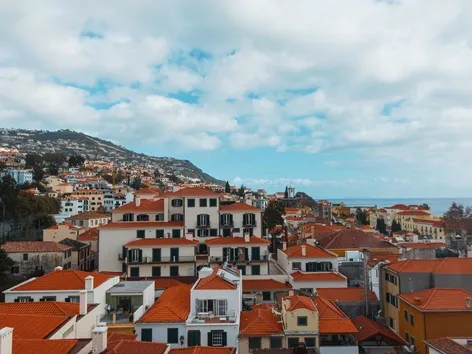
Portugal Property Prices 2026: Lisbon vs Porto vs Algarve Compared
Property prices in Portugal vary significantly by region, from Lisbon to the quieter inland provinces. Find out how much housing will cost in Lisbon, Porto and the Algarve in 2026, why the difference is several times higher and what you can actually buy for €400,000
10 Aug. 2026
More detailsAll materials and articles are owned by VisitWorld.Today and are protected by international intellectual property regulations. When using materials, approval from VisitWorld.Today is required.