

Cost of Living in the Netherlands in 2026: Budget and Monthly Expenses
Table of contents
- How much money will you need to live in the Netherlands in 2026?
- How much does it cost to rent a home in the Netherlands?
- Utilities and Recurring Payments in the Netherlands
- How much do groceries and food cost in the Netherlands?
- Transportation and Car Costs in the Netherlands
- Health Insurance and Medical Expenses in the Netherlands
- How much does it cost to live with a child in the Netherlands?
- Where Is It Cheaper to Live in the Netherlands: A Comparison of Cities
- How much money do you need to move to the Netherlands?
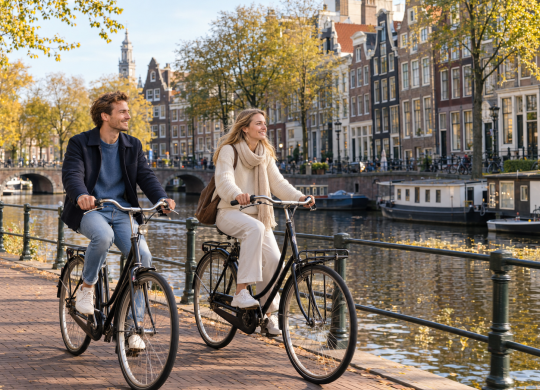
Rent, health insurance, and childcare—these are expenses you need to factor in before moving to the Netherlands. Learn more about your monthly budget, prices in four cities, and how much you’ll need for your first few months there

A job offer in the Netherlands may seem attractive until you start looking for an apartment. Then you have to factor in health insurance, local taxes, and daycare. The amount left over after these payments determines how much you can spend on daily necessities and set aside for savings. We’ll break down the budget for a single person, a couple, and a family with a child, and compare Amsterdam, Rotterdam, The Hague, and Eindhoven.
In a previous article, we discussed the world’s best cities to live in, according to Generation Z.
Planning to move abroad and calculating your budget? Also consider the requirements for legal residency: grounds for obtaining a residence permit, proof of income, and necessary documents. Visit World’s immigration lawyers will help you understand the available relocation options and the requirements for your specific situation so you can plan the application process and related expenses in advance.

How much money will you need to live in the Netherlands in 2026?
To live in the Netherlands while renting a private apartment, you should budget at least €2,400 per month per person. For a couple or a family, the cost per person will be lower thanks to shared housing and utility costs.
Estimated monthly budget in the Netherlands:
1. One person – €2,400–3,200. A small apartment, mostly home-cooked meals, health insurance, public transportation, and moderate personal expenses.
2. A couple – €3,300–4,400. A shared one-bedroom apartment, groceries for two, two health insurance policies, regular bills, and leisure activities.
3. Family with one child – €4,000–5,500. A two-bedroom apartment, meals, health insurance for adults, transportation, clothing, and the child’s daily necessities.
These are estimated budgets for planning a move without a car, private daycare, or an international school. A security deposit for housing, furnishing the apartment, and savings should be accounted for separately; any potential government benefits are not included in these figures.
Rent has the greatest impact on the total cost. In the third quarter of 2026, new tenants paid an average of €1,914 per month for housing in the unregulated sector. This figure applies to various types and sizes of housing, not just the price of a one-bedroom apartment. In Amsterdam, you should aim for the upper limit of the budget or higher, especially for family housing.
Health insurance is also a regular expense: in 2026, a basic policy costs an average of €157 per month per adult, or about €314 for a couple. There is no premium for basic insurance for children under 18.
In our previous article, we reported that the Netherlands has changed the rules for residence permits based on asylum starting in 2026.
How much does it cost to rent a home in the Netherlands?
Rent in the Netherlands varies significantly by city. In the third quarter of 2026, the average rate in Amsterdam was €28.56 per m², and in Eindhoven, €19.61. For a 70 m² apartment, this amounts to a difference of approximately €625 per month.
Apartment Costs in Different Cities
Below is a calculation for a 60 m² apartment based on average rates in the unregulated rental sector:
- Amsterdam – about €1,714 per month, at a rate of €28.56 per m²
- Rotterdam – about €1,375, at a rate of €22.92 per m²
- The Hague – about €1,377, at a rate of €22.95 per m²
- Eindhoven – approximately €1,177, at a rate of €19.61 per m²
These are guidelines for comparing cities: a specific apartment may cost more depending on the neighborhood, furnishings, or condition of the unit. The calculation does not include utility and service charges.
What additional costs are there?
The rental price listed in an ad for an apartment in the Netherlands may refer only to the base rent—kale huur. Service charges for cleaning common areas, stairwell lighting, and other services may be billed separately. Gas, electricity, and water are also not always included in the listed amount.
A security deposit is required upon move-in. For leases signed on or after July 1, 2023, it cannot exceed two months’ basic rent. For a rent of €1,500, the landlord may require up to €3,000 as a security deposit, so you’ll need to have up to €4,500 ready, including the first month’s rent.
Also pay attention to the apartment’s condition:
- Kaal / casco – unfurnished, sometimes even without flooring or light fixtures
- Gestoffeerd – usually includes flooring, curtains, and lighting, but no furniture
- Gemeubileerd – furnished apartment
An unfurnished apartment may have a lower monthly rent, but will require more money right after you move in.
Earlier, we discussed the specifics of employment in the Netherlands for foreigners in 2026: job openings, salaries, and work permits.
Utilities and Recurring Payments in the Netherlands
Utility costs in the Netherlands include electricity, heating, and water. Internet and local taxes are paid separately. Energy bills depend most on the building’s insulation, its size, and the heating system.
Electricity, Heating, and Water
According to CBS calculations based on January 2026 rates, the average household’s energy costs amount to €1,993 per year, or about €166 per month.
For different types of housing, the monthly estimates are as follows:
- One person in a small, modern apartment with gas heating – €115
- One person in a small, older apartment with gas heating – €130
- Two or more residents in a small, older apartment with gas heating – €164
- An apartment with district heating – about €167
These amounts include electricity, heating, and the fixed components of the energy bill, but not drinking water.
For example, in the Waternet service area in 2026, water costs €1.18 per m³ plus a fixed annual fee of €90.55. A water supply tax and VAT are charged on top of that. For an annual consumption of 100 m³, the total amount will be approximately €275, or €23 per month.
Internet and Local Taxes
Home internet in the Netherlands with a speed of about 100 Mbit/s costs approximately €35–50 per month without temporary discounts. The available rate depends on the provider and the connection address.
Local fees are billed separately. For example, tenants in Amsterdam in 2026 will pay:
- For trash collection – €352 per year for one person or €469 for a household of two or more people.
- For water management and wastewater treatment—€279.64 per year for one person or €465.22 for two or more residents in the AGV zone.
Together, these two fees amount to approximately €53 per month for a single resident or €78 for a couple or family. Rates vary in other municipalities.
Learn more about the new tax relief rules for foreign professionals in the Netherlands by following the link.
How much do groceries and food cost in the Netherlands?
For groceries in the Netherlands, you can budget €300–400 per month for one person if you mainly cook at home. For a couple, a rough estimate is €500–700; for two adults with a child, €650–900. This budget excludes restaurants, alcohol, and household cleaning products.
Prices for basic groceries in the Netherlands
Estimated average prices in 2026:
- Milk, 1 L – €1.18
- Bread, 500 g – €2.04
- Eggs, 12 – €4.28
- Rice, 1 kg – €2.56
- Chicken breast, 1 kg – €13.09
- Local cheese, 1 kg – €12.43
- Potatoes, 1 kg – €1.70
- Apples, 1 kg – €2.40
- Tomatoes, 1 kg – €3.73
Costs for Cafes and Restaurants
Eating out in the Netherlands significantly increases your budget. Lunch at an inexpensive restaurant costs an average of €20 per person, a fast-food combo meal is about €12, and a cappuccino is €3.70–3.80.
A three-course dinner for two at a mid-range restaurant will cost approximately €80, excluding drinks.
If you buy lunch for €20 every workday, that adds up to €400 over 20 days. Two restaurant dinners a month will add another €160 or so to a couple’s budget, not including drinks.
We previously discussed, what to do if you’re sick for a long time and can’t work in the Netherlands: a step-by-step guide.
Transportation and Car Costs in the Netherlands
The cost of transportation in the Netherlands depends primarily on the route: trips around the city and a daily train commute to another city require different budgets. A city pass usually does not cover rail service.
Public Transportation and Trains
In Amsterdam in 2026, a one-hour GVB ticket costs €3.40, and a day pass costs €10. The GVB Vrij pass for €129 per month offers unlimited travel on GVB trams, buses, and the metro, including night buses.
Various NS passes are available for train travel. The prices below apply to second class:
- Dal Voordeel – €6.35 per month. Offers a 40% discount during off-peak hours, on weekends, and on holidays. Individual trips are charged separately.
- Weekend Vrij – €39.50 per month. Unlimited travel on weekends.
- Dal Vrij – €127.95 per month. Unlimited travel during off-peak hours, on weekends, and on holidays.
- Altijd Vrij – €399.95 per month. Unlimited trips regardless of the time of day.
If you work standard hours, a pass valid only during off-peak hours may not be suitable. The Traject Vrij pass covers a specific train route; its cost depends on the departure and arrival stations.
How much does it cost to own a car in the Netherlands?
Car expenses in the Netherlands include fuel, insurance, vehicle tax, maintenance, and parking. The total cost of ownership also includes the car’s depreciation.
The average price of Euro95 gasoline was €2.46 per liter. With a monthly mileage of 1,000 km and fuel consumption of 6 liters per 100 km, fuel alone will cost approximately €148.
The amount of other expenses depends on the car and where you live. To compare budgets, it’s worth adding them up: cheaper housing outside the city may lose its financial advantage due to daily commutes and parking costs.
We previously discussed how to obtain a residence permit in the Netherlands: requirements, application procedure, and available programs.
Health Insurance and Medical Expenses in the Netherlands
In 2026, you should budget an average of €157 per month per adult for health insurance in the Netherlands. However, the monthly premium does not cover all possible medical expenses.
For adults, there is a mandatory deductible of €385 per calendar year—known as the eigen risico. This is the portion of the costs for basic coverage services that the patient pays out of pocket. It applies, in particular, to hospital treatment and many prescription medications.
If you do not use these services, you do not need to pay the deductible.
Visits to a family doctor are not subject to the deductible. Laboratory tests or medications prescribed by the family doctor may be covered under different rules. For children under 18, there is neither a premium for the basic policy nor a mandatory deductible. Therefore, a couple of adults should budget up to €770 per year in addition to their insurance premiums specifically for the standard deductible. Certain copayments and services not covered by the policy are paid for separately.
For a trip or temporary stay abroad, choose health insurance on the Visit World platform based on the purpose and duration of your trip. Before purchasing, check the coverage and reimbursement limits. A travel insurance policy does not replace mandatory Dutch health insurance if it is required based on your status.
How much does it cost to live with a child in the Netherlands?
The largest additional expense for a child in the Netherlands is childcare during working hours. Daycare is paid on an hourly basis, and the final amount for a family depends on the number of hours and eligibility for government reimbursement.
Daycare and Cost Reimbursement
In 2026, the average cost of daycare in the Netherlands is €11.82 per hour, and after-school care (BSO) is €10.70. For 130 paid hours per month, the daycare bill will total approximately €1,537 before reimbursement.
The kinderopvangtoeslag subsidy is calculated based on the established hourly rate:
- €11.23 – for daycare
- €9.98 – for after-school care
- €8.49 – for care provided by a registered in-home caregiver
Parents are responsible for paying the full difference between the actual rate and this limit. For families with a combined taxable income of up to €56,412 per year, the reimbursement rate in 2026 is 96% of expenses within the limit. The percentage decreases for higher incomes.
For example, for 130 hours of daycare at €11.82 per hour and with a 96% reimbursement rate, the family’s out-of-pocket expenses would be approximately €135 per month instead of €1,537. Assistance is not automatic: typically, both parents must be employed or meet other specified conditions, and the facility must be registered.
School and After-School Care
Children can start school at age 4, and school attendance is mandatory starting at age 5. There are no tuition fees at publicly funded elementary schools. The school may request a voluntary contribution for field trips and events, but refusing to pay does not prevent the child from participating.
After-school care (BSO) is paid for separately. For example, 40 hours at an average rate of €10.70 would cost €428 before reimbursement. Lunch break care may also be subject to a fee.
In our previous article, we explained in detail how to apply for child care benefits in the Netherlands.
Where Is It Cheaper to Live in the Netherlands: A Comparison of Cities
To compare the cost of living in Dutch cities, let’s use the same conditions: a couple has €4,000 per month after taxes and rents a 70 m² apartment. We’ll calculate the rent based on average rates in the unregulated sector for the third quarter of 2026. Utility bills are not included.
Amsterdam
The estimated rent is about €2,000 per month—half of the couple’s budget. After paying the rent, €2,000 will remain for utilities, insurance, groceries, transportation, and personal expenses.
With this budget, it’s possible to cover daily needs, but a car, frequent dining out, or a more expensive apartment will reduce the ability to save money.
Rotterdam
For the same living space, rent would cost approximately €1,604, leaving €2,396 for other expenses.
The difference compared to Amsterdam is nearly €400 per month, or €4,750 per year. For a couple, this means extra money for savings or leisure without having to downsize their apartment.
The Hague
Estimated rent: €1,607; remaining budget: €2,393. Based on average rates, The Hague and Rotterdam are practically on par.
The financial difference between them will depend on the specific housing and commute to work. Even a small difference in utility bills or the cost of a transit pass will be more significant than the difference in average rent rates.
Eindhoven
Estimated rent is €1,373, leaving €2,627. Among the four cities, Eindhoven has the lowest average housing costs.
For a couple living in the Netherlands on a budget of €4,000, this leaves the largest amount of money available after rent. Compared to Amsterdam, the difference is approximately €626 per month for an apartment of the same size.
Learn more about the best cities to live in the Netherlands by following the link.
How much money do you need to move to the Netherlands?
Your budget for moving to the Netherlands should cover the first few months of living expenses and the apartment deposit. For a couple with monthly expenses of €3,500—of which €1,500 is the base rent—the calculation would be as follows:
- Three months’ living expenses – €10,500. Rent is already included in this amount.
- Security deposit – up to €3,000. For a new lease, this is a maximum of two months’ base rent.
- Total – up to €13,500 for three months of living expenses and the security deposit.
In addition to these initial costs in the Netherlands, you’ll need to factor in travel expenses, moving costs, paperwork, and, if necessary, temporary housing. Furnishing an apartment can also be quite expensive: in an unfurnished apartment, you may even have to buy flooring and light fixtures.
If you use an agent’s services, it matters who hired them. An agent working for the landlord is paid by the landlord. If you hire an agent on your own to find an apartment, their services become a separate expense for you.
If you’ve already chosen a country to move to, the next step is to prepare your documents and agree on submission deadlines. Contact the immigration lawyers at Visit World to review your document package, clarify the process for obtaining residency status for yourself and your family, and minimize the risk of delays due to errors in your application.
We remind you! Where in the European Union will it be cheapest to live in 2026? Read more about which EU countries have the lowest cost of living, and compare prices for groceries, transportation, utilities, housing, and daily expenses before moving.
Products from Visit World for a comfortable trip:
Travel guide for 200 countries;
Legal advice from a local specialist on visa and migration issues;
Travel insurance around the world (please select the country of interest and citizenship to receive services);
Medical insurance all over the world.
We monitor the accuracy and relevance of our information, so if you notice any errors or inconsistencies, please contact our hotline
Frequantly
asked questions
How much money does a single person need to live in the Netherlands?
Will €3,000 a month be enough for a couple in the Netherlands?
Which of the cities in the Netherlands discussed here has the lowest rent?
What security deposit is required to rent an apartment in the Netherlands?
Does health insurance cover all medical expenses in the Netherlands?
How much does daycare cost in the Netherlands after reimbursement?
How much money should a couple set aside for their first three months in the Netherlands?
Recommended articles
3 min
For refugees
How to Apply for Childcare Benefits in the Netherlands: A Step-by-Step Guide
Parents who work or study in the Netherlands are eligible for partial reimbursement of childcare costs from the government. The amount of the benefit depends on family income, the type of childcare, and the number of children. Learn more about the eligibility requirements for the kinderopvangtoeslag, the necessary documents, and the step-by-step application process
26 May. 2026
More details2 min
Expats
Effective January 1, 2027, updated rules for the 30% ruling tax exemption for foreign employees will take effect in the Netherlands. The reform provides for a reduction in the tax rate, an increase in salary thresholds, and the retention of transitional provisions for certain professionals. Learn more about the new tax conditions and the group of employees affected by the changes
30 Jul. 2026
More details3 min
Work
Jobs in the Netherlands for Foreigners in 2026: Job Openings, Salaries, and Work Permits
The Netherlands remains one of Europe’s most promising job markets for foreigners: employers are facing a shortage of specialists in technical fields, medicine, logistics, IT, and a number of other sectors. Learn more about the most in-demand jobs in the Netherlands, salary levels, opportunities for candidates who don’t speak Dutch, and the rules for obtaining a work permit in 2026
19 Aug. 2026
More details3 min
For refugees
Starting June 12, 2026, residence permits for asylum seekers in the Netherlands will be issued for 3 years, and the permanent residence permit has been abolished. Learn more about the IND’s rules
02 Sep. 2026
More detailsAll materials and articles are owned by VisitWorld.Today and are protected by international intellectual property regulations. When using materials, approval from VisitWorld.Today is required.