

Hiszpania zezwoliła na krótkoterminowe pozwolenia na pracę dla cudzoziemców: co się zmieniło w 2025 roku
Table of contents
- Jak zmieniła się procedura wydawania wiz krótkoterminowych w Hiszpanii dla cudzoziemców w 2025 roku?
- Kto jest objęty wprowadzeniem krótkoterminowych pozwoleń na pracę w Hiszpanii?
- Co się nie zmieniło dla wnioskodawców o hiszpańskie pozwolenie na pracę?
- Praktyczne konsekwencje wprowadzenia krótkoterminowych wiz pracy w Hiszpanii?
- Jak ubiegać się o wizę krótkoterminową do pracy w Hiszpanii: instrukcje krok po kroku
- Opinie ekspertów na temat krótkoterminowych wiz roboczych w Hiszpanii
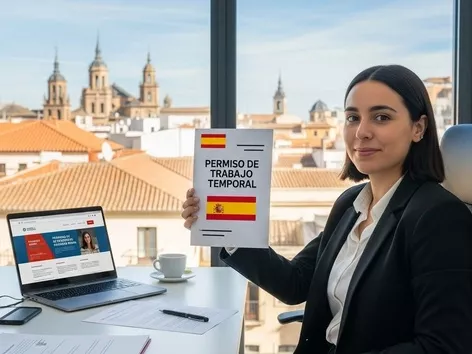
Hiszpania podjęła ważny krok w kierunku modernizacji swojej polityki migracyjnej w 2025 roku, wprowadzając krótkoterminowe pozwolenia na pracę. Dowiedz się, jak zasady uzyskiwania krótkoterminowych wiz pracowniczych w Hiszpanii zmieniły się w 2025 roku

Od 25 lipca 2025 roku w Hiszpanii weszły w życie nowe zasady, które otworzyły więcej możliwości dla zagranicznych specjalistów, badaczy i cyfrowych nomadów z różnych krajów świata, w tym obywateli Nepalu, Pakistanu i Filipin. Po raz pierwszy państwo zezwoliło na wydawanie niektórych pozwoleń na pracę na okres krótszy niż 90 dni. Ta znacząca aktualizacja polityki imigracyjnej sprawia, że kraj staje się bardziej elastyczny i atrakcyjny dla krótkoterminowych projektów. Przeczytaj wszystko, co musisz wiedzieć o nowych zasadach w Hiszpanii w tym artykule.
Planujesz podróż za granicę? Wybierz niezawodną polisę ubezpieczeniową na portalu Visit World.

Jak zmieniła się procedura wydawania wiz krótkoterminowych w Hiszpanii dla cudzoziemców w 2025 roku?
Wcześniej minimalny okres ważności pozwolenia na pracę na podstawie Ustawy o Przedsiębiorcach wynosił 90 dni. Stwarzało to trudności dla firm, które chciały zaprosić eksperta tylko na kilka tygodni, lub dla badaczy planujących krótkie wizyty. Od teraz te ograniczenia zostały zniesione:
- Pozwolenia mogą być wydawane nawet na kilka dni lub tygodni;
- Nowa polityka dotyczy tylko kategorii na podstawie Ustawy o Przedsiębiorcach;
- Ogólny reżim pozostaje bez zmian.
Kto jest objęty wprowadzeniem krótkoterminowych pozwoleń na pracę w Hiszpanii?
Nowe zasady pozwalają następującym kategoriom cudzoziemców uzyskać krótkoterminowe pozwolenia na pracę:
- Wysoce wykwalifikowany specjalista – dla profesjonalistów z wyższym wykształceniem i unikalnymi umiejętnościami.
- Niebieska Karta UE – dla pracowników z krajów spoza UE, którzy spełniają wymagania dotyczące wynagrodzenia i kwalifikacji.
- Badacze – dla uczestnictwa w projektach naukowych, konferencjach lub wykładach gościnnych.
- Przeniesienie wewnętrzne – dla pracowników międzynarodowych firm.
- Cyfrowi nomadzi – dla pracowników zdalnych, którzy chcą mieszkać w Hiszpanii przez ograniczony czas.
Ważne! jeśli ubiegasz się o ogólny reżim (standardowe pozwolenia na pracę, łączenie rodzin, wizy non-profit), minimalny wymóg 90 dni pozostaje w mocy.
Co się nie zmieniło dla wnioskodawców o hiszpańskie pozwolenie na pracę?
- Wszystkie wymagania dotyczące kwalifikacji, wynagrodzenia i dokumentów pozostają.
- Proces aplikacji nie został uproszczony - tylko minimalny czas pobytu został skrócony.
- Pozwolenia na łączenie rodzin i ogólny reżim działają zgodnie ze starymi zasadami.
Praktyczne konsekwencje wprowadzenia krótkoterminowych wiz pracy w Hiszpanii?
- Dla firm i pracodawców
1. Możesz zaprosić zagranicznego eksperta na krótki okres bez przymusowych \"dodatkowych\" 90 dni.
2. Nie musisz ubiegać się o wizę Schengen, która nie pozwala na pracę.
3. Łatwiej jest organizować wydarzenia biznesowe, szkolenia i projekty doradcze.
- Dla cyfrowych nomadów
1. Możesz uzyskać pozwolenie na pracę na mniej niż 90 dni.
2. Minimalny dochód pozostaje na poziomie 200% minimalnej płacy w Hiszpanii (około 2400 € w 2025 roku).
- Dla akademików
1. Łatwiej jest uczestniczyć w krótkoterminowych projektach, wykładach lub konferencjach.
2. Pozwolenie może być wydane specjalnie na okres badań.
- Dla prawników imigracyjnych
1. Ilość dokumentów dla klientów jest zmniejszona.
2. Wciąż ważne jest, aby wybrać odpowiedni typ pozwolenia i spełnić wszystkie wymagania.
Jak ubiegać się o wizę krótkoterminową do pracy w Hiszpanii: instrukcje krok po kroku
Krok 1 – Sprawdź zgodność z wymaganiami
Czy twoje zlecenie pasuje do jednej z dozwolonych kategorii?
Krok 2 – Zbierz dokumenty
Dyplom, umowa o pracę, umowa projektowa lub potwierdzenie pracy zdalnej, zaświadczenia o wynagrodzeniu.
Krok 3 – Złóż wniosek
W hiszpańskim konsulacie lub urzędzie migracyjnym. Upewnij się, że podajesz dokładny czas pobytu.
Krok 4 – Czekaj na decyzję
Wnioski na podstawie Ustawy o Przedsiębiorcach są zazwyczaj rozpatrywane szybciej.
Krok 5 – Uzyskaj zatwierdzenie i pracuj
Po zatwierdzeniu możesz wchodzić i wykonywać zadania w dozwolonym czasie.
Opinie ekspertów na temat krótkoterminowych wiz roboczych w Hiszpanii
- Rząd hiszpański: nazywa zmiany częścią strategii modernizacji i przyciągania talentów.
- Grupy biznesowe: witają innowacje, wierząc, że pomoże to konkurować z innymi krajami UE.
- Prawnicy: zauważają, że aktualizacja jest przydatna, ale dotyczy tylko niektórych kategorii.
- Rzecznicy pracowników: podkreślają, że ważne jest monitorowanie przestrzegania praw pracowniczych nawet w projektach krótkoterminowych.
Aktualizacja hiszpańskiego systemu imigracyjnego w lipcu 2025 roku jest ważnym krokiem w kierunku większej elastyczności. Kraj może teraz przyjmować zagranicznych specjalistów, badaczy i nomadów nawet na krótkoterminowe zlecenia, nie zmuszając ich do ubiegania się o dodatkowe dni pobytu.
Decyzja sprawia, że Hiszpania staje się bardziej konkurencyjna na globalnym rynku talentów i wygodna dla tych, którzy chcą połączyć możliwości zawodowe z życiem w kraju w stylu śródziemnomorskim.
Planujesz krótkoterminową pracę w Hiszpanii? Aby dowiedzieć się o wszystkich wymaganiach i procedurze uzyskania hiszpańskiej wizy roboczej, skonsultuj się z wykwalifikowanymi specjalistami z Visit World.

Przypomnienie! W 2025 roku Hiszpania uruchomiła uproszczony program przyjęć na uniwersytety dla zagranicznych studentów, którzy stracili możliwość studiowania w USA z powodu ograniczeń wizowych. Już opowiedzieliśmy, jak się zapisać, uzyskać wizę i legalnie pracować podczas studiów w Hiszpanii.
Produkty z Visit World na komfortową podróż:
Lista kontrolna do uzyskania wizy i niezbędnych dokumentów w Hiszpanii;
Porady prawne w zakresie imigracji do Hiszpanii;
Ubezpieczenie podróżne dla obcokrajowców w Hiszpanii;
Ubezpieczenie zdrowotne na całym świecie.
Monitorujemy dokładność i aktualność naszych informacji, więc jeśli zauważysz jakiekolwiek błędy lub nieścisłości, skontaktuj się z naszą infolinią.
Frequantly
asked questions
Czy teraz możliwe jest pracowanie w Hiszpanii przez mniej niż 90 dni?
Czy potrzebuję wizy pracowniczej, jeśli już mam Schengen?
Czy nowe zasady dotyczą wszystkich cudzoziemców?
Recommended articles
2 min
Travels
Nowa reforma imigracyjna w Hiszpanii 2025: wszystkie zmiany w prawie RD 1155/2024 dla migrantów
Ważne zmiany w hiszpańskim prawie migracyjnym wejdą w życie w maju 2025 roku. Uproszczenie wiz, pracy, łączenia rodzin i "drugiego życia" dla migrantów. Dowiedz się, jakich zmian mogą się spodziewać ekspaci w Hiszpanii
20 maj. 2025
More details1 min
Expats
Wiza na znalezienie pracy w Hiszpanii: kompletny przewodnik na 2025 rok
Hiszpania otwiera nowe możliwości dla cudzoziemców: od 20 maja 2025 roku wiza dla poszukujących pracy jest ważna przez cały rok i daje szansę na legalne znalezienie pracy lub rozpoczęcie działalności w UE. Dowiedz się o krótkiej liście wymagań, etapach przetwarzania i możliwościach, jakie otwiera ta wiza
23 maj. 2025
More details2 min
Popular
Wiza wakacyjna do Austrii 2025: Jak aplikować i co musisz wiedzieć
Austria otworzyła aplikacje na wizę wakacyjną na 2025 rok. Kto może uczestniczyć, jak aplikować, jakie dokumenty są wymagane, koszty i korzyści – dowiedz się wszystkiego o wizie wakacyjnej do Austrii
16 lip. 2025
More details2 min
Work
W 2026 roku Portugalia zaktualizowała swoją wizę dla poszukujących pracy, jedną z najłatwiejszych dróg do legalnego wjazdu do UE bez oferty pracy. Dowiedz się o nowych warunkach, dokumentach, korzyściach i jak złożyć wniosek
18 lip. 2025
More detailsAll materials and articles are owned by VisitWorld.Today and are protected by international intellectual property regulations. When using materials, approval from VisitWorld.Today is required.