

Speed limits on European highways are changing: here's where you can now drive up to 150 km/h
Table of contents
- Czech Republic First in the EU to Allow Speeds of Up to 150 km/h on a Highway: How the New Rules Work
- In the Netherlands, the 130 km/h speed limit is being reinstated: on which highways are the new rules already in effect?
- Speed limits in Austria: why the 130 km/h limit remains unchanged
- Turkey has raised the speed limit to 140 km/h: which highways have the new limits
- Germany still has no general speed limit: could the rules change?
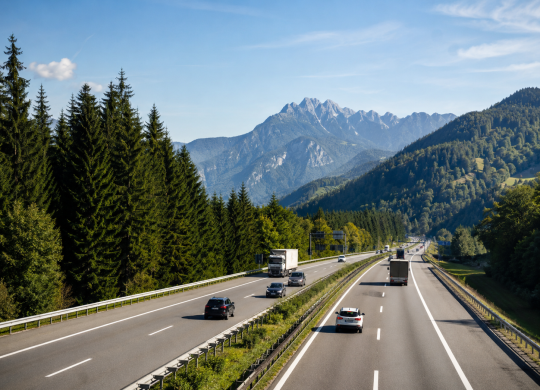
More and more European countries are revising their highway speed limits. In the Czech Republic, speeds of up to 150 km/h are already permitted on a specific section of highway, while the Netherlands is gradually reinstating a speed limit of 130 km/h. Learn more about where the new speed limits are already in effect and what to keep in mind before taking a road trip through Europe.

Traffic rules in Europe are not set in stone. While most countries previously gradually lowered speed limits for environmental and safety reasons, some nations have now begun testing or reinstating higher speed limits on certain highways. At the same time, these changes are subject to clear restrictions and apply only under specific conditions. Here’s a look at which countries have already updated their rules and what this means for drivers planning to travel through Europe by car.
Are you planning a trip to Europe by car?
In many countries, highways are tolled and require an electronic road vignette. This is a digital permit that confirms payment for the use of toll roads and is checked automatically by the license plate number - without stickers and paper receipts. Making a vignette online before you travel will help you avoid fines, travel delays, and unpleasant situations during inspections.

Czech Republic First in the EU to Allow Speeds of Up to 150 km/h on a Highway: How the New Rules Work
The Czech Republic became the first country in the European Union to officially allow speeds of up to 150 km/h on a specific section of a highway. The pilot project was implemented on a section of the D3 highway in South Bohemia. Its main goal is to assess how raising the speed limit will affect road safety and the traffic capacity of a modern highway.
However, the new limit is not in effect all the time. The 150 km/h speed limit is displayed only on electronic information boards and applies only under favorable weather conditions, good visibility, and low traffic volume. If the weather worsens or road conditions change, the maximum speed is automatically reduced to the standard 130 km/h.
Key features of the new rules:
- The 150 km/h speed limit is permitted only on a specifically designated section of the D3 highway
- The limit is adjusted in real time via electronic road signs
- In case of rain, fog, or heavy traffic, the standard 130 km/h limit applies
- The pilot program will continue until an assessment of its impact on safety and traffic flow is completed
If the pilot project proves successful, Czech authorities have not ruled out the possibility of introducing similar speed limits on other modern highways in the country. For drivers, this means that when traveling through the Czech Republic, it is important to pay close attention to the information on electronic signs, as the speed limit may change depending on traffic conditions.
In our previous article, we discussed where in Europe it will be cheapest and fastest to charge an electric vehicle in 2026.
In the Netherlands, the 130 km/h speed limit is being reinstated: on which highways are the new rules already in effect?
In 2020, the Netherlands lowered the speed limit on most highways to 100 km/h during daytime hours to reduce nitrogen oxide emissions. Now, the government is gradually reinstating the 130 km/h limit on certain road sections where it does not conflict with environmental requirements.
The first changes have already taken effect on several highways. At the same time, the rules remain unchanged for most of the road network: from 6:00 a.m. to 7:00 p.m., the speed limit is 100 km/h, and in the evening and at night, driving at 130 km/h is permitted on many routes if indicated by road signs.
Before driving through the Netherlands, keep the following in mind:
- Speed limits may vary even within a single highway
- The speed limit is always indicated on road signs or electronic displays
- Significant fines are imposed for speeding in the country, and enforcement is carried out using an extensive network of fixed cameras
In our previous article, we discussed the best countries in the world for road trips in 2026.
Speed limits in Austria: why the 130 km/h limit remains unchanged
Unlike the Czech Republic or the Netherlands, Austria has not yet revised its speed limits on highways. The maximum speed limit remains 130 km/h and applies to most of the country’s autobahns.
At the same time, drivers should keep in mind that lower temporary limits may be in effect on certain sections due to roadwork, weather conditions, or heavy traffic. Additionally, some roads use variable speed limit systems, which are displayed on electronic signs.
In our previous article, we discussed the most common reasons tourists are fined on European roads in 2026.
Turkey has raised the speed limit to 140 km/h: which highways have the new limits
Turkey already allows speeds of up to 140 km/h on certain modern highways. The higher limits were introduced following an assessment of the technical condition of the roads, their infrastructure, and safety systems.
The 140 km/h speed limit applies only to certain expressways, specifically the Northern Marmara Motorway and the Ankara–Niğde Motorway. On other modern highways, the limit is 130 km/h, while lower limits remain in effect on roads that do not meet the necessary criteria.
Turkish authorities emphasize that even on roads with higher speed limits, drivers are required to obey traffic signs. On certain sections, the maximum speed limit may be lower due to weather conditions, roadwork, or other factors.
We previously reported that Europe is introducing mandatory driver surveillance cameras.
Germany still has no general speed limit: could the rules change?
Germany remains the only major European country where many sections of the autobahn still have no general mandatory speed limit. However, this does not mean that drivers can drive without any restrictions: local limits are already in effect on a significant portion of the network due to heavy traffic, roadwork, or road conditions.
The issue of introducing a general speed limit is a regular topic of political debate. Supporters of the limit believe that a maximum speed of 120–130 km/h would help improve road safety and reduce harmful emissions. Opponents emphasize that modern autobahns already have enough local speed limits, and an additional nationwide limit would not have a significant effect.
So far, no decision has been made to introduce a single speed limit. Therefore, drivers traveling through Germany should pay close attention to road signs: they determine the speed limit on a specific section of the autobahn.
Are you traveling abroad with your own car or a rented car?
Before traveling, it is important to check whether a road vignette is required for toll roads in the countries of your route. Failure to have a valid vignette can result in fines and automatic camera recordings of violations. Getting an electronic vignette from Visit World is an easy way to travel more relaxed, without unnecessary expenses and surprises on the road!
We remind you! Traveling through Europe in 2026 does not have to be expensive, even despite the general rise in prices. Analysts have compiled a rating of the most affordable destinations where you can combine relaxation, experiences, and moderate expenses. Follow the link to learn about budget locations in Europe that are worth considering for your 2026 vacation.
Products from Visit World for a comfortable trip:
Travel guide for 200 countries;
Legal advice from a local specialist on visa and migration issues;
Travel insurance around the world (please select the country of interest and citizenship to receive services);
Medical insurance all over the world.
We monitor the accuracy and relevance of our information, so if you notice any errors or inconsistencies, please contact our hotline.
Recommended articles
2 min
Transport
Jakie są najczęstsze powody, dla których turyści są karani na europejskich drogach w 2026 roku?
Podróż samochodem po Europie może kosztować znacznie więcej, jeśli nie znasz lokalnych przepisów ruchu drogowego. W niektórych krajach nawet drobne przekroczenie prędkości, korzystanie z telefonu komórkowego podczas jazdy czy nielegalne parkowanie mogą kosztować setki euro. Dowiedz się więcej o tym, w których europejskich krajach są najsurowsze kary za wykroczenia drogowe i które zasady turyści łamią najczęściej
01 cze. 2026
More details3 min
Transport
Najlepsze kraje na świecie na podróże samochodowe w 2026 roku: Nowy ranking Zutobi
Eksperci Zutobi opublikowali ranking najlepszych krajów na świecie do podróży samochodowych w 2026 roku. Badanie uwzględniało jakość dróg, bezpieczeństwo, koszty paliwa, korki oraz komfort dla kierowców. Dowiedz się więcej o krajach, które zostały uznane za najlepsze destynacje na podróże samochodowe w tym roku
28 maj. 2026
More details2 min
Transport
Where in Europe Is It Cheapest and Fastest to Charge an Electric Car: A Ranking of Countries in 2026
Europe continues to actively develop its electric vehicle infrastructure: the number of public charging stations has exceeded 1.3 million, and competition among countries is driving more affordable rates and faster charging. Learn more about where in Europe it’s cheapest to charge an electric vehicle, which countries have the most developed network of charging stations, and what to consider before taking a road trip
29 cze. 2026
More details2 min
Transport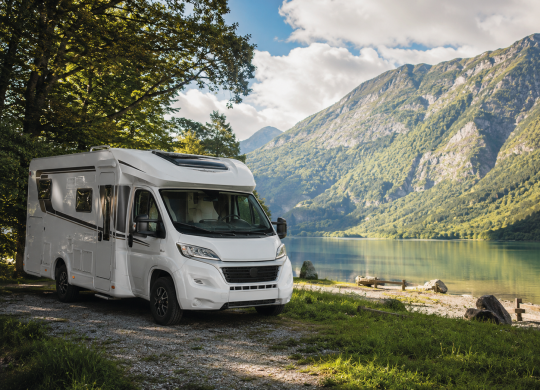
Od 7 lipca 2026 roku w Unii Europejskiej wejdzie w życie nowa faza wymagań dotyczących bezpieczeństwa dla kamperów i przyczep kempingowych. Wszystkie nowe pojazdy zarejestrowane po raz pierwszy po tej dacie muszą być wyposażone w nowoczesne systemy wspomagania kierowcy. Dowiedz się, kogo dotyczą te zmiany, które technologie staną się obowiązkowe oraz czy właściciele już zarejestrowanych kamperów będą musieli dostosować swoje pojazdy
05 lip. 2026
More detailsAll materials and articles are owned by VisitWorld.Today and are protected by international intellectual property regulations. When using materials, approval from VisitWorld.Today is required.