

Czy cudzoziemcy mogą kupować nieruchomości na Kubie: zasady, ceny i rzeczywiste ograniczenia
Table of contents
- Czy obcokrajowcy mogą legalnie kupować nieruchomości na Kubie?
- Regulacje prawne i rola państwa
- Ile kosztuje nieruchomość na Kubie w 2026 roku?
- Procedura zakupu nieruchomości na Kubie dla obcokrajowca
- Podatki, płatności i ograniczenia dla obcokrajowców
- Ograniczenia dla obywateli USA i innych narodowości
- Ryzyka zakupu nieruchomości na Kubie dla obcokrajowców
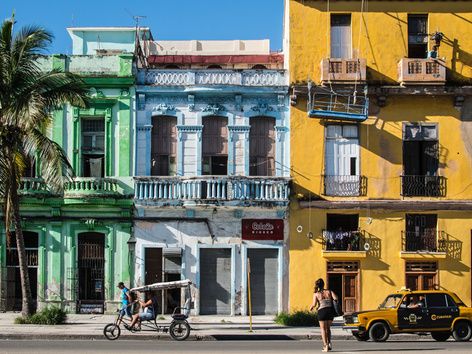
Kuba przyciąga turystów i inwestorów swoim egzotyzmem, oceanem i stosunkowo przystępnymi cenami mieszkań. Jednak zasady zakupu nieruchomości dla cudzoziemców są tutaj jednymi z najostrzejszych na Karaibach, a rzeczywiste możliwości są znacznie ograniczone. Dowiedz się więcej, czy cudzoziemcy mogą legalnie kupować nieruchomości na Kubie i z jakimi niuansami się spotkają

Zakup nieruchomości na Kubie wydaje się być atrakcyjnym pomysłem dla wielu obcokrajowców: ciepły klimat, ocean, unikalna kultura i ceny, które na pierwszy rzut oka wyglądają znacznie niżej niż w Europie czy Ameryce Północnej. W Internecie często pojawiają się historie o "taniej nieruchomości nad morzem" oraz o możliwości inwestowania w karaibską nieruchomość.
Jednak rzeczywistość jest znacznie bardziej skomplikowana. Kuba pozostaje krajem z silną kontrolą państwową nad rynkiem nieruchomości, a zasady dotyczące obcokrajowców mają wiele ograniczeń prawnych i praktycznych niuansów. W tym artykule przeanalizujemy, czy obcokrajowcy mogą kupować nieruchomości na Kubie, ile to naprawdę kosztuje, jak wygląda procedura zakupu oraz jakie ryzyka napotykają nabywcy w praktyce.
W naszym poprzednim artykule poinformowaliśmy, że Georgia podnosi minimalny próg dla wizy inwestora w nieruchomości do 150 000 USD.
Zakup lub sprzedaż nieruchomości to nie tylko decyzja finansowa, ale także złożony proces prawny. Prawnik ds. nieruchomości z Visit World towarzyszy transakcji na każdym etapie: od sprawdzenia dokumentów po ochronę Twoich interesów przy podpisywaniu umowy.
Współpraca ze specjalistą pomoże:
- Zaoszczędzić czas i pieniądze;
- Uniknąć typowych błędów i ukrytych ryzyk;
- Chronić się przed oszukańczymi schematami;
- Pewnie zawrzeć transakcję w każdym kraju na świecie.
Dowiedz się więcej o usłudze konsultacji "Prawnik ds. nieruchomości" na portalu Visit World.

Czy obcokrajowcy mogą legalnie kupować nieruchomości na Kubie?
Kuba pozostaje jednym z nielicznych krajów w regionie Karaibów, gdzie rynek nieruchomości mieszkalnych jest ściśle kontrolowany przez państwo. W przeciwieństwie do większości popularnych miejsc turystycznych, obcokrajowcy tutaj nie mają swobodnego dostępu do zakupu mieszkań czy domów na rynku wtórnym. Samo przebywanie w kraju, posiadanie funduszy czy chęć inwestycji nie daje automatycznie obcokrajowcowi prawa do zostania właścicielem nieruchomości.
Ogólna zasada jest taka, że obywatele obcych krajów nie mogą bezpośrednio kupować nieruchomości mieszkalnych od obywateli kubańskich. Kubańskie prawo nie przewiduje mechanizmu, na podstawie którego obcokrajowiec mógłby ubiegać się o, otrzymać indywidualne pozwolenie od państwa i kupić jakiekolwiek mieszkanie lub dom. Prawo obcokrajowców do posiadania nieruchomości jest ograniczone do wąskich wyjątków, które nie tworzą w pełni rozwiniętego otwartego rynku.
W rzeczywistości tylko niektóre scenariusze posiadania nieruchomości są dostępne dla obcokrajowców. Po pierwsze, jest to nabycie obiektów w ramach specjalnych projektów inwestycyjnych lub turystycznych, które są początkowo tworzone z możliwością udziału obcokrajowców i zatwierdzane przez organy rządowe. Po drugie, obcokrajowiec może kupić nieruchomość od innego obcokrajowca, jeśli jest to obiekt, który już miał status prawny dla obcego właściciela. Takie oferty są rzadkie i głównie skoncentrowane w niektórych dzielnicach Hawany lub kompleksach turystycznych.
"Ominięcia", powszechnie stosowane w praktyce, takie jak rejestrowanie mieszkań na kubańskiego obywatela, nieformalne ustalenia czy ustne umowy, nie zapewniają obcokrajowcowi żadnych gwarancji prawnych. W takich przypadkach obcokrajowiec nie jest faktycznie właścicielem nieruchomości i nie ma ochrony prawnej w przypadku konfliktu, zmiany relacji z formalnym właścicielem lub ingerencji organów rządowych.
Regulacje prawne i rola państwa
Rynek nieruchomości mieszkalnych na Kubie wciąż znajduje się pod ścisłą kontrolą państwową, która ukształtowała się po nacjonalizacji mienia w drugiej połowie XX wieku. Pomimo częściowych reform, państwo zachowuje kluczową rolę w określaniu, kto może posiadać mieszkanie i na jakich warunkach.
Kubańskie prawo pozwala obcokrajowcom uczestniczyć w sektorze nieruchomości tylko w ramach konkretnych projektów inwestycyjnych lub turystycznych zatwierdzonych przez władze państwowe. Nie tworzy to swobodnego dostępu dla obcokrajowców do rynku mieszkań wtórnych i nie pozwala im na zakup zwykłych mieszkań czy domów od obywateli kubańskich.
Wszystkie transakcje nieruchomości podlegają oficjalnej wycenie nieruchomości, notarializacji i rejestracji w organach państwowych. Dla obcokrajowców oznacza to dodatkowe kontrole, procedury biurokratyczne i brak elastyczności, która jest charakterystyczna dla większości otwartych rynków nieruchomości.
W artykule pod linkiem rozważaliśmy możliwości uzyskania obywatelstwa za inwestycje w Karaibach.
Ile kosztuje nieruchomość na Kubie w 2026 roku?
Ceny nieruchomości na Kubie dla obcokrajowców wyglądają atrakcyjnie w porównaniu do innych karaibskich krajów turystycznych, ale większość "tanich" ofert z lokalnego rynku nie jest faktycznie dostępna do legalnego zakupu przez obcokrajowców. Dlatego rzeczywisty budżet dla zagranicznego nabywcy jest zazwyczaj wyższy, niż wydaje się z ogłoszeń dla lokalnych.
Przybliżone ceny nieruchomości:
1. Małe mieszkanie w Hawanie w stanie mieszkalnym - od około 30 000-60 000 USD w zależności od dzielnicy i stanu budynku;
2. Mieszkanie w centralnych rejonach Hawany lub w pobliżu oceanu - średnio od 70 000 do 150 000 USD;
3. Mieszkania w kompleksach turystycznych skierowanych do obcokrajowców - około od 120 000-200 000 USD i więcej;
4. Willa lub domy w lokalizacjach turystycznych - od 200 000-300 000 USD, nieruchomości premium mogą kosztować znacznie więcej.
Oprócz kosztu samej nieruchomości, należy uwzględnić dodatkowe wydatki:
- Podatki i obowiązkowe opłaty rządowe przy zakupie;
- Opłaty notarialne i koszty rejestracji transakcji;
- Naprawy i doprowadzenie nieruchomości do stanu używalności, co często wymaga znacznych inwestycji z powodu degradacji budynków i ograniczonego dostępu do materiałów.
W rezultacie rzeczywisty budżet na zakup nieruchomości na Kubie dla obcokrajowca jest często o 20-40% wyższy niż cena wyjściowa nieruchomości, uwzględniając związane wydatki i naprawy.
Wcześniej informowaliśmy, które programy Złotej Wizy przyniosły najwyższe zwroty inwestorom w 2025 roku.
Procedura zakupu nieruchomości na Kubie dla obcokrajowca
Proces zakupu nieruchomości na Kubie dla obcokrajowców znacznie różni się od standardowych transakcji w większości krajów europejskich. Transakcja przechodzi przez organy rządowe i obejmuje kilka obowiązkowych etapów, bez których przeniesienie własności nie jest uznawane za ważne.
Główne etapy procedury zakupu:
- Sprawdzenie statusu prawnego nieruchomości i czy może być przekazana obcokrajowcowi;
- Oficjalna wycena nieruchomości przez upoważnione organy państwowe;
- Przygotowanie i negocjowanie umowy kupna-sprzedaży;
- Notarializacja transakcji;
- Rejestracja przeniesienia własności w rejestrach państwowych;
- Płatność ceny zakupu przez kubański bank zgodnie z ustalonymi zasadami.
Procedura może zająć więcej czasu niż zwykłe transakcje nieruchomości w innych krajach z powodu inspekcji, zatwierdzeń i formalności biurokratycznych. Dla obcokrajowców oznacza to, że muszą z wyprzedzeniem zaplanować czas transakcji i być przygotowani na dodatkowy czas poświęcony na dokumentację.
Podatki, płatności i ograniczenia dla obcokrajowców
Strona finansowa zakupu nieruchomości na Kubie ma wiele szczególności, które mogą zaskoczyć obcokrajowców. Oprócz ceny nieruchomości, nabywca musi uwzględnić podatki, format płatności i ograniczenia walutowe.
Główne niuanse finansowe przy zakupie nieruchomości:
1. Podatek transakcyjny dla kupującego i sprzedającego - zazwyczaj około 4% wartości oszacowanej dla każdej ze stron;
2. Rozliczenia odbywają się przez kubańskie banki, międzynarodowe programy hipoteczne nie są dostępne dla obcokrajowców;
3. Nieruchomości zazwyczaj kupowane są bez kredytu - nabywca musi mieć pełną kwotę własnych funduszy;
4. Transakcje walutowe są regulowane przez państwo, mogą występować ograniczenia dotyczące transferu funduszy i wymiany;
5. Wypłata funduszy za granicę po sprzedaży nieruchomości może być skomplikowana i wymagać dodatkowych zatwierdzeń.
Z powodu ograniczeń finansowych i walutowych transakcje nieruchomości na Kubie wymagają starannego planowania. Dla obcokrajowców oznacza to nie tylko przygotowanie budżetu na zakup, ale także przemyślenie mechanizmu legalnego transferu funduszy i możliwych trudności z ich późniejszym wycofaniem z kraju.
Ograniczenia dla obywateli USA i innych narodowości
Osobne zasady i praktyczne ograniczenia dotyczą obywateli USA z powodu ustawodawstwa sankcyjnego regulującego transakcje finansowe i majątkowe z Kubą. Nawet jeśli nieruchomość formalnie mieści się w kategoriach dozwolonych dla obcokrajowców, obywatele USA napotykają dodatkowe zakazy dotyczące dokonywania płatności, transferu funduszy i zawierania transakcji związanych z nabywaniem nieruchomości na wyspie. W praktyce oznacza to, że zakup nieruchomości na Kubie do użytku osobistego przez obywateli USA jest niezwykle trudny i często niemożliwy w kontekście przestrzegania amerykańskiego prawa.
Dla obywateli innych krajów nie ma formalnych zakazów sankcyjnych, ale mogą również napotkać ograniczenia ze strony banków i systemów płatności. Z powodu międzynarodowych sankcji i ograniczeń finansowych nie wszystkie banki są gotowe do przeprowadzania transakcji związanych z Kubą, a niektóre transakcje mogą być zablokowane lub opóźnione. To komplikuje proces płatności za zakup, a także dalsze zarządzanie nieruchomością lub wypłatę funduszy w przypadku sprzedaży.
Oprócz ograniczeń finansowych, obcokrajowcy powinni również brać pod uwagę ryzyko polityczne. Przepisy regulacyjne na Kubie mogą się zmieniać, a decyzje rządowe nie zawsze są przewidywalne dla zagranicznych inwestorów. Dlatego zakup nieruchomości na wyspie wymaga nie tylko gotowości finansowej, ale także zrozumienia, że warunki posiadania i dysponowania nieruchomością mogą się zmieniać w czasie.
Ryzyka zakupu nieruchomości na Kubie dla obcokrajowców
Pomimo atrakcyjnych cen i egzotycznej lokalizacji, zakup nieruchomości na Kubie dla obcokrajowców wiąże się z podwyższonym ryzykiem. Kluczowym czynnikiem jest ograniczony i niestabilny status prawny obcej własności, co komplikuje zarówno zakup mieszkań, jak i ich dalszą sprzedaż. Z powodu ścisłej kontroli rządowej zasady mogą być interpretowane lub stosowane różnie w zależności od okoliczności i konkretnych decyzji władz.
Ograniczona płynność rynku to poważne ryzyko. Zakres potencjalnych nabywców nieruchomości dostępnych dla obcokrajowców jest bardzo wąski, więc odsprzedaż nieruchomości może zająć dużo czasu lub być możliwa tylko z istotnym rabatem. To komplikuje niepewność wypłaty funduszy za granicę po sprzedaży, co zmniejsza atrakcyjność inwestycyjną takich transakcji.
Szczególną uwagę należy zwrócić na stan techniczny mieszkań. Wiele budynków na Kubie jest zniszczonych i wymaga poważnych napraw, a dostęp do materiałów i usług jest ograniczony. To oznacza dodatkowe koszty i trudności w utrzymaniu nieruchomości po zakupie. Połączenie ryzyk prawnych, finansowych i technicznych sprawia, że zakup domu na Kubie jest decyzją nietypową i wysokiego ryzyka, a nie klasyczną inwestycją w nieruchomości.
Inwestując w nieruchomości w ramach programu Złotej Wizy, klient często staje przed szeregiem złożonych problemów, ponieważ transakcje w innej jurysdykcji wiążą się z różnymi normami prawnymi, warunkami posiadania i wymaganiami regulacyjnymi. Błędy w umowach, problemy z własnością, długi lub naruszenia warunków programu mogą kosztować inwestora nie tylko pieniądze, ale także status migracyjny.
Prawnik ds. nieruchomości z Visit World pomoże:
- rozwiązać spory między stronami transakcji;
- sprawdzić legalność obiektu i historię własności;
- chronić inwestora w przypadku konfliktów lub roszczeń;
- minimalizować ryzyko przy zakupie nieruchomości na Złotą Wizę.
Skontaktuj się z ekspertami Visit World, aby inwestować spokojnie, bezpiecznie i z gwarancjami prawnymi.
Przypominamy! Andora zaktualizowała zasady dotyczące zezwolenia na pobyt inwestycyjny w 2026 roku. Przeczytaj więcej o tym, jak zmienił się próg inwestycyjny, dlaczego wpłaty stały się bezzwrotne, oraz kto może skorzystać z Funduszu Mieszkaniowego od 400 000 €.
Produkty od Visit World na komfortową podróż:
Przewodnik turystyczny dla 200 krajów;
Porady prawne od lokalnego specjalisty w sprawach wizowych i migracyjnych;
Ubezpieczenie podróżne na całym świecie (proszę wybrać kraj zainteresowania i obywatelstwo, aby otrzymać usługi);
Ubezpieczenie zdrowotne na całym świecie.
Monitorujemy dokładność i aktualność naszych informacji, więc jeśli zauważysz jakiekolwiek błędy lub nieścisłości, proszę skontaktuj się z naszą infolinią.
Frequantly
asked questions
Czy cudzoziemiec może bezpośrednio kupić mieszkanie lub dom od kubańskiego obywatela?
Czy zakup nieruchomości na Kubie daje mi prawo do pozwolenia na pobyt lub obywatelstwa?
Czy możliwe jest legalne wynajmowanie zakupionej nieruchomości turystom?
Czy możliwa jest odsprzedaż nieruchomości na Kubie i wycofanie pieniędzy za granicę?
Czy bezpiecznie jest kupować nieruchomości na Kubie przez pośredników lub „szare schematy”?
Recommended articles
3 min
Investment
Ranking najbogatszych krajów na świecie 2026: kto jest liderem pod względem PKB
Które kraje stały się najbogatsze na świecie w 2026 roku i jak zmienił się globalny ranking w ciągu roku? Nowe wskaźniki ekonomiczne pokazują, kto zdołał zwiększyć PKB, a kto stracił na znaczeniu z powodu inflacji i spowolnienia. Dowiedz się więcej o rankingu najbogatszych krajów na świecie w 2026 roku i głównych zmianach roku
10 lut. 2026
More details3 min
Events
Zimowe Igrzyska Olimpijskie w Mediolanie 2026: nowy format podróżowania po Europie
Zimowe Igrzyska Olimpijskie w Mediolanie w 2026 roku będą pierwszymi igrzyskami tej rangi, które odbędą się w kilku włoskich miastach. Dla podróżnych oznacza to nie tylko wydarzenia sportowe, ale także nowy format podróżowania między różnymi regionami kraju. Dowiedz się więcej o tym, jak udział w Zimowych Igrzyskach Olimpijskich w Mediolanie może całkowicie zmienić sposób, w jaki podróżujesz
08 lut. 2026
More details2 min
Travels
Ukryta Portugalia: 5 Tajnych Miejsc na Cichą i Autentyczną Wakacje
Portugalia to nie tylko Lizbona i popularne kurorty Algarve, ale także dziesiątki autentycznych miejsc, gdzie miejscowi udają się na relaks, unikając turystycznego zgiełku. Poznaj pięć mało znanych miejsc w Portugalii, które uwielbiają miejscowi
07 lut. 2026
More details3 min
Popular
Kraje poza konfliktem: 7 neutralnych miejsc do życia i przeprowadzki
W czasach turbulencji geopolitycznych niektórzy ludzie rozważają przeprowadzkę do krajów, które od dawna prowadzą politykę neutralności i unikały sojuszy wojskowych. Takie państwa oferują względną stabilność i jasne ścieżki do uzyskania rezydencji lub długoterminowego pobytu. Dowiedz się więcej o krajach, które pozostają neutralne i realistycznych opcjach przeprowadzki do nich
09 lut. 2026
More detailsAll materials and articles are owned by VisitWorld.Today and are protected by international intellectual property regulations. When using materials, approval from VisitWorld.Today is required.