

Kuchnia włoska stała się niematerialnym dziedzictwem kulturowym UNESCO: co to oznacza dla świata?
Table of contents
- Dlaczego decyzja UNESCO o wpisaniu Włoch na listę niematerialnego dziedzictwa jest wyjątkowa?
- Jak władze włoskie pracowały nad tym, aby kuchnia kraju uzyskała status UNESCO?
- Jak Włochy zareagowały na uzyskanie statusu niematerialnego dziedzictwa?
- Dlaczego włoska kuchnia zdołała uzyskać status UNESCO?
- Co to oznacza dla światowej gastronomii?
- Jakie inne włoskie dobra kulturowe znajdują się na liście UNESCO?
- Dlaczego włoska kuchnia otrzymała status UNESCO?
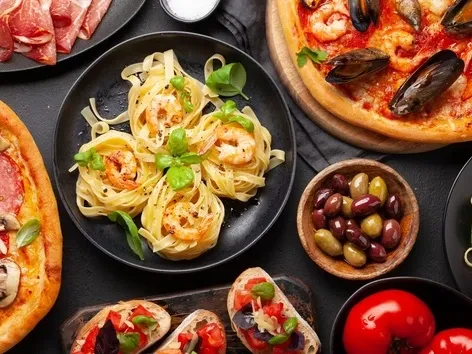
UNESCO oficjalnie uznało kuchnię włoską za niematerialne dziedzictwo kulturowe ludzkości. Opowiemy, dlaczego ta decyzja jest historyczna, co poprzedzało to uznanie i jak wpłynie to na światową gastronomię

Włochy mają nowy powód do narodowej dumy – i jest to zaskakująco smaczne. UNESCO oficjalnie wpisało włoską kuchnię na listę niematerialnego dziedzictwa kulturowego ludzkości. To historyczny moment: po raz pierwszy organizacja uznała nie pojedyncze danie czy technikę, ale całą tradycję gastronomiczną narodu.
Ta decyzja podkreśla prostą, ale ważną prawdę: włoska kuchnia to nie tylko przepisy, to filozofia życia, tradycje rodzinne, szacunek dla produktów oraz ten magiczny moment, gdy rodzina i przyjaciele gromadzą się przy stole.
Podróżujesz do nowych krajów? Przewodnik turystyczny Visit World to wygodne narzędzie, które pomoże Ci przygotować się do podróży bez zbędnych badań. Zawiera: zasady wjazdu i wymagane dokumenty, wskazówki, jak unikać ryzyka podczas podróży, rekomendacje dotyczące transportu, zakwaterowania, bezpieczeństwa, wybór popularnych miejsc i przydatnych usług.
Stwórz przewodnik w kilka minut i podróżuj pewnie!

Dlaczego decyzja UNESCO o wpisaniu Włoch na listę niematerialnego dziedzictwa jest wyjątkowa?
Wcześniej UNESCO osobno uznawało niektóre narodowe dania lub tradycje kulinarne – na przykład tajski tom yam czy sztukę przygotowywania ceviche w Peru.
Teraz, po raz pierwszy w historii świata, organizacja wpisała całą kuchnię jednego kraju na listę jako holistyczne zjawisko kulturowe.
W swojej decyzji UNESCO podkreśla kilka kluczowych aspektów włoskiej gastronomii:
1. Techniki rzemieślnicze i rzemiosło, przekazywane z pokolenia na pokolenie;
2. Głęboki szacunek dla produktów i sezonowości;
3. Wspólnota procesu przygotowywania i spożywania jedzenia;
4. Kulturalny kod zaszyfrowany w tradycjach, gestach, języku i rodzinnych rytuałach przy stole.
W istocie nie chodzi o zachowanie dań, ale całej filozofii życia „made in Italy”.
Jak władze włoskie pracowały nad tym, aby kuchnia kraju uzyskała status UNESCO?
Inicjatywa uznania wyszła od Maddaleny Fossati, redaktor naczelnej Condé Nast Traveller Italia i La Cucina Italiana. To ona, podczas pandemii COVID-19, zdała sobie sprawę, jak bardzo kuchnia jednoczy Włochów i zasugerowała rządowi rozpoczęcie walki o status UNESCO.
To, co nastąpiło, to lata pracy: stworzenie komitetu promującego włoską kuchnię, oficjalne złożenie wniosku, uzasadnienie historycznej, kulturowej i społecznej wartości gastronomii, udział ekspertów, naukowców, szefów kuchni i przedstawicieli regionalnych tradycji kulinarnych. Efektem jest pierwsze na świecie uznanie narodowej kuchni jako niematerialnego dziedzictwa.
Jak Włochy zareagowały na uzyskanie statusu niematerialnego dziedzictwa?
Premier Giorgia Meloni nazwała tę decyzję momentem narodowej dumy. Podkreśliła, że dla Włochów kuchnia zawsze była czymś więcej niż zbiorem składników: to historia regionów, ziemia, z której pochodzą produkty, praca rolników i rzemieślników, a także tradycje rodzinne, które żyją w każdej rodzinie.
Uznanie UNESCO ma również praktyczny skutek. Włochy od lat walczą z rynkiem fałszywych produktów – olejów, serów, sosów, które nie mają nic wspólnego z oryginałem. Międzynarodowy status pomoże lepiej chronić włoskie dziedzictwo gastronomiczne przed podróbkami.
Dlaczego włoska kuchnia zdołała uzyskać status UNESCO?
Włoska kuchnia od dawna stała się globalnym zjawiskiem kulturowym.
Makaron, pizza, risotto, wino, ser, desery – te produkty od dawna wykraczają poza gastronomię i stają się częścią stylu życia.
UNESCO wskazuje, że włoska kuchnia:
- Promuje integrację społeczną i zbliża ludzi z różnych pokoleń;
- Zachowuje tradycje werbalne i niewerbalne – na przykład słynne włoskie gesty;
- Uczy szacunku dla natury, sezonowości i lokalnych produktów;
- Tworzy pamięć kulturową i więzi międzypokoleniowe.
Dlatego jego uznanie nie jest tylko formalnością, ale krokiem w kierunku zachowania unikalnego uniwersum gastronomicznego.
Co to oznacza dla światowej gastronomii?
Decyzja UNESCO może stworzyć precedens. Świat coraz bardziej zdaje sobie sprawę, że kuchnia to krajobraz kulturowy, który zasługuje na taką samą ochronę jak unikalne obiekty architektoniczne czy naturalne.
Włochy stały się pierwszym przykładem, jak kultura gastronomiczna może mieć oficjalny status jako dziedzictwo ludzkości. To otwiera drogę dla innych krajów do zgłaszania swoich tradycji kulinarnych do podobnego uznania.
Jakie inne włoskie dobra kulturowe znajdują się na liście UNESCO?
Przed wpisaniem kuchni, Włochy miały już szereg niematerialnych dóbr kulturowych:
- śpiew operowy (2023),
- neapolitańska sztuka pizzaiolo (2017),
- tradycyjne wytwarzanie skrzypiec w Cremonie (2012),
- dzwonienie na dzwonach ręcznych (2024),
- dieta śródziemnomorska (dzielona z innymi krajami).
Teraz główna duma gastronomiczna kraju dołączyła do listy – cucina italiana.
Dlaczego włoska kuchnia otrzymała status UNESCO?
Włoska kuchnia stała się miejscem światowego dziedzictwa UNESCO, ponieważ jest:
- uniwersalna, a jednocześnie głęboko lokalna;
- prosta w przygotowaniu, a jednocześnie niezwykle filozoficzna;
- demokratyczna, a jednocześnie z 2000-letnią historią;
- intuicyjna, a jednocześnie oparta na precyzyjnych technikach rzemieślniczych;
- jednocześnie gastronomią, rodzinnym rytuałem i sposobem życia.
Nie bez powodu eksperci UNESCO nazwali to praktyką, która "odzwierciedla pomysłowość ludzkości i jej zdolność do tworzenia połączeń."
Frequantly
asked questions
Dlaczego kuchnia włoska otrzymała status dziedzictwa UNESCO?
Jaki wpływ na Włochy będzie miało uzyskanie statusu UNESCO dla kuchni?
Czy inne kuchnie mogą otrzymać ten sam status?
Recommended articles
1 min
Travels
5 przystępnych zimowych destynacji w Europie na 2025 rok: Gdzie podróżować z budżetem i atmosferą
Odkryj przystępne zimowe destynacje w Europie w 2025 roku. Sofia, Budapeszt, Ryga, Sarajewo i Kraków to trasy, gdzie ceny miło zaskakują, a atmosfera tworzy idealną zimową podróż. Dowiedz się o średnim budżecie podróży, a także uzyskaj porady i triki dla podróżników
06 gru. 2025
More details1 min
Travels
8 budżetowych ośrodków narciarskich w Europie w 2025 roku: gdzie jeździć na narty tanio i z jakością
Zimowe podróże do Europy mogą być przystępne i ekscytujące – musisz tylko wiedzieć, dokąd się udać. Dowiedz się, które europejskie ośrodki narciarskie oferują najlepszy stosunek jakości do ceny w 2025 roku
07 gru. 2025
More details1 min
Popular
Największe na świecie zadaszone lodowisko, Grand Palais des Glaces, otworzy się w Paryżu od 13 grudnia 2025 do 7 stycznia 2026. Sprawdź harmonogram, ceny biletów, co nowego w tym sezonie oraz dlaczego to zimowe miejsce stało się jedną z głównych atrakcji świątecznych w stolicy Francji
09 gru. 2025
More details1 min
Popular
Globalna turystyka przeżywa szybki powrót do zdrowia, a globalne megamiasta rywalizują o dominację w jakości życia i atrakcyjności dla podróżnych. Dowiedz się, które miasta zajęły czołowe miejsca w rankingach Euromonitor International na 2025 rok, dlaczego Paryż wciąż jest na szczycie, jakie trendy kształtują przyszłość podróży i jak zmieniają się strategie turystyczne na świecie
09 gru. 2025
More detailsAll materials and articles are owned by VisitWorld.Today and are protected by international intellectual property regulations. When using materials, approval from VisitWorld.Today is required.