

Iceland Named the World's Most Expensive Country in 2026: Prices That Shock Tourists
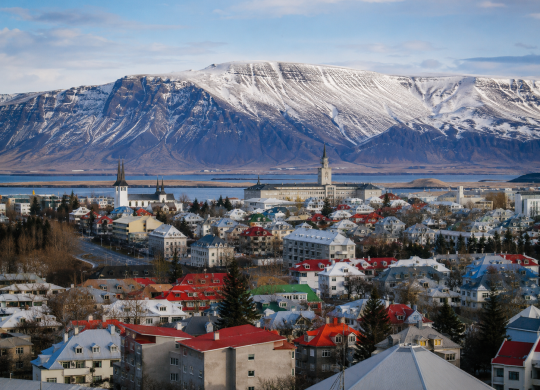
Iceland has topped the list of the world’s most expensive countries, ahead of Switzerland, Norway, and Singapore. High wages, reliance on imports, and a tourism boom have made the island one of the most expensive places to live and travel. Here’s how much housing, food, and leisure will cost in Iceland in 2026

Iceland has long had a reputation as an expensive country, but in 2026 it officially became the world’s most expensive country according to the international database Numbeo. The country surpassed Switzerland, Norway, the Bahamas, and Singapore, which are traditionally considered among the most expensive places to live.
At the same time, high prices do not prevent Iceland from remaining one of Europe’s most popular tourist destinations. Every year, millions of travelers come here to see volcanoes, glaciers, geysers, and the Northern Lights. However, it’s worth assessing your budget in advance: even a simple meal or a night in a hotel can cost significantly more here than in most European countries. In this article, we’ll explore why Iceland has become the most expensive country in the world and what costs tourists should expect.
Earlier, we talked about the European countries where it is easiest to get a work visa and start a career abroad.
Planning to move to Europe or apply for a residence permit? Migration legislation is changing rapidly, and even a minor error in the documents can cost months of waiting or refusal.
Consultation with a migration lawyer will help you assess your chances, choose the optimal type of visa and prepare for filing without risks.
Sign up for a consultation and get a clear action plan now.

Iceland has become the most expensive country in the world: what we know about the new ranking
Iceland officially topped the ranking of the world’s most expensive countries in 2026, surpassing Switzerland, Norway, and Singapore. This conclusion was reached by the international database Numbeo, which analyzes the cost of living, housing prices, food, transportation, and services in various countries.
According to Bloomberg, high prices in Iceland are also confirmed by local economic studies. The Icelandic Confederation of Trade Unions notes that the country has already surpassed Switzerland in terms of overall cost of living, although just a few years ago, Swiss cities were traditionally considered the most expensive in the world.
The top ten most expensive countries also include:
- Norway
- Barbados
- Denmark
- Israel
Housing prices in Iceland are rising particularly rapidly. In recent years, the real estate market has faced significant pressure due to the tourism boom, a limited housing stock, and growing demand for short-term rentals. As a result, even local residents are increasingly complaining about the difficulty of finding affordable housing.
At the same time, high prices do not diminish the country’s popularity among tourists. According to the Icelandic Tourism Board, the number of foreign visitors already exceeds the country’s population—which stands at around 400,000 people—by several times. Today, tourism remains one of the main factors influencing prices in restaurants, hotels, and the service sector.
In our previous article, we discussed why Iceland is ideal for road trips, which regions to include in your itinerary, and what to keep in mind when planning a trip during different seasons.
Why is life in Iceland so expensive?
The main reason for high prices in Iceland is a combination of several factors: a tourism boom, expensive housing, dependence on imports, and high wages. For a small island nation with a population of about 400,000 people, even a slight increase in demand quickly affects the cost of goods and services.
Tourism has become one of the main drivers of rising prices. Millions of travelers visit Iceland every year, putting additional pressure on the housing market, restaurants, transportation, and the service sector. According to Bloomberg, tourists are increasingly competing with locals for housing through short-term rentals on platforms like Airbnb. As a result, apartment rents in popular areas of the country are skyrocketing.
Another problem is dependence on imports. Many food products, household goods, and appliances are delivered to the island by sea or air, which automatically increases their final cost. Due to climatic conditions, even some food is produced at a higher cost than in most European countries.
The difference in food prices is particularly noticeable. According to estimates by Icelandic economists, food prices in the country are approximately 44% higher than the average in other Northern European countries. The cost of dairy products and eggs exceeds comparable figures by about 75%, and meat by more than 70%.
The cost of daily living also remains high. For example:
- A cup of latte in Reykjavík often costs around $8–10
- A glass or pint of beer at a bar can cost $12–15
- Dinner for two at a mid-range restaurant often exceeds $100
- A night in a hotel during the tourist season easily costs $200–300
At the same time, salaries in Iceland are also among the highest in Europe. The average net income after taxes exceeds £3,400 per month. That is why locals partially offset high prices with higher incomes, although the issue of housing affordability has remained one of the most acute in the country in recent years.
Learn more about the possibility of obtaining a digital nomad visa in Iceland by following the link.
How much will it cost to live in Iceland in 2026?
Iceland remains one of the most expensive countries not only to live in but also for tourism. Even a short trip here requires a significantly larger budget than a vacation in most European countries. The largest share of tourists’ expenses goes toward housing, food, and transportation.
Rent in Reykjavík remains among the highest in Northern Europe. A one-bedroom apartment in the city center often costs between $1,800 and $2,300 per month, while prices outside the center typically start at $1,500. Buying real estate is also expensive: the average cost per square meter in the capital can exceed $6,500–8,000.
Food prices also remain high:
- A loaf of bread – about $4–5
- A liter of milk – approximately $2–3
- A dozen eggs – about $6–8
- A kilogram of chicken breast – $18–25
- A kilogram of beef – over $30
Eating out is also significantly more expensive. A budget lunch at a café often costs $20–25 per person, while dinner at a mid-range restaurant can easily exceed $50–70 without drinks. That is why many tourists try to cook some of their own meals or buy groceries at supermarkets.
Transportation is a separate expense category. A single ride on Reykjavik’s public transit costs about $5. Taxis are considered among the most expensive in Europe: even a short ride around the city can cost $15–25.
Car rental is a significant expense for tourists. However, a car is often the most convenient way to travel around the country, as many natural attractions are located far from the capital and are poorly connected by public transportation. During the summer season, renting a compact car often starts at $80–120 per day, while SUVs can cost over $150–250 per day.
As a result, the average tourist budget in Iceland is usually around $180–350 per day, excluding airfare. If you add tours, car rental, and hotel accommodations, expenses can be significantly higher even during a short trip.
In our previous article, we discussed the richest cities and regions in Europe in 2026.
Iceland’s Most Expensive City – Reykjavík
Iceland’s capital is not only the country’s political and cultural center but also remains the most expensive city to live in and visit. This is where the majority of jobs, tourist infrastructure, restaurants, and hotels are concentrated, which further drives prices up.
Reykjavik regularly ranks among the world’s most expensive cities alongside Zurich, Geneva, Singapore, and Hong Kong. High costs are felt in virtually every area: from renting an apartment to a simple trip to the supermarket.
Accommodation remains particularly expensive. During the summer tourist season, a room in a three-star hotel often costs $180–250 per night, while a four-star hotel will set you back $300–500 or more. Even a spot in a hostel often costs $50–80 per night.
Food prices are no less impressive. For example:
- Coffee at popular downtown cafes costs about $5–8
- A burger with a drink – starting at $20
- Pizza for two – approximately $25–40
- A three-course dinner at a good restaurant exceeds $100–130 for two
Tourist activities can also significantly impact your travel budget. A visit to the famous Blue Lagoon geothermal complex costs $70–100 depending on the season and package. Popular whale-watching tours usually start at $80–120 per person, while trips to glaciers, volcanoes, or glacial caves can cost several hundred dollars.
Despite the high prices, Reykjavik attracts hundreds of thousands of tourists every year. The city is considered one of the safest in the world, with low crime rates, clean air, and convenient access to the country’s main natural attractions. That’s why many travelers are willing to put up with the high costs for a unique experience that’s hard to find anywhere else in Europe.
Earlier, we wrote about the happiest cities in the world in 2026.
How to cut costs while traveling to Iceland?
Even in the world’s most expensive country, you can significantly reduce expenses if you plan your trip properly. The biggest savings come from accommodation, transportation, and food.
First and foremost, pay attention to the season. June, July, and August are traditionally considered the most expensive months, when the country sees the highest number of tourists. In May, September, and October, prices for hotels and car rentals can be 20–40% lower, and popular locations are significantly less crowded.
Booking early plays a key role. Due to the limited number of hotels and guesthouses, the best options sell out quickly. Booking 3–6 months before your trip often saves you hundreds of dollars.
Another way to cut costs is to cook your own meals. Iceland has large supermarket chains like Bonus, Krónan, and Nettó, where prices are significantly lower than at cafes and restaurants. For comparison: a meal at a restaurant can cost $20–30, while groceries for a full dinner will cost several times less.
Renting a car remains the most convenient way to travel around the island, but you can save money here as well. If your itinerary is limited to Reykjavík and popular tourist destinations near the capital, it’s sometimes more cost-effective to take bus tours or intercity transportation than to pay for car rental, fuel, and parking.
Although Iceland remains one of the most expensive countries in the world, smart planning can significantly reduce your travel budget without compromising your experience. In many cases, the difference between a spontaneous trip and a well-organized one can amount to hundreds of dollars, even over the course of a single week.
If you are planning to legalize, apply for a residence permit or submit migration documents abroad, the assistance of specialized migration lawyers can significantly simplify the process. Specialists will help you assess your chances of obtaining legal status, prepare a package of documents, avoid common mistakes, and accompany you at all stages of the migration procedure: from the initial consultation to obtaining a decision from the migration authorities.
We remind you! New economic indicators show which countries have been able to increase their GDP and which have lost ground due to inflation and slowing growth. Ranking of the richest countries in the world in 2026 — follow the link.
Products from Visit World for a comfortable trip:
Travel guide for 200 countries;
Legal advice from a local specialist on visa and migration issues;
Travel insurance around the world (please select the country of interest and citizenship to receive services);
Medical insurance all over the world.
We monitor the accuracy and relevance of our information, so if you notice any errors or inconsistencies, please contact our hotline
Frequantly
asked questions
How much money does a tourist need per day in Iceland?
When is the cheapest time to visit Iceland?
Why is food so expensive in Iceland?
Is it possible to travel around Iceland on a budget?
Which is more expensive—Iceland or Switzerland?
Recommended articles
3 min
Popular
The World's Most Prosperous Countries in 2026: A New Global Ranking
Analysts have released a new ranking of the world’s most prosperous countries in 2026. The assessment took into account not only the economy but also safety, healthcare, education, the environment, and quality of life. Find out which countries have emerged as global leaders in terms of well-being and why the Scandinavian countries have consistently held the top spots for years
26 May. 2026
More details3 min
Travels
The Cheapest and Most Expensive European Cities for Vacationing in 2026: A New Ranking
Balkan capitals and cities in Eastern Europe have become the top budget destinations for tourists in 2026. At the same time, vacations in Scandinavia, Switzerland, and popular tourist destinations in Western Europe continue to become rapidly more expensive. Learn more about the most affordable and most expensive cities in Europe for travel in 2026
30 May. 2026
More details3 min
Expats
Life by the ocean on a budget: why the Philippines is becoming a new hub for expats
More and more foreigners are looking for alternatives to expensive countries in Europe and North America. The Philippines attract attention with their affordable prices, English-speaking environment, warm climate, and the opportunity to live by the ocean even on a moderate budget. Learn more about the benefits, costs, and unique aspects of living in the Philippines in 2026
28 May. 2026
More details2 min
Expats
Where is the best place to live in 2026: ranking of the world's most livable cities released
Experts from the Economist Intelligence Unit evaluated 173 cities around the world and identified the best places to live in 2025. This year, the long-time leader of the ranking ceded the top spot to a new winner. Learn more about the world’s most livable cities and the criteria that helped them top the ranking
31 May. 2026
More detailsAll materials and articles are owned by VisitWorld.Today and are protected by international intellectual property regulations. When using materials, approval from VisitWorld.Today is required.