

Ranking płac minimalnych w Europie 2026: liderzy i outsiderzy
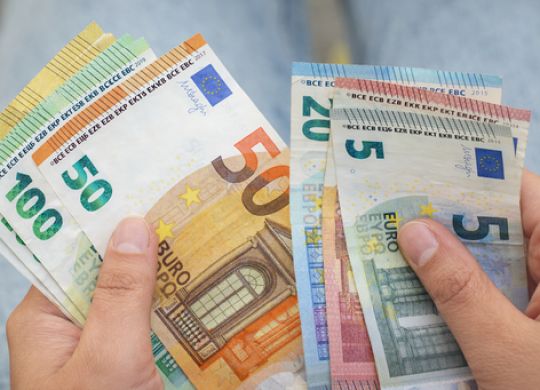
Płace minimalne w krajach europejskich znacznie się różnią: w niektórych krajach przekraczają dwa tysiące euro, podczas gdy w innych są kilkakrotnie niższe. W 2026 roku różnice między krajami stały się jeszcze bardziej wyraźne, szczególnie gdy uwzględni się koszty życia. Dowiedz się więcej, gdzie w Europie płaca minimalna jest najwyższa i co te liczby oznaczają w praktyce

Poziom płacy minimalnej w Europie w 2026 roku pokazuje uderzający kontrast między krajami. W niektórych krajach płaca minimalna przekracza dwa tysiące euro miesięcznie, podczas gdy w innych pozostaje na poziomie kilku setek. Dla tych, którzy planują przeprowadzkę lub szukają pracy za granicą, te liczby często stają się jednym z kluczowych punktów odniesienia.
Dane do tej analizy opierają się na analizach Euronews Business, które wykorzystały oficjalne statystyki Eurostatu z początku 2026 roku. Badanie uwzględnia nie tylko nominalne kwoty płac minimalnych w różnych krajach, ale także wskaźniki siły nabywczej, które pozwalają na bardziej obiektywne porównanie realnych dochodów w różnych częściach Europy.
W tym artykule przyjrzymy się najwyższym i najniższym płacom minimalnym w Europie, dlaczego istnieje tak duża różnica między krajami oraz jak zmienia się obraz, jeśli spojrzymy nie tylko na liczby w euro, ale także na to, ile pieniędzy można faktycznie wydać w codziennym życiu.
Wcześniej rozmawialiśmy o 7 neutralnych krajach poza konfliktami, które są idealne do życia i przeprowadzki.
Planujesz pracować za granicą w 2026 roku? Przewodnik po pracy Visit World pomoże Ci szybko zrozumieć wymagania dotyczące pozwolenia na pracę, listę niezbędnych dokumentów oraz procedurę aplikacyjną. Przewodnik zawiera aktualne zasady zatrudnienia, główne rodzaje zezwoleń, powszechne błędy popełniane przez wnioskodawców oraz praktyczne porady po przeprowadzce. Otrzymasz uporządkowane informacje w formacie PDF w ciągu kilku minut po zamówieniu. Zapoznaj się z przewodnikiem i przygotuj się do pracy za granicą bez stresu.

Liderzy i spóźnialscy w zakresie płacy minimalnej w Europie w 2026 roku
Zgodnie z danymi Eurostatu, miliony pracowników w 22 krajach UE otrzymują płacę minimalną (lub mniej). Dla ułatwienia porównania, kraje są warunkowo podzielone na trzy grupy według poziomu płac minimalnych w 2026 roku. Ta gradacja wyraźnie pokazuje skalę różnicy między "najlepszymi" a krajami z najniższymi stawkami.
Powyżej 1 500 euro miesięcznie
Do tej grupy należą kraje z najwyższymi minimalnymi wynagrodzeniami. Luksemburg pozostaje absolutnym liderem (ponad 2 700 €). Irlandia, Niemcy, Holandia i Belgia również znajdują się w czołówce. Nawet najniższa kwota w tej kategorii (Francja) jest znacznie wyższa niż płace minimalne w większości innych krajów europejskich.
Od 1 000 do 1 500 euro
Środkowy segment tworzą kraje Europy Południowej i Środkowej: Hiszpania, Słowenia, Litwa, Polska, Cypr, Portugalia, Chorwacja i Grecja. Tutaj płace minimalne nie wyglądają już tak "wysoko" w porównaniu do Europy Zachodniej, ale wciąż zapewniają stosunkowo stabilny podstawowy dochód dla pracowników.
Mniej niż 1 000 euro
Największą grupę stanowią kraje z płacami minimalnymi poniżej 1 000 €. Bułgaria ma najniższą stawkę wśród członków UE. Sytuacja jest jeszcze bardziej skomplikowana w krajach spoza UE: w szczególności w Albanii, Turcji i Mołdawii płaca minimalna jest znacznie niższa niż w większości krajów UE.

Należy również pamiętać, że w wielu rozwiniętych krajach europejskich (Włochy, Austria, Szwecja, Dania, Finlandia) nie ma krajowej płacy minimalnej. Poziom wynagrodzenia tam określany jest przez umowy zbiorowe między pracodawcami a związkami zawodowymi. Utrudnia to bezpośrednie porównania, ponieważ w tych krajach nie ma formalnej "płacy minimalnej" jako jednego wskaźnika.
Więcej informacji na temat krajów, które prawdopodobnie wezmą udział w III wojnie światowej oraz TOP najbezpieczniejszych krajów na świecie można znaleźć pod tym linkiem.
Siła nabywcza: rzeczywisty obraz dochodów w krajach europejskich
Porównywanie płac minimalnych tylko w euro nie jest całkowicie poprawne, ponieważ koszty życia w różnych krajach europejskich znacznie się różnią. To, co na papierze wygląda na "wysoką" kwotę, może pokryć jedynie podstawowe wydatki w drogich krajach, podczas gdy w tańszych może zapewnić stosunkowo komfortowy standard życia. Dlatego wskaźnik siły nabywczej jest używany do bardziej obiektywnego porównania.
Eurostat przelicza nominalne wynagrodzenia na euro, używając współczynnika parytetu siły nabywczej (PPP) i przelicza je na tzw. jednostki PPS. To podejście pokazuje nie tylko kwotę płatności, ale także to, ile dóbr i usług można faktycznie kupić za te pieniądze w każdym kraju.
Jeśli spojrzeć na płace minimalne w kategoriach PPS, różnica między krajami staje się zauważalnie mniejsza. Na przykład Niemcy zajmują pierwsze miejsce pod względem rzeczywistej "wartości" płacy minimalnej, wyprzedzając nawet Luksemburg. Jednocześnie niektóre kraje radykalnie zmieniają swoje pozycje w rankingu: Rumunia znacznie awansuje dzięki niższym cenom w kraju, podczas gdy Czechy i Estonia, wręcz przeciwnie, tracą grunt z powodu stosunkowo wysokich kosztów życia.

W materiale dostępnym pod tym linkiem przeanalizowaliśmy ranking Henley Passport Index 2026 najpotężniejszych paszportów i miejsce w nim wiodących krajów.
Dynamika i przyczyny różnic w poziomie płacy minimalnej w 2026 roku
W 2026 roku zmiany w płacach minimalnych nie wystąpiły we wszystkich krajach europejskich. Niektórzy pracownicy w ogóle nie zauważyli wzrostu wynagrodzenia w porównaniu do drugiej połowy 2025 roku. Jednocześnie w niektórych krajach płaca minimalna wzrosła dość znacząco, co częściowo zawęziło różnicę między "biedniejszymi" a "bogatszymi" krajami europejskimi.
Najdynamiczniejsze wzrosty płac minimalnych odnotowano w Bułgarii, Węgrzech i Litwie, które wykazały najszybsze tempo wzrostu w 2026 roku. W innych krajach zmiany były znacznie skromniejsze lub płaca minimalna pozostała na tym samym poziomie.
Eksperci Europejskiego Instytutu Związków Zawodowych wskazują kilka kluczowych powodów, dla których istnieje tak duża różnica w poziomie płac minimalnych między krajami.
1. Po pierwsze, to ogólny poziom wydajności pracy: gospodarki z silnymi sektorami finansowymi, technologicznymi i przemysłowymi są w stanie zapewnić wyższe podstawowe wynagrodzenia.
2. Po drugie, wpływ związków zawodowych i siła negocjacji zbiorowych odgrywają ważną rolę. Tam, gdzie siła negocjacyjna pracowników jest silniejsza, płace mają tendencję do szybszego wzrostu.
3. Po trzecie, struktura gospodarki ma znaczenie: bardziej zindustrializowane kraje tradycyjnie przewyższają kraje z przeważającym sektorem rolnym.
Jeśli planujesz pracować za granicą w 2026 roku i chcesz lepiej zrozumieć zasady zatrudnienia, pozwolenia na pracę, podatki i podstawowe prawa pracowników, warto przygotować się do przeprowadzki z wyprzedzeniem. Praktyczny przewodnik po pracy Visit World pomoże Ci zrozumieć aktualne wymagania, rodzaje pozwoleń na pracę oraz kroki, które należy podjąć po przyjeździe, aby uniknąć powszechnych błędów i czuć się pewnie w nowym życiu za granicą.
Przypominamy! Które kraje stały się najbogatsze na świecie w 2026 roku i jak zmienił się globalny ranking w ciągu roku? Nowe wskaźniki ekonomiczne pokazują, kto był w stanie zwiększyć swoje PKB, a kto stracił grunt z powodu inflacji i spowolnienia wzrostu. Ranking najbogatszych krajów na świecie w 2026 roku i główne zmiany roku można znaleźć pod tym linkiem.
Produkty z Visit World na komfortową podróż:
Przewodnik turystyczny dla 200 krajów;
Porady prawne od lokalnego specjalisty w sprawach wizowych i migracyjnych;
Ubezpieczenie podróżne na całym świecie (proszę wybrać kraj zainteresowania i obywatelstwo, aby otrzymać usługi);
Ubezpieczenie zdrowotne na całym świecie.
Monitorujemy dokładność i aktualność naszych informacji, więc jeśli zauważysz jakiekolwiek błędy lub nieścisłości, prosimy o kontakt z naszą infolinią.
Frequantly
asked questions
Który kraj europejski ma najwyższą płacę minimalną w 2026 roku?
Gdzie w Europie jest najniższa płaca minimalna?
Dlaczego nie powinniśmy porównywać płac minimalnych tylko według kwoty w euro?
Które kraje europejskie nie mają krajowej płacy minimalnej?
W których krajach płaca minimalna rosła najszybciej w 2026 roku?
Czy wysoka płaca minimalna gwarantuje lepszy standard życia?
Na co powinienem zwrócić uwagę wybierając kraj do pracy w Europie?
Recommended articles
2 min
Employment
Wysoko opłacane zawody bez dyplomu licencjata to rzeczywistość. Dowiedz się o 15 zawodach z wynagrodzeniem zaczynającym się od 60 000 dolarów, wymaganiach zawodowych i perspektywach wzrostu na lata 2024–2034
02 sty. 2026
More details3 min
Work
Pozytywna lista zawodów w Danii 2026: kogo kraj jest gotów szybciej zatrudnić?
W 2026 roku Dania dostosuje swoje podejście do przyciągania zagranicznych pracowników, koncentrując się na konkretnych zawodach i rzeczywistych potrzebach gospodarki. Zaktualizowane pozytywne listy pokazują, kto będzie miał łatwiej w legalnym zatrudnieniu i budowaniu kariery w kraju w najbliższej przyszłości. Dowiedz się więcej o tym, jak te zmiany otwierają nowe możliwości dla zagranicznych specjalistów w Danii
07 lut. 2026
More details3 min
Work
Otwarte zezwolenie na pracę w Kanadzie pozostanie ważne w 2026 roku, ale warunki jego uzyskania stały się znacznie surowsze. Wiele osób ubiegających się o nie nie spełnia już zaktualizowanych kryteriów z powodu zmian w polityce imigracyjnej. Dowiedz się więcej o tym, kto obecnie kwalifikuje się do Otwartego Zezwolenia na Pracę w Kanadzie
04 lut. 2026
More details3 min
Work
USA rozszerza program H-2B w 2026 roku: +64 716 wiz dla pracowników tymczasowych
W roku fiskalnym 2026 rząd USA przyjął tymczasową zasadę, która znacząco zwiększa liczbę wiz H-2B dla zagranicznych pracowników w sektorach pozarolniczych. Decyzja ma na celu zaspokojenie niedoborów siły roboczej w kluczowych branżach i wsparcie przedsiębiorstw. Dowiedz się więcej o wymaganiach dotyczących wiz H-2B, nowych kwotach i ważnych terminach składania wniosków w 2026 roku
09 lut. 2026
More detailsAll materials and articles are owned by VisitWorld.Today and are protected by international intellectual property regulations. When using materials, approval from VisitWorld.Today is required.