

Ekonomiczne konsekwencje wojny USA-Iran: co się dzieje z ropą, logistyką i rynkami globalnymi
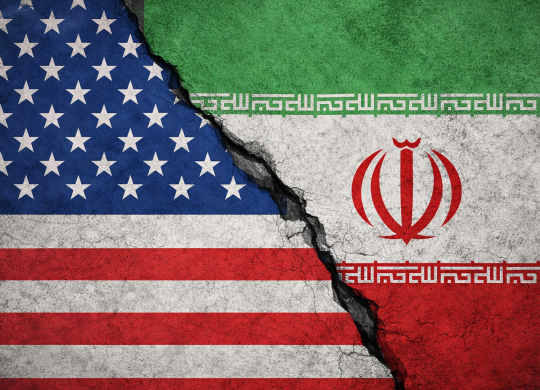
Escalacja konfliktu między Stanami Zjednoczonymi, Izraelem a Iranem zaczyna wpływać nie tylko na Bliski Wschód, ale także na globalną gospodarkę. Łańcuchy dostaw są zakłócane, koszty energii i transportu rosną. Dowiedz się więcej o tym, jak nowa fala napięć może zmienić rynki globalne i handel międzynarodowy

Escalacja konfliktu między Stanami Zjednoczonymi, Izraelem a Iranem już zaczyna wpływać na globalną gospodarkę. Z powodu zagrożeń bezpieczeństwa w Zatoce Perskiej, szlaki handlowe są zakłócone, koszty transportu rosną, a niestabilność na rynkach finansowych wzrasta. O tym informuje Bloomberg.
Eksperci zwracają szczególną uwagę na Cieśninę Ormuz, strategiczny szlak, przez który przechodzi znaczna część światowych dostaw ropy naftowej i skroplonego gazu ziemnego. Jakiekolwiek zakłócenia w tym regionie mogą szybko wpłynąć na ceny energii, handel międzynarodowy i globalne łańcuchy dostaw.
W naszym poprzednim artykule mówiliśmy o skali irańskiego ostrzału i konsekwencjach dla dotkniętych krajów.
Podczas podróży do regionów, w których sytuacja bezpieczeństwa może się szybko zmieniać, warto zadbać o dodatkową ochronę. Zwykłe ubezpieczenie podróżne nie zawsze pokrywa ryzyko związane z wydarzeniami militarnymi lub innymi sytuacjami awaryjnymi. Platforma Visit World oferuje polisy ubezpieczeniowe dla podróżnych, które obejmują ryzyko militarne w różnych krajach. Taka polisa może pomóc w uzyskaniu opieki medycznej, zwrocie kosztów lub wsparciu w przypadku nieprzewidzianych sytuacji podczas podróży.

Jak wojna na Bliskim Wschodzie wpływa na globalną gospodarkę?
Escalacja konfliktu między Stanami Zjednoczonymi, Izraelem a Iranem już stwarza poważne ryzyko dla globalnej gospodarki. Zakłócenia bezpieczeństwa w Zatoce Perskiej wpływają na handel międzynarodowy, logistykę i rynki energetyczne, ponieważ ten region jest jednym z kluczowych węzłów transportowych dla globalnych dostaw.
Jednym z głównych problemów była sytuacja wokół Cieśniny Ormuz, strategicznego korytarza morskiego, przez który przechodzi około jednej piątej światowych dostaw ropy naftowej i skroplonego gazu ziemnego. Z powodu zagrożenia atakami militarnymi, żegluga w tym rejonie znacznie zmniejszyła się, a niektórzy przewoźnicy tymczasowo zawiesili operacje na trasach.
Transport towarów lotniczych również napotkał problemy. Z powodu ograniczeń w lotach na Bliskim Wschodzie, niektóre loty zostały tymczasowo odwołane, co doprowadziło do opóźnień w dostawach towarów. Eksperci zauważają, że w pewnym momencie globalna logistyka lotnicza straciła do 18% swojej pojemności ładunkowej, co mogłoby prowadzić do gwałtownego wzrostu kosztów transportu.
Oprócz energii, zakłócenia w funkcjonowaniu portów i szlaków transportowych mogą wpłynąć na dostawy różnych surowców: od nawozów i metali po materiały budowlane. Dlatego nawet krótkoterminowe zakłócenia w logistyce mogą wywołać reakcję łańcuchową w różnych sektorach globalnej gospodarki.

Wpływ zakłóceń w żegludze przez Cieśninę Ormuz na kraje Zatoki i Afryki. Źródło: Bloomberg.
Rynki, logistyka i handel globalny: jakie skutki są już widoczne
Rynki finansowe już zaczęły reagować na ryzyko związane z eskalacją konfliktu na Bliskim Wschodzie. Inwestorzy obawiają się wzrostu inflacji z powodu możliwych zakłóceń w dostawach energii i wyższych kosztów transportu. Obserwuje się wahania na rynkach akcji, walut i obligacji, co wskazuje na zwiększoną niepewność w globalnej gospodarce.
Według Kristaliny Georgiewej, dyrektor zarządzającej Międzynarodowego Funduszu Walutowego, globalna gospodarka wciąż wykazuje pewną odporność na czynniki kryzysowe. Jednak margines tej odporności stopniowo maleje, a wiele krajów wchodzi w nowy okres globalnej niestabilności z ograniczonymi zasobami finansowymi.
Ekonomiści uważają, że największe ryzyka związane są z rynkami energetycznymi. W przypadku długotrwałych zakłóceń w szlakach morskich, azjatyckie kraje takie jak Chiny, Indie, Japonia i Korea Południowa, które są głównymi nabywcami ropy z Zatoki Perskiej, mogą ucierpieć najbardziej. Dla tych gospodarek nawet krótkoterminowe ograniczenie dostaw może prowadzić do wyższych kosztów energii i produkcji.
Jednocześnie przez porty Zatoki nie przechodzą tylko nośniki energii. Duża część światowych dostaw innych surowców również zależy od stabilności tego regionu. W szczególności około:
- Około 7% globalnych eksportów nawozów;
- Prawie 6% metali szlachetnych;
- Ponad 5% aluminium i produktów aluminiowych;
- Ponad 4% cementu i innych materiałów nienaftowych.
Jakiekolwiek zakłócenia w transporcie takich surowców mogą wpłynąć na różne branże, od budownictwa po elektronikę i farmaceutyki.

Dynamika cen detalicznych benzyny w USA w obliczu napięć geopolitycznych na Bliskim Wschodzie. Źródło: Bloomberg.
Sytuacja wpłynęła również na globalną logistykę. Z powodu zagrożeń bezpieczeństwa, niektórzy przewoźnicy kontenerowi zawiesili rezerwacje na trasach między Azją a Bliskim Wschodem. Obecnie ponad 100 statków kontenerowych pozostaje w Zatoce Perskiej, nie mogąc opuścić regionu.
Już powoduje to zatory w portach w innych częściach świata. Na przykład w indyjskim porcie Nava Sheba w pobliżu Mumbaju nastąpił gwałtowny wzrost zatorów - z około 10% do 64%. Podobna sytuacja występuje w portach Singapuru i Kolombo, które są zmuszone przyjmować dodatkowe przepływy ładunków.
Firmy logistyczne już zaczęły dostosowywać swoje trasy. Niektórzy operatorzy, w szczególności międzynarodowe usługi dostawcze, przekierowują ładunki do alternatywnych lotnisk i częściej korzystają z transportu lądowego, aby uniknąć opóźnień w regionie.

Eksport nawozów azotowych z krajów Zatoki w ostatnich latach. Źródło: Bloomberg.
Wydatki monetarne krajów na operacje militarne: szacunki i liczby
Konflikty zbrojne zawsze mają znaczący koszt ekonomiczny. Nawet krótkoterminowe działania wojenne mogą kosztować państwa setki milionów dolarów, podczas gdy długotrwałe kampanie mogą kosztować dziesiątki miliardów. W przypadku konfrontacji między Iranem, Stanami Zjednoczonymi a Izraelem, rakiety, systemy obrony powietrznej, uderzenia przechwytujące i wsparcie logistyczne dla operacji stanowią znaczną część kosztów.
Iran
Finansowe koszty Iranu można w przybliżeniu oszacować na podstawie kosztów rakiet i dronów używanych w atakach. Eksperci szacują, że cena najtańszych irańskich rakiet wynosi około 250 tysięcy dolarów, podczas gdy bardziej zaawansowane systemy mogą kosztować do 8 milionów dolarów za sztukę.
Z dostępnych danych wynika, że irańskie siły wystrzeliły ponad 170 rakiet w zaledwie jeden dzień. Nawet jeśli założymy, że użyto tylko tańszych typów broni, koszt takich uderzeń mógłby przekroczyć 40 milionów dolarów.
Osobną pozycją wydatków są drony. Koszt jednego drona Shahed szacuje się na około 30 tysięcy dolarów. Według ekspertów, w połączeniu z atakami rakietowymi, Iran może wydawać do 110 milionów dolarów dziennie na takie operacje, a w miesiącu aktywnych działań wojennych ta kwota może przekroczyć 3 miliardy dolarów.
W naszym poprzednim artykule mówiliśmy o skali irańskiego ostrzału i konsekwencjach dla dotkniętych krajów.
USA
Stany Zjednoczone również ponoszą znaczące koszty, chociaż niektóre z nich są związane nie tylko z bezpośrednimi działaniami wojennymi, ale także z wspieraniem swoich sojuszników w regionie. Według badań analitycznych, od października 2023 do początku 2026 roku, Stany Zjednoczone wydały około 34 miliardów dolarów na konflikty na Bliskim Wschodzie, z czego znaczna część została przeznaczona na pomoc wojskową dla Izraela.
Eksperci szacują potencjalny dzienny koszt wojny USA przeciwko Iranowi na około 30 milionów dolarów, w zakresie bezpośrednich operacji wojskowych. W tym scenariuszu nawet krótka kampania trwająca miesiąc mogłaby kosztować około 900 milionów dolarów.
Jednak rzeczywiste koszty mogą być wyższe, ponieważ obejmują koszty rozmieszczenia sił zbrojnych, logistyki, siły powietrznej i wsparcia dla sojuszników w regionie.
Izrael
Dla Izraela koszt wojny może być jeszcze wyższy, ponieważ kraj aktywnie korzysta z drogich systemów obrony przeciwrakietowej do przechwytywania ataków. Analitycy szacują, że przechwytywanie irańskich rakiet kosztuje samo w sobie do 200 milionów dolarów dziennie.
Osobno znaczne koszty wiążą się z używaniem systemów obrony przeciwrakietowej Arrow-2 i Arrow-3, zaprojektowanych do przechwytywania rakiet balistycznych. Koszt wystrzelenia jednej rakiety przechwytującej szacuje się na około 3-4 miliony dolarów.
Według izraelskich ekonomistów, miesiąc wojny przeciwko Iranowi może kosztować kraj około 12 miliardów dolarów. Dla porównania, to prawie trzy razy więcej niż koszt miesięcznej wojny Ukrainy przeciwko Rosji.
Aby dowiedzieć się więcej o gwałtownym wzroście cen ropy z powodu konfliktu na Bliskim Wschodzie, prosimy o śledzenie linku.
Jakie są długoterminowe konsekwencje dla globalnej gospodarki?
Ekonomiści twierdzą, że ogólny wpływ konfliktu na globalny PKB może pozostać stosunkowo ograniczony na razie, jeśli eskalacja nie potrwa długo. Jednak nawet krótkoterminowe zakłócenia w handlu i logistyce już stwarzają dodatkowe ryzyka dla rynków globalnych.
Sektor energetyczny pozostaje jednym z głównych czynników. Jakiekolwiek ograniczenia w transporcie ropy naftowej i skroplonego gazu ziemnego przez Zatokę Perską mogą szybko prowadzić do wzrostu cen energii. To z kolei wpływa na produkcję, transport i koszty towarów w różnych krajach.
Innym ważnym skutkiem mogą być problemy w globalnych łańcuchach dostaw. Przekierowanie przepływów ładunków wywiera większą presję na alternatywne porty i szlaki transportowe. To zwiększa czas dostawy towarów i podnosi koszty dla firm działających na rynkach międzynarodowych.
Eksperci przypominają również, że wiele firm stało się lepiej przygotowanych na sytuacje kryzysowe po pandemii COVID-19. Jednak w przypadku długotrwałej eskalacji konfliktu, nawet te mechanizmy adaptacyjne mogą okazać się niewystarczające, a globalna gospodarka stanie przed nowymi wyzwaniami.
Przed podróżą do jakiegokolwiek kraju ważne jest nie tylko śledzenie wiadomości, ale także zadbanie o własne bezpieczeństwo finansowe i medyczne. Posiadanie ubezpieczenia obejmującego ryzyko militarne może być ważnym elementem ochrony podczas podróży do regionów o wysokim poziomie napięcia. W Visit World możesz wykupić międzynarodowe ubezpieczenie obejmujące ryzyka związane z wydarzeniami militarnymi. To pomoże Ci czuć się pewniej podczas podróży i być przygotowanym na nieprzewidziane sytuacje.
Przypominamy! Niektóre kraje to państwa wyspiarskie o neutralności politycznej, co oznacza, że prawdopodobieństwo konfliktu zbrojnego jest dość niskie. Przeczytaj więcej o krajach, które mogą wziąć udział w III wojnie światowej i najbezpieczniejszych krajach na świecie.
Produkty z Visit World na komfortową podróż:
Przewodnik podróżny dla 200 krajów;
Porady prawne od lokalnego specjalisty w sprawach wizowych i migracyjnych;
Ubezpieczenie podróżne na całym świecie (proszę wybrać kraj zainteresowania i obywatelstwo, aby otrzymać usługi);
Ubezpieczenie zdrowotne na całym świecie.
Monitorujemy dokładność i aktualność naszych informacji, więc jeśli zauważysz jakiekolwiek błędy lub nieścisłości, prosimy o kontakt z naszą infolinią
Frequantly
asked questions
Dlaczego Cieśnina Ormuz jest tak ważna dla globalnej gospodarki?
Które kraje mogą być najbardziej dotknięte zakłóceniami w dostawach ropy?
Czy wojna może wpłynąć na globalne ceny towarów?
Ile może kosztować wojna kraje zaangażowane w konflikt?
Czy świat jest gotowy na takie zawirowania gospodarcze?
Recommended articles
3 min
Popular
Irański atak rakietowy na 11 krajów: ponad 460 rakiet i 350 dronów w ciągu dwóch dni
Bliski Wschód doświadcza największej eskalacji militarnej w ostatnich latach. Iran przeprowadził masowe ataki na kraje w regionie, co skutkowało śmiercią i obrażeniami wśród ludności cywilnej w kilku krajach. Dowiedz się więcej o skali ataków Iranu i konsekwencjach dla dotkniętych krajów
02 mar. 2026
More details3 min
Popular
Ceny ropy wzrosły gwałtownie po eskalacji konfliktu wokół Iranu, a rynki już uwzględniają ryzyko dużej konfrontacji na Bliskim Wschodzie. Czy sytuacja ograniczy się do krótkoterminowego wstrząsu, czy świat wchodzi w głębszy kryzys geopolityczny? Dowiedz się więcej o możliwych scenariuszach i ich globalnych implikacjach
02 mar. 2026
More details3 min
Popular
Ceny biletów lotniczych między Europą, Azją a Australią gwałtownie wzrosły po zamknięciu części przestrzeni powietrznej Bliskiego Wschodu z powodu wojny między Stanami Zjednoczonymi a Izraelem przeciwko Iranowi. Pasażerowie masowo zmieniają rezerwacje lotów, a niektóre trasy są już wyprzedane na kilka dni do przodu. Dowiedz się więcej o tym, jak konflikt wpływa na globalne podróże lotnicze i ceny biletów
05 mar. 2026
More details3 min
Travels
Kryzys turystyczny na Bliskim Wschodzie: eksperci przewidują spadek liczby turystów o nawet 30%
Escalacja konfliktu na Bliskim Wschodzie już zaczęła mieć dramatyczny wpływ na sektor turystyczny w regionie. Analitycy przewidują znaczące zmniejszenie międzynarodowych podróży, masowe odwołania i miliardy dolarów strat dla gospodarek popularnych destynacji turystycznych. Dowiedz się więcej o tym, ilu turystów region może stracić i jak konflikt zmienia globalny rynek podróży
05 mar. 2026
More detailsAll materials and articles are owned by VisitWorld.Today and are protected by international intellectual property regulations. When using materials, approval from VisitWorld.Today is required.