

How to Overcome Jet Lag Faster: What to Eat and Drink After a Flight
Table of contents
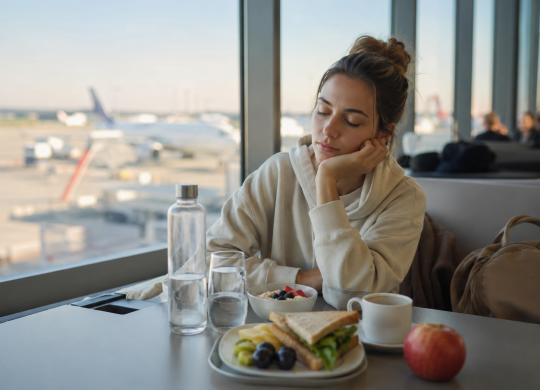
After a long flight, it may take your body a few days to adjust to the new time zone. Learn more about which foods and drinks can help reduce fatigue, sleep problems, and digestive discomfort—and what you should avoid while traveling

Jet lag occurs after quickly crossing several time zones, when a person’s internal biological clock continues to operate according to its previous schedule. As a result, travelers may experience daytime sleepiness, nighttime insomnia, headaches, difficulty concentrating, and digestive problems. This condition is temporary, but it can significantly spoil the first few days of a vacation or business trip.
It’s impossible to completely avoid jet lag, but its symptoms can be alleviated. Not only does sleeping according to local time play an important role, but so do eating habits, adequate water intake, and the proper use of caffeine. Experts also advise avoiding alcohol, which can impair sleep quality and increase feelings of fatigue after a flight.
Upon arrival, it’s best to switch to the local meal schedule as soon as possible, opting for small portions and foods your body is accustomed to. At the same time, drinking water before, during, and after the flight helps reduce the effects of dry cabin air and dehydration, which often worsen jet lag symptoms.
Here’s what to eat and drink during long trips, when it’s best to have coffee, and why alcohol on a plane doesn’t help you fall asleep faster.
In our previous article, we discussed how to choose safe accommodation, avoid mistakes, and book a hotel without unnecessary expenses.
Planning a trip abroad and want to protect yourself from unforeseen situations?
Travel insurance from Visit World will cover medical expenses, flight delays, and lost luggage in any country. Get a policy online in a few minutes and travel with confidence!

What is jet lag and why does it affect digestion?
Jet lag occurs when the body’s internal clock can’t adjust quickly enough after a rapid change in time zones. You’re already in a new country, but your sleep, appetite, and hormone production are still operating on the old schedule.
This can lead to:
- Insomnia or waking up too early
- Drowsiness and fatigue during the day
- Decreased concentration
- Headaches
- Bloating, constipation, or indigestion
- Lack of appetite at the usual local mealtimes
The digestive system also has its own circadian rhythm. If your body is used to eating at different times, a heavy lunch or late dinner after a flight can exacerbate discomfort. Therefore, during the first few days, it’s best not to overeat, to choose simple meals, and to gradually transition to the local eating schedule.
Food alone does not cure jet lag. However, a regular meal schedule, drinking enough water, and avoiding alcohol can help reduce fatigue and make the adjustment easier.
We previously wrote about The Top 10 Most Dangerous Airports in the World: The Most Extreme Places to Take Off and Land.
Adjust Your Meal Times to Local Time
Upon arrival, it’s best to switch to the destination country’s meal schedule as soon as possible. If it’s morning by local time, have breakfast—even if it’s already evening back home. This helps your body receive an additional cue to reset its circadian rhythm.
A few days before a long-haul flight, you can gradually shift your mealtimes by one hour in the desired direction. Upon arrival, don’t wait for your appetite to fully adjust: it’s better to eat small portions at the times that are customary for the new time zone.
Practical tips:
- Eat breakfast according to local time
- Don’t delay your main meal until late at night
- Choose small portions on the first day
- Don’t force yourself to eat heavy meals if you’re not hungry
- Avoid random snacking throughout the night
Studies also suggest that a heartier breakfast and an early dinner can help speed up the adjustment process. However, you shouldn’t skip meals unnecessarily, especially if you have diabetes, gastrointestinal disorders, or follow a special diet.
In our previous article, we explained how to find cheap last-minute flights using Skyscanner’s tips.
What foods should you choose after a flight?
In the first few hours after arrival, it’s best not to overload your digestive system. Choose simple dishes with moderate amounts of fat, salt, and sugar.
The best options are:
- Oatmeal, eggs, or yogurt for breakfast
- Rice, vegetables, soup, fish, or lean meat for lunch
- Fruit, nuts, or a light sandwich for a snack
- A small portion for dinner
Fatty foods, large portions, spicy dishes, and excessive sweets can worsen bloating, heartburn, and a feeling of heaviness. It’s also best to try unfamiliar local dishes gradually, especially after a night flight.
The main principle is simple: food should sustain your energy, not put an extra strain on your body.
Learn more about the world’s most beautiful airports in 2026 according to the Prix Versailles ranking by following the link.
How much water should you drink during a flight?
The dry air in the airplane cabin can increase thirst, headaches, and fatigue. Therefore, you should drink water regularly before, during, and after the flight, without waiting until you feel very thirsty.
The simplest rules:
- Get some water after passing through security
- Drink in small sips throughout the flight
- Increase your fluid intake after drinking coffee
- Don’t substitute water with sugary carbonated drinks
- After arrival, continue drinking water throughout the day
There is no one-size-fits-all rule: your needs depend on flight duration, temperature, activity level, and health. It’s best to pay attention to thirst, dry mouth, and the color of your urine. A very dark color may indicate dehydration.
In a previous article, we discussed Europe’s “trap airports”—the destinations where travelers actually end up after purchasing cheap airline tickets.
Coffee and Energy Drinks: When They Can Help
Caffeine can temporarily reduce drowsiness, but it’s important to consider the local time. It’s best to drink coffee or strong tea in the morning or during the first half of the day after arrival.
Things to Keep in Mind:
- Don’t drink coffee in the evening according to local time
- Don’t use caffeine as a substitute for sleep
- Avoid drinking several energy drinks in a row
- Do not mix energy drinks with alcohol
- Watch for whether caffeine increases your heart rate, anxiety, or headaches
Energy drinks have a more intense effect due to the combination of caffeine and sugar, so fatigue may return after a brief burst of energy. To adjust, it’s better to rely on moderate amounts of coffee, daylight, and physical activity rather than trying to stay alert constantly with stimulants.
In a previous article, we reported that Ryanair is launching new routes from Warsaw and Bratislava.
Why does alcohol worsen jet lag?
Alcohol can cause drowsiness but does not promote quality sleep. After drinking, people tend to wake up more often, and their sleep becomes shallow and less restorative.
During a flight, alcohol can also:
- Increase dehydration;
- Cause headaches;
- Impair coordination and concentration;
- Increase fatigue upon arrival;
- Make it harder to adjust to a new sleep schedule.
Therefore, beer, wine, or spirits should not be used as a way to fall asleep on a plane. It’s much better to drink water, choose light meals, and try to relax without alcohol.
Learn more about the Top 10 Best Airlines in the World by following the link.
What else helps you adjust faster?
Diet works only in conjunction with a proper sleep and light schedule. Upon arrival, you should switch to the local schedule as soon as possible.
To reduce jet lag symptoms:
- Spend more time in daylight
- Go to bed according to local time
- Don’t nap for more than 20–30 minutes
- Take a walk or do some light exercise
- Avoid heavy meals before bed
- Dim the lights and use your phone less in the evening
When flying east, it’s usually harder for the body to adjust because you have to fall asleep earlier. In this case, it’s especially important not to drink coffee in the evening and not to go to bed immediately upon arrival if it’s still daytime by local time.
No matter how well thought-out your itinerary is, there is always room for force majeure when traveling. Unexpected medical expenses, transportation delays, or luggage problems can ruin your plans and budget. Travel insurance helps you avoid unnecessary worries in such situations. You can apply for a travel insurance policy for a specific trip online at Visit World - quickly and without unnecessary bureaucracy!
Take out a policy online at Visit World and enjoy your trip without any unnecessary worries!
We remind you! Popular European tourist destinations are becoming increasingly crowded, so travelers are looking for alternatives without the crowds. In 2026, attention is turning to countries that remain off the beaten path but offer unique experiences, affordable prices, and an authentic atmosphere. Read more about 5 European countries that are rarely visited by tourists.
Products from Visit World for a comfortable trip:
Travel guide for 200 countries;
Legal advice from a local specialist on visa and migration issues;
Travel insurance around the world (please select the country of interest and citizenship to receive services);
Medical insurance all over the world.
We monitor the accuracy and relevance of our information, so if you notice any errors or inconsistencies, please contact our hotline
Frequantly
asked questions
How long does jet lag usually last?
Does coffee help you get over jet lag faster?
What’s the best thing to eat right after arrival?
Why shouldn’t you drink alcohol on a plane?
Is it possible to completely avoid jet lag?
Recommended articles
2 min
Air travel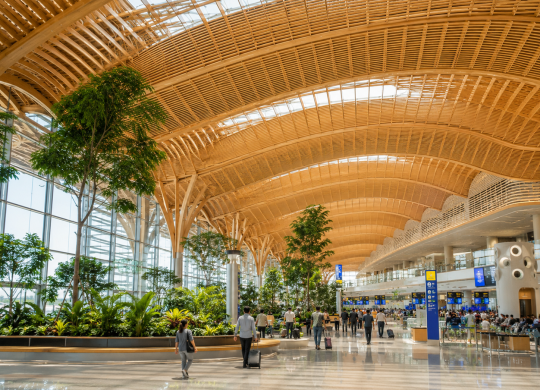
The 7 Most Beautiful Airports in the World in 2026: The Prix Versailles Ranking
The Prix Versailles International Architecture Award, presented annually under the auspices of UNESCO, has released its list of the world’s most beautiful airports for 2026. The ranking includes seven new or completely renovated terminals that combine modern design, eco-friendly solutions, and passenger comfort. Find out which airports have become global architectural landmarks this year
05 Jul. 2026
More details2 min
Air travel
How to Find Last-Minute Cheap Flights: 7 Tips from Skyscanner
A last-minute vacation doesn't have to mean expensive plane tickets. Experts at Skyscanner have shared seven simple ways to help you find great deals even just a few days before your flight. Learn more about how to save money on airfare without sacrificing comfort
12 Jul. 2026
More details2 min
Air travel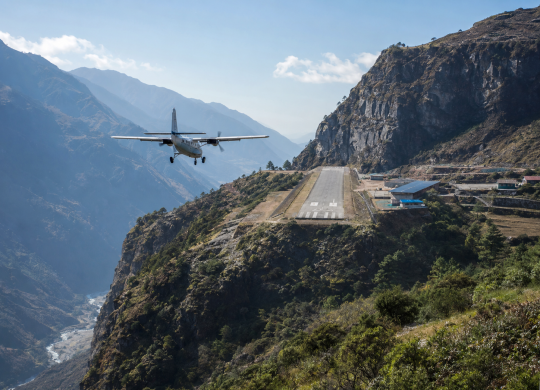
Top 10 Most Dangerous Airports in the World: The Most Extreme Places to Take Off and Land
Short runways, high mountains, sudden gusts of wind, and the ocean just a few meters from the plane turn an ordinary flight into a challenging ordeal for the crew. Learn more about the 10 most dangerous airports in the world and the reasons why only specially trained pilots are allowed to land at some of them
19 Jul. 2026
More details2 min
Air travel
EES Border Checks 2026: Why 9 EU Countries Are Asking Brussels for More Time
Nine European countries have officially asked the European Commission to extend the relaxed regime of the Entry/Exit System (EES) after September 6, 2026. Find out why airports and airlines are criticizing the current control system, what delays occur at the borders and what travelers should consider when planning a trip to the Schengen area
14 Jul. 2026
More detailsAll materials and articles are owned by VisitWorld.Today and are protected by international intellectual property regulations. When using materials, approval from VisitWorld.Today is required.