

Fuel Prices in the EU: September Record and ECB Forecast
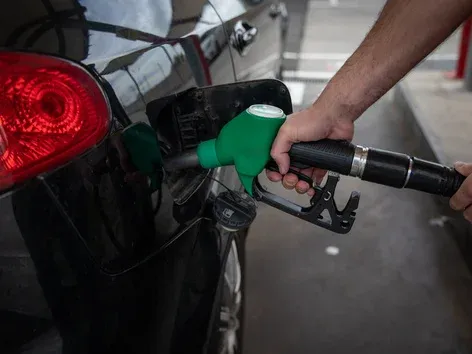
Gasoline and diesel prices in the EU have hit a new all-time high, and the ECB forecasts that diesel margins will peak in October. Learn more about fuel prices in Europe

Filling up a car in European Union countries this week cost drivers more than at any time in the more than two decades that the European Commission has been tracking these figures. A noticeable rise in the cost of gasoline and diesel has already fueled energy inflation in the eurozone, while refinery markups continue to push up retail prices. Euronews reports on this.
We’ll discuss the average prices at European gas stations, why diesel is rising faster than gasoline, and the ECB’s forecast for when prices will peak in this article.
Are you planning to drive abroad in the coming weeks?
A Green Card policy will cover your civil liability in participating countries and eliminate the risk of a fine at the border.

How much does fuel cost in EU countries?
As of September 14, a liter of gasoline cost an average of 2.063 euros across the European Union, while a liter of diesel fuel cost 2.159 euros. Both figures set new all-time highs in the weekly price monitoring that the European Commission has been conducting since 2005. Filling a 50-liter tank with gasoline now costs about 103 euros, and with diesel, about 108 euros.
Price variations among member states remain uneven. The lowest price per liter of gasoline is recorded in Malta—1.34 euros—while the highest is in Denmark—2.56 euros. Diesel in Malta is priced at 1.21 euros per liter, while in Finland it costs 2.51 euros. The European Commission published these figures on September 17 in its weekly oil bulletin, including taxes.
Current prices for A-95 gasoline across EU countries are as follows:
Photo: Euronews
Why have fuel prices in Europe risen so sharply?
A noticeable rise in oil prices on the global market began in late February alongside the conflict with Iran, which disrupted energy supplies through the Strait of Hormuz. Brent crude rose above $126 per barrel at the height of the hostilities, whereas before the conflict began, its price had hovered around $72.
A significant portion of the cost is determined after the oil has been refined. According to ECB calculations, in July, oil accounted for less than a quarter of the retail price of fuel in the eurozone, with the remainder consisting of refining and distribution costs, intermediary margins, excise taxes, and VAT.
Key components of the retail price in the eurozone:
- refinery markups—in the third week of September, these amounted to 0.41 euros (19% of the retail price) per liter of diesel and 0.17 euros (8%) per liter of gasoline;
- excise taxes and VAT—according to the ECB’s July calculations, these accounted for a combined total of about 44% of the price of diesel and 52% of the price of gasoline;
- distribution costs and intermediary margins—the remainder of the final fuel price.
About Europe’s most expensive transportation in 2026—read more at the link.
ECB Forecast for Peak Diesel Prices in October
Experts from the European Central Bank told Euronews Business that the margin on diesel fuel, based on LSEG futures as of September 16, will peak in October. For gasoline, the peak margin has already passed—it occurred in August. Since the beginning of 2026, the cost of gasoline in the EU has risen by about 29%, and diesel fuel by nearly 40%.
Current diesel prices across EU countries are as follows:
Photo: Euronews
Energy inflation in the eurozone accelerated to 14.3% in August, up from 10.3% in July. According to ECB estimates, increases in oil prices are typically fully passed on to pre-tax prices within one to two months. Governments can temporarily mitigate this effect by reducing fuel excise taxes.
By the way, the EU may restrict the purchase of second homes.
Risks to Oil Supplies to Europe This Fall
In its monetary policy statement on September 10, the ECB warned that repeated disruptions in energy supplies could push prices even higher, and that such pressure would last longer than currently expected. Saudi Aramco’s decision is creating additional pressure: the company has informed at least two European refineries that it will not supply oil under long-term contracts in October due to an attack on the kingdom’s key oil pipeline to the Red Sea.
According to ECB experts, a decline in fuel prices in Europe will be possible only if three conditions are met simultaneously: an end to hostilities in the Middle East, stabilization of supplies through the Strait of Hormuz, and a return of global refining capacity to normal levels. Problems at Russian refineries could keep markups high even after the Middle East conflict is resolved.
The world’s most popular cars of 2026—listed in this article.
Remember! A planned trip through Europe in your own car requires a valid Green Card international auto insurance policy. This document covers the driver’s civil liability for damage caused to third parties within the territories of participating countries, and its validity is checked at the border.
Get your Green Card online in just a few minutes on the Visit World portal!
A reminder! In our previous article, we discussed how much it will cost to live for a month in various European cities in 2026.
Photo: Magnific
Products from Visit World for a comfortable trip:
Travel guide for 200 countries;
Legal advice from a local specialist on visa and migration issues;
Travel insurance around the world (please select the country of interest and citizenship to receive services);
Medical insurance all over the world.
We monitor the accuracy and relevance of our information, so if you notice any errors or inconsistencies, please contact our hotline.
Frequantly
asked questions
How much does a liter of gasoline cost in the EU in September 2026?
How much does diesel fuel cost in EU countries right now?
Recommended articles
3 min
Travels
The World's Best Restaurants in 2026, According to TripAdvisor
TripAdvisor has named the world's best restaurants for 2026, with a restaurant in Argentina taking first place. Learn more about the top 10 restaurants on the list and their culinary highlights
19 Sep. 2026
More details2 min
Travels
Top Travel Destinations for 2027: Where to Go?
Albania, Hong Kong, and Egypt are among the top destinations for 2027. Tourists' choices are influenced by sporting events and eclipses. Learn more about the trends
19 Sep. 2026
More details3 min
Travels
5 Caribbean Islands for Active Adventures
The Caribbean isn't just about beaches—it's also home to volcanoes, diving, and tropical forests. Travel Off Path has named 5 islands perfect for active vacations. Learn more about the selection
20 Sep. 2026
More details3 min
Travels
The Coolest Neighborhoods in the World in 2026: A Time Out Ranking
Time Out named the 40 coolest neighborhoods in the world for 2026, selecting them based on culture, cuisine, nightlife, local businesses, and community atmosphere. Learn more about the top 10 neighborhoods worth adding to your travel itinerary this year
23 Sep. 2026
More detailsAll materials and articles are owned by VisitWorld.Today and are protected by international intellectual property regulations. When using materials, approval from VisitWorld.Today is required.