

Airfares in Europe could rise significantly in 2027
Table of contents

European airlines are warning of further increases in airfare due to high jet fuel prices. Ticket prices could rise by 20%. Learn more about the airlines’ forecasts for 2027–2028 and the reasons behind the price increases

Airfares in Europe could rise by 15–20% in the summer of 2027 due to the rapid increase in the cost of jet fuel. According to Ryanair CEO Michael O’Leary, fuel is already about 50% more expensive than it was before the war with Iran began, and high prices could persist for another 12–18 months—effectively until 2028. European airlines have already begun passing on the additional costs to passengers, so the price increase could affect both budget and traditional airlines.
Planning a trip abroad and want to protect yourself from unforeseen situations?
Travel insurance from Visit World will cover medical expenses, flight delays, and lost luggage in any country. Get a policy online in a few minutes and travel with confidence!

Why Airfares Are Rising in Europe: How the Fuel Crisis Is Affecting Fares
The main reason for the rise in airfares has been the sharp increase in the cost of jet fuel amid the war with Iran. European airlines are particularly vulnerable to price fluctuations, as they rely heavily on jet fuel imports from the Persian Gulf countries. Even carriers that locked in purchase prices in advance are gradually feeling the increase in costs.
According to an updated forecast by the International Air Transport Association (IATA), the average price of jet fuel in 2026 could reach $152 per barrel, compared to $90 in 2025. This represents an increase of nearly 70%.
Fuel has traditionally been one of the largest expense items for airlines. This year, according to IATA’s forecast, its share of global operating expenses for carriers will increase from 25.4% to 31.4%. Thus, nearly one in every three dollars spent by airlines on flight operations will go toward fuel.
At the same time, airlines are facing several additional challenges:
- Rising costs of oil refining. The difference between the price of Brent crude oil and jet fuel could reach $57 per barrel—a record high.
- Dependence on imports. A significant portion of jet fuel for the European market comes from the Persian Gulf, so supply disruptions and logistical risks affect its cost.
- More expensive alternative routes. Airspace restrictions are forcing some airlines to take longer routes, consuming more fuel.
- Additional operating costs. Airlines also pay airport and air navigation fees, fund fleet upgrades, and comply with environmental requirements.
Fuel hedging plays a distinct role—a practice in which airlines lock in the price for a portion of their future fuel purchases in advance. This allows carriers to temporarily protect themselves from sharp market fluctuations.
According to IATA estimates, European airlines had hedged up to 70% of their fuel needs before the fuel crisis intensified. This is one of the highest rates among regions worldwide. However, such protection is only valid for a specified period. When old contracts expire, carriers are forced to purchase fuel at new, significantly higher prices.
That is why the most significant impact of the fuel crisis on airfare prices may be felt in 2027, when some of the previously signed contracts expire. Airlines are already warning that they will not be able to fully offset the rise in costs with their own funds, so part of the financial burden will have to be passed on to passengers.
Learn more about the new carry-on baggage rules in the EU by following the link.
How much will airfares in Europe increase in 2027–2028?
European airlines are preparing for further fare increases, with the greatest price pressure expected in the summer of 2027. Ryanair CEO Michael O’Leary predicts that airfare could rise by 15–20% compared to the previous summer season. The reason is the expiration of favorable fuel contracts and the need to purchase fuel at significantly higher prices.
According to O’Leary, airlines will not be able to offset the additional costs with their own profits for long. This is especially true for low-cost carriers, whose business model is based on low fares and high aircraft load factors.
Ryanair’s forecast does not mean that all tickets will automatically become 20% more expensive. The actual increase will depend on the route, season, demand, and competition among carriers.
Which European airlines might raise their prices?
The problem is not limited to Ryanair. At a conference of the Airlines for Europe (A4E) aviation association in Brussels, executives from leading carriers discussed rising fuel costs and the need to adjust fares.
Among the companies represented at the conference were:
- Ryanair – one of Europe’s largest low-cost carriers, which has already warned of a possible price increase of up to 20%
- easyJet—a British budget carrier for which high fuel costs are also creating additional financial pressure
- Lufthansa Group—an aviation group comprising Lufthansa, SWISS, Austrian Airlines, and Brussels Airlines
- Air France-KLM—one of Europe’s largest aviation groups, uniting French and Dutch carriers
- IAG—owner of British Airways, Iberia, Vueling, and Aer Lingus
According to Reuters, some airlines have already begun offsetting rising fuel costs by raising prices for passengers. However, there is no single percentage increase across all these companies.
Will airfares continue to rise in 2028?
Michael O’Leary suggests that high jet fuel prices will persist over the next 12–18 months. This means that the financial impact of the fuel crisis could be felt even in the first half of 2028.
At the same time, the Ryanair CEO does not expect a jet fuel shortage in Europe during the coming winter and summer of 2027. Despite analysts’ warnings about possible supply disruptions, the main risk for passengers at this time remains the rising cost of flights.
In our previous article, we covered Ryanair’s new flights for summer 2027: the first 29 routes.
How can you buy cheap airline tickets in 2027 and save on flights?
Rising fares do not mean that all flights will become equally expensive. Even with high fuel prices, ticket prices will depend on flight load factors, the season, competition, and when you book. Travelers with flexible dates and routes will have more opportunities to find great deals.
To save on airfare in 2027, consider the following strategies:
- Compare prices several months before your trip. This is especially important for summer vacations, the Christmas holidays, and popular tourist destinations. However, booking early doesn’t always guarantee the lowest price.
- Check nearby departure dates. Fares for the same route can vary significantly depending on the day of the week and demand. It’s convenient to use the price calendar on Google Flights or Skyscanner to search.
- Consider alternative airports. For example, it’s sometimes cheaper to fly to Girona instead of Barcelona, or to Bergamo instead of Milan-Malpensa. However, you’ll need to factor in the cost of a transfer to your final destination.
- Set up price alerts. Google Flights, Skyscanner, and other services let you track the cost of specific routes and notify you of price fluctuations.
- Compare the total cost of the ticket. Low-cost carriers may offer a cheap base fare but charge extra for baggage, seat selection, and other services.
- Avoid peak travel seasons. On popular European routes, flights in July and August are usually in higher demand than during the off-season. If possible, consider traveling in May, June, or September.
Layovers deserve special attention. Sometimes a flight with a layover is cheaper than a direct flight, but the difference may disappear once you factor in baggage fees, additional transportation, or overnight stays. You should be especially cautious about arranging your own layovers with separate tickets, as the airline does not guarantee you’ll be able to catch your connecting flight if your first flight is delayed.
No matter how well thought-out your itinerary is, there is always room for force majeure when traveling. Unexpected medical expenses, transportation delays, or luggage problems can ruin your plans and budget. Travel insurance helps you avoid unnecessary worries in such situations. You can apply for a travel insurance policy for a specific trip online at Visit World - quickly and without unnecessary bureaucracy!
Take out a policy online at Visit World and enjoy your trip without any unnecessary worries!
We remind you! Skyscanner has highlighted 10 travel destinations for 2027 that have seen a noticeable surge in interest: from Bishkek to Samos, Greece. Read more about the top picks, their main attractions, and the best time to visit.
Products from Visit World for a comfortable trip:
Travel guide for 200 countries;
Legal advice from a local specialist on visa and migration issues;
Travel insurance around the world (please select the country of interest and citizenship to receive services);
Medical insurance all over the world.
We monitor the accuracy and relevance of our information, so if you notice any errors or inconsistencies, please contact our hotline
Frequantly
asked questions
How much will airfares in Europe increase in 2027?
Why does Ryanair plan to raise airfare prices?
Which European airlines will raise prices in 2027?
Could airfares rise even further in 2028?
When is the best time to buy plane tickets for summer 2027?
Recommended articles
2 min
Popular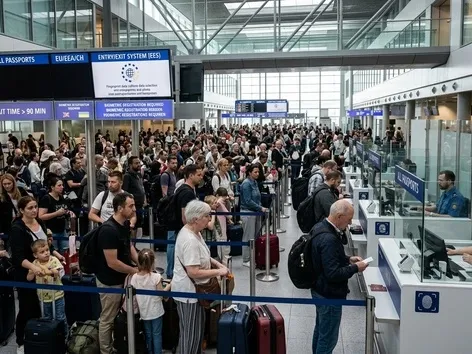
EU tightens border checks: what changed from September 6
From September 6, stricter EES rules are in effect at EU borders. Find out how long passport control now takes and how to prepare for your trip
07 Sep. 2026
More details2 min
Air travel
New EU Carry-On Baggage Rules: What Will Change for Passengers
The EU is drafting new carry-on baggage rules that could significantly change the terms of travel on budget airlines. A standard ticket should include two pieces of carry-on baggage at no extra charge, including a suitcase weighing up to 7 kg. Learn more about the new regulations, when they will take effect, and who they will affect
01 Oct. 2026
More details3 min
Air travel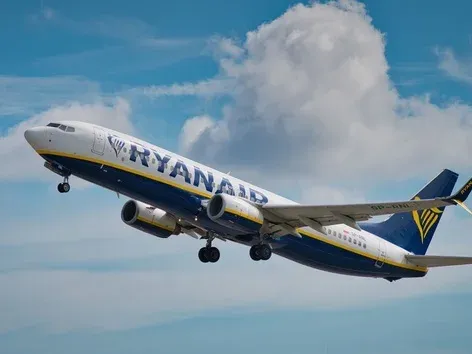
New Ryanair Flights for Summer 2027: The First 29 Routes
Ryanair is expanding its network for the 2027 summer season. The first flights are now available for booking. Learn more about the 29 new routes and how to book
12 Oct. 2026
More details2 min
Air travel
Safest Airlines in Europe 2026: AirAdvisor Ranking
Ticket prices reveal little about an airline’s safety. Find out which carriers topped the European Airline Safety Index 2026
15 Oct. 2026
More detailsAll materials and articles are owned by VisitWorld.Today and are protected by international intellectual property regulations. When using materials, approval from VisitWorld.Today is required.