

Diesel Taxes in Europe in 2026: Where Fuel Is Most Expensive
Table of contents
- How much will diesel cost in the EU in 2026?
- Top 10 EU Countries with the Highest Diesel Taxes
- How is the tax on diesel fuel calculated in the EU?
- Where in the EU is diesel the most expensive and the cheapest at gas stations?
- Why is diesel taxed less than gasoline in Europe?
- Will fuel taxes in Europe decrease in the fall of 2026?
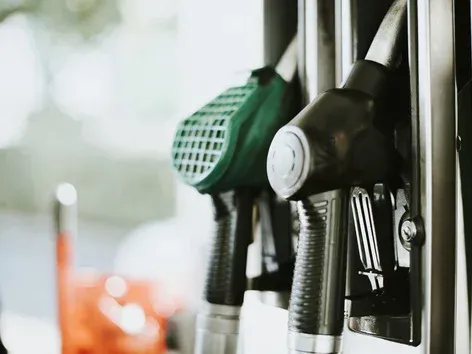
Diesel prices in the EU have risen to a record high of 2.226 euros per liter. Learn more about the countries with the highest fuel taxes

Fuel prices in the European Union reached a new all-time high in 2026, and diesel is now the most expensive fuel at gas stations. Taxes account for a significant portion of the total amount on the receipt, and their rates vary considerably from country to country. Euronews reports on this.
We’ll explain below where the tax burden on diesel is highest, how it’s calculated, and what changes drivers can expect in the coming months.
Planning a trip to Europe in your own car?
Before you leave, get a Green Card on the Visit World portal. An international auto insurance policy is required to enter EU countries in a car with foreign license plates.

How much will diesel cost in the EU in 2026?
According to the European Commission’s weekly oil bulletin, as of September 21, 2026, the weighted average price of diesel fuel in the EU was 2.226 euros per liter. This is the highest figure since 2005, when records began. A liter of diesel is 13.4 cents more expensive than “Euro-Super 95” gasoline. Filling a 50-liter tank costs approximately 111 euros, of which about 40% is taxes.
The sharp price increase is linked to the war with Iran, which began in February and disrupted energy supplies through the Strait of Hormuz. Diesel has been hit harder than other types of fuel: since late February, its average price in the EU has risen by approximately 40%. According to estimates by experts at the European Central Bank, in the third week of September, refinery markups added 0.41 euros to the cost per liter. This represents 19% of the amount paid by the driver.
About the top 10 most reliable electric vehicles—read more at the link.
Top 10 EU Countries with the Highest Diesel Taxes
In September 2026, drivers in Denmark paid the highest taxes per liter of diesel: 1.081 euros. Italy and Finland also made the top three, with taxes exceeding 1 euro per liter. The EU average is 0.861 euros, or 38.6% of the price at the gas station. The ranking is based on the total tax amount in euros per liter. The tax share of the price is provided for reference.
- Denmark: 1.081 € (42.3% of the price of 2.555 €).
- Italy: approximately 1.034 € (45.3% of the price of 2.281 €) at the excise tax rate in effect since September 26.
- Finland: 1.030 € (40.3% of the price of 2.555 €).
- Germany: 1.024 € (41.7% of the price of 2.457 €).
- Belgium: 1.014 € (42.5% of the price of 2.387 €).
- The Netherlands: €1.006 at a price of €2.579.
- France: €1.005 (42.2% of the price of €2.383).
- Lithuania: €0.945 (41.9% of the price of €2.258).
- Austria: €0.897 (40.1% of the price of €2.238).
- Greece: €0.855 (38.4% of the price of €2.224).
Italy moved up to second place due to the reduction of a temporary tax rebate. On September 26, the excise tax rose from 0.5729 to 0.6229 euros per liter, and this rate remains in effect until October 5. Under the previous rate, taxes amounted to approximately 0.984 euros per liter, or 43.1% of the price.
How is the tax on diesel fuel calculated in the EU?
The tax on diesel in EU countries is calculated in two stages. First, an excise tax is levied—that is, a fixed amount per liter. Some countries add other charges to this, such as a carbon emissions fee. Next, VAT is applied to the total amount, including the excise tax, effectively resulting in a tax on a tax. VAT rates range from 17% in Luxembourg to 27% in Hungary.
Rates in the countries included in the ranking:
- Denmark: excise tax of 4.261 Danish kroner (≈0.571 €) + 25% VAT (≈0.511 €);
- Finland: excise tax of 0.511 € + 25.5% VAT, the second-highest rate in the EU;
- Germany: energy tax of 0.4704 € + carbon tax of 0.162 € + 19% VAT;
- Belgium: excise tax of 0.600 € + 21% VAT;
- Netherlands: excise tax of 0.55 €;
- France: excise tax of 0.6075 € + 20% VAT;
- Lithuania: excise tax of €0.50 + CO₂ emissions component of €0.0536 + 21% VAT;
- Austria: petroleum products tax of €0.378 + carbon levy of ≈€0.145 + 20% VAT;
- Greece: excise tax of 0.41 € (unchanged since July 2017) + other taxes ≈0.014 € + 24% VAT.
In Lithuania, a temporary reduction in the fixed portion of the excise tax to 0.45 euros per liter had been in effect since April in response to the conflict in the Middle East. The exemption ended on June 15.
Where in the EU is diesel the most expensive and the cheapest at gas stations?
As of September 21, 2026, the highest price for diesel in the EU was recorded in the Netherlands: 2.579 euros per liter. Despite this, the country ranks only sixth in terms of total taxes. Next are Finland and Denmark at 2.555 euros, followed by Germany at 2.457 euros. The cheapest diesel fuel is sold in Malta, where a liter costs about 1.21 euros.
Photo: Euronews
Prices also remained below the 2-euro-per-liter mark in Bulgaria (1.92 €), Cyprus (1.95 €), Croatia (1.98 €), and several other EU countries.
The most fuel-efficient cars of 2026 — listed here.
Why is diesel taxed less than gasoline in Europe?
On average across the EU, taxes per liter of gasoline amount to 0.981 euros, and for diesel, 0.861 euros. The difference is about 12 cents. This preferential treatment is enshrined in EU regulations: the minimum excise tax on diesel is 0.33 euros per liter, and on gasoline, 0.359 euros. Most governments maintain this difference in their own tax rates to support transport companies, farmers, and businesses that rely on diesel.
The largest gap is in Greece. The excise tax on gasoline there is €0.70, so diesel is taxed 28.6 cents less. In the Netherlands, the difference is 26.7 cents (the excise tax on gasoline is €0.84). Belgium has set a uniform excise tax of €0.600 for both types of fuel; however, because diesel is more expensive, an additional 6.9 cents is added to it before VAT is applied. In Lithuania, the fixed excise tax on diesel exceeds that on gasoline.
Photo: Euronews
Will fuel taxes in Europe decrease in the fall of 2026?
Some governments are already cutting taxes to mitigate the impact of record-high prices. On September 25, the Bundestag approved a 14.04-cent reduction in Germany’s energy tax, effective from October 1 through December 31. Including VAT, this amounts to about 17 cents per liter. In the Czech Republic, a reduction in the diesel tax is expected to save drivers about 10 cents per liter, while Spain has extended its fuel tax breaks.
A broader reform at the EU level has not yet taken place. The European Commission’s 2021 plan called for taxing fuel based on energy content rather than volume, which would have eliminated diesel’s tax advantage. Adoption requires the consent of all 27 member states; however, in November 2025, a compromise text failed to secure unanimous support. According to the ECB’s assessment, prices will fall provided the war in the Middle East ends, supplies through the Strait of Hormuz normalize, and global oil refining capacity recovers.
By the way, the EU is changing the rules for cars starting in November 2026.
Remember! When planning a trip by car to EU countries, it’s worth calculating your fuel costs along the route in advance and arranging insurance. To enter the EU with a car bearing foreign license plates, you’ll need a Green Card—that is, an international auto insurance policy that covers damages to third parties in the event of a traffic accident. You can apply for one on the Visit World portal.
Get your Green Card on Visit World before you leave so you can cross the border stress-free and focus on your trip!
A reminder! In our previous article, we talked about the world’s most popular cars of 2026.
Photo: Magnific
Products from Visit World for a comfortable trip:
Travel guide for 200 countries;
Legal advice from a local specialist on visa and migration issues;
Travel insurance around the world (please select the country of interest and citizenship to receive services);
Medical insurance all over the world.
We monitor the accuracy and relevance of our information, so if you notice any errors or inconsistencies, please contact our hotline.
Frequantly
asked questions
Where in Europe will diesel be the most expensive in 2026?
Where is diesel the cheapest in Europe?
Recommended articles
2 min
Investment
Rent in the EU 2026: How Much Does It Cost and Where Is Housing Hard to Find?
Rental prices in the EU vary significantly from country to country. Find out where apartments are most affordable, where housing is difficult to find, and what is changing in 2026
30 Sep. 2026
More details3 min
Popular
In Spain, up to €40,000 is available for home purchases: who is eligible
In one region of Spain, you can receive up to €40,000 to purchase, build, or renovate your own home. The program is available in small towns and has specific requirements regarding age, income, and future place of residence. Learn more about who is eligible for the subsidy and under what conditions
02 Oct. 2026
More details2 min
Work
Germany Raises the Minimum Wage: What Will Change in 2027
From January 2027, Germany’s minimum hourly wage will increase to €14.60. Find out how this will affect salaries, contributions and future pensions
01 Oct. 2026
More details3 min
Investment
The Best Countries to Obtain a Golden Visa in Europe in 2026
Spain has already discontinued its Golden Visa program, while other European countries are revising the terms of their investment residency programs. At the same time, there are still programs in Europe in 2026 with a minimum investment threshold of €250,000. Learn more about where else you can obtain residency through investment and what conditions apply to investors
03 Oct. 2026
More detailsAll materials and articles are owned by VisitWorld.Today and are protected by international intellectual property regulations. When using materials, approval from VisitWorld.Today is required.